Jelq Safety Tips: Reading Your Body, Setting Boundaries, and Knowing When to Change Strategy

Table of Contents
- Overview: Why Body Signals Matter More Than Any Jelq Routine
- Setting Smarter Boundaries Before You Touch Your Penis
- Real-Time Body Signals: When to Ease Up, Stop, or Seek Medical Help
- When to Switch Tactics: From Jelq to Lower-Risk Strategies
- Conclusion: Protecting Sexual Function While You Experiment
- FAQ
Overview: Why Body Signals Matter More Than Any Jelq Routine
Expert Insight: According to WebMD, jelqing is a stretching technique intended to enlarge the penis by pushing blood toward the tip and stretching internal tissue and skin, but many men who pursue it due to “small penis anxiety” actually have an average erect length of about 5 inches (13 cm) ([WebMD](https://www.webmd.com/men/jelqing)). (www.webmd.com)

Jelq routines online tend to obsess over reps, minutes, and âgains.â What they usually ignore is the single biggest safety tool you actually have: your own body signals. Jelqing is an unproven enlargement method that uses repeated pulling and squeezing to push blood along the shaft. There is no strong clinical evidence that jelq permanently increases size, but there is clear evidence it can irritate tissue, bruise skin, and potentially contribute to scarring inside the penis.
That doesnât stop men from experimenting. In the context of mens sexual wellness, the smarter move is not pretending jelq is risk-free, but using strict boundaries, real-time feedback from your body, and a willingness to change tactics quickly when things donât feel right.

This article focuses on three things:
- How to set practical safety boundaries before you ever start squeezing or pulling.
- How to interpret specific sensations and visual changes as stop now signals.
- How to decide when to pause jelq entirely and pivot toward lower-risk strategies like mindset work, technique tweaks, or controlled traction with a penis extender or penis stretcher.
Setting Smarter Boundaries Before You Touch Your Penis
Jelq safety starts before the first stroke. You need a framework that limits how hard, how often, and under what conditions youâll experiment. Without that, itâs easy to push through early warning signs and only stop once damage is obvious.
Use these boundary rules as non-negotiable guardrails:
- No pain, ever. Mild warmth or gentle fullness is acceptable. Sharp, burning, pinching, or âtugging nerveâ sensations are not. The moment you feel anything more than mild pressure, stop.
- Half-erection cap. Traditional jelq instructions say âalmost but not fully erect.â Treat that as strict. A firmer erection makes internal pressure higher, increasing the risk of vessel damage and bruising.
- Beginner time limit: 5 minutes max. If youâre going to experiment at all, cap early sessions at 3â5 minutes with very light pressure. Thereâs no evidence that longer sessions are better, but more time absolutely increases irritation risk.
- One session per 48 hours. Tissue thatâs been squeezed and stretched needs recovery. Daily jelq removes your margin of safety if micro-injuries are forming but not yet obvious.
- Stop if youâre already irritated. Any existing redness, soreness, chafing, or bruising means rest, not âlight jelqing.â Re-working irritated tissue is how small problems become chronic ones.
- Alcohol and drugs are a hard no. Anything that numbs pain or impairs judgment makes it easier to ignore helpful discomfort signals. If you wouldnât trust your reflexes while driving, you shouldnât be jelqing.
- One size doesnât fit all. If youâre on blood thinners, have bleeding disorders, diabetes, prior penile trauma, or diagnosed Peyronieâs disease, talk to a urologist before any stretching regimen. Your risk profile is different from what anonymous forums assume.
Setting these limits in advance helps you treat jelq as a controlled experiment, not a test of willpower or masculinity.
Real-Time Body Signals: When to Ease Up, Stop, or Seek Medical Help
Your penis gives you a constant data stream during jelq: color, temperature, texture, and sensation. The key is knowing which signals are safe, which require a break, and which demand urgent medical attention.
Signals that mean âback off now and restâ
- Patchy redness or âsunburnedâ look. This often means surface irritation from friction. Reduce pressure, shorten sessions, or fix lubrication next time.
- Mild, dull ache after a session. If it fades within a few hours and doesnât affect erections, itâs a sign youâre close to your limit. Take at least 2â3 days off.
- Transient numbness. Even a few minutes of reduced sensation is a red flag. Stop completely until sensation is fully normal for several days. Next time use less force.
Signals that mean âstop jelq entirely and monitor closelyâ
- Visible bruising or âburst capillaries.â Purple spots, striping, or pooled discoloration indicate vessel damage. Continuing to jelq over this can increase the risk of scar tissue and plaque formation.
- Persistent soreness or bending during erection that wasnât there before. This may indicate early scarring or changes in the tunica (the tough sheath around erectile tissue). You need rest and medical evaluation if it doesnât improve.
- Clear drop in erection quality or sensitivity. If you suddenly have weaker erections, less pleasurable stimulation, or difficulty maintaining arousal, suspend all manual stretching until this fully normalizes.
Signals that mean âsee a doctor or emergency care ASAPâ
- Sudden sharp pain with a âpopâ and immediate loss of erection. This can be a penile fracture, which is a surgical emergency.
- Severe swelling and dark bruising right after a session. This may be a significant tear or hematoma; get urgent care.
- Painful erections with a new, pronounced curve. This can be a sign of Peyronieâs disease. Early urologic input matters for long-term outcomes.
- Ongoing pain with urination or blood in semen. Any link between jelq and these symptoms needs prompt professional evaluation.
Men often push through early warning signs because theyâre chasing gains. In reality, those subtle signals are the best chance you have to prevent chronic issues that can affect erections, sensation, and even future ejaculation comfort.
When to Switch Tactics: From Jelq to Lower-Risk Strategies
At some point, a rational cost-benefit analysis may push you away from jelq and toward other options. That pivot isnât a failure; itâs a strategic move for long-term sexual function.
1. When body signals keep flaring, even at low intensity
If every attempt at ultra-gentle jelq still gives you bruising, irritation, or numbness, your tissue tolerance may simply be low. For you, the risk curve is steeper. In this case, your smartest move is to stop jelqing and protect the erectile tissue you have, rather than gamble with repeated micro-injuries.
2. When anxiety about size is driving all your decisions
Many men try jelq because of âsmall penis anxiety,â even when their size is within average range. If obsessing over size is making you hyper-focused on your penis and less present in bed, shifting tactics to mental and relational work often helps more than physical pulling:
- Cognitive-behavioral therapy (CBT) to challenge distorted beliefs about âidealâ size.
- Sex therapy focused on confidence, communication, and sex techniq instead of centimeters.
- Partner-focused pleasure: exploring positions, angles, and rhythm patterns that enhance mutual sensation.
3. When you want a more controlled, measurable approach
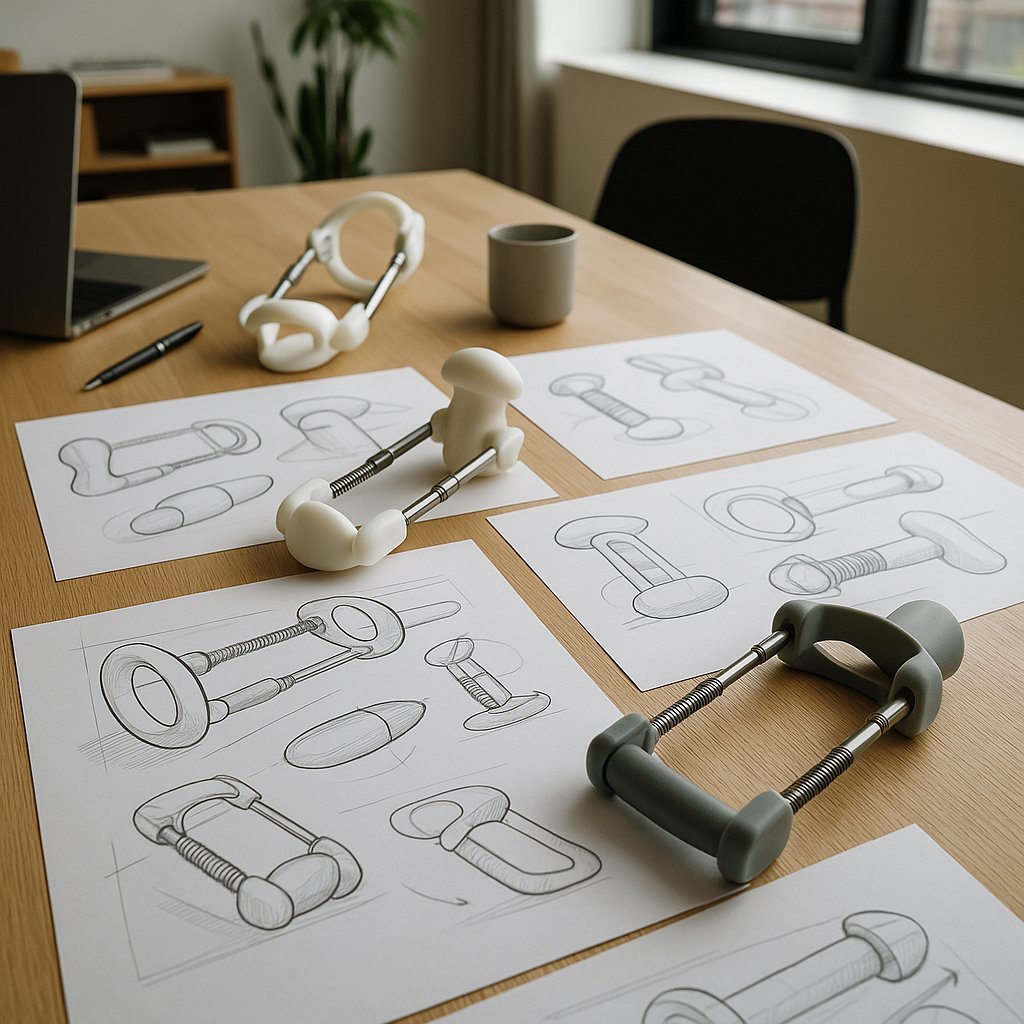
If youâre going to utilize mechanical traction, clinically inspired penis extender or penis stretcher devices offer a more standardized, time-based way to apply tension than freestyle jelq. Traction devices used for conditions like Peyronieâs disease rely on low, sustained stretch rather than intense, repetitive squeezing.
These devices still carry risks (irritation, discomfort, over-stretching if misused), but they let you:
- Dial in tension precisely rather than âguessingâ with your hand strength.
- Track hours and gradual adjustments over months.
- Follow manufacturer and in some cases clinician guidelines instead of anonymous forum posts.
If you choose this route, invest in a quality, medical-style traction system and follow conservative usage schedules. One option men explore is the official PeniMaster store, which offers controlled traction devices with structured protocols to help minimize misuse.
4. When your real goals are better erections and orgasms
For many men, the core goal isnât raw length; itâs confidence, stronger erections, or more satisfying orgasms. In that case, a better strategy mix often looks like:
- Cardio and strength training to support blood flow and vascular health.
- Pelvic floor training (Kegels and reverse Kegels) for erection stability and ejaculatory control.
- Experimenting with arousal pacing, edging, and stimulation patterns to build more reliable, pleasurable ejaculation.
- Open communication with partners about pressure, depth, rhythm, and positions that optimize mutual pleasure.
All of these fit squarely within broader menâs sexual wellness and carry far less structural risk than aggressively pulling on sensitive erectile tissue.
Conclusion: Protecting Sexual Function While You Experiment
If you decide to jelq, your top priority should never be âgains at any cost.â It should be preserving long-term erections, sensation, and comfort during arousal and ejaculation. That means:
- Setting strict boundaries before you begin: low force, short sessions, and plenty of rest days.
- Treating early body warnings â redness, ache, numbness, bruising â as hard stop signals, not inconveniences.
- Stopping and seeking medical input if you notice significant pain, curvature, swelling, or sudden changes in erection quality.
- Being willing to pivot away from jelq toward lower-risk tools like controlled traction devices, targeted lifestyle changes, and refined sex techniques that actually improve real-world experiences in bed.
The most sustainable approach to mens sexual wellness is not chasing every new hack. Itâs respecting your anatomy, listening to your bodyâs signals, and choosing strategies that support confidence, connection, and pleasurable sex over the long term.
FAQ
Q: How do I know if my jelq pressure is safe or too strong?
A: Safe jelqing usually feels like firm, controlled pressure without sharp pain, burning, or bending. If the skin feels overly hot, you see dark red or purple spots, or the shaft aches afterward, your pressure is too high—back off immediately and resume with lighter strokes another day.
Q: What are early warning signs that I should stop a jelq session?
A: Stop right away if you feel sudden pain, stinging, numbness, or any loss of erection that feels unusual for you. Also treat new bruising, swelling, or a tingling “asleep” feeling as a signal to end the session and take at least several days off.
Q: How often can I jelq without overdoing it?
A: Many men start with 2–3 short sessions per week, leaving at least a day of rest in between. If your penis feels tender, fatigued, or less responsive on off-days, that’s a sign your frequency or volume is too high and you should cut back.
Q: When is it better to switch from jelqing to other penis-stretching methods?
A: Consider switching if you repeatedly get negative signs—discomfort, bruising, or weaker erections—even after reducing intensity and volume. Some men tolerate gentler, static methods like manual stretches or well-fitted extenders better than repetitive squeezing movements.
Q: Can I combine jelqing with other sexual wellness practices safely?
A: Yes, many men pair jelqing with practices like pelvic floor exercises, general fitness, and stress reduction, as long as they keep overall strain reasonable. Track how your penis feels over several days; if adding new practices leads to more soreness or weaker erections, scale back and reintroduce one change at a time.

Post Comment