How To Do Jelqing Safely: Essential Techniques and Best Practices
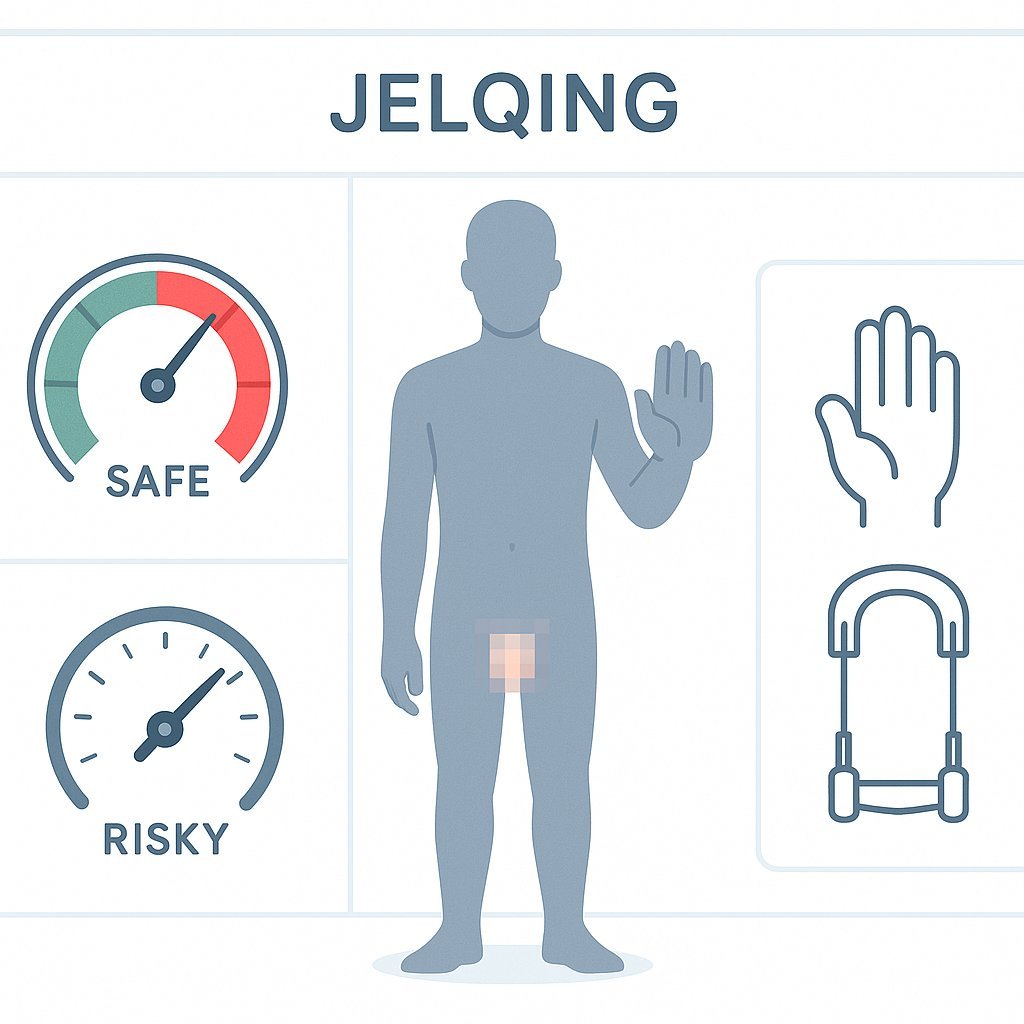
Table of Contents
- Overview: What Jelqing Really Does (and Doesn’t) Do
- Essential Pre‑Jelq Checklist: When You Should Not Start
- Step‑by‑Step Jelq Technique With Safety Limits
- Protecting Long‑Term Function: Erection Quality, Sensation, and Ejaculation
- When to Switch From Jelqing to Devices or to Stop Altogether
- Conclusion: Safety First, Size Second
- FAQ
Overview: What Jelqing Really Does (and Doesn’t) Do
Expert Insight: According to WebMD (https://www.webmd.com/men/jelqing), jelqing is a stretching technique intended to enlarge the penis that has gained popularity via social media, but most men who pursue it because they feel too small actually fall within the average erect length of about 5 inches (13 cm). (www.webmd.com)
Jelqing is a manual stretching exercise where you use a lubricated “OK” grip to push blood along a semi‑erect penis. The goal is usually to increase length and girth, with some men also hoping to improve erection quality and ejaculation control. It has become popular in mens sexual wellness communities online, but major medical sources like WebMD and the American Urological Association emphasize one key point: there is no strong clinical evidence that jelq routines permanently enlarge a healthy penis.
Most men who try jelqing are already within the normal erect size range (around 5 inches / 13 cm). The main proven outcome of aggressive, poorly controlled jelqing is a higher risk of pain, bruising, nerve irritation, and even scar formation that can lead to curvature (Peyronie’s disease) and erectile problems.

This guide does not promise size gains. Instead, it explains how to reduce harm if you decide to experiment, how to keep jelqing separate from your sex techniques with a partner, and how to use evidence‑based tools like a penis extender or penis stretcher more strategically when your priority is long‑term penis health.
Essential Pre‑Jelq Checklist: When You Should Not Start
Before any technique details, the safest move is to decide whether jelqing is appropriate for you at all. There are situations where the risk is simply too high and you should avoid jelq exercises entirely and speak with a urologist.
- Skip jelqing if you already have pain or curvature. Existing penile pain, visible bend, or palpable hard plaques are red flags for Peyronie’s disease or other structural issues. Stretching or squeezing on top of this can worsen damage.
- Avoid jelqing if erections are unreliable. If you struggle to get or maintain an erection, aggressive jelqing can injure delicate blood vessels and smooth muscle, making things worse. Focus first on medical evaluation, lifestyle, and erection‑focused mens sexual wellness strategies.
- Do not jelq after recent injury, surgery, or injections. Any trauma, recent circumcision, cosmetic filler, or experimental injection (like hyaluronic acid or PRP) calls for clearance from a doctor before you apply repetitive pressure.
- Reconsider if anxiety is driving everything. If “small penis anxiety” dominates your thoughts despite being within the average range, psychological support may do far more for confidence, pleasure, and sex life than physically pulling on tissue.
- Understand the lack of proof. Research on penis enlargement methods shows minimal benefits for most options and non‑trivial risk. Manual jelq routines are even less studied. If you choose to continue, you’re experimenting on yourself; act conservatively.
Only if you clear these hurdles and accept the uncertainty should you move on to learning safer jelqing mechanics.
Step‑by‑Step Jelq Technique With Safety Limits
Most online routines push intensity and volume far beyond what is reasonable for a sensitive organ. A safer‑leaning jelq protocol focuses on low pressure, limited minutes, and frequent check‑ins with sensation.
1. Warm up the tissue
- Use a warm (not hot) washcloth wrapped around the penis for 5–10 minutes, reheating as needed.
- The goal is relaxed, supple tissue and easy blood flow, not scalding heat.
2. Get to a partial erection only
- Target roughly 40–60% firmness: thicker than flaccid but not ready for penetration.
- If you reach a full erection, stop and allow it to subside before continuing.
3. Apply a simple, non‑irritating lubricant
- Choose an unscented water‑based or light oil‑based lube; avoid harsh fragrances.
- Reapply as needed so the skin glides without drag or friction burn.
4. Use a relaxed “OK” grip with no squeezing at the glans
- Form an “O” with thumb and index finger at the base of the shaft.
- Close your fingers just enough to gently trap blood without pinching skin.
- Slide the grip slowly toward the glans, then stop before the head; do not squeeze directly on the glans.
- Release at the top, then repeat with the other hand from the base.
5. Count low, measured strokes
- Think in strokes, not minutes, to prevent losing track of intensity.
- Beginners: aim for 30–50 gentle strokes, once per day or every other day.
- Take a 30–60 second break after every 10–15 strokes to check sensation and color.
6. Set hard limits and immediate stop rules
- Stop immediately if you feel sharp pain, burning, pins‑and‑needles, or sudden loss of sensitivity.
- Stop if the skin looks mottled, dark purple, or develops new visible blood spots (petechiae).
- Stop for the day if your erection suddenly disappears and feels “numb” or weak.
- Do not exceed 10–15 minutes total, including breaks, even if you feel fine.
After the session, gently wash off lubricant, pat dry, and allow the penis to rest. No aggressive masturbation, sex, or sex toys right after; give tissues time to settle.
Protecting Long‑Term Function: Erection Quality, Sensation, and Ejaculation
Safe jelqing isn’t just about avoiding immediate bruises. The more important goal is preserving high‑quality erections, normal sensitivity, and reliable ejaculation for the long term. That means keeping jelqing firmly in the “optional experiment” category rather than the core of your mens sexual wellness plan.
Watch erection quality over weeks, not just minutes
- If morning erections weaken, become less frequent, or feel “rubbery,” treat that as an early warning and take a full break from jelqing for at least 2–4 weeks.
- If problems continue, see a urologist before resuming any stretching or squeezing routine.
Monitor sensitivity and pleasure
- Notice whether it takes more stimulation to feel aroused or to reach orgasm during masturbation or sex.
- Decreasing pleasure, tingling, or persistent numb patches are signals to stop jelqing completely and seek medical advice.
Keep jelqing separate from your sex techniq practice
- Do not jelq as part of foreplay or during intercourse. It’s a conditioning drill, not a performance move.
- Schedule jelq sessions several hours away from partnered or solo sex so you can clearly tell if any erection or ejaculation changes are due to the exercise.
Respect ejaculation as a health signal
- Sudden changes in ejaculation pattern – such as much weaker force, new pain at climax, or blood in semen – require you to stop immediately and consult a professional.
- If you’re working on timing and control, use separate, evidence‑informed strategies; jelqing alone is not a reliable way to “retrain” ejaculation.
Your penis is not a biceps muscle. You cannot safely “overload” it the way you do in the gym. Prioritize function and pleasure over size experiments every time.
When to Switch From Jelqing to Devices or to Stop Altogether
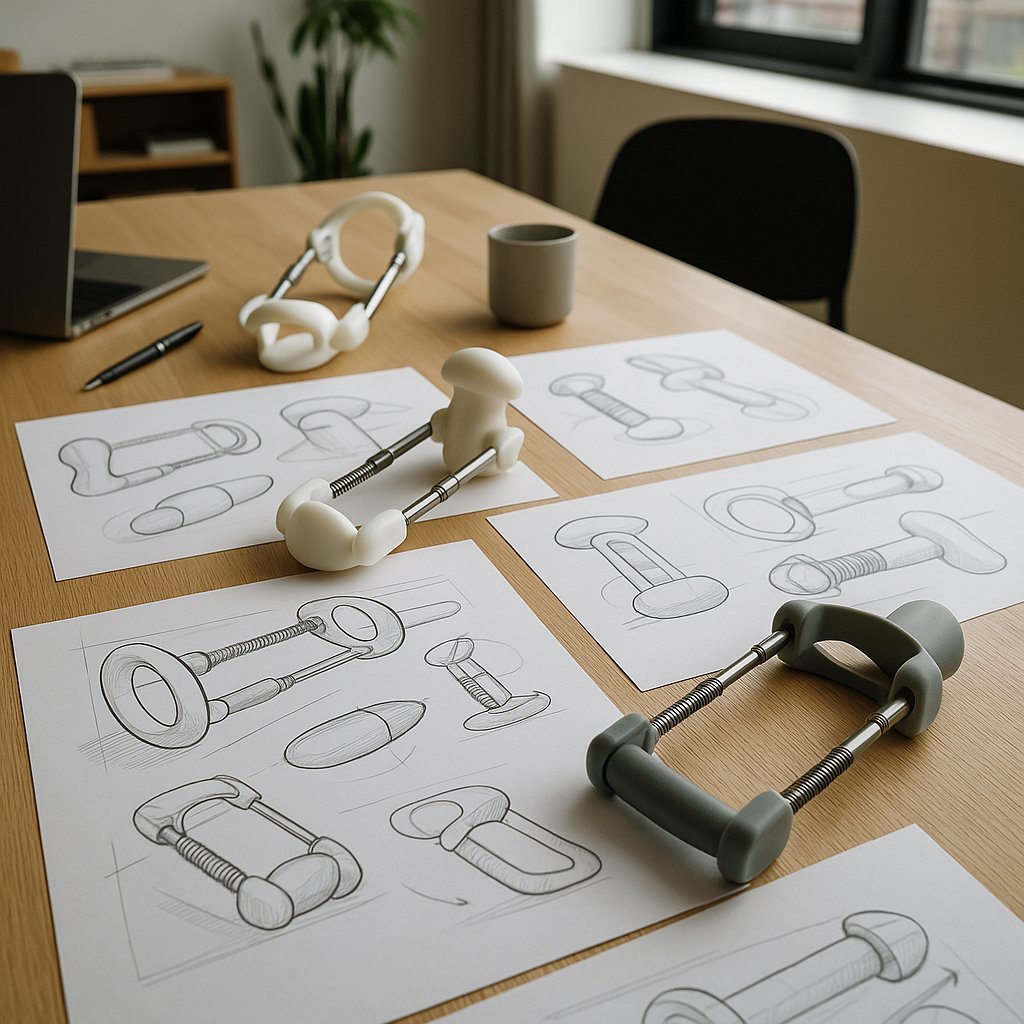
If you’re determined to pursue size‑related changes despite limited evidence, it’s smarter to think in terms of structured options instead of escalating jelq intensity. For some men, that means moving away from manual jelqing toward a medical‑style penis extender or penis stretcher, or deciding to stop all enlargement attempts and focus on performance and confidence instead.
Considering extenders and stretchers
- Penile traction devices used for several hours per day over months can add a modest amount of flaccid length (often less than 2 cm), according to available research.
- They still carry risk (skin irritation, discomfort, over‑stretching), but they apply more uniform, measurable tension than your fingers and may be preferable to high‑pressure jelq sessions.
- If you go this route, choose a reputable brand and follow low‑tension, gradual protocols rather than chasing maximum stretch.
Sample conservative progression
- Begin with a limited, gentle jelq phase (a few weeks), monitoring carefully for any negative signs.
- If you notice any hint of pain, curvature, or erection changes, stop jelqing immediately and let everything recover fully.
- If you remain symptom‑free but want a more structured approach, discuss traction devices with a urologist or men’s health clinician rather than ramping up jelq intensity or frequency.
Affiliate note and CTA
If you and your clinician agree that a traction approach is appropriate, you can explore a dedicated medical‑style extender at the official store here: penis extender and stretcher system. Use any such device conservatively, with comfort and circulation checks every time you wear it.
Clear stopping points
- Stop all enlargement methods if you develop persistent pain, new curvature, shrinking length, or loss of sensitivity.
- Stop if anxiety, obsessive checking, or relationship strain outweigh any perceived physical benefit.
- Stop if a qualified urologist advises against further traction or squeezing due to your specific anatomy or health status.
Mens sexual wellness is bigger than numbers on a ruler. Protecting erectile function, pleasure, and emotional confidence will always matter more than chasing marginal or unproven size changes.
Conclusion: Safety First, Size Second
Jelqing is an unproven, self‑directed experiment on a highly sensitive organ. While some men online share positive stories, the medical literature emphasizes small average gains from stretching methods and a real risk of pain, bruising, and long‑term complications when pressure and volume are not tightly controlled.
If you still choose to jelq, treat it as a low‑dose trial: gentle pressure only, limited strokes, careful warm‑up and cool‑down, and active monitoring of erections, sensitivity, and ejaculation. The moment your penis sends distress signals, stop and prioritize recovery and professional guidance.
Alternatives like a properly used penis extender or penis stretcher, or simply focusing on arousal, communication, and refined sex techniques with your partner, can often do more for your confidence and satisfaction than any risky enlargement routine. Your best long‑term strategy is simple: protect function first; treat size experimentation as strictly optional.
FAQ
Q: What is jelqing and how is it supposed to work?
A: Jelqing is a manual stretching technique that involves repeatedly sliding a semi‑firm “OK” grip from the base to the tip of the penis. People believe this may promote tissue expansion over time, but there is no solid scientific evidence that jelqing permanently increases size.
Q: How can I jelq as safely as possible if I still choose to try it?
A: Use a warm‑up, only jelq at a low to moderate level of arousal, and apply a lubricant to reduce friction. Start with low intensity and short sessions, stop if you feel sharp pain or see abnormal discoloration, and allow rest days between sessions.
Q: What are the main risks of jelqing I should watch for?
A: Common risks include soreness, bruising, temporary numbness, and broken capillaries that show up as red spots. More intense or careless jelqing can also lead to curvature changes, reduced sensitivity, or erection difficulties, especially if you push through pain.
Q: When should I stop jelqing and switch to other methods?
A: Stop jelqing if you notice persistent pain, swelling, significant color changes, or any drop in erection quality that lasts more than a few days. At that point, it is safer to pause manual exercises and consider structured options like medical‑grade extenders or stretchers instead.
Q: Are penis extenders or stretchers safer than jelqing?
A: Extenders and stretchers use controlled, low‑level traction rather than forceful squeezing, which can make them easier to standardize and monitor. While they also carry risks if misused, many men prefer them over jelqing because tension, duration, and progression are more precisely adjustable.



Post Comment