Jelq Safety Tips: Evidence-Based Ways to Reduce Risk and Protect Penis Health
Read more in our Complete Guide to Jelqing: Evidence, Safety, and.

Table of Contents
- Overview: Where Jelq Fits in Men’s Sexual Wellness
- Understand the Real Risks Before You Jelq
- Pre-Jelq Preparation: Warm-Up, Erection Level, and Hygiene
- Control Pressure, Speed, and Volume to Reduce Injury Risk
- Lubrication, Oils, and Products: What Helps and What Hurts
- Scheduling, Rest, and When to Stop Completely
- Safer Alternatives: Penis Extender Use, Lifestyle, and Technique Rethinking
- Warning Signs: When Jelq Is Damaging Your Penis Health
- FAQ: Common Jelq Safety Questions
- Conclusion: Prioritize Long-Term Penis Health Over Aggressive Techniques
Overview: Where Jelq Fits in Men’s Sexual Wellness
Expert Insight:
According to Mayo Clinic, penis health is more than just erections and reproduction; problems such as erectile dysfunction, ejaculation disorders, and anorgasmia can signal broader health issues and negatively impact stress, relationships, and self-confidence ([Mayo Clinic](https://www.mayoclinic.org/healthy-lifestyle/mens-health/in-depth/penis-health/art-20046175)). (www.mayoclinic.org)

Jelqing is a manual penis exercise where you repeatedly stroke a semi-erect penis from base to glans with moderate pressure, aiming to stretch tissue over time. It is often promoted online as a way to increase size or improve erection quality, but high-quality clinical evidence for effectiveness is lacking. What is well documented is that the penis contains delicate blood vessels, spongy erectile tissue, nerves, and skin that can be injured by excessive pressure, friction, or bending.
Major medical organizations, such as the Mayo Clinic, emphasize that penis health is part of overall health and that trauma to erectile tissue can contribute to pain, erectile dysfunction, Peyronie-like curvature, and reduced sensation. From an evidence-based perspective, jelq should always be treated as a high-risk, experimental sex techniq rather than a casual “workout.”
This article does not promote jelqing. Instead, it focuses on practical, step-by-step jelq safety tips for men who may decide to attempt it anyway, so they can better understand risks, spot warning signs early, and consider safer options like lifestyle changes or a medical-grade penis extender. Integrating these ideas into your broader mens sexual wellness plan is more important than any single exercise.
Understand the Real Risks Before You Jelq
Before thinking about technique, you need a realistic view of what can go wrong. Jelqing places repetitive mechanical stress on structures that are not designed for heavy squeezing or bending. Reported problems include:
- Bruising and broken capillaries:Dark spots, red dots, and discoloration from damaged surface vessels.
- Swelling and lymph fluid buildup:Puffy or “doughnut” swelling near the foreskin or shaft.
- Nerve irritation or numbness:Reduced sensation, tingling, or a “cold” feeling in the shaft or glans.
- Persistent pain:Soreness at rest, pain with erections, or pain with ejaculation.
- Curvature or deformity:Repeated trauma may contribute to plaque formation and Peyronie-like changes.
- Erectile problems:Difficulty achieving or maintaining erections after injury.
The Mayo Clinic notes that penile trauma is one of several factors associated with penis health issues, including painful erections and curvature. Unlike exercise for general fitness, there is no established “safe dose” of jelq. If you already have erectile dysfunction, Peyronie disease, a history of penile injury, bleeding disorders, or are on blood thinners, jelqing is especially risky and you should avoid it.
Clinically, your safest path for mens sexual wellness focuses on modifiable risk factors such as smoking, obesity, inactivity, and unmanaged cardiovascular disease. Cleveland Clinic surveys show men themselves recognize that general exercise improves confidence, sex drive, and mental health, but many still skip it. Building a sustainable fitness routine is far safer and more broadly beneficial than aggressive penis exercises.
Pre-Jelq Preparation: Warm-Up, Erection Level, and Hygiene
If you decide to jelq despite the risks, preparation matters. A rushed, poorly warmed-up session increases the chance of tears and bruising.
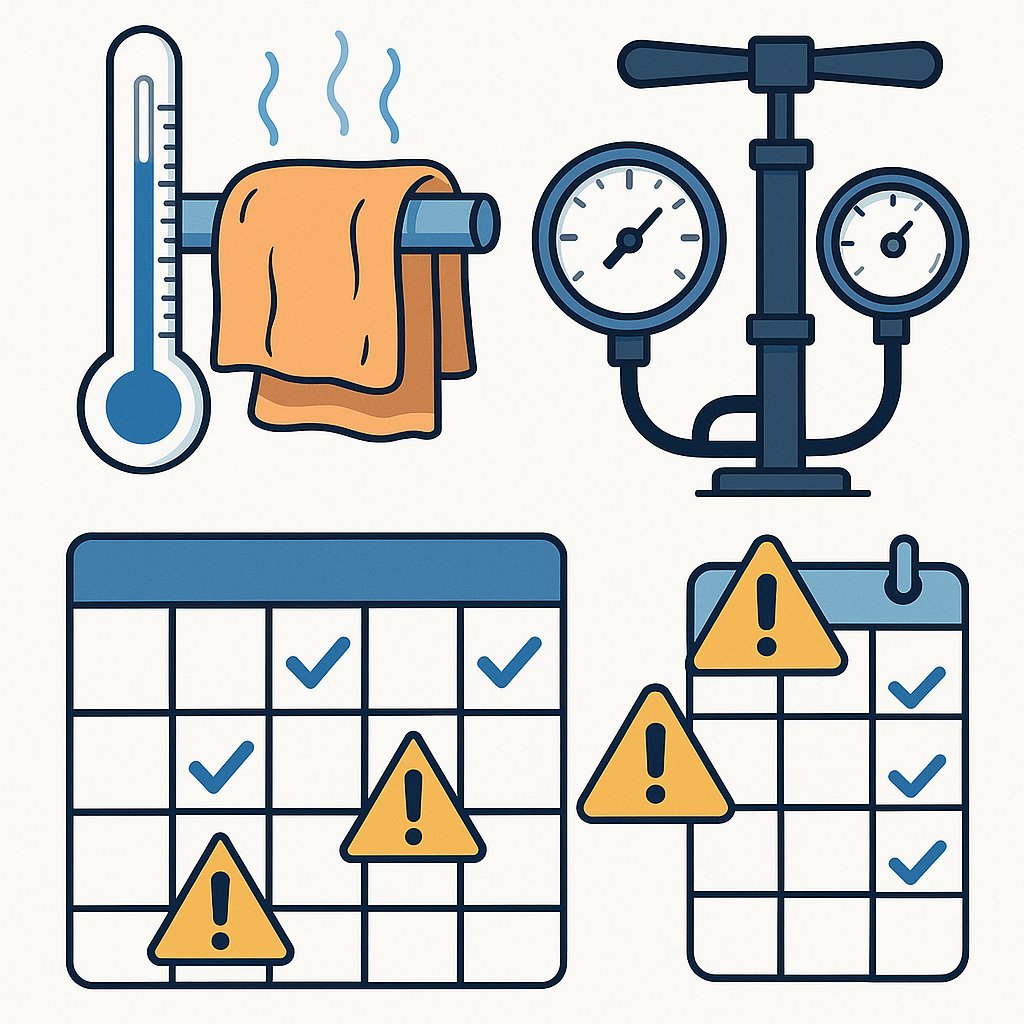
- Warm the tissue first:Apply a warm (not hot) washcloth to the penis and scrotum for 5–10 minutes, or take a warm shower. Gentle heat improves elasticity and blood flow, similar to warming up before a workout.
- Target a semi-erect state:Aim for about 40–60% erection. Fully erect jelqing dramatically increases internal pressure and the risk of damage to the tunica and erectile chambers.
- Empty your bladder:Urinate before starting. This reduces discomfort and the chance of urethral irritation.
- Check your skin:Avoid jelqing if you have cuts, rashes, infections, or irritation. Friction on compromised skin can worsen problems or promote infection.
- Set a time limit in advance:Decide on a maximum duration (for example, 5–10 minutes total). Long, unsupervised sessions often lead to escalating intensity and poor judgment.
Good hygiene is also central to penis health. Wash your hands, ensure nails are trimmed smooth, and clean the shaft gently with warm water and mild soap before and after any session. This lowers the risk of introducing bacteria or yeast, which can cause balanitis, discharge, or other infections described in clinical penis health guides.
Control Pressure, Speed, and Volume to Reduce Injury Risk
Most jelq-related injuries come from excessive pressure and volume. If you continue despite warnings, use the following principles to reduce harm:
- Use light to moderate pressure only:The motion should feel like a firm massage, not a clamp. Sharp pain, pinching, or a feeling of high internal “bursting” pressure means you are squeezing too hard.
- Slow, controlled strokes:Each stroke should take several seconds from base to just before the glans. Fast, jerky motions increase friction and tearing risk.
- Never jelq over the glans:Stop just before the head. The glans has more fragile tissue and dense nerve endings that are easily damaged.
- Limit total repetitions:If you insist on trying, start with a very low number of strokes (for example, 20–40 total) and avoid daily sessions. Allow at least a day off to observe how your penis feels.
- No pain, no weird curve:If you notice sudden bending, a pop, immediate pain, or a rapid loss of erection, stop immediately. These can be signs of serious trauma requiring urgent care.
From a clinical standpoint, there is no evidence that more pressure or more repetitions produce better or faster results, but there is a clear link between mechanical over-stress and tissue damage. When in doubt, less is safer, and stopping entirely is the safest choice.
Lubrication, Oils, and Products: What Helps and What Hurts
Proper lubrication is one of the most practical jelq safety tips because it directly reduces friction on the skin and superficial vessels.
- Use adequate lube:A generous amount of water-based or high-quality silicone-based lubricant can limit rubbing and micro-tears. Reapply as needed—never jelq on dry skin.
- Be cautious with cosmetic oils:Health-oriented sites note that oils marketed for penis enlargement are not supported by solid scientific evidence and can cause irritation, allergic reactions, or clogged pores. Enhanced slickness does not equal safety or growth.
- Avoid numbing creams:Topical anesthetics mask pain signals that would otherwise alert you to over-pressure or injury, increasing risk.
- Skip DIY mixtures and risky additives:Home-made blends, essential oils, or unregulated “growth serums” can inflame the skin or urethra. Burning, redness, or itching are warning signs.
- Watch for signs of infection:Redness, warmth, rash, new odor, discomfort when urinating, or white discharge warrant stopping all exercises and consulting a clinician.
Healthline’s coverage of oils and penis enlargement emphasizes that many topical products are poorly researched and primarily cosmetic. If you choose to use any product, patch-test on a small area first and discontinue at the first sign of irritation.
Scheduling, Rest, and When to Stop Completely
Even mild mechanical stress needs recovery time. Ignoring rest is one of the fastest ways to turn temporary soreness into chronic problems.
- Build in rest days:Avoid jelqing on consecutive days, especially in the beginning. At minimum, alternate days so tissue can recover.
- Short sessions over marathons:Extended sessions over 10–15 minutes increase fatigue and the temptation to use more force when you stop seeing immediate tissue response.
- Monitor morning erections:Healthy, regular morning erections are a key penis health marker. If they weaken, become painful, or disappear after starting jelqing, take this seriously.
- Stop at the first negative change:Persistent soreness, dull ache at the base, new curvature, discoloration, or altered ejaculation are not “growing pains.” They are red flags.
- Know when to seek help:Sudden severe pain, a sharp snapping sensation, rapid swelling or deformity, difficulty urinating, or an erection that will not go down (priapism) all require immediate medical attention.
Medical sources highlight that penile trauma, infections, and conditions like Peyronie disease and priapism should be evaluated promptly. Waiting to see if things “fix themselves” can reduce your options for effective treatment and increase the likelihood of lasting damage.
Safer Alternatives: Penis Extender Use, Lifestyle, and Technique Rethinking
For many men, the healthiest jelq safety tip is to reconsider whether you need to jelq at all. There are more conservative strategies with better safety profiles:
- Medical-grade penis extender or penis stretcher:Extenders apply controlled, low-level traction over long periods. Clinical studies suggest they may help with modest length changes and curvature management when used correctly. If you explore this path, use a reputable device and follow instructions precisely. You can find an official option at the Penimaster PRO store.
- General fitness and cardiovascular health:Cleveland Clinic surveys show men notice better confidence, mood, and sex drive when they exercise, but many do not maintain a routine. Regular physical activity improves blood flow, hormone balance, and erectile function far more reliably than manual penis exercises.
- Weight management and smoking cessation:Obesity, high blood pressure, high cholesterol, and smoking are major risk factors for erectile dysfunction. Addressing these is a cornerstone of mens sexual wellness.
- Evidence-based help for ED or low libido:If your interest in jelq is driven by weaker erections or low desire, speak with a clinician about medically-evaluated treatments, such as PDE5 inhibitors or hormone assessment, rather than relying on manual techniques alone.
- Critically assess supplements and pills:Healthline’s reviews of penis enlargement pills emphasize that many products lack robust clinical data and may interact with other medications. Always discuss supplements with a healthcare provider.
For many men, combining realistic expectations, healthier sex techniq choices, and lifestyle optimization leads to better erections, stronger orgasms, and more satisfying ejaculation without the added risk of aggressive mechanical exercises.
Warning Signs: When Jelq Is Damaging Your Penis Health
One of the most important jelq safety tips is learning to recognize early warning signs and acting on them immediately. Do not push through these signals:
- Skin and surface changes:New dark patches, red or purple spots, blistering, or skin tears.
- New or worsening curvature:A bend during erection that was not there before, or a previously mild curve becoming more pronounced or painful.
- Numbness or altered sensation:Feeling “less sensitive,” tingling, or patchy numb spots along the shaft or glans.
- Changes in erection quality:Weaker, shorter-lasting erections or difficulty achieving an erection compared to your baseline.
- Pain with ejaculation or urination:Burning, sharp pain, or blood in semen or urine.
- Lingering soreness:Ache that lasts more than 24–48 hours after a session, or pain that interferes with daily activities.
Mayo Clinic guidance on penis health stresses talking to a healthcare provider promptly if you notice painful erections, significant curvature, discharge, burning, or bleeding. These are not minor inconveniences; they may signal conditions that need formal diagnosis and treatment. Stopping jelq at the first sign of trouble is essential to protecting long-term function.
FAQ: Common Jelq Safety Questions
Is jelqing safe if I do it “lightly”?
There is no clinical proof that any intensity of jelq is truly safe. Lighter pressure is less risky than intense squeezing, but even gentle jelqing can irritate nerves and vessels. If you choose to try it, use minimal force, limit frequency, and stop at the first sign of pain, swelling, or erection changes.
Can jelqing improve erection quality or ejaculation control?
Anecdotes online claim better erections or delayed ejaculation, but high-quality studies are lacking. What we do know is that regular cardiovascular exercise, healthy weight, good sleep, stress management, and treatment of underlying medical issues have strong evidence for improving erectile function and sexual confidence.
How does a penis extender compare to jelqing for safety?
Medical-grade penis extender devices apply controlled traction with defined force ranges and usage times. While not risk-free, they have been studied more than jelqing and are often used under medical supervision, especially for curvature or post-surgical rehabilitation. Jelqing, by contrast, is hard to standardize, making over-pressure and injury more likely.
What should I do if I notice new curvature or pain after jelqing?
Stop all manual exercises immediately. Monitor erections and pain over a few days. If curvature, pain, or difficulty with intercourse persists, or if erections become weaker, seek evaluation from a urologist or other qualified clinician. Early assessment can help identify treatable conditions like Peyronie disease or significant tissue injury.
Are penis enlargement pills safer than jelqing?
“Safer” is not guaranteed. Many pills marketed for enlargement are poorly regulated, may contain undisclosed ingredients, and can interact with other medications. Healthline and similar sources caution that most have limited scientific backing. Any supplement plan should be discussed with a healthcare provider. Improving diet, activity, and addressing medical issues is usually more effective for mens sexual wellness than relying on pills.
Can I combine jelqing with a penis stretcher or other tools?
Stacking multiple stressors—like jelqing, vacuum devices, and a penis stretcher—significantly increases injury risk. If a clinician recommends a specific device protocol, follow that alone and avoid adding manual techniques unless explicitly cleared by your provider. More intensity does not equal more growth; it usually equals more risk.
Conclusion: Prioritize Long-Term Penis Health Over Aggressive Techniques
Jelqing sits at the risky edge of mens sexual wellness. The practice has minimal evidence for effectiveness and a clear potential to damage the delicate structures responsible for sensation, erections, and ejaculation. If you decide to experiment despite these concerns, the safest course is to use conservative pressure, keep sessions short, apply plenty of lubrication, take regular rest days, and stop immediately at any sign of pain, swelling, or function change.
However, the most evidence-based strategy is to focus on overall health: exercise regularly, manage weight and blood pressure, avoid smoking, limit heavy alcohol use, and seek professional help for erectile dysfunction, low desire, or curvature. If you are considering mechanical approaches, a medical-grade penis extender used as directed is generally safer and better studied than unstructured manual exercises.
Your long-term penis health matters more than any perceived size gains. Making cautious, informed choices today protects your ability to enjoy satisfying sex, strong erections, and comfortable ejaculation for years to come.
Related Reading
- Jelq + Penis Stretcher Stacking: Evidence‑Informed Protocols, Recovery Windows, and When Combination Routines Backfire
- Jelq Safety Tips: How to Reduce Real-World Risk Before, During, and After Training
- Jelq Safety Tips: Practical Ways to Protect Your Penis When You Experiment

Post Comment