Jelq Safety Tips: Damage Limits, Recovery Windows, and When to Stop Completely
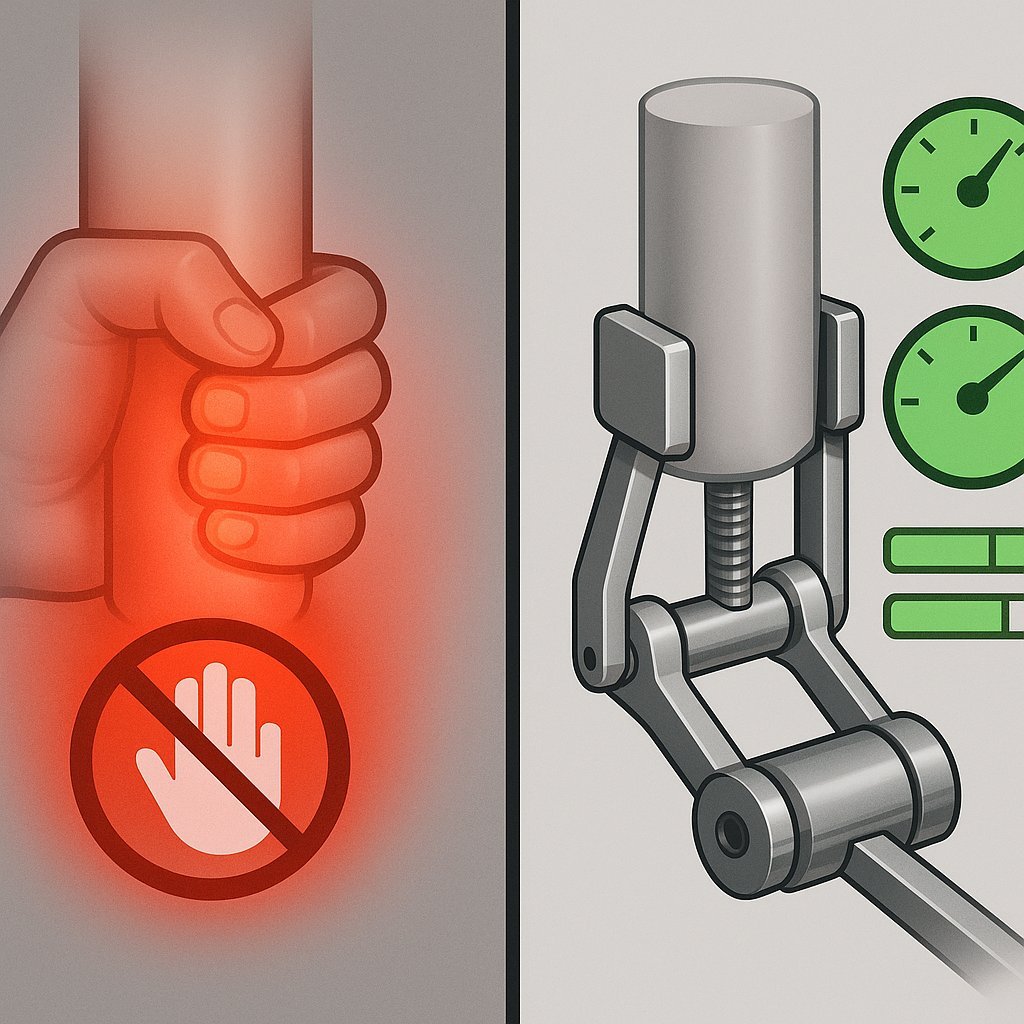
Table of Contents
- Overview: Why Jelq Safety Has to Come Before Size
- Damage Limits: How Hard, How Long, and How Often Before It Becomes Unsafe
- Recovery Windows: How Long to Rest After Soreness, Bruising, or Numbness
- When to Stop Completely: Clear Red Lines for Jelqing
- Switching to Safer Tools and Strategies: Extenders, Technique, and Whole-Body Sexual Health
- Conclusion: Protect Function First, Experiment Second
- FAQ
Overview: Why Jelq Safety Has to Come Before Size
Expert Insight: According to WebMD (https://www.webmd.com/men/jelqing), jelqing is a penis-stretching technique promoted online for enlargement, but most men who pursue it because they feel “too small” are actually within the average erect length of about 5 inches (13 cm). (www.webmd.com)
Jelqing is promoted online as a manual stretching exercise to increase penis size by pushing blood along the shaft and creating microtears in tissue. But there is no solid clinical evidence that jelq routines permanently enlarge the penis, and medical sources warn that pulling and stretching can damage skin, blood vessels, and deeper structures over time.
If you choose to jelq anyway, safety has to be your first priority. This means respecting clear damage limits, understanding realistic recovery windows, and knowing when to stop completely before you turn a temporary strain into Peyronie's disease, erectile dysfunction, or chronic pain.

This guide focuses on practical risk control inside a broader mens sexual wellness context. You'll learn how much mechanical stress is too much, how long to rest after soreness or bruising, how jelqing can affect erections and ejaculation, and when it's smarter to switch to a controlled penis extender or penis stretcher instead of forcing more intense manual sessions.
Damage Limits: How Hard, How Long, and How Often Before It Becomes Unsafe
The penis is not a biceps. The tissues you're loading during jelq are mostly smooth muscle, vascular spaces, nerves, and a relatively thin skin layer. That means damage shows up faster and heals more slowly than most people expect. Setting conservative damage limits reduces the risk of permanent problems.
1. Pressure and grip intensity
- Safe-ish range: Light to moderate pressure where you can feel blood moving forward but no sharp pain, burning, or numbness.
- Unsafe range: Any grip that leaves deep dents, "track marks," or makes the glans (head) turn dark purple, grey, or cold. That suggests blood flow restriction or vessel damage.
- Immediate stop: Sudden pain, a popping sensation, instant loss of erection, or rapid swelling on one side of the shaft.
2. Time per session
- Beginner upper limit: 5–10 minutes of jelq strokes, once per day, only if there are zero negative symptoms in the next 24 hours.
- Intermediate cap (if you have months of injury-free practice): 10–20 minutes per day, maximum.
- Red flag: Doing "marathon" sessions of 30–60 minutes, stacking multiple sessions in one day, or doubling time every week. That pattern correlates with bruising, skin tears, and later curvature.
3. Frequency per week
- Conservative ceiling: 3–5 days per week with at least one full rest day between longer sessions.
- Never: Treating jelq like daily cardio where "more is better." Penile tissue does not adapt the same way skeletal muscle does.
4. Erection level while jelqing
- Safer range: "Plump," semi-erect (about 30–60% hard). The shaft should be flexible and bendable.
- Danger zone: Near-full or rock-hard erections. Pressure spikes dramatically and raises the risk of tearing vessels or causing a tunica (sheath) injury.
- Rule: If you become fully erect, stop, let it relax, and do not power through.
5. Pain and color-change thresholds
- Stop immediately if you notice: sudden sharp pain, stabbing or burning sensations, spreading dark bruises, blistering, or a "cold spot" on the shaft or glans.
- Do not jelq again until the skin color, temperature, and sensation feel normal for at least several days in a row.
Within mens sexual wellness, a simple rule protects you: if you'd be horrified to see the same level of damage on your face or hands, it's too much for your penis. No size goal is worth trading for permanent nerve loss or curvature.
Recovery Windows: How Long to Rest After Soreness, Bruising, or Numbness
Most jelq-related injuries begin as minor: mild soreness, small bruises, or temporary changes in sensitivity. The way you handle these early signals determines whether you recover fully or move toward chronic damage. Respecting recovery windows is as important as respecting damage limits.
1. Mild soreness and fatigue
- Typical signs: Dull ache after a session, light sensitivity when touched, slight "worked" feeling similar to a gym session.
- Rest window: At least 48–72 hours with no jelq and no other stretching devices.
- When it's OK to resume: When your penis feels completely normal at rest and during gentle touch, and erections are the same quality as before.
2. Surface bruising and red spots (petechiae)
- Typical signs: Small red dots, streaks, or localized darker patches; no severe pain but visible damage.
- Rest window: Minimum 1–2 weeks with zero jelq or intense sexual activity. Allow any visible mark to fade fully.
- Safety check: If new bruises appear with normal sex or light masturbation, stop all mechanical stress and speak to a clinician.
3. Skin irritation, cracking, or swelling
- Typical signs: Dry cracking skin, chafing, swelling, or inflamed patches from friction or overuse of lube.
- Rest window: 2+ weeks, plus better lubrication and gentler technique if you ever restart.
- Medical help: See a professional if there is infection (pus, warmth, fever), open sores, or swelling that doesn't begin to improve in 24–48 hours.
4. Numbness, tingling, or reduced sensitivity
- Typical signs: "Dead" feeling skin, buzzing sensations, delayed or absent pleasure during touch or ejaculation.
- Rest window: Immediate and complete stop for at least 4–6 weeks, often longer.
- Non-negotiable: Any loss of sensation is a serious warning. If it's not clearly improving within a week, consult a urologist or sexual medicine specialist.
5. Curvature, hard plaques, or change in erection shape
- Typical signs: A new bend during erection, a hard "knot" or ridge under the skin, pain when getting hard.
- Rest window: Stop jelq permanently until you've been fully evaluated for Peyronie's disease or other structural damage.
- Urgency: Early management can sometimes limit curvature. Delaying professional care can lock in deformity and pain.
Within a healthy mens sexual wellness plan, any recovery period is also a chance to reset: improve sleep, manage stress, support circulation with general fitness, and re-focus on pleasurable, non-pressured sexual contact rather than constant "growth work."
When to Stop Completely: Clear Red Lines for Jelqing
There are times when "dialing back" jelq isn't enough. Continuing in the face of certain symptoms risks permanent injury. Setting non-negotiable red lines protects erection quality, ejaculation, and overall confidence in the bedroom.
1. Persistent erection or ejaculation changes
- Stop jelq indefinitely if you notice: weaker erections, difficulty staying hard, new bending during erection, or delayed, painful, or "empty" ejaculation that continues for more than 2–4 weeks after you stop.
- Why: These can signal damage to blood vessels, nerves, or the tunica, not just "temporary fatigue."
2. Repeated injuries at lower intensity
- Pattern: Even when you use lighter pressure and shorter sessions, you still bruise, develop red spots, or feel nerve tingling.
- Interpretation: Your tissue tolerance may simply be low. Genetics, age, and prior trauma all play a role.
- Action: Treat repeated minor injuries as a sign to quit jelq and consider alternative approaches like medical-grade traction, counseling around body image, or focusing on sexual technique instead of size.
3. Sign of evolving Peyronie's disease
- Red flags: A new curve, a palpable lump or plaque, shortening of the penis, or painful erections.
- Response: Stop all jelq and any DIY penis stretcher immediately and see a urologist. Some structured stretching is used medically for Peyronie's, but that is supervised and not the same as unsupervised jelqing.
4. Emotional and relationship fallout
- Warning signs: Obsessive checking of size, avoiding partners because you feel "too small," sex feeling like a "test" of jelq results, or fights with partners about time spent on routines instead of intimacy.
- Why it matters: Men often start jelqing due to anxiety about size, not a true medical problem. If the practice makes sex less enjoyable or increases anxiety, it is undermining mens sexual wellness rather than helping it.
- Solution: Stop jelq, work with a therapist or sexual counselor if needed, and put attention into communication, arousal, and sex techniq that actually boosts mutual pleasure.
5. Doctor or specialist advice against jelq
- Clear rule: If a qualified clinician who understands sexual medicine advises you to stop, respect that boundary. They may see risk factors you don't.
- Alternate focus: Explore medical evaluation for hormone balance, vascular health, or psychological support instead of more mechanical stress.
Stopping completely is not "giving up"; it's protecting your long-term capacity for pleasurable erections and satisfying ejaculation, which matters far more than a theoretical extra half-inch.
Switching to Safer Tools and Strategies: Extenders, Technique, and Whole-Body Sexual Health
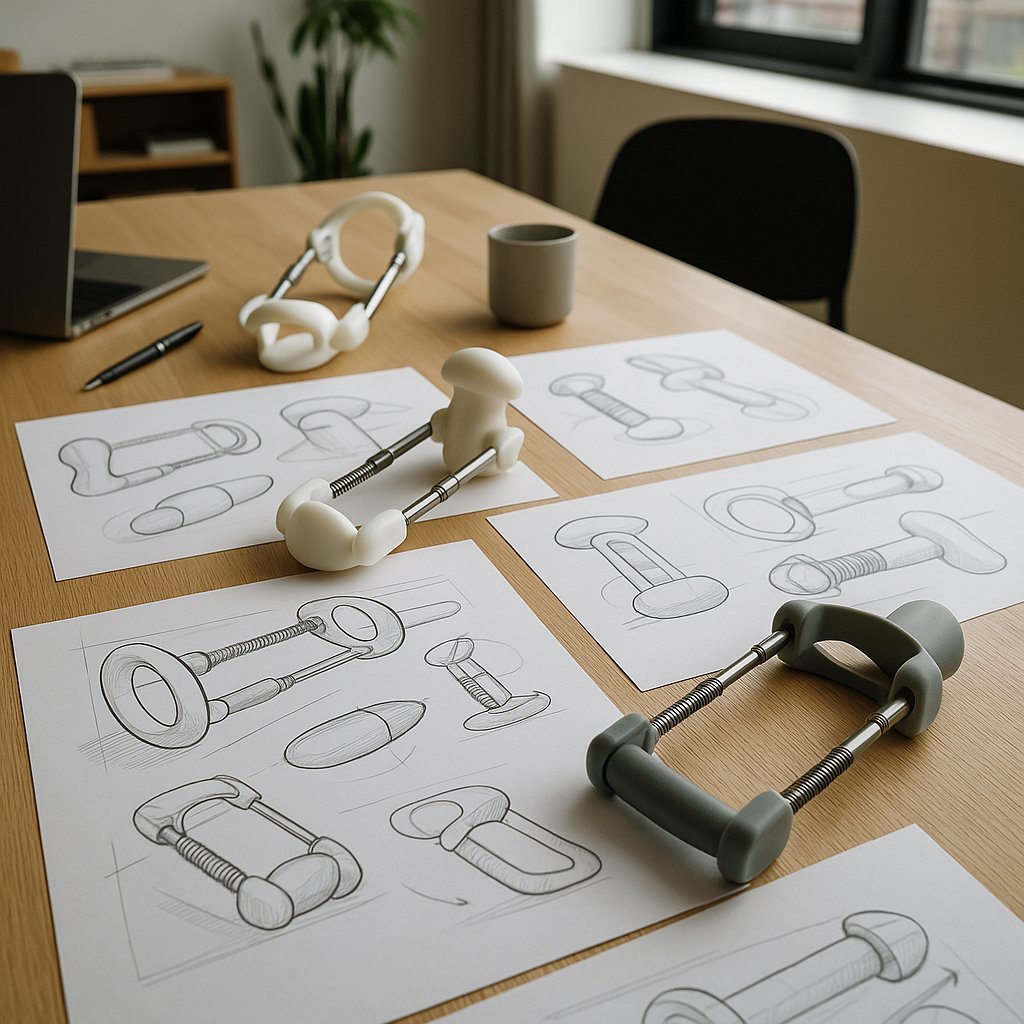
If you've hit your jelq safety limits or just want a more controlled approach, you have options. Some men transition to a penis extender or penis stretcher, while others double down on sexual skill and health instead of length. The safest plan usually blends both.
1. Using a penis extender more safely
- What it does: A medical-grade extender applies gentle, consistent traction over hours rather than intense, short bursts like jelqing.
- Evidence: Studies suggest extenders can add small amounts of flaccid length over months, but results are modest and require strict consistency.
- Safety basics: Start at the lowest tension, follow manufacturer instructions exactly, check skin circulation frequently, and stop at the first sign of pain, numbness, or skin breakdown.
2. When an extender is a better choice than more jelq
- You're injury-prone with manual work even at low intensity.
- You prefer a measurable, adjustable device over guessing pressure with your hands.
- You're willing to trade "intensity" for long, gentle sessions with close monitoring.
3. One change at a time
- Do not combine high-volume jelq with aggressive extender use.
- Any time you add or upgrade a device, suspend jelq for several weeks and see how your body responds before layering anything else.
4. Sex technique over size chasing
- Partner pleasure is far more sensitive to arousal, rhythm, communication, and foreplay than to small differences in size.
- Improving sex techniq – oral skills, pacing, changing angles and positions, and learning how to control arousal and ejaculation – usually has a larger impact on satisfaction than another centimeter of length.
- Investing in education, honest talks with your partner, and exploring what actually feels good can radically upgrade your sex life with zero risk of tissue damage.
5. Whole-body mens sexual wellness
- Circulation: Cardio fitness, healthy blood pressure, and not smoking improve erections more reliably than any jelq routine.
- Hormones: Sleep, stress reduction, and balanced nutrition support testosterone and libido.
- Mindset: Address body image and anxiety so your self-worth isn't chained to a ruler.
If you decide that a traction device aligns better with your goals than continued jelqing, consider starting with an established, medical-style system rather than random gadgets. You can explore options via the official store at this penis extender and traction device shop, and then discuss your plan with a clinician who understands sexual medicine.
Conclusion: Protect Function First, Experiment Second
Jelqing sits in a grey zone: heavily promoted online, not supported by strong clinical evidence, and clearly capable of causing real harm when men push too hard. Respecting damage limits, taking recovery windows seriously, and honoring clear red lines for stopping completely are non-negotiable if you choose to experiment.
Long-term erections, pleasurable sensation, and satisfying ejaculation are the real foundation of mens sexual wellness. If jelq begins to threaten any of those pillars – or if it starts to dominate your thoughts more than actual intimacy – that's your cue to step back.
Whether you pause, stop for good, or switch to a carefully used penis stretcher or extender, keep one principle at the center: your penis is not a project; it's part of your body, your identity, and your sex life. Protect its function first. Any size or performance gains should be a bonus, never a gamble with your long-term health.
FAQ
Q: How much jelqing is generally considered a safe starting volume?
A: For most men, a conservative start is 5–10 minutes of light jelqing, 3 times per week, with at least one rest day between sessions. Focus more on gentle technique and blood flow than on squeezing hard or racking up high repetition counts.
Q: What are the earliest warning signs that jelqing is causing damage?
A: Early red flags include dull aching, reduced erection quality, dark or blotchy discoloration, cold sensations, or tingling that lingers after a session. If any of these show up, you should stop immediately and rest until everything feels and functions completely normal again.
Q: How long should I rest and recover after a mild jelqing injury?
A: For minor strain without sharp pain or deformity, many men need at least 7–14 days of full rest from all PE work, masturbation, and sex. Only resume when erections, sensation, and appearance are fully back to baseline, then restart at a much lower intensity and frequency.
Q: Can I combine jelqing with a penis extender safely?
A: Combining them is higher stress, so volume and tension must be reduced. If you use an extender, keep jelqing sessions very short, avoid doing both back‑to‑back, and prioritize days off so your tissues have time to adapt instead of being under constant load.
Q: When should I stop jelqing completely and not restart?
A: Stop for good if you experience recurring erectile problems, noticeable curvature or deformity, persistent loss of sensitivity, or pain that returns every time you resume, even at low intensity. At that point, the risk of further damage outweighs any potential benefit, and your focus should shift to long‑term sexual health and function instead of more manual training.


Post Comment