Beginner Extender Routine: A 6‑Week Minimum‑Effective‑Dose Plan for Safer Wear Time and Tension

Table of Contents
- Overview: Why a Minimum‑Effective‑Dose Extender Plan Matters
- Safety First: Screening, Setup, and Red‑Flag Symptoms
- The 6‑Week Minimum‑Effective‑Dose Extender Progression
- Integrating Extenders With Jelq, Erections, and Ejaculation Control
- Long‑Term Strategy, Device Choice, and When to Stop
- FAQ
Overview: Why a Minimum‑Effective‑Dose Extender Plan Matters
Expert Insight: According to Mayo Clinic, most advertised nonsurgical penis-enlargement methods (pills, pumps, weights, exercises) lack scientific support and can even cause harm, and reputable medical organizations do not endorse penile surgery for cosmetic enlargement alone (https://www.mayoclinic.org/healthy-lifestyle/sexual-health/in-depth/penis/art-20045363). The article also notes that an erect penis measuring about 5 inches (13 cm) or longer is considered a typical size. (www.mayoclinic.org)

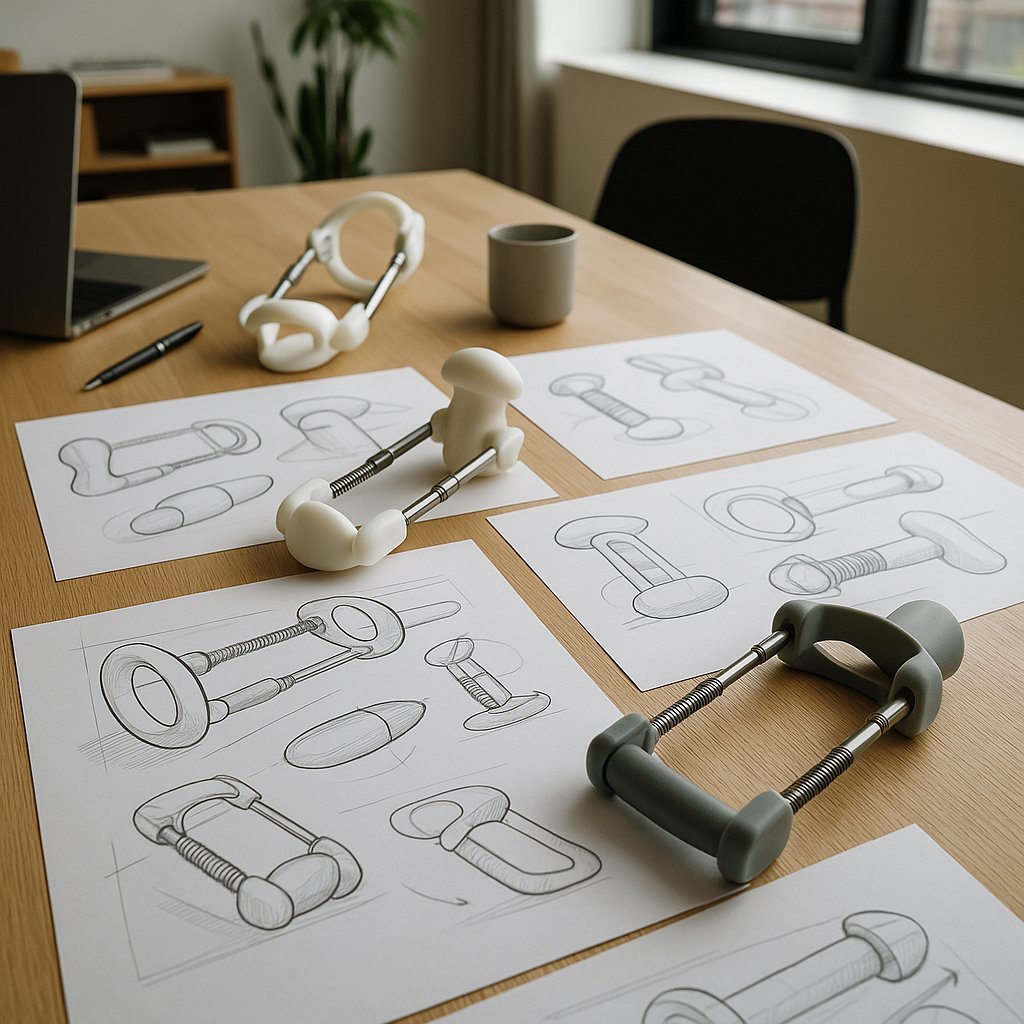
Most marketing around a penis extender or penis stretcher promises dramatic growth if you wear devices 6 to 9 hours every day. But medical guidance around training, stretching, and physical therapy points to a different truth: your tissues respond best to gradual, consistent, well‑recovered loading, not punishment. A minimum‑effective‑dose routine focuses on the lowest stress that still stimulates adaptation.
Small clinical studies on penile traction show possible length gains with several hours of daily use over months. At the same time, major organizations like Mayo Clinic emphasize that non‑surgical enlargement methods have limited evidence, can be uncomfortable, and may cause damage if pushed too hard. That means if you experiment, you should treat traction like a careful rehab program, not a macho challenge.

This 6‑week beginner plan is built around four principles drawn from strength training, sports medicine, and physical therapy:
- Progressive load: start with very low wear times and mild tension; increase only after your tissues tolerate the previous step.
- Recovery: schedule rest windows each day and lighter days each week to let micro‑irritation calm down.
- Pain‑free range: no sharp pain, burning, or persistent numbness; any sign of tissue overload is a stop signal.
- Whole‑person mens sexual wellness: traction is just one optional tool. Erections, ejaculation control, sex techniq, communication, and mental health matter more than chasing millimeters.
This article assumes you are otherwise healthy, not on blood‑thinning medication, and have no penile curvature, Peyronie’s disease, or history of major penile trauma. If you do, you should see a urologist before using traction or jelq techniques.
Safety First: Screening, Setup, and Red‑Flag Symptoms
Before starting any penis stretcher routine, treat it the way sports medicine treats a new training block: screen for risks, learn basic technique, and define clear criteria for stopping.
Who should talk to a clinician first
- Men with a history of significant penile injury, surgery, or severe curvature.
- Men with uncontrolled diabetes, vascular disease, or bleeding disorders.
- Men taking anticoagulants or drugs that affect healing and circulation.
- Anyone whose main concern is anxiety about normal penis size rather than a diagnosed condition.
A urologist or a sexual‑health‑aware primary care clinician can confirm your baseline health, address body‑image concerns, and help rule out causes of pain, weak erections, or low libido that a device will not fix.
Safe baseline checks before each session
- Skin: no open cuts, sores, rashes, or blisters on the shaft or glans.
- Circulation: normal color and warmth; no cold, pale, or bluish areas at rest.
- Sensation: normal feeling to light touch along the shaft and glans.
- Erection function: you can still achieve and maintain erections suitable for intercourse or masturbation.
Red‑flag symptoms: stop immediately and seek medical advice if you notice
- Sudden loss of sensation or ongoing numbness after removing the device.
- Dark purple or black discoloration that does not resolve quickly once you release tension.
- Severe pain, especially sharp pain inside the shaft or at the base.
- Noticeable deformity, strong new curvature, or a palpable hard lump in the shaft.
- Difficulty achieving erections that persists for more than a few days after stopping.
Setup basics to keep tension safer
- Warmth: use a warm shower or warm cloth compress for 5–10 minutes beforehand to encourage blood flow and tissue elasticity.
- Neutral erection state: fit the extender when flaccid or slightly fuller than flaccid, not fully erect.
- Even support: distribute pressure across the glans or shaft using the manufacturer’s support pieces; avoid thin, cutting contact points.
- Check circulation: every 10–15 minutes briefly release, inspect color, and confirm normal feeling returns quickly.
Approach traction like you would a new weight‑training program or physical therapy protocol: if you have to ask, “Is this too much?” it probably is, especially in the first few weeks.
The 6‑Week Minimum‑Effective‑Dose Extender Progression
This progression assumes daily or near‑daily access to a penis extender and a flexible schedule. The goal is not maximum hours; it is to discover what your tissues tolerate without compromising comfort, erections, or sensation.
General rules for all weeks
- Intensity: tension should feel like a firm, steady stretch—not pain, burning, or pinching.
- Session breaks: for every 30–45 minutes of wear, take at least 5–10 minutes off.
- Weekly deload: one lighter‑load day (half the usual total time) and at least one full rest day per week.
- Adaptation check: if you feel sore, overly sensitive, or notice weaker erections, hold or reduce load instead of progressing.
Weeks 1–2: Familiarization and tissue awakening
- Target daily wear: 30–60 minutes total.
- Session structure: 2–3 mini sessions of 10–20 minutes each, separated by at least an hour.
- Tension: use the lowest available setting or the shortest rod length that produces a mild stretch.
- Focus: learn to put the device on and off quickly, avoid slippage, and monitor circulation.
If you experience any pinching, discoloration, or numbness, end the session and reassess fit or padding. Many beginners discover that extremely low tension still feels like plenty during these first days.
Weeks 3–4: Building consistent wear time
- Target daily wear: 60–90 minutes total if Weeks 1–2 were well tolerated.
- Session structure: 3 sessions of 20–30 minutes.
- Tension: gradually increase toward a moderate stretch—noticeable but not distracting while you sit, read, or work.
- Lighter day: one day each week at about 45 minutes total wear time.
Track your experience: very mild temporary redness or a sense of “worked” tissue that fades within an hour can be normal; ongoing soreness, tenderness to touch, or reduced erection quality means you should step back to Week‑1 levels and consider a few full rest days.
Weeks 5–6: Testing your personal ceiling
- Target daily wear: 90–120 minutes total, only if prior weeks felt easy and you remain symptom‑free.
- Session structure: 3–4 sessions of 20–30 minutes, or 2 longer sessions of 30–45 minutes if comfort allows.
- Tension: bump up slightly again, but stop before you feel tempted to grit your teeth through discomfort.
- Recovery focus: prioritize sleep, hydration, and one full rest day; drop back to Week‑3 levels at any sign of overuse.
By the end of Week 6, you should know roughly how much wear time and tension your body tolerates without side effects. That information is far more valuable for long‑term mens sexual wellness than rushing toward big numbers you cannot sustain. If you decide to continue beyond six weeks, consider this phase your personal “testing block” and stick to loads that felt comfortable here.
Integrating Extenders With Jelq, Erections, and Ejaculation Control
Curiosity about a penis extender often comes packaged with questions about jelq techniques, sex techniq, and ejaculation control. It is tempting to stack everything at once, but combining aggressive jelqing and high‑tension traction is one of the fastest ways to irritate delicate tissue.
Extender plus jelq: a cautious pairing
- Do not start both as a beginner: new to all of this? Run the 6‑week extender routine on its own first.
- If you already jelq: reduce intensity and frequency when you introduce traction—think of it like reducing heavy lifting when you add a new running program.
- Timing in the day: if you combine them later on, space jelqing and traction by at least several hours, and keep jelq pressure moderate, never painful.
Mayo Clinic notes that jelqing can cause scar tissue, pain, and disfigurement. What matters most is staying below a threshold that your tissues can recover from. Traction is already a form of soft‑tissue loading; heavy jelq sessions on top can exceed that threshold quickly.
Erections and sexual function as your primary performance metrics
- If morning erections weaken or disappear for more than a few days, you are likely overdoing it and should cut volume or stop.
- If erection angle or shape changes unexpectedly, get evaluated by a clinician—do not just “push through.”
- Changes in sensitivity or orgasm quality can signal irritation, especially if you feel numbness or burning.
Ejaculation control and sex techniq
Many men quietly hope that traction work will spill over into better sex techniq or improved ejaculation control. The reality: devices do not teach your brain or pelvic floor how to coordinate arousal, erections, and orgasm. That training comes from:
- Intentional practice: edging, stop‑start, or squeeze methods done gently and mindfully.
- Communication: discussing pacing, stimulation, and positions with your partner.
- Pelvic floor conditioning: guided by pelvic‑health‑informed clinicians when possible, similar to how physical therapy builds control in other muscle groups.
Treat the extender as one optional physical input, not the centerpiece of your sex life. Strong, responsive erections, good ejaculatory control, and adaptable sex techniq will matter far more for you and any partners than marginal changes in length.
Long‑Term Strategy, Device Choice, and When to Stop
After six weeks of minimum‑effective‑dose traction, you face a strategic decision: continue, hold steady, or stop. The best choice depends on your risk tolerance, physical response, and broader mens sexual wellness goals.
How to evaluate whether continuing makes sense
- Body response: no persistent soreness, normal erections, and stable sensitivity are prerequisites for moving on.
- Psychological impact: if tracking millimeters is increasing anxiety or obsession, consider stepping away—even if your body feels fine.
- Lifestyle fit: sustainable routines feel almost boring. If every session is a battle with your schedule, long‑term adherence is unlikely.
Scientific data for traction are still limited; there are no guarantees about results. The realistic best‑case scenario is modest length change over months of consistent, safe use. The worst‑case scenario is injury, pain, or lasting changes in erectile function or appearance. Those trade‑offs need to be weighed honestly.
Choosing and using a penis stretcher responsibly
- Look for devices from established manufacturers that clearly explain tension adjustment, safe wear limits, and cleaning.
- Avoid products that promise dramatic gains in a few weeks or encourage extreme tension or marathon daily wear from day one.
- Be wary of combining extenders with unregulated pills or injections marketed for “growth.” Many of these have unknown or risky ingredients.
If you decide to purchase a traction device, consider using an official‑store source such as the manufacturer’s shop at this affiliate link to a dedicated extender store so you can access proper instructions, replacement parts, and support.
Clear reasons to stop or pull back
- Any ongoing pain, distortion, or erection changes—even if they seem minor at first.
- Rising anxiety, body‑image distress, or relationship tension fueled by constant focus on size.
- New or worsening curvature, which could indicate Peyronie’s disease or other structural issues.
Stopping does not mean you have failed. It means you are prioritizing the long‑term function and pleasure of your penis, which is the real core of sexual health. Your time and effort may be better spent on fitness, sleep, mental health, relationship skills, or learning more satisfying ways to connect during sex.
Conclusion: Minimum dose, maximum respect for your body
A 6‑week, minimum‑effective‑dose extender routine helps you test traction safely instead of chasing extreme wear times. By ramping tension and duration slowly, watching for warning signs, and centering erection quality and comfort, you respect both the limits and the potential of your body. Extenders, jelq, and other tools are optional. Protecting sensation, function, and confidence is not. Any size‑focused experiment should serve your larger mens sexual wellness goals, not replace them.
FAQ
Q: What makes this 6-week penis extender routine “minimum effective dose”?
A: It focuses on the lowest amount of wear time and tension that can still help your body adapt to traction. Instead of chasing long daily sessions right away, you slowly add time and gentle tension so you can build consistency and reduce the risk of setbacks.
Q: How many days per week should a beginner use an extender on this plan?
A: Most beginners do well starting with 4–5 days per week, then working up to more frequent use as they adapt. Built-in rest days help tissues recover and make it easier to stay consistent over the full 6 weeks.
Q: Can I combine this extender routine with jelqing or pumping?
A: Yes, but it’s smart to keep other techniques low-volume while you’re still adapting to traction. Start by treating the extender as your main focus, then slowly layer in light jelqing or short, low-pressure pump sessions once you’re comfortable with the base routine.
Q: How do I know if the tension is set correctly as a beginner?
A: In the beginning, tension should feel like a steady stretch, not sharp pain or strong throbbing. If you can wear the device for the planned time without needing constant breaks or feeling sore afterward, you’re probably in the right range.
Q: What should I do if I miss a few days during the 6-week plan?
A: Simply pick up where you left off instead of jumping ahead in time or tension. If the break was more than a week, it’s safer to drop back a level in wear time and rebuild gradually so your tissues can readapt.



Post Comment