Beginner Extender Routine: A 6‑Week Minimum‑Effective‑Dose Plan for Safer Wear Time and Tension
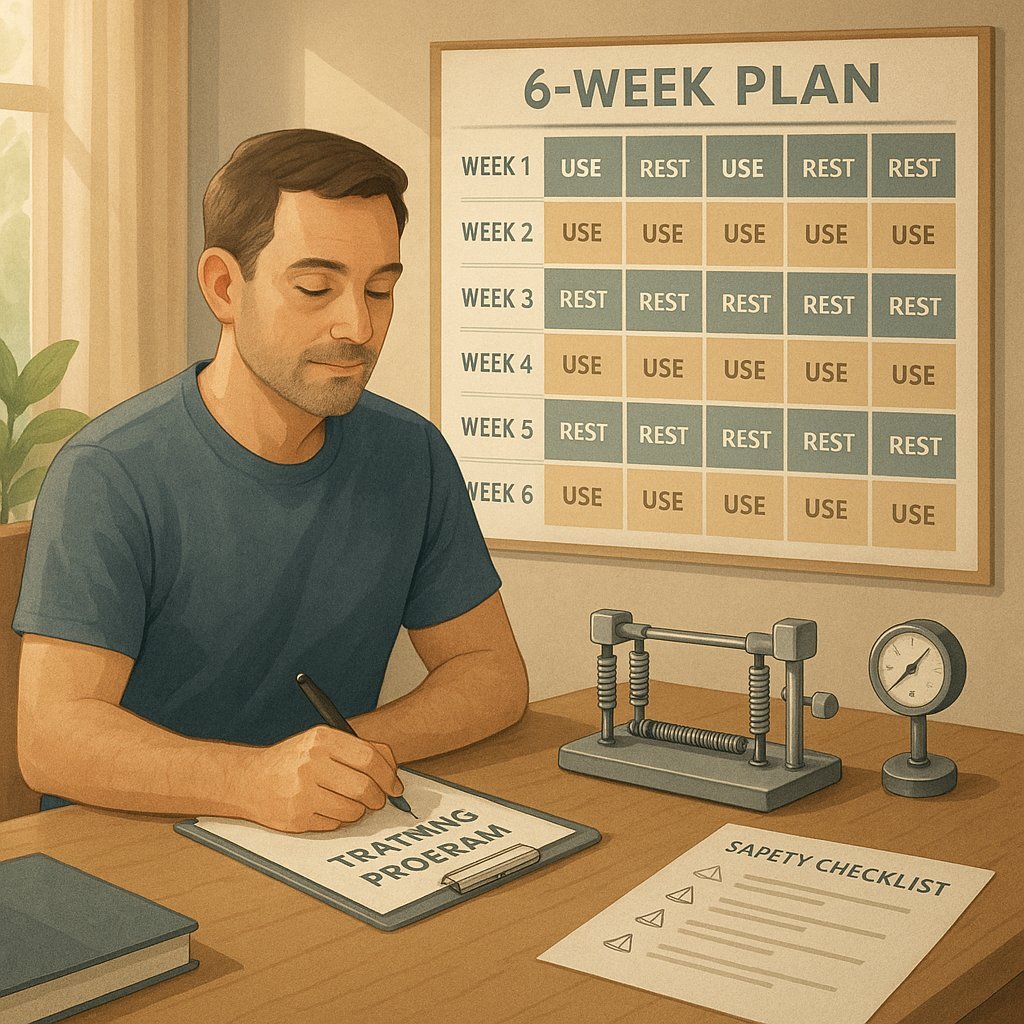
Table of Contents
- Overview: Why a Minimum‑Effective‑Dose Extender Plan Matters
- Safety First: Ground Rules Before You Start Any Penis Stretcher Routine
- Weeks 1–2: Adaptation Phase with Minimal Wear Time and Low Tension
- Weeks 3–4: Building Volume Slowly While Protecting Sensation and Function
- Weeks 5–6: Minimum‑Effective “Working Dose” and Long‑Term Strategy
- Conclusion: Making Extender Use Serve Your Sexual Health, Not Undermine It
- FAQ
Overview: Why a Minimum‑Effective‑Dose Extender Plan Matters
Expert Insight: According to WebMD (https://www.webmd.com/men/jelqing), jelqing is a stretching technique intended to enlarge the penis by pushing blood toward the tip and stretching internal tissue and skin, but most men who worry their penis is too small are actually at least average size (about 5 inches or 13 centimeters when erect). (www.webmd.com)

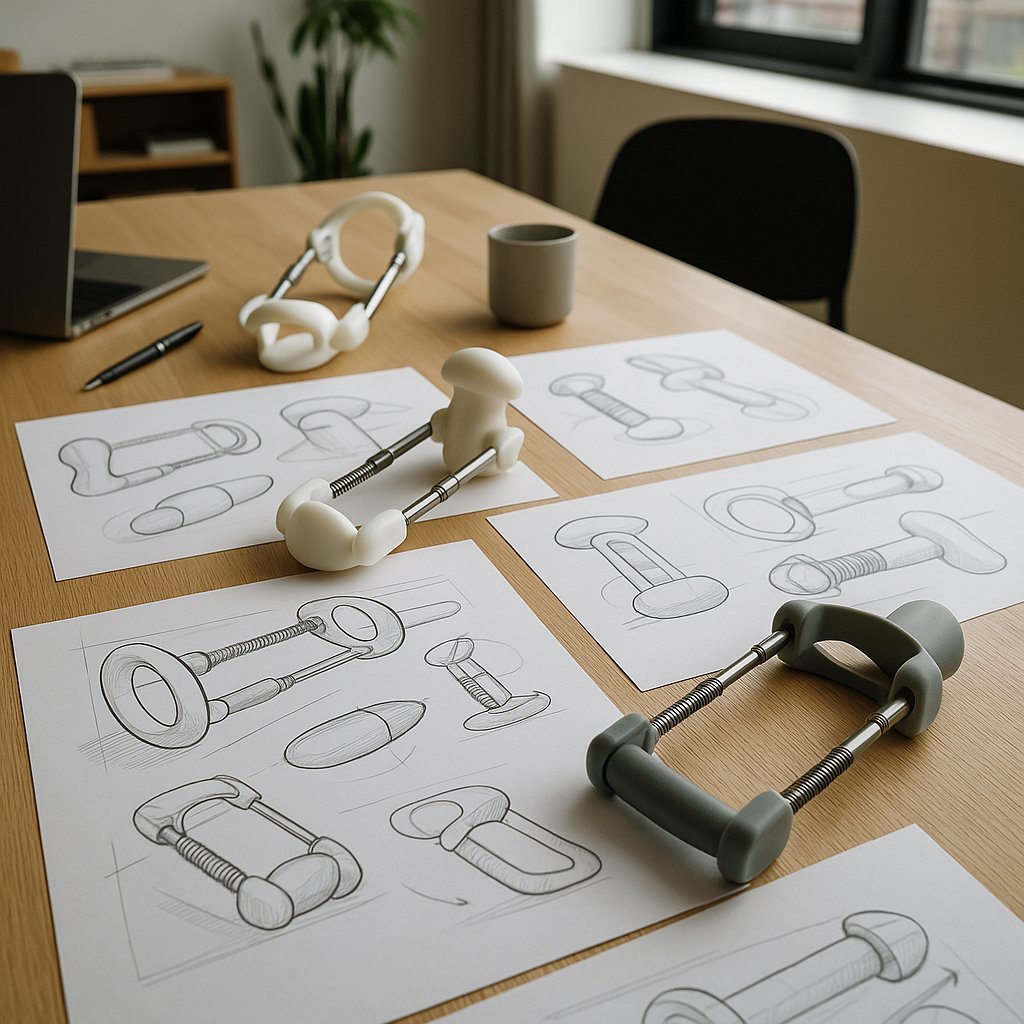
Penis extenders (also called a penis stretcher or penile traction device) use low, steady tension to hold the penis in a stretched position for hours at a time. Small clinical studies suggest they may add modest flaccid length over months, but medical sources emphasize that results are limited and devices must be worn for several hours a day with careful attention to safety.
For beginners focused on men’s sexual wellness, the main risk is doing too much, too fast. Extenders act a bit like orthopedic splints: they immobilize and stretch tissue, and overuse can damage skin, nerves, and blood flow. A minimum‑effective‑dose routine aims to:

- Introduce your penis gradually to traction, instead of jumping to all‑day wear.
- Limit tension so you can learn how your body responds before you increase anything.
- Protect erection quality and ejaculation control while you experiment.
- Give you clear rules for stopping, deloading, or taking a full break when needed.
This 6‑week plan is not a promise of size changes. It is a structured, conservative way to explore a penis extender while treating your penis like a joint or muscle in early training: low volume, slow progression, and high respect for warning signs.
Safety First: Ground Rules Before You Start Any Penis Stretcher Routine
Before you follow any 6‑week routine, lock in safety principles. Medical organizations highlight that many enlargement methods (including jelq and injections) lack strong evidence and can cause harm. Extenders share some of these risks if misused, so your plan needs clear boundaries.
1. Talk to a qualified clinician if you have medical issues
- See a urologist or men’s health clinician first if you have Peyronie’s disease, prior penis trauma, surgery, diabetes, vascular disease, or ongoing erectile dysfunction.
- If you are considering surgery for length or girth, major centers emphasize that operations carry infection, scarring, and sensation risks. A conservative traction trial is often safer to explore first.
2. Understand realistic outcomes
- Evidence suggests extenders may add less than 2 cm to flaccid length after months of high‑compliance use.
- No device is guaranteed to change erect length, erections, or performance. Focus on comfort, consistency, and preserving function, not chasing fast gains.
3. Non‑negotiable safety rules for wear time and tension
- No pain, burning, pins‑and‑needles, or deep aching is acceptable. Mild awareness of stretch is fine; true discomfort means stop.
- Skin color must stay close to your normal. Pale, white, purple, or dark red patches are warning signs.
- Numbness, coldness, or tingling during or after a session requires an immediate break and, if persistent, medical review.
- Never sleep in an extender and never wear it under tight clothing that can add extra pressure.
4. Keep jelq and other aggressive techniques out of this plan
Some men try to combine jelq exercises (which involve repetitive squeezing along the shaft) with high‑tension extender use. That stacks stress on tissues and blood vessels with no proven added benefit. Because medical sources warn that jelqing can cause pain, bruising, and potentially scar tissue, this minimum‑effective‑dose routine excludes jelq entirely. Your priority is to learn how your penis reacts to traction alone.
5. Monitor how sex, erections, and ejaculation respond
- Track morning erections and ease of getting hard during masturbation or partnered sex.
- Note any change in sensitivity, arousal, or ejaculation control. If you notice weaker erections, loss of sensation, or sudden difficulty reaching ejaculation, pause extender use for at least 7–14 days and reassess.
Weeks 1–2: Adaptation Phase with Minimal Wear Time and Low Tension
Think of the first two weeks like starting a new running or weight‑training plan: you are teaching tissues to tolerate a new load. Cardio and strength guidelines from major health organizations all emphasize gradual progression and rest; the same logic applies here.
Goal for Weeks 1–2: Learn to apply and remove your penis extender safely, find a low tension that feels like a gentle stretch (not a pull), and build up to short, frequent sessions without skin or nerve irritation.
Baseline settings
- Tension: Use the lowest manufacturer setting or the first light tension indicator. If the device uses rods, start at a length that just slightly stretches your flaccid penis without forcing it.
- Wear time: Begin with 15–20 minutes per session on Week 1.
- Frequency: Aim for 1–2 sessions per day in Week 1, then 2 sessions per day in Week 2 if all feels normal.
Suggested schedule
- Week 1
Day 1–3: 1 session per day, 15–20 minutes, low tension.
Day 4–7: Up to 2 sessions per day, 20 minutes each, separated by at least 3 hours. - Week 2
2 sessions per day, 25–30 minutes each, still at the same low tension.
During every session
- Check the glans (head) and shaft every 5–10 minutes. Briefly remove the device if you see unusual color or feel tingling, then stop for the day if it does not resolve quickly.
- After each session, allow at least 5–10 minutes of free, warm blood flow. Light movement or walking can help normalize circulation.
Red‑light criteria: stop and reset
- Any bruising, persistent redness, or raised areas on the shaft.
- Loss of sensation, even if mild, that lasts more than 30–60 minutes after a session.
- Noticeable drop in erection firmness or painful erections.
If any of these appear, stop the routine and give your penis a full week off before reconsidering, ideally with medical input. Early problems are a sign that tension or wear time is already too high for you.
Weeks 3–4: Building Volume Slowly While Protecting Sensation and Function
If Weeks 1–2 felt comfortable (no lasting soreness, no erection changes, no skin issues), you can expand total daily wear and introduce slightly more tension. The key is to change only one variable at a time, the same way responsible workout plans add either distance or intensity, not both at once.
Goal for Weeks 3–4: Reach moderate total daily wear with careful monitoring, while preserving normal erections, arousal, and ejaculation patterns.
Option A: Increase wear time, keep tension low
- Week 3
2–3 sessions per day, 30–40 minutes each, same low tension.
Total daily wear: about 60–90 minutes. - Week 4
3 sessions per day, 30–40 minutes each, same low tension.
Total daily wear: about 90–120 minutes.
Option B: Slightly increase tension, keep wear time steady
- If you prefer, you can extend the rods or select the next light tension setting at the start of Week 3, but keep sessions at 25–30 minutes and no more than 2 per day for the full week.
- At Week 4, if that feels normal, you can add a third 25–30 minute session.
Choose Option A or B, not both. Many men in a men’s sexual wellness context do best by fully adapting to longer wear time before experimenting with more stretch.
Built‑in recovery days
- Use a 5‑days‑on, 2‑days‑off pattern if possible.
- On off days, do not use your penis stretcher, avoid jelq or other intense manipulation, and let erections happen naturally (during masturbation or partnered sex) without forcing repeated sessions.
Checkpoints for erections and ejaculation
- Once per week, rate your erection firmness (for example, on a 1–10 scale) during solo stimulation, and compare it with your usual baseline.
- Notice if it becomes harder to stay aroused or if your ejaculation feels blunted, delayed far beyond normal for you, or oddly weak. These can be subtle signs of over‑stress.
If you see mild changes, deload by dropping back to the Week 1–2 settings for 7–10 days. If changes are strong or persistent, stop the routine entirely and consider seeing a clinician who understands sexual medicine.
Weeks 5–6: Minimum‑Effective “Working Dose” and Long‑Term Strategy
By Weeks 5–6, your priority shifts from testing tolerance to finding the smallest dose that gives you a consistent stretch stimulus without compromising sexual health. In resistance training terms, you are looking for a sustainable working weight, not a personal record.
Goal for Weeks 5–6: Establish a stable routine you could maintain or slightly extend beyond six weeks if everything remains healthy.
Suggested structure
- Wear time: 2–3 hours per day total, split into 3–4 sessions of 30–45 minutes.
- Tension: Low to moderate. If you raised tension in Weeks 3–4 without issues, keep that setting; resist the urge to jump to maximum stretch.
- Pattern: 4–6 days per week, with at least one full rest day where you do not wear the device.
Progress rules for the long term
- Increase either total daily wear by 15–20 minutes or tension by one small step every 2–4 weeks, not every few days.
- After any increase, hold that level for at least two weeks before changing anything again.
- If you miss more than a week of use, restart at the Week 1–2 parameters instead of picking up where you left off.
Protecting long‑term sexual function
- Erections: Ongoing difficulty getting or maintaining erections is a hard stop. Do not push through, even if you feel close to a tension “goal.”
- Sensation: Numbness, loss of pleasurable sensitivity, or pain during sex is not part of healthy adaptation.
- Ejaculation: Watch for new pain during ejaculation, sudden loss of ejaculatory force, or a big shift in how easily you reach climax. These can be signs of vascular or nerve stress.
Device, fit, and realistic expectations
If you want a medically focused extender option, you may consider dedicated traction systems sold through official channels. For example, some men prefer to purchase from an official store such as this penis extender provider to ensure they get a device with clear instructions and support. Regardless of the brand you choose, fit and comfort matter more than aggressive tension claims.
Over months, some men may notice small, gradual changes in flaccid hang. Others may not see measurable changes even with consistent use. The most important outcome of this minimum‑effective‑dose plan is that you finish six weeks with your erections, sensitivity, and sexual confidence intact. From there, you can decide whether modest extender use is worth continuing as one tool within your broader men’s sexual wellness strategy, alongside sleep, exercise, stress management, and healthy sex techniq that help you enjoy intimacy and ejaculation without chasing extreme interventions.
Conclusion: Making Extender Use Serve Your Sexual Health, Not Undermine It
A penis extender or penis stretcher should never feel like a punishment or a gamble with your sexual future. By using a 6‑week minimum‑effective‑dose plan, you treat traction the way high‑quality fitness programs treat running or lifting: gradual exposure, periods of rest, and close tracking of how your body responds.
This beginner routine intentionally keeps wear time and tension conservative, excludes jelq and other high‑risk combinations, and prioritizes erection quality, sensitivity, and ejaculation control over any measurement on a ruler. You may or may not see changes in length over time, but you maintain control of the one thing that matters most in men’s sexual wellness: a penis that feels good to use, responds reliably to arousal, and supports satisfying sex techniq with your partner.
Move slowly, respect warning signs, and be willing to stop if your body tells you to. If you choose to continue beyond six weeks, keep the same mindset: smallest dose that keeps you progressing, largest margin of safety you can reasonably maintain.
FAQ
Q: How many hours per day should a beginner use a penis extender in this 6‑week plan?
A: Start with very short sessions, such as 30–60 minutes per day split into 2–3 blocks, and only increase if everything feels normal. The idea is to build up slowly each week, not to jump straight to high daily wear times.
Q: What is “minimum‑effective‑dose” when using a penis extender?
A: Minimum‑effective‑dose means using the least amount of tension and wear time that still provides a training stimulus. This approach helps your tissue adapt gradually while reducing the risk of pain, fatigue, or erection quality issues.
Q: How can I tell if the tension is set correctly on my extender?
A: The tension should feel like a firm, steady stretch without sharp pain, burning, or deep aching. If you feel numbness, coldness, or your glans turning dark or very pale, the tension is too high or circulation is compromised and you should stop and adjust.
Q: Why does this routine include jelq‑free rest days?
A: Rest days allow the tissues, nerves, and blood vessels to recover from low‑dose stretching without adding extra stress from jelqing. This helps maintain healthy erections and sensitivity while you adapt to the new routine.
Q: When should I reduce wear time or take a break from the routine?
A: Dial back or pause if you notice persistent soreness, weaker morning erections, reduced sensitivity, or difficulty staying hard compared to your normal baseline. Use those signs as feedback to lower tension, shorten sessions, or add extra rest days before progressing again.



Post Comment