Exploring Various Software Applications: Enhancing Productivity and Creativity
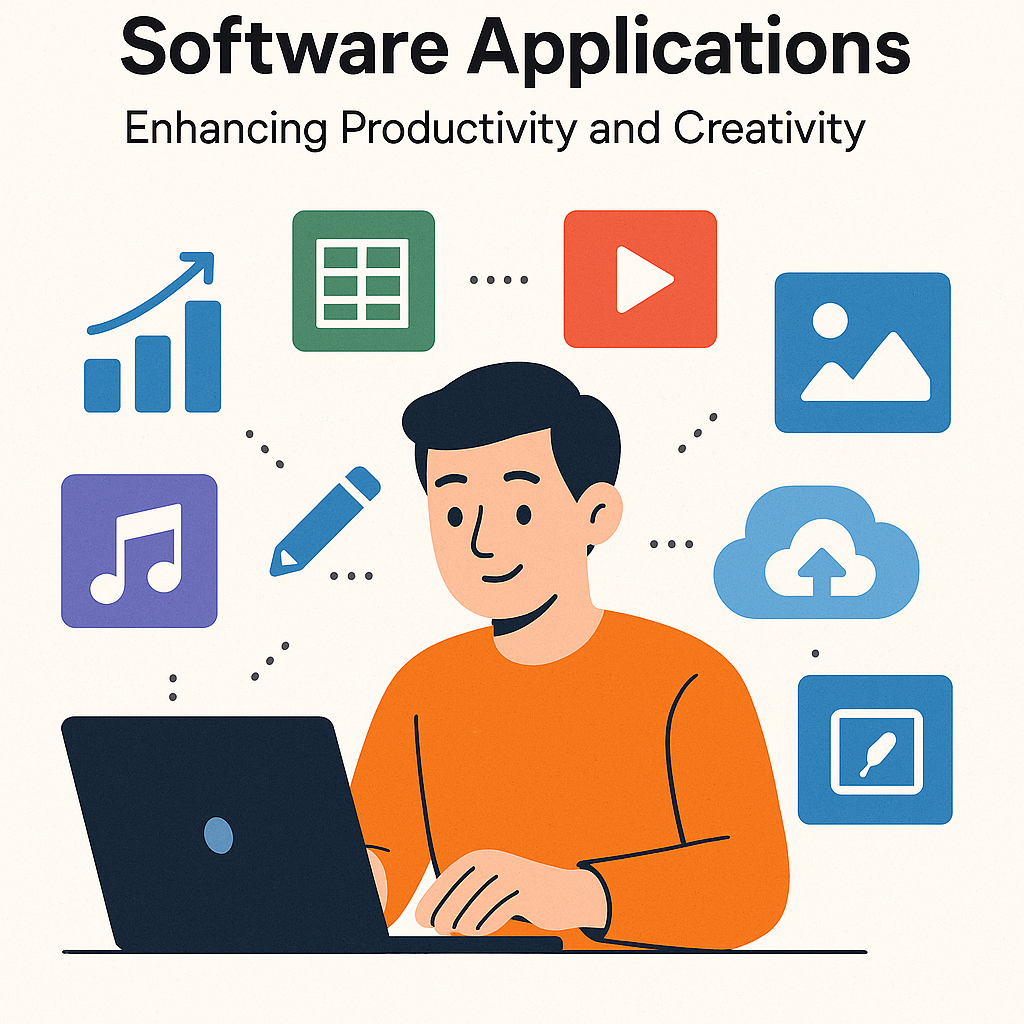
1. Productivity Software: Streamlining Your Workflow
Productivity software applications are designed to help users complete tasks more efficiently. These tools include word processors, spreadsheets, and presentation software. Popular examples include Microsoft Office Suite, Google Workspace, and LibreOffice. Each of these applications offers unique features that facilitate collaboration, data analysis, and document creation. For instance, Google Workspace allows real-time collaboration, making it ideal for teams working remotely. By integrating productivity software into daily routines, users can enhance their workflow, manage time effectively, and achieve better results.

2. Creative Software: Unleashing Your Imagination
Creative software applications cater to artists, designers, and content creators. Programs like Adobe Creative Cloud, CorelDRAW, and Canva provide powerful tools for graphic design, video editing, and digital art. Adobe Photoshop, for example, is a leading application for photo editing, while Adobe Premiere Pro excels in video production. These applications empower users to bring their creative visions to life, offering a range of features from advanced editing capabilities to user-friendly interfaces. Whether you’re a professional designer or a hobbyist, creative software can elevate your projects and enhance your artistic expression.
3. Communication Software: Connecting People Seamlessly
In an increasingly digital world, communication software applications play a crucial role in keeping people connected. Tools like Slack, Microsoft Teams, and Zoom facilitate seamless communication across teams and organizations. These applications support instant messaging, video conferencing, and file sharing, making collaboration easier than ever. For example, Zoom has become a staple for virtual meetings, offering features like screen sharing and breakout rooms. By utilizing communication software, businesses can improve team dynamics, enhance productivity, and foster a more connected work environment.

4. Entertainment Software: Engaging Users in New Ways
Entertainment software applications encompass a wide range of options, from gaming platforms to streaming services. Popular applications like Steam, Netflix, and Spotify offer users diverse entertainment experiences. Gaming platforms like Steam provide access to thousands of games, while streaming services like Netflix and Spotify deliver movies, TV shows, and music directly to users’ devices. These applications not only entertain but also create communities around shared interests. By leveraging entertainment software, users can unwind and enjoy their favorite content, making it an essential part of modern life.
5. Specialized Software: Tailored Solutions for Specific Needs
Specialized software applications cater to niche markets and specific professional requirements. Examples include AutoCAD for architects and engineers, QuickBooks for accounting, and Salesforce for customer relationship management. These applications are designed to address unique challenges within particular industries, providing tailored solutions that enhance efficiency and effectiveness. By adopting specialized software, professionals can streamline their workflows, improve accuracy, and ultimately achieve better outcomes in their respective fields.

Post Comment