Jelqing Routines for Beginners: How to Build a Safer, More Realistic Practice
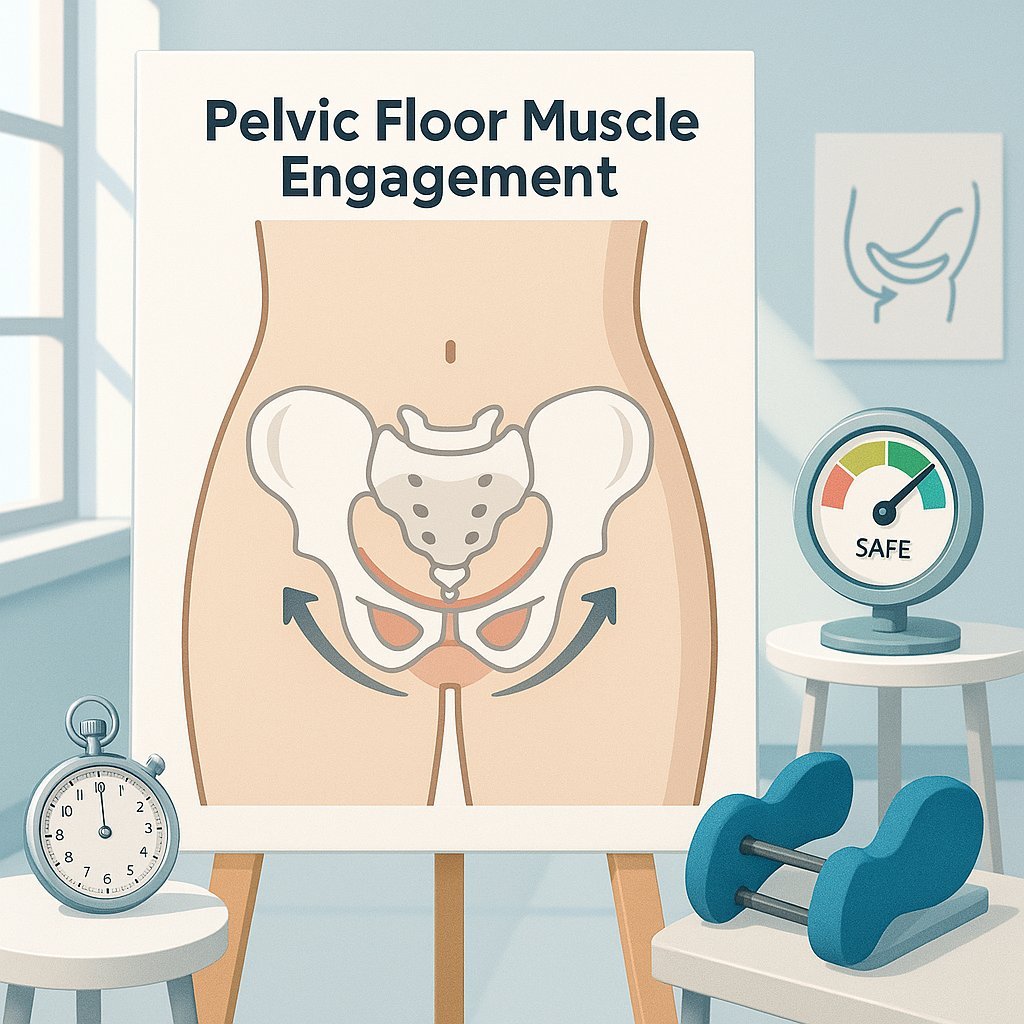
Table of Contents
- Overview: What Jelqing Can and Cannot Do
- Safe-First Jelq Technique: How to Structure a Beginner Session
- Building a Consistent Routine Without Burning Out Your Penis
- Pelvic Floor, Ejaculation Control, and Safer Tools Like Penis Extenders
- When to Stop Jelqing and Shift Your Focus
- FAQ
Overview: What Jelqing Can and Cannot Do
Expert Insight: According to WebMD, jelqing is a pulling and stretching exercise intended to enlarge the penis by pushing blood toward the tip and stretching internal tissue and skin, but many men who pursue it because they feel “too small” are actually within the average erect length of about 5 inches (13 cm) ([WebMD](https://www.webmd.com/men/jelqing)). (www.webmd.com)

Jelqing is a manual stretching technique where you use an “OK” grip and sliding motions along a semi-erect penis to push blood toward the glans and stretch tissue. Many guides promise dramatic enlargement, but major medical sources emphasize an uncomfortable truth: there is no solid clinical evidence that jelq routines permanently increase penis size in otherwise healthy men.
What we do know from mens sexual wellness research:

- Average erect length is around 5 inches; most men who feel “too small” are in the normal range.
- Jelqing can irritate skin, bruise tissue, and potentially contribute to scarring or Peyronie’s disease if done aggressively or too often.
- Some stretching strategies are used medically for specific conditions (for example, certain traction programs or post-surgery rehab), but those are structured, supervised, and not the same as DIY jelq routines.
If you still decide to experiment, your goal as a beginner should not be rapid size gains. Instead, aim for three things: learning gentle technique, monitoring your penis for early warning signs of damage, and integrating safer habits that support erection quality, arousal, and ejaculation control over time.
Safe-First Jelq Technique: How to Structure a Beginner Session
A beginner jelq routine should be short, low intensity, and focused on control. Think of it as testing how your tissue responds, not “smashing” your way to growth.
Key starting rules:
- Warm up lightly. A warm shower or a warm, damp cloth around the shaft for 5 minutes can make skin and tissue more pliable and reduce friction irritation.
- Use only a semi-erection. Aim for about 30%–60% fullness. Fully hard jelqing increases the risk of vascular damage and painful bruising.
- Lubricate generously. Use a neutral, unscented lube or light lotion. Dry jelqing sharply raises friction and injury risk.
Step-by-step beginner jelq:
- Bring the penis to a soft, partial erection (not fully rigid).
- Apply lubricant along the shaft.
- Form an “OK” grip with thumb and index finger at the base, snug but not painful.
- Slowly slide the grip toward the glans over about 2–3 seconds, then release before the head.
- Alternate hands, repeating the single stroke as one “jelq”.
Beginner volume and frequency guidelines:
- Week 1–2: 5–10 minutes total, 2–3 times per week, with light pressure.
- Week 3–4: Up to 10–15 minutes per session, still 2–3 times per week, only if there is no pain, bruising, or erectile change.
- Rest days are mandatory. Never jelq on a painful or visibly injured penis.
Stop immediately if you notice sharp pain, sudden swelling, color changes that do not fade after a few minutes, numbness, or if erections become weaker in the days following a session. Those are red flags, not “signs that it’s working.” Protecting function is more important than chasing marginal cosmetic change.
Building a Consistent Routine Without Burning Out Your Penis
Many beginners push too fast: longer sessions, tight grips, and daily jelq sets. That approach is exactly what leads to bruising, loss of sensitivity, and setbacks in mens sexual wellness. Instead, treat the routine like an experiment you plan to run for months, not days.
Use this simple weekly structure as a starting template:
- Day 1: 5–10 minutes jelqing + light hand massage afterward.
- Day 2: Rest from jelq; focus on general health (sleep, hydration, movement).
- Day 3: 5–10 minutes jelqing, same intensity as Day 1.
- Day 4: Rest; evaluate: any soreness, spots, weaker erections, or changes in ejaculation timing?
- Day 5: Optional third 5–10 minute jelq session if everything feels normal.
- Day 6–7: Full rest; no jelq, no aggressive masturbation or edging marathons.
Practical consistency tips:
- Track sessions. Note dates, duration, erection quality, and any pain or discoloration. If problems show up, you can see exactly when and how they started.
- Stay below discomfort. Pressure should feel like mild, controlled squeezing, never like you are “choking” the shaft.
- Cycle intensity. If you have a week with more sex or intense solo play, cut jelq volume in half or skip it. Your tissue still has a total weekly load limit.
- Protect bedtime erections. If nocturnal or morning erections weaken or vanish after you start jelqing, stop and allow several weeks of recovery before reconsidering.
The goal is a routine that your body can sustain without constant injury and repair. That stability matters far more than adding extra minutes or strokes in the first few weeks.
Pelvic Floor, Ejaculation Control, and Safer Tools Like Penis Extenders
Even if size is your original motivation, long-term mens sexual wellness depends more on circulation, pelvic floor control, and how you handle arousal and ejaculation than on raw length. Instead of centering your entire routine on jelq, build a broader practice that is more likely to help your sex life.
Three pillars to combine with or even prioritize over jelqing:
- Pelvic floor training. Kegel-style exercises for men and women were developed to improve continence and sexual function by training the muscles that contract during urination and orgasm. For men, accurate pelvic floor work can support stronger erections and better control over ejaculation, but over-tensing can backfire. Focus on gentle contractions and full relaxations, not constant clenching.
- Cardio and general fitness. Better vascular health usually translates to better erectile quality. Brisk walking, cycling, or other moderate cardio several times per week can do more for erection strength than any single sex techniq or jelq tweak.
- Structured traction devices. If you are genuinely considering physical stretching, a medically designed penis extender or penis stretcher with adjustable tension and timed use is typically a safer choice than improvising extreme manual force. Clinical research on traction is limited but stronger than the data for jelqing alone, and devices are designed to distribute load more evenly.
If you explore traction, avoid cheap, unverified products and look for systems with clear instructions, load limits, and long-term comfort options. One option many men consider is an adjustable traction system such as the official PENIMASTER penis extender, which is built specifically for gradual, timed stretching rather than random high-force pulling.
Whatever tools you add, prioritize how your body feels and functions: ease of getting and maintaining erections, comfort during penetration, your ability to modulate arousal and delay ejaculation, and how your partner responds. Size changes, if they happen, should never come at the cost of pain, numbness, or loss of confidence.
When to Stop Jelqing and Shift Your Focus
A “successful” jelq practice for beginners is not one that simply continues forever; it is one that helps you learn about your body without harming it. At some point, you should decide whether jelqing is worth the time and tissue load compared with other strategies.
Strong reasons to stop immediately and reassess:
- Persistent pain, soreness, or dull ache in the shaft or base, even on rest days.
- Visible bruising, dark patches, lumps, or curvature that was not there before.
- Noticeable reduction in erectile quality or sensitivity.
- Anxiety, obsession, or conflict with a partner replacing genuine erotic pleasure.
If any of these show up, drop jelq from your routine and give your penis several weeks or more of low-stress use: gentle masturbation, comfortable sex, and no strenuous stretching. If discoloration, pain, or deformity remain, seek evaluation by a qualified health professional, ideally one familiar with male sexual medicine.
If, after a few months of careful practice, you do not see changes that justify the time and risk, consider retiring jelqing and shifting your focus entirely to:
- Improving arousal, communication, and sex techniq with partners.
- Building cardio fitness, flexibility, and stress management.
- Developing precise pelvic floor control and relaxation to support erections and delayed ejaculation.
- Exploring evidence-informed options with a clinician if you have a true medical concern (such as micropenis, post-surgical changes, or significant curvature).
Your penis is not just a project to be stretched; it is central to pleasure, intimacy, and self-esteem. Any jelq routine that undermines those outcomes is not a successful practice, no matter what the mirror or tape measure says.
FAQ
Q: How often should a beginner jelq each week?
A: Most beginners start with 2–3 sessions per week on non-consecutive days to allow rest and monitoring for any irritation. As you adapt, you can gradually increase to 3–4 sessions per week, always prioritizing comfort and recovery over frequency.
Q: How long should a beginner jelqing session last?
A: A common starting point is 5–10 minutes per session, including warm-up and cool-down. As your technique improves and you stay free of soreness or spotting, you might build up to 15–20 minutes over several weeks.
Q: What intensity or erection level is safest for beginner jelqing?
A: Beginners are usually advised to jelq at a partial erection, roughly 40–60% hard, not fully erect. This level allows you to feel pressure and movement without putting excessive stress on blood vessels and tissues.
Q: Can I combine jelqing with Kegels and pelvic floor work?
A: Yes, many men pair jelqing with pelvic floor exercises like Kegels and reverse Kegels to support blood flow and control. It’s best to schedule them at different times of day or as a short, separate block so you can focus on proper form for each.
Q: Is it okay to use a penis extender on the same days I jelq?
A: Some routines use both jelqing and a penis extender on the same day, but they limit overall time and intensity. If you combine them, keep jelqing light, monitor for fatigue, and build up extender hours slowly so tissues have enough recovery.

Post Comment