Usage Guidelines for Jelqing and Penis Extenders: Practical Rules That Protect Men’s Sexual Wellness
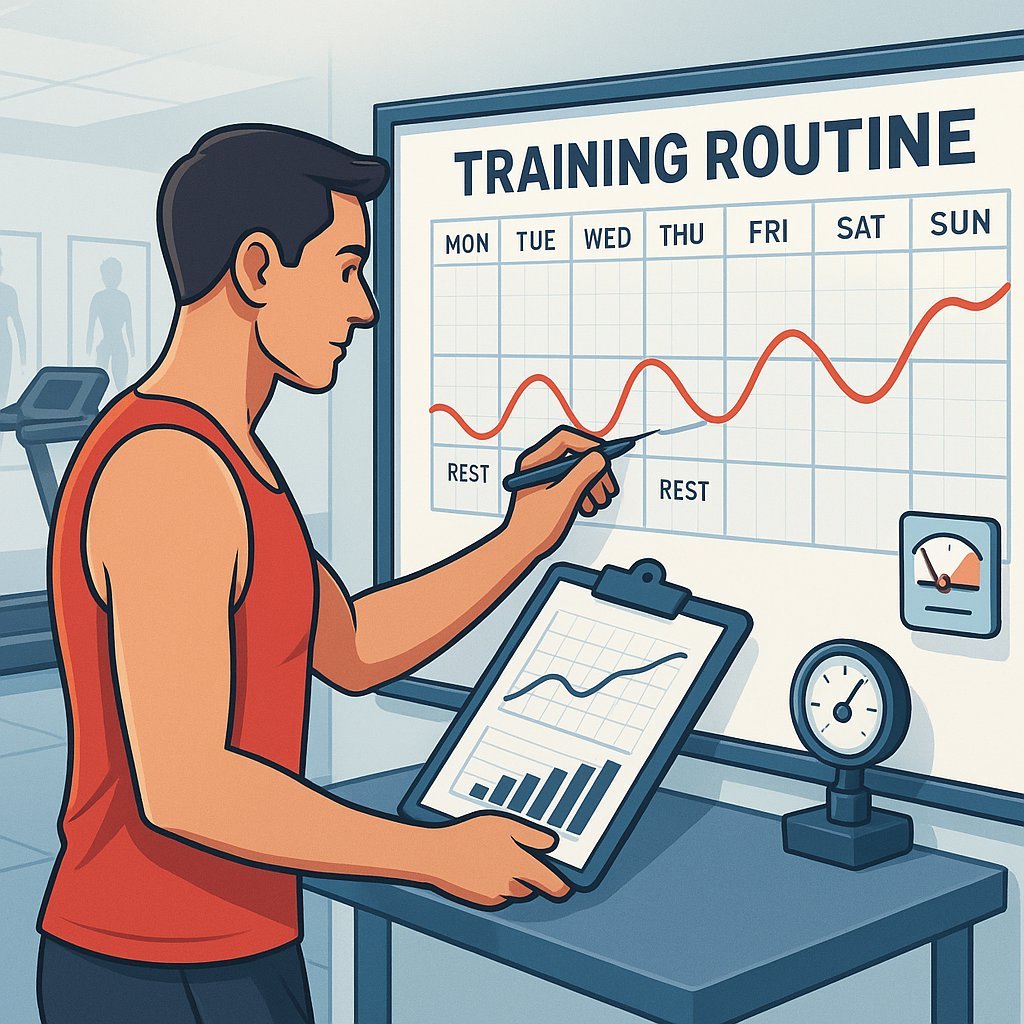
Read more in our Complete Guide to Jelqing: Evidence, Safety, and. Complete Guide to Penis Extenders, Stretchers & Complete Guide to Men’s Sexual Wellness

Table of Contents
- Overview: Why Usage Guidelines Matter in Men’s Sexual Wellness
- Core Principles: Evidence, Expectations, and Red-Line Rules
- Usage Guidelines for Jelq Routines
- Usage Guidelines for Penis Extenders and Stretchers
- Stacking Techniques, Protecting Ejaculation, and Smarter Next Steps
- FAQ
Overview: Why Usage Guidelines Matter in Men’s Sexual Wellness
Expert Insight:
According to Men’s Health, jelqing is an unproven penis-enlargement technique with only anecdotal support, no reliable studies backing its effectiveness, and urologists generally advise against it due to the risk of permanent damage [https://www.menshealth.com/sex-women/a27238940/jelqing-bigger-penis-technique-what-its-like/](https://www.menshealth.com/sex-women/a27238940/jelqing-bigger-penis-technique-what-its-like/). (
www.menshealth.com)
Men’s sexual wellness content online often jumps straight into routines and promises, while glossing over how to actually use jelq techniques or a penis extender safely day-to-day. Urologists interviewed by outlets like Men’s Health, GQ, VICE, and AskMen repeatedly stress the same two points: evidence for permanent size change is weak, and misuse is a major driver of injury.
This article does not encourage you to chase extreme gains. Instead, it gives usage guidelines if you are already considering jelq exercises or a penis stretcher, so you can:
- Understand what is and is not supported by current evidence.
- Use conservative settings and volumes that lower risk.
- Protect erection quality, sensation, and ejaculation function.
- Recognize warning signs early and know when to stop.
These guidelines are for informed adults who accept the experimental nature of jelqing and mechanical stretching. They are not a substitute for medical advice; talk with a qualified clinician, ideally a urologist, before starting any intensive routine.
Core Principles: Evidence, Expectations, and Red-Line Rules
Most mainstream reporting on jelq and penis extender devices repeats the same theme: anecdotal success stories exist, but controlled research is limited and mixed. Journalists who tested jelqing for weeks and then measured carefully often saw no real change, while urologists in those same pieces described seeing men arrive with nerve damage, erectile dysfunction, or scarring from aggressive routines.
That tension creates a simple framework for usage guidelines:
- Evidence is uncertain, risk is real.You cannot assume that more force, longer sessions, or stacking every sex techniq will give better results. You can assume that overdoing it raises the chance of lasting harm.
- Your baseline health matters.Conditions that affect blood vessels or nerves (diabetes, cardiovascular disease, smoking, certain medications) may increase injury risk. That is one reason reputable sources insist on a medical consult first.
- Goals must be realistic.Even the most optimistic extender studies usually report modest gains over months of consistent, careful use. Overnight transformation is not realistic and pushing for it is dangerous.
- Pain, discoloration, or sudden loss of function are stop signs, not challenges.The men interviewed in mainstream outlets who avoided long-term damage were the ones who pulled back at the first sign of trouble.
Before touching jelq routines or a penis extender, decide that erection quality, sensation, and ejaculation control are more important than any potential size change. Every guideline that follows serves that priority.
Usage Guidelines for Jelq Routines
Jelqing is often described as a massage-like movement that “milks” blood through the penis. Articles from Men’s Health, GQ, VICE, and AskMen all emphasize the same hard truth: there are no high-quality studies proving it works, but there are documented injuries when men apply too much pressure or train obsessively.
If you still choose to experiment, usage guidelines should be strict and conservative:
- Stay below full erection.Most how-to descriptions recommend jelqing only at a mild to moderate erection level. Full erection plus hard squeezing greatly increases the risk of tearing blood vessels or damaging erectile tissue.
- Use adequate lubrication.Friction-based irritation can lead to skin damage, micro-tears, and scarring. A generous, skin-safe lube reduces shear stress.
- Limit session length and frequency.Instead of long, daily sessions, start with very short bouts and rest days. For example, beginners often do better with low-volume routines a few times a week rather than daily marathons. This gives tissues time to recover and makes it easier to spot early issues.
- Pressure should never be painful.A light, controlled squeeze is very different from crushing pressure. Pain, sharp stinging, or pronounced dark bruising mean the jelq intensity is too high and the session should stop immediately.
- Track function, not just size.Keep informal notes on morning erections, ease of getting and staying hard, changes in sensitivity, and ejaculation control. A drop in any of these is more important than a temporary boost in measured length or girth.
- Stop if warning signs appear.Red flags include persistent soreness, numbness, a cold feeling in the shaft or glans, significant curvature changes, or difficulty ejaculating. Ongoing symptoms warrant a prompt urology visit, not “pushing through” to see if they fade.
Used this way, jelq routines become a cautious experiment rather than a desperate attempt at fast gains. Men’s sexual wellness is better protected when you treat your penis like a delicate vascular organ, not a muscle you can punish into growth.
Usage Guidelines for Penis Extenders and Stretchers
Penis extenders and traction devices have more structured research behind them than jelqing, particularly for specific medical conditions like Peyronie’s disease. Articles from VICE and sex-education sites summarizing extender studies generally agree on three points: traction must be low and steady, time under stretch matters more than raw force, and results, when they occur, are gradual and modest.
Safe usage guidelines for any penis extender or penis stretcher revolve around respecting tissue limits:
- Get proper fitting and instruction.A device that is too tight, poorly aligned, or incorrectly assembled creates pressure points that can impair blood flow or pinch nerves. Follow the manufacturer’s fitting steps carefully, and if possible, review them with a clinician.
- Start with the minimum effective tension.More traction does not equal more growth. Begin at the lowest recommended setting that holds the stretch without pain. Over time, some users slowly increase duration before ever touching higher tension levels.
- Build up session time gradually.Many men feel tempted to match the longest daily wear times mentioned in marketing claims. A safer approach is progressive loading: start with very short sessions, monitor how your penis responds over 24 to 48 hours, and only then consider slight increases.
- Use scheduled breaks.Continuous traction without short breaks can cause numbness and coldness, both signs of compromised circulation. Regularly remove the device, restore full blood flow, and check for marks, swelling, or color changes.
- Watch for shape and function changes.Traction should not cause new curvature, indentations, or asymmetry. Similarly, any decline in erection strength, new pain during sex, or delayed ejaculation after starting extender use needs immediate attention.
- Respect medical contraindications.If you have existing penile plaques, prior surgery, or vascular conditions, extender use should be overseen by a urologist, not guided solely by online forums.
For men who do choose mechanical traction, pairing conservative settings with consistent monitoring offers a better balance between potential benefit and risk than chasing aggressive timelines.
Stacking Techniques, Protecting Ejaculation, and Smarter Next Steps
Many men who are anxious about size try to combine every tool they can find: jelq exercises, a penis extender, pumps, and new sex techniq variations, all at once. Articles covering real-world experiences point out that this stacking makes it almost impossible to know what is helping and what is harming you.
To protect long-term men’s sexual wellness, especially erection and ejaculation function, stacking should follow strict rules:
- Change one variable at a time.If you add a penis stretcher while already jelqing, reduce jelq volume or frequency. Avoid introducing multiple intense methods together.
- Prioritize function monitoring over measurement obsession.Difficulty reaching orgasm, reduced force of ejaculation, or a new burning sensation with climax are signs that nerves or tissues are irritated or injured. These issues tend to worsen, not improve, if you keep increasing intensity.
- Keep sexual activity comfortable.If penetrative sex or masturbation become painful or feel “off” after starting any routine, treat that as important feedback. Many of the men who regretted their experiments in interviews ignored those early clues.
- Consider medically guided devices.If you want to explore traction in a more structured way, discuss clinically oriented systems with your doctor. For example, some men choose a medical-grade extender from the official PeniMaster storeafter getting a urologist’s input on fit, expected outcomes, and safe wear schedules.
- Know when to stop entirely.There is no shame in deciding that the potential risks to erections, sensation, and ejaculation control outweigh the uncertain chance of modest size changes. Mental relief and better sexual confidence often come from accepting your natural size and focusing on pleasure, communication, and overall health.
Used carefully, any experimental routine should serve your broader life, not dominate it. If jelq sessions or extender wear are creating more stress than satisfaction, or if your partner is worried about your safety, that is a strong signal to step back and reassess your priorities.
In the end, usage guidelines are about boundaries: limiting intensity, honoring early warning signs, and keeping your long-term sexual function at the center of every decision you make.
FAQ
Q:
How often should I jelq or use a penis extender to stay within safe limits?
A:Most users do best starting with 2–3 jelq sessions per week and extender wear of 1–2 hours per day, then slowly building up. Increase only if you have no pain, numbness, or erection changes, and add time or intensity in small steps each week.
Q:
What’s the correct intensity or tension level to avoid injury?
A:Both jelqing pressure and extender tension should feel like a firm stretch, never sharp, burning, or pinching. If veins bulge dramatically, skin turns very dark or cold, or you have trouble maintaining any erection, your intensity is too high and you should reduce it immediately.
Q:
How can I tell if my routine is harming my erection or ejaculation function?
A:Warning signs include weaker or less frequent morning erections, reduced erection hardness during arousal, unusual numbness, or new pain during or after sex or masturbation. If you notice these changes, stop training, allow full recovery, and only resume at a much lower intensity and frequency if symptoms resolve.
Q:
Is it okay to combine jelqing and a penis extender in the same routine?
A:Combining them is possible, but you should reduce volume from each method so your overall stress level stays moderate. Many users do extender work on most days and keep jelqing short and infrequent, always monitoring for any negative changes in sensitivity or erection quality.
Q:
What are realistic expectations for gains and how long do they usually take?
A:Visible changes tend to be slow and modest, often measured over months rather than weeks. Focusing on consistency, comfort, and preserving normal sexual function will serve you better than chasing fast gains with aggressive intensity.


Post Comment