Brand Lexicon Validation in Men’s Sexual Wellness: Using Jelq, Penis Extender, and Ejaculation Terms Responsibly
Table of Contents
- Overview: Why Brand Lexicon Validation Matters in Men’s Sexual Wellness
- Defining Risky Terms: Jelq, Penis Extender, Penis Stretcher, and Ejaculation
- Responsible Framing of Enhancement and Sex Techniq Language
- Practical Lexicon Rules for Content Teams and Creators
- Ethical CTAs, Product Mentions, and Affiliate Links
- Conclusion: Building a Safer, Clearer Language System for Men
- FAQ
Overview: Why Brand Lexicon Validation Matters in Men’s Sexual Wellness
Expert Insight: According to AskMen (www.askmen.com), recent epidemiological research cited by Dr. Jenelle Kim shows that low libido and erectile dysfunction affect a large number of adult men, including as many as 25% of men under 40: https://www.askmen.com/fitness/health/best-vitamins-for-men-that-can-boost-sex-drive.html. (www.askmen.com)

In mens sexual wellness, the words you choose are never neutral. Terms like jelq, penis extender, penis stretcher, and ejaculation carry medical, cultural, and emotional weight. When brands use them loosely or purely for clicks, they can create confusion, overpromise results, or quietly normalize risky behavior.
Brand lexicon validation is the process of deciding which terms belong in your vocabulary, what each term means in your ecosystem, and how it must be framed to protect readers. Done well, it aligns SEO goals with ethical communication: you can rank for high-intent queries while staying accurate, trauma-aware, and safety-first.

This article focuses on how to use high-risk, high-traffic terms responsibly, with a particular emphasis on jelq, penis extender and penis stretcher devices, and ejaculation-focused sex techniq language. The aim is to give marketers, copywriters, and educators a repeatable framework for clear, honest messaging that respects men’s health and autonomy.
Defining Risky Terms: Jelq, Penis Extender, Penis Stretcher, and Ejaculation
Before you can validate your lexicon, you need precise working definitions. Vague or inflated meanings are where most mens sexual wellness content goes wrong.
- Jelq (or jelqing)
At a minimum, define jelq as a controversial manual massage technique aimed at penile enlargement by repeatedly “milking” a semi-erect penis. Responsible usage must clarify that evidence for permanent size change is weak and that there is documented risk of nerve, vascular, and tissue injury when done aggressively or incorrectly. - Penis extender
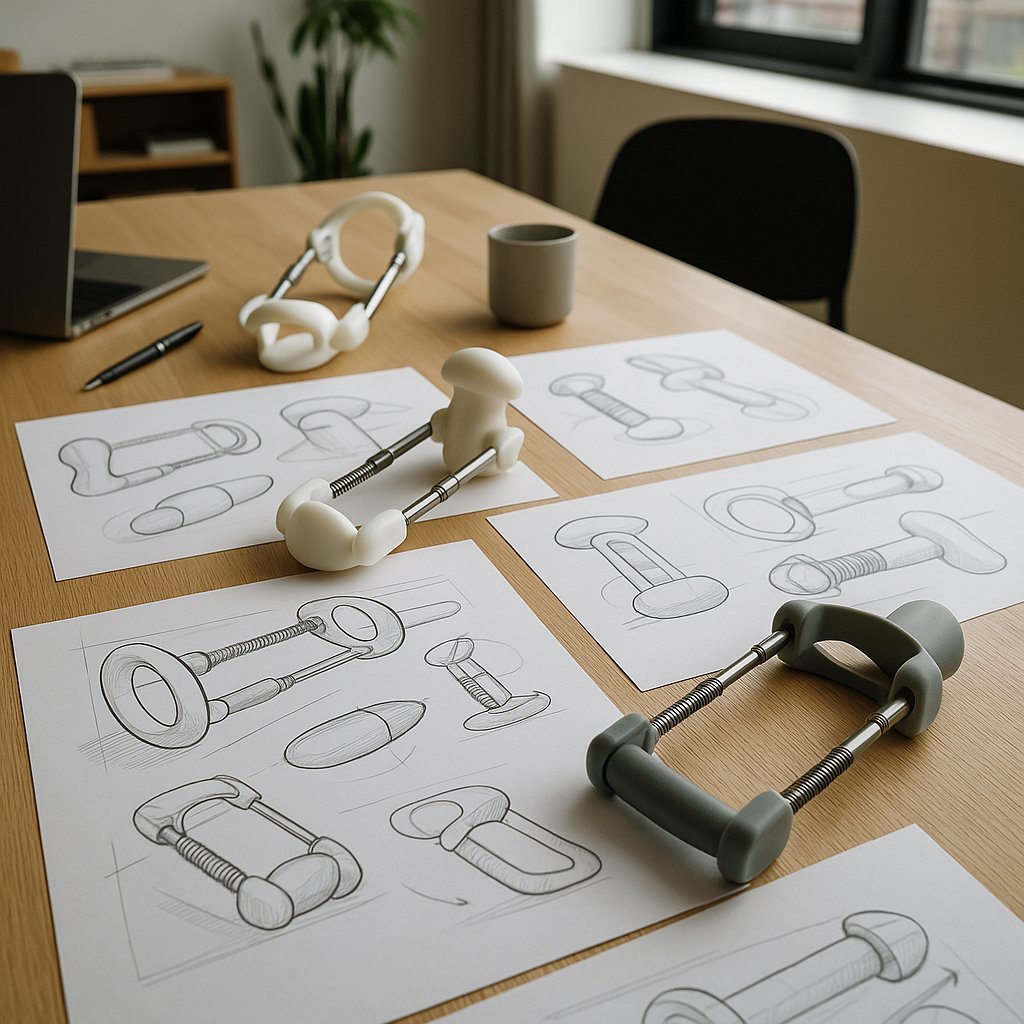
A penis extender is a traction-based device designed to apply low, sustained stretch to the penis over time. In your lexicon, explicitly distinguish medically evaluated extenders from untested gadgets. Make clear that results, if any, are gradual and highly variable, and that safe-use protocols and medical screening are essential. - Penis stretcher
Many users treat “penis stretcher” as a synonym for penis extender, but brands should decide how they use each term. Some reserve “penis stretcher” for simpler strap-based or weight-based devices, which can carry different risk profiles than clinically studied extenders. Whatever your choice, your lexicon should map both terms to clear, non-conflicting definitions. - Ejaculation
Ejaculation is the release of semen from the penis, usually during sexual arousal or orgasm. Brands often pair it with performance claims (“control ejaculation”, “delay ejaculation”, “increase ejaculation volume”). Your validated definitions must anchor these phrases in physiology, not fantasy, and note that premature ejaculation, delayed ejaculation, or anejaculation can be signs of underlying physical or psychological issues.
Once these definitions are locked, train your team to use them consistently. Every blog, landing page, email, and ad should align with these baseline meanings. This consistency is what allows you to build trustworthy, scalable content in mens sexual wellness without drifting into misinformation.
Responsible Framing of Enhancement and Sex Techniq Language
High-intent search queries around jelq, penis extender routines, penis stretcher programs, and ejaculation control usually come from men who feel vulnerable, ashamed, or desperate. Brand lexicon validation must anticipate this emotional context and put safeguards around enhancement and sex techniq language.
- Never imply guaranteed growth or “permanent fixes”
Any phrase that pairs jelq or traction devices with absolute outcomes (“permanent gains in 2 weeks”, “cure premature ejaculation forever”) is misleading. Replace these with conditional, evidence-informed statements that acknowledge variability and focus on process, not miracles. - Separate exploration from endorsement
If you cover jelq as a sex techniq that some men experiment with, your lexicon should require explicit disclaimers: it is optional, non-essential, and potentially risky. Frame it as one of many techniques men read about online, not as the core of healthy sexual function. - Use neutral, non-shaming tone around ejaculation
Language like “weak ejaculation”, “failed ejaculation”, or “real man ejaculation” reinforces stigma. Validated terms should favor descriptive, non-judgmental phrasing such as “lower-than-expected volume”, “difficulty reaching ejaculation”, or “ejaculation sooner than desired”. - Anchor sex techniq content in health, not just performance
When you discuss any sex techniq for stamina, arousal, or orgasm control, include basic physiological context: pelvic floor function, blood flow, arousal cycles, and mental health. This echoes guidance from mainstream health sources that emphasize lifestyle, cardiovascular health, and stress reduction as pillars of erectile and ejaculation function. - Guardrails for supplement and device claims
Because users often stack supplements, jelq routines, and a penis extender or penis stretcher, your lexicon should ban unregulated “herbal Viagra” style promises and require statements about limited evidence, possible interactions (especially with blood pressure medications), and the importance of medical consultation.
A validated lexicon is not just a style choice; it is a set of ethical commitments that shape how you talk about sensitive topics and how much risk you are willing to transfer onto your readers.
Practical Lexicon Rules for Content Teams and Creators
To make brand lexicon validation usable day-to-day, convert principles into simple rules your writers, editors, and SEO specialists can follow without guesswork. Focus especially on terms that drive traffic but carry health risks, including jelq, penis extender, penis stretcher, ejaculation, and any sex techniq claims.
- Rule 1: Every high-risk term must carry a context tag
In your internal guidelines, pair each term with a mandatory context line. For example:- “Jelq” → must appear alongside a safety caveat and acknowledgment of limited evidence.
- “Penis extender / penis stretcher” → must be accompanied by notes on gradual timelines, need for proper fit, and red-flag symptoms that require stopping.
- “Delay ejaculation” → must mention that persistent issues may call for professional assessment.
- Rule 2: Prohibit fear-based or shame-based hooks
Disallow headlines or CTAs that imply men are broken or less masculine without a certain size, ejaculation volume, or performance level. Instead of “Fix your pathetic ejaculation”, use language like “Understand what affects ejaculation timing and volume”. - Rule 3: Distinguish education from instruction
There is a difference between explaining what jelq is and teaching a detailed jelq routine. Similarly, you can describe how a penis extender works mechanically without prescribing specific, aggressive protocols. Decide which level of detail your brand is willing to own and document that boundary. - Rule 4: Require a safety baseline around devices
Whenever content mentions a penis extender or penis stretcher, enforce inclusion of:- basic fit and comfort guidance,
- time-under-tension limits for beginners,
- warning signs like numbness, discoloration, or ongoing pain,
- a reminder to seek medical advice if symptoms appear.
- Rule 5: Keep “mens sexual wellness” broad, not gadget-only
Your lexicon should frame mens sexual wellness as including sleep, exercise, cardiovascular health, mental health, relationship dynamics, and communication, not just jelq routines or devices. This helps keep readers from fixating on a single sex techniq as the only solution.
These rules turn abstract brand values into concrete editing checklists. That structure protects users while keeping your messaging consistent across blog posts, landing pages, and product descriptions.
Ethical CTAs, Product Mentions, and Affiliate Links
Brand lexicon validation does not stop at informational content. It should also shape how you write calls to action, compare products, and place affiliate links around jelq, penis extender, penis stretcher, and ejaculation-related topics.
- Make CTAs optional, not coercive
When you invite readers to explore devices or techniques, frame it as an option they can consider after understanding benefits and risks, not a fix they “must try now”. For example, instead of “You need this penis extender to finally satisfy your partner”, use “If you choose to explore traction-based devices, review medically informed options and safety guidance first.” - Disclose commercial intent clearly
Any affiliate link connected to a penis extender, penis stretcher, or supplement should sit alongside a clear disclosure that you may earn a commission and that this does not change your obligation to be accurate and safety-focused. - Prioritize medically evaluated or structured solutions
If you link to products, favor those with clear usage instructions, safety documentation, and realistic claims. For example, if a reader is specifically looking for a structured extender solution, a transparent CTA might be: “If you decide to work with a clinically structured traction system, you can review the official offering at this penis extender store after speaking with your healthcare provider.” This keeps the choice in the user’s hands while anchoring it in informed consent. - Avoid stacking unproven promises
Do not combine speculative claims, such as suggesting that jelq plus a random penis stretcher plus unregulated supplements will transform ejaculation control and size. Your lexicon should forbid cumulative miracle language and require that each intervention be discussed with its own evidence, limitations, and risks. - Always route complex problems back to professionals
Issues like persistent erection difficulties, painful ejaculation, or sudden changes in size or shape are medical, not just mechanical. Your CTAs should regularly point men toward urologists, sex therapists, or general practitioners, especially when symptoms overlap with cardiovascular or mental health concerns.
When your CTAs and affiliate language follow the same validation rules as your educational copy, commercial content becomes an extension of your ethics instead of a loophole around them.
Conclusion: Building a Safer, Clearer Language System for Men
Validated language is one of the most powerful tools brands have in mens sexual wellness. By defining terms like jelq, penis extender, penis stretcher, ejaculation, and related sex techniq phrases carefully, you create a stable foundation for honest SEO, safer experimentation, and more realistic expectations.
As you refine your lexicon, keep three priorities front and center: protect user safety, respect emotional vulnerability, and tell the truth about what we actually know from current research. When every blog post, product page, and CTA reflects those priorities, you are not just optimizing for search; you are helping men navigate sexual health decisions with more clarity, less shame, and a stronger sense of control.
FAQ
Q: Why is brand lexicon validation important in men’s sexual wellness content?
A: Validated language helps you avoid overstating benefits, normalizing risky behaviors, or implying medical guarantees. It also builds trust by showing that your terminology is deliberate, consistent, and grounded in credible sources rather than hype or slang alone.
Q: How should a brand handle terms like “jelq” that are popular but controversial?
A: Acknowledge the term because users search for it, but frame it descriptively and neutrally rather than as a recommended practice. Clarify what it is, what is and isn’t known about it, and clearly separate user folklore from evidence‑based information.
Q: What’s the best way to describe products like a penis extender or penis stretcher?
A: Use clear, product‑neutral wording that explains the mechanism (e.g., traction device) and intended use without promising size guarantees or permanent results. Avoid sensational claims; instead, link any benefit statements to research quality, usage guidelines, and realistic expectations.
Q: How can brands talk about ejaculation and sex techniques without sounding exploitative?
A: Lead with education and user wellbeing, not performance pressure or shock value. Use precise, respectful terms, focus on function and communication, and avoid language that frames ejaculation or technique as a test of masculinity or worth.
Q: What internal processes help keep sexual wellness terminology responsible over time?
A: Create a living style guide that defines approved terms, banned phrases, and preferred explanations, then review it regularly with subject‑matter experts. Train writers, affiliate partners, and customer support on this lexicon so messaging stays consistent across all channels.


Post Comment