Jelq Safety Tips: Evidence-Based Guardrails for Men’s Sexual Wellness
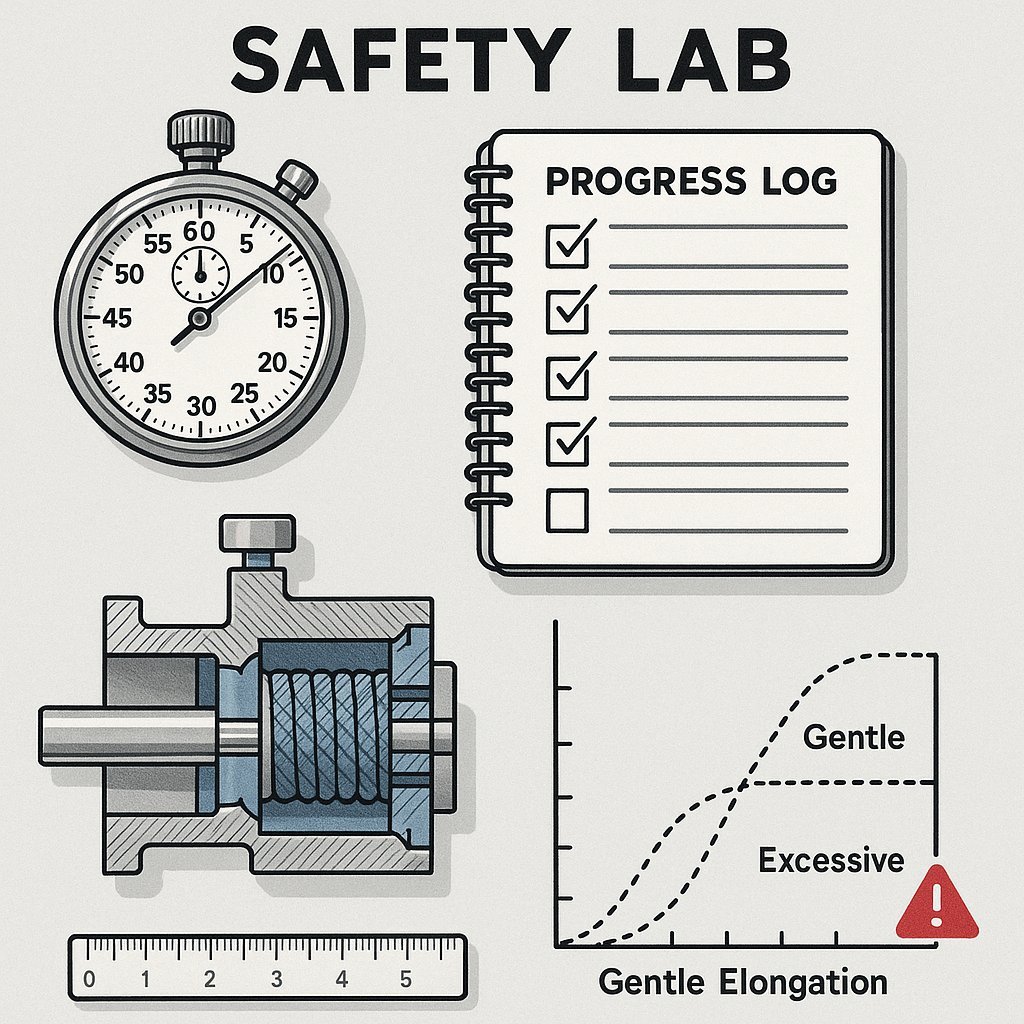
Table of Contents
- Overview: Where Jelqing Fits in Men’s Sexual Wellness
- What Science Actually Says About Size, Erections, and Risk
- Core Guardrails If You Still Decide to Jelq
- Safer Alternatives: Penis Extenders, Stretchers, and Technique Upgrades
- When to Stop Completely and Talk to a Professional
- FAQ
Overview: Where Jelqing Fits in Men’s Sexual Wellness
Expert Insight: According to Mayo Clinic (https://www.mayoclinic.org/healthy-lifestyle/sexual-health/basics/mens-sexual-health/hlv-20049432), sexual health is as important as physical, mental and spiritual health, supporting healthy relationships, pregnancy planning and disease prevention, and it’s important to discuss any concerns with a health care professional. The article also recommends STI prevention measures, including using barrier methods like condoms or dental dams and limiting sexual activity to one uninfected partner. (www.mayoclinic.org)

Jelqing is a manual stretching and squeezing routine that aims to increase penis size by forcing blood through the shaft and putting constant tension on erectile tissue. It has spread widely on forums and social media, but there is no high-quality clinical evidence that jelq routines safely enlarge the penis. Major medical sources focused on mens sexual wellness emphasize that most men who worry about size are already within the normal range and that unproven enlargement methods can carry real risks.
Those risks include pain, bruising, fibrosis (scar tissue), changes in curvature, and problems with erection or ejaculation. Because jelqing directly stresses the same structures that must fill with blood to produce a firm erection, overly aggressive routines can compromise the very performance men are trying to improve.

Evidence-based guardrails do not make jelqing “safe,” but they can lower the odds of permanent harm for men who choose to experiment anyway. They also highlight when to stop jelqing altogether and consider better-studied options such as a medical-grade penis extender or penis stretcher, as well as broader lifestyle habits that support long-term sexual health.
What Science Actually Says About Size, Erections, and Risk
Medical organizations that work in mens sexual wellness repeatedly stress three core ideas that matter before anyone even thinks about jelq routines:
- Most men are average in size. Population studies show the typical erect length is around 5 to 6 inches. Many men who feel “too small” fall squarely in this range. Worrying about size is common, but the belief that you are abnormally small is usually inaccurate.
- Penile augmentation is rarely recommended. Urology-focused groups describe surgical and filler-based enlargement methods as having uncertain benefits and significant risks such as scarring, loss of rigidity, and deformity. Non-surgical gadgets and exercises like jelqing are marketed heavily but lack solid research support.
- Erections depend on healthy tissue and blood flow. According to major health systems, an erection is a vascular and neurological event. Anything that repeatedly crushes, twists, or over-stretches the shaft can damage blood vessels, nerves, or the tunica albuginea (the tough sleeve that keeps blood trapped in the penis). That directly threatens erection quality, sensitivity, and ejaculation control.
This context matters: jelqing is not a neutral “workout.” It is a self-directed experiment on delicate vascular tissue without medical supervision. Evidence-based guardrails start with accepting that the safest choice for most men is not to jelq and instead to target confidence, arousal, and relationship skills through proven sex techniq and lifestyle upgrades. If you still decide to proceed, you need clear safety boundaries.
Core Guardrails If You Still Decide to Jelq
Even though research does not confirm benefits, many men will experiment with jelqing anyway. In that reality, evidence-informed guardrails aim to reduce damage rather than endorse the practice.
- Stay far below pain and high-pressure levels. Pain, sharp discomfort, or a feeling of “crunching” or popping are red-line warnings. Jelqing should never feel like forcing blood through a clogged pipe or like crushing the shaft between your fingers. Stop immediately if any of those sensations appear.
- Avoid full erections while training. Jelqing on a fully erect penis significantly increases shear forces on the inner tissue. Men who still proceed are generally safer staying in a low-to-mid arousal range where the penis is enlarged but not rock hard.
- Limit session time and frequency. Long, daily routines stack micro-trauma. If you are going to experiment, short, infrequent sessions with rest days in between give tissue a chance to recover and allow you to monitor changes in erection quality and sensation.
- Respect warning signs between sessions. New curvature, reduced morning erections, difficulty getting or staying hard, visible bruising, numb spots, or painful ejaculation are signs to stop completely and seek medical evaluation. Waiting weeks to see “if it goes away” while continuing jelq only increases the chance of permanent damage.
- Keep goals grounded in reality. Extreme size expectations tend to push men toward harsher pressure and longer routines. A realistic understanding of normal anatomy and sexual satisfaction reduces the urge to overdo it.
None of these habits make jelqing safe, but they do create a basic safety net for men who might otherwise escalate intensity and ignore early red flags.
Safer Alternatives: Penis Extenders, Stretchers, and Technique Upgrades
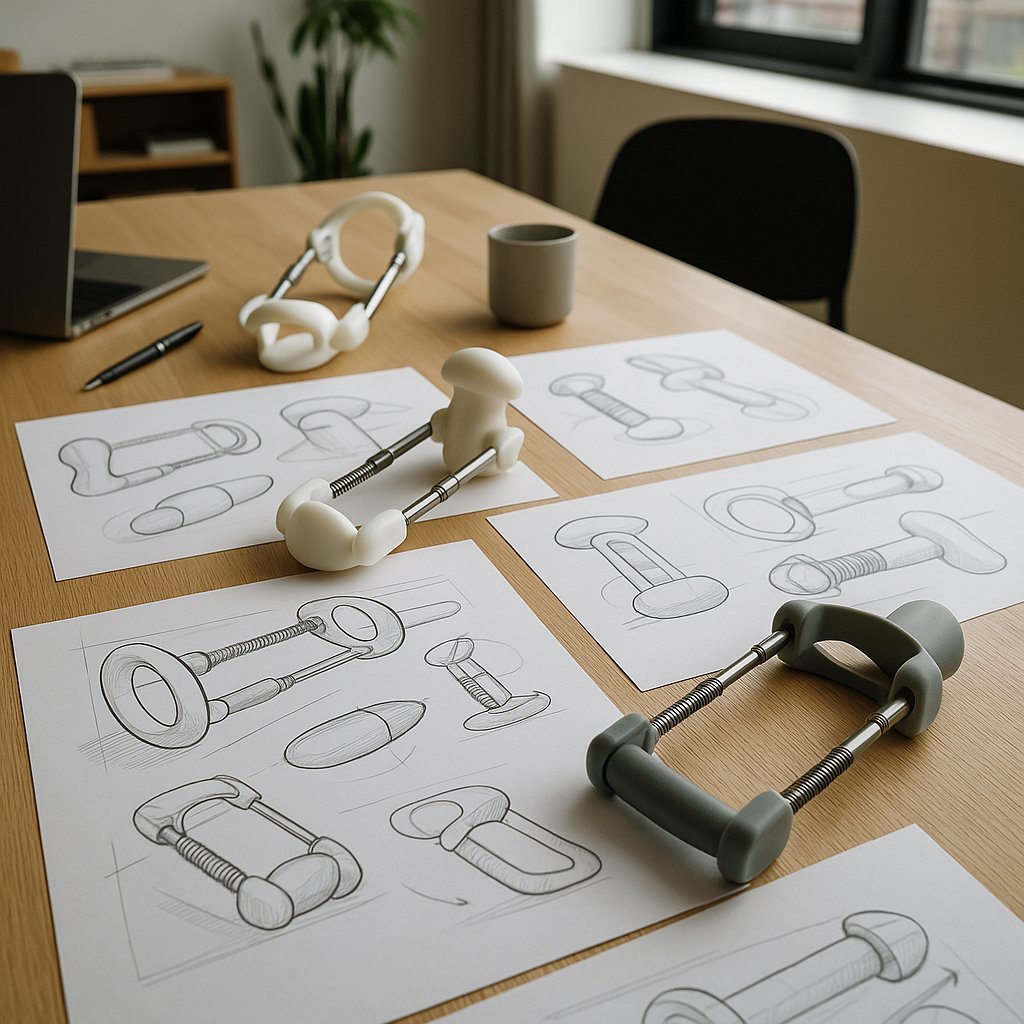
For men set on experimenting with physical methods, structured devices generally offer more controlled tension than fingers. A well-designed penis extender or penis stretcher applies a measured, continuous stretch rather than the variable, sometimes crushing pressure of jelq routines.
- Why devices can be safer than hands: Quality devices are engineered to distribute force over a broader area and allow small, incremental increases in traction. This is closer to how orthopedics lengthen tissues over time and reduces the likelihood of sudden high-pressure spikes that injure erectile structures.
- Medical-grade vs improvised tools: Makeshift devices, rigid loops, or DIY weights can be just as risky as aggressive jelqing. Look for purpose-built traction systems with adjustable tension, manufacturer instructions, and a track record among clinicians, not just forum reviews.
- Evidence-informed expectations: A few clinical studies on properly used traction devices suggest modest length gains in some men over months of consistent, controlled use. These gains are not guaranteed, are usually small, and depend on strict adherence to low-tension protocols and rest.
- Where to start if you want a structured option: If you are determined to use traction instead of manual jelq, consider a vetted system rather than improvised gear. One example is the official store at this penis extender provider, which offers a purpose-built stretching device with controllable tension.
At the same time, remember that many sexual goals men associate with size—confidence, partner satisfaction, and intense orgasms—respond even better to upgraded sex techniq, communication, and arousal control than to physical size changes. Techniques for better arousal pacing, more varied stimulation, and improved ejaculation control are strongly supported within the broader field of mens sexual wellness and come without the structural risks of aggressive stretching.
When to Stop Completely and Talk to a Professional
Because erections are a key marker of overall vascular and sexual health, any negative change after jelqing should be treated as a sign to pause and reassess. Men sometimes push past discomfort to “finish the routine,” but early medical attention is far safer than hoping damage resolves on its own.
- Stop jelqing immediately and seek medical care if you notice:
- Sudden loss of erection during a session with ongoing pain or swelling
- Visible bend or twist that was not present before
- Dark bruising, pronounced swelling, or a painful lump in the shaft
- Persistent burning, tingling, or numb areas of skin
- New difficulty getting or maintaining erections, especially morning erections
- Painful ejaculation, blood in semen, or sharp urethral pain
- Choose the right professional. A urologist who focuses on mens sexual wellness or sexual medicine is best equipped to assess trauma, curvature, and erectile issues. They can check for conditions like Peyronie’s disease, vascular injury, or nerve involvement.
- Be honest about what you were doing. Clinicians regularly hear about unproven enlargement methods, and withholding information only slows accurate diagnosis. Clear details about your jelq routine, any devices used, and symptom timing help the provider decide on imaging, medication, or watchful waiting.
- Use the scare as a pivot point. Any injury scare is an opportunity to shift focus away from risky enlargement efforts toward sustainable sexual health habits—cardiovascular fitness, sleep, stress management, communication with partners, and refining pleasure-focused sex techniq that enhance connection and orgasm intensity without harming the penis.
In the long run, protecting the integrity of your erectile tissue, sensation, and psychological well-being will do far more for your sex life than chasing rapid physical changes. Evidence-based guardrails mean recognizing when an experiment has crossed the line from curiosity into harm and choosing to prioritize long-term sexual health over short-term size goals.
FAQ
Q: Is jelqing ever considered safe by mainstream medical professionals?
A: Most urologists do not endorse jelqing because evidence for benefits is weak and the risk of injury is real. At best, they view it as an unproven technique that should be approached cautiously, with close attention to pain, bruising, or changes in erection quality.
Q: What are the earliest warning signs that my jelq routine is too intense?
A: Early red flags include reduced morning erections, dull ache in the shaft, darker or blotchy discoloration, and numb patches of skin. Any of these changes suggest you should stop, rest for several days or longer, and only resume with much lighter pressure—if at all.
Q: How can I reduce the risk of nerve or vascular damage while jelqing?
A: Keep sessions short, use only moderate pressure, and avoid a fully rigid erection, sudden squeezing, or sharp bending of the shaft. If you notice tingling, burning, or loss of sensation, end the session immediately and take an extended break.
Q: Why are medical penis extenders usually safer than manual jelqing?
A: Clinically tested extenders apply controlled, low-intensity traction that can be precisely adjusted and replicated, which reduces the chance of sudden overloading tissues. They’re designed around medical data on safe tension ranges and often come with usage guidelines based on published studies.
Q: When should someone stop jelqing completely and not try to restart?
A: Persistent pain, loss of rigidity, curvature that was not present before, or lasting numbness are strong reasons to abandon jelqing altogether. In these cases, continuing to experiment can worsen damage, and structured, medically guided options are a safer focus.


Post Comment