Dry vs Wet Orgasms Explained: Techniques, Risks, and When Ejaculatory Control Becomes Unhealthy
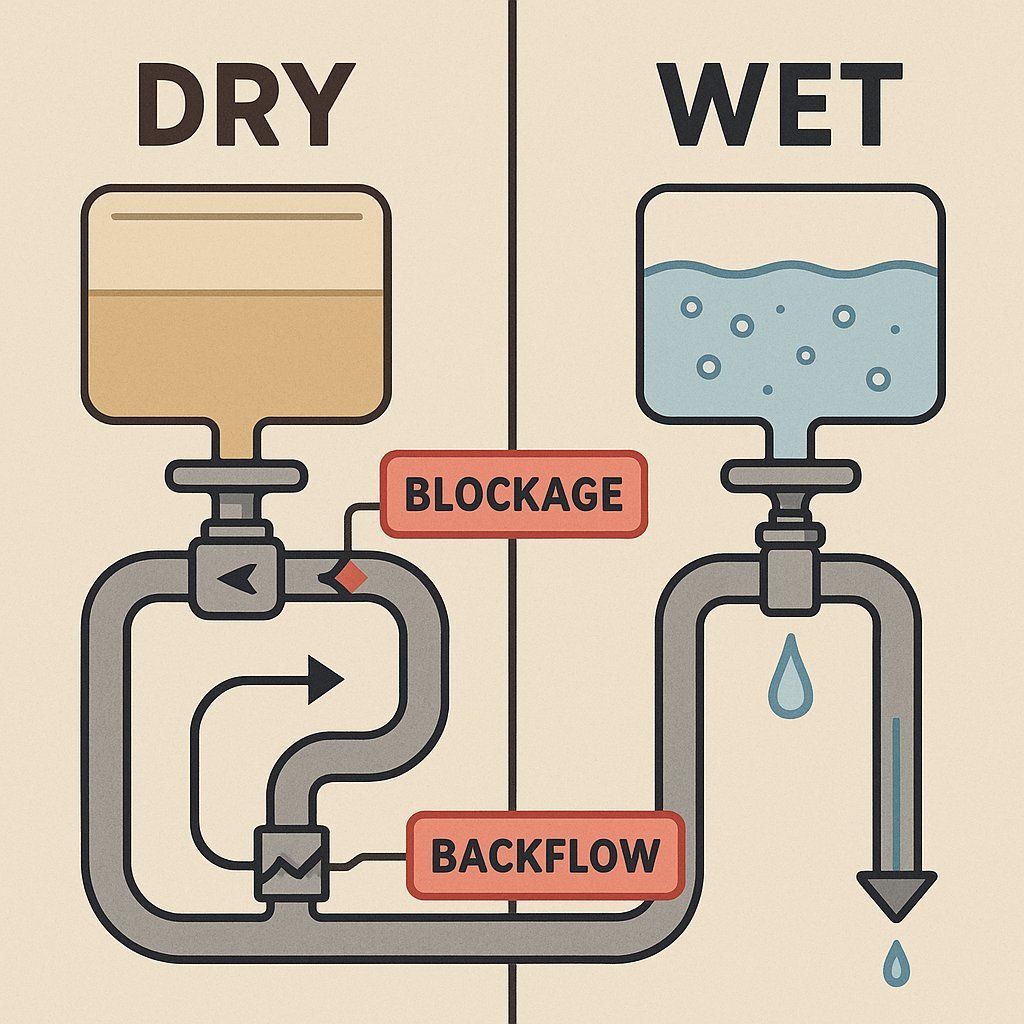
Table of Contents
- Overview: What Actually Changes Between a Dry and Wet Orgasm
- How Orgasms and Ejaculation Work in the Male Sexual Response Cycle
- Dry Orgasms: Normal Variations, Medical Causes, and Hidden Risks
- Sex Techniques That Influence Ejaculation: Dry Humping, Edging, and Non-Ejaculatory Orgasm
- When Ejaculatory Control Becomes Unhealthy: Warning Signs and Safer Alternatives
- Integrating Size Goals, Ejaculatory Control, and Long-Term Sexual Wellness
- FAQ
Overview: What Actually Changes Between a Dry and Wet Orgasm
Expert Insight: According to Mayo Clinic, dry orgasm can result from surgeries that remove the prostate or bladder, or from procedures for testicular cancer that affect nerves controlling ejaculation, and it can also occur when semen goes into the bladder instead of out through the penis, a condition called retrograde ejaculation ([Mayo Clinic](https://www.mayoclinic.org/symptoms/dry-orgasm/basics/causes/sym-20050906)). The article also notes that multiple orgasms in a short period can temporarily use up available semen, leading to a dry orgasm that usually improves after a few hours of rest. (www.mayoclinic.org)

Most men grow up assuming orgasm and ejaculation are always the same event. In reality they are linked but separate processes in the sexual response cycle. A wet orgasm includes the familiar buildup, pelvic contractions, and release of semen. A dry orgasm includes the pleasure and muscle contractions of climax but little or no semen leaving the penis.
For some men, dry orgasms are a short-term side effect of intense sexual activity. For others, they are a sign of medical issues such as retrograde ejaculation, nerve damage, or hormonal problems. And for a smaller group, dry orgasms are pursued deliberately as a way to practice ejaculatory control or enjoy multiple orgasms.

Understanding how wet and dry orgasms differ, how they are produced, and what can go wrong is essential for men’s sexual wellness. It helps you separate harmless experimentation from warning signs that deserve medical evaluation.
How Orgasms and Ejaculation Work in the Male Sexual Response Cycle
To understand dry vs wet orgasms, it helps to know how the male sexual response cycle works. Clinically, it is often broken into four stages: desire, arousal, orgasm, and resolution.
- Desire and arousal: Mental and physical arousal increase blood flow to the penis. This produces an erection through vascular and nerve signals. Sex techniques, visual stimulation, fantasies, and direct genital touch all feed into this process.
- Plateau: As stimulation continues, muscle tension and heart rate rise. The prostate, seminal vesicles, and vas deferens prepare to release semen. Many men feel a “point of no return” as the body commits to ejaculation.
- Orgasm: Orgasm is the peak of pleasure, driven by rhythmic contractions of pelvic muscles, prostate, and urethra. This is tied to powerful brain changes in areas that process reward and stress release.
- Ejaculation: In a typical wet orgasm, semen is propelled from the testicles and seminal vesicles, mixed with prostate fluid, and expelled through the urethra. This includes two phases: emission (semen moves into the urethra) and expulsion (muscles contract to push it out).
- Resolution: After ejaculation, erection usually softens and many men experience a refractory period where arousal and another orgasm are difficult or impossible for a time.
Orgasm and ejaculation normally happen together, but they are not the same event. You can technically have orgasm without semen (dry orgasm), ejaculation with muted pleasure, delayed ejaculation, or even orgasm without a full erection. This separation is what makes ejaculatory control training and some advanced sex techniques possible.
Dry Orgasms: Normal Variations, Medical Causes, and Hidden Risks
A dry orgasm is an orgasm with little or no semen leaving the penis. It can be temporary and harmless, or a sign of something serious in the reproductive or nervous system.
Short-term and usually harmless dry orgasms
- Multiple orgasms in a short window: If you have repeated orgasms back-to-back, your body may temporarily “run low” on semen volume. The contractions and pleasure are still there, but the next climax may be mostly or completely dry. This typically resolves after several hours of rest.
- Very low semen volume: Some men simply produce less fluid. Orgasms may appear “light” or nearly dry even though the process is normal for their body.
Retrograde ejaculation
Retrograde ejaculation happens when semen moves into the bladder instead of out through the penis. The man still feels orgasm, but little or no semen exits the tip.
- Common triggers: Prostate or bladder surgery (such as prostate removal, transurethral resection of the prostate, or bladder removal surgery), some nerve-involving procedures for testicular cancer, or treatments that affect the bladder neck.
- Medications: Certain drugs for high blood pressure, enlarged prostate, or mood disorders can affect the nerves or muscle tone that normally keep semen moving forward.
- Health conditions: Diabetes, multiple sclerosis, and spinal cord injury can damage the nerves that coordinate ejaculation, making retrograde ejaculation more likely.
Retrograde ejaculation is not dangerous in itself, but it can cause fertility problems, because semen is not deposited in the vagina during intercourse. Urine may look cloudy afterward because it contains semen.
Other medical causes of dry orgasm
- Blocked ejaculatory ducts: If ducts are obstructed, semen cannot leave properly. Orgasms may feel weaker and volume drops.
- Genetic or developmental issues: Some men have structural or gland issues that limit semen production from the start.
- Male hypogonadism (low testosterone): Low testosterone can reduce libido, erection quality, and sometimes ejaculatory volume as part of broader hormone disruption.
When a dry orgasm is a red flag
Seek medical evaluation if you notice any of these patterns:
- Sudden new dry orgasms after a surgery, injury, or new medication.
- Cloudy urine after orgasm combined with very little or no semen coming out.
- Persistent dry orgasms plus difficulty conceiving with a partner.
- Painful orgasm, burning, or blood in semen or urine.
- Loss of orgasm intensity, sensation, or major changes in erection quality over weeks or months.
A urologist or men’s health specialist can review your symptoms, medications, and medical history, and may use lab tests or imaging to look for structural, nerve, or hormone issues. Getting help early protects long-term men’s sexual wellness and fertility options.
Sex Techniques That Influence Ejaculation: Dry Humping, Edging, and Non-Ejaculatory Orgasm
Not all dry orgasms are medical problems. Some are the result of specific sex techniques or arousal patterns men experiment with to change how they orgasm and ejaculate.
Dry humping (outercourse)
Dry humping is rubbing or grinding your genitals against your partner’s body or against objects such as pillows or furniture, usually with clothes still on. It is also called frottage, dry sex, or grinding.
- How it affects orgasm: Because there is usually fabric and no penetration, stimulation can be more diffuse, slower, and less intense on the glans. Some men report that this type of stimulation lets them build arousal without rushing to ejaculation, making orgasm more controllable.
- Pregnancy and STD risk: With clothes on and no direct genital contact or fluid exchange, the risk of pregnancy or most sexually transmitted infections is greatly reduced compared with penetrative sex. However, if clothes come off or there is genital-to-genital contact with fluids, some risk returns.
- Possible downsides: Very rough grinding against seams or hard objects can irritate skin or cause mild bruising. Repeatedly relying on this as the main form of stimulation may also condition your body to respond to pressure and friction that are different from intercourse or oral sex, which can contribute to difficulty climaxing with a partner.
Edging and orgasm control
Edging means bringing yourself close to orgasm, then backing off before ejaculation. Many men use this technique alone or with a partner to learn better ejaculatory control, delay climax, or intensify eventual orgasm.
- Benefits: Improved awareness of the “point of no return,” better control over thrusting patterns and arousal, and sometimes stronger orgasms after a long build-up.
- Risks if overdone: Long sessions where you stay highly aroused for an hour or more without release can leave the pelvis and prostate congested. Some men experience aching, discomfort, or a sensation similar to “blue balls.” Chronic overuse may increase irritation of the prostate or worsen existing pelvic floor tension.
- Dry orgasm crossover: In some men, intense edging can result in a climax where contractions occur but little semen is produced, especially if they have ejaculated earlier in the day. This is usually temporary but can be confusing if you are not expecting it.
Non-ejaculatory or “dry” orgasm training
Some men deliberately learn to separate orgasm from ejaculation. This can be through breathing, pelvic floor control, and very precise timing of stimulation. The goal is often to maintain erection and continue sexual activity after climax, sometimes pursuing multiple orgasms.
- Potential benefits: Longer sessions, more flexibility in choosing when to ejaculate, and exploration of different orgasmic sensations.
- Skill requirements: Good awareness of pelvic muscles, controlled arousal, and patience. Many men never fully separate orgasm and ejaculation, and that is normal.
- Risks: Repeatedly “blocking” or forcing ejaculation to stop with hard squeezing, extreme kegel contractions, or sudden cessation of stimulation at the last second can strain pelvic floor muscles and potentially aggravate existing prostate or pelvic pain.
Sex techniques can be powerful tools for improving your experience, but they should support, not undermine, your long-term sexual function. If experimentation starts to reduce orgasm intensity, cause pain, or make it harder to ejaculate when you want to, it is time to adjust your approach.
When Ejaculatory Control Becomes Unhealthy: Warning Signs and Safer Alternatives
Working on orgasm and ejaculation control is common among men who want better stamina, more options in bed, or to reduce premature ejaculation. The line between healthy practice and harmful obsession is crossed when experimentation starts to damage physical function, create anxiety, or dominate your sexual life.
Warning signs your ejaculatory control goals are going too far
- You avoid orgasm or ejaculation for long periods out of fear it will “waste testosterone,” shrink your penis, or ruin gains from training. These beliefs are not supported by quality scientific evidence.
- You repeatedly clamp, squeeze, or tense hard around the base of the penis right at the moment of climax to “force” a dry orgasm, and afterward you notice pelvic pain, burning, or a dull ache in the perineum or prostate area.
- Your orgasms feel progressively weaker or numb, or ejaculation is delayed so long that climax becomes difficult even when you want it.
- You experience frequent painful orgasms, or semen changes dramatically in color, smell, or volume for weeks, not just one or two sessions.
- Controlling ejaculation and chasing dry orgasms has become a central obsession, overshadowing intimacy, connection, and mutual pleasure with your partner.
If any of these patterns sound familiar, it is wise to scale back and check in with a healthcare professional. Chronic pelvic floor overuse, unresolved stress, and extreme masturbation habits can all feed into orgasm and ejaculation problems.
Building healthier habits around orgasm training
- Prioritize comfort over performance: Any technique that routinely leaves you sore, numb, or significantly more tense afterward is not supporting men’s sexual wellness, regardless of how advanced it seems.
- Limit intense sessions: Long edging or non-ejaculatory sessions should be occasional, not daily. Give your body rest days, just as you would with any training routine.
- Rotate stimulation types: If most of your masturbation involves tight grip, porn, or rough friction through multiple layers of fabric, balance it with slower, more intercourse-like touch so your body stays adaptable.
- Monitor morning erections: Consistent changes in morning erections can signal nervous system, vascular, or hormonal strains that warrant attention.
Smarter ways to pursue better orgasms and control
- Technique and communication: Experimenting with positions, rhythm, and pacing during partner sex often improves control more safely than aggressive solo experiments.
- Pelvic floor awareness, not overuse: Gentle kegel work can help, but constant clenching is counterproductive. Learning to relax as well as contract the pelvic floor is crucial.
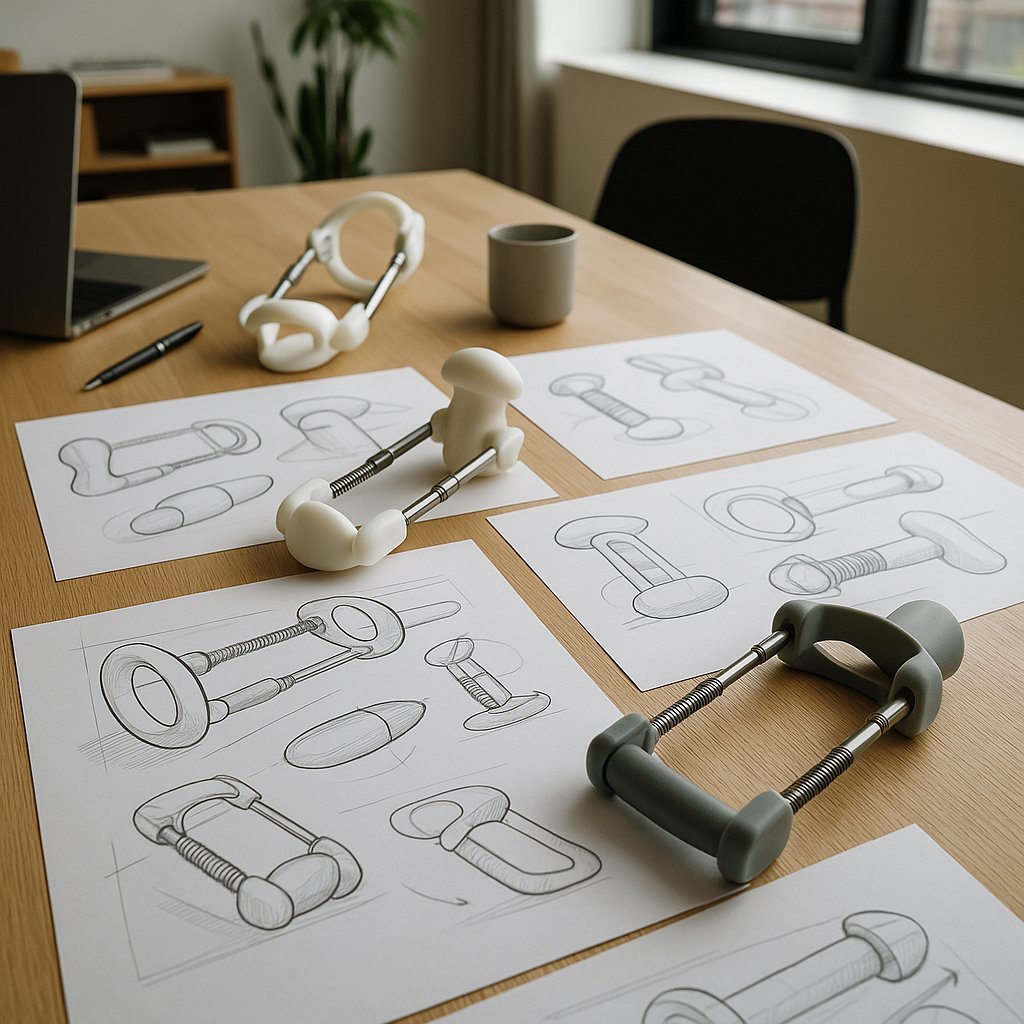
- Evidence-informed tools: If part of your goals include confidence in size or erection quality, consider structured, lower-intensity tools such as a penis extender or penis stretcher rather than extremely aggressive manual jelq sessions. Used sensibly, these devices can be folded into a broader plan that also respects recovery, libido, and comfort.
For men combining erection training with orgasm control, it can help to separate goals into different days. For example, use your penis extender or stretcher sessions on some days, and focus on arousal and ejaculation timing skills on others, instead of stacking everything into one overloaded routine.
Integrating Size Goals, Ejaculatory Control, and Long-Term Sexual Wellness
Many men interested in dry orgasms, non-ejaculatory techniques, and orgasm control are also experimenting with jelq routines, penis extenders, or other tools for size and confidence. The challenge is to combine these interests without creating a cycle of strain and disappointment.
Be honest about your primary goal
- If your main priority is better sexual experiences, focus first on communication, realistic arousal pacing, and sustainable sex techniques. Orgasm quality, emotional connection, and reliable erections matter more than extreme control or chasing a particular type of climax.
- If your priority is size or curvature improvement, work with slower, more controlled devices such as a penis extender or penis stretcher and avoid stacking high-intensity jelq with aggressive edging or repeated dry orgasm attempts in the same session.
Respect recovery for both tissue and nerves
- Spacing out jelq or stretching sessions helps protect tissue and blood flow.
- Limiting highly intense masturbation or dry-humping marathons reduces nerve irritation and lowers the risk of changing how your body responds to more typical stimulation.
- Rest days and lighter sessions support long-term sensitivity and erection quality.
When to consider professional guidance
- You are struggling to reach orgasm or ejaculate at all, solo or with a partner.
- Your orgasms have become consistently dry without an obvious, short-term reason such as multiple ejaculations in quick succession.
- You have had prostate, bladder, or testicular surgery and now notice major changes in ejaculation or orgasm.
- You feel trapped between size goals, intense routines, and worsening sexual enjoyment or anxiety.
A urologist or sexual medicine specialist can check for structural or hormonal issues, while a sex therapist can help address performance pressure and unhelpful beliefs about orgasm and ejaculation.
A practical, lower-strain path forward
If you want to work on confidence, sensitivity, and function without burning yourself out, prioritize comfort-first habits and evidence-informed tools. For example, some men find it more manageable to rely less on extreme jelq pressure and instead use a carefully fitted extender device from an established brand. If you go this route, choose official channels; one option is the manufacturer’s store at this affiliate link, and pair any device use with mindful rest and honest body feedback.
Ultimately, dry vs wet orgasms are simply different expressions of the same sexual system. The goal is not to force your body into one specific pattern, but to learn what feels good, stays pain-free, and protects your capacity for satisfying ejaculation and orgasm over the long term.
FAQ
Q: What’s the main difference between a dry and a wet orgasm in men?
A: In a wet orgasm, the prostate and glands release semen through the urethra, leading to visible ejaculation. In a dry orgasm, the orgasmic muscle contractions happen with little or no fluid coming out, either because very little semen is produced or it goes backward into the bladder.
Q: Can sex techniques like edging or semen retention permanently change how I orgasm?
A: Edging, semen retention, and certain pelvic techniques can temporarily affect how quickly you ejaculate and whether you have a dry or wet climax in the short term. For most men, orgasm patterns return to baseline when they stop the techniques, although some people learn better arousal control that carries over into future sex.
Q: Is it safe to intentionally try to have dry orgasms during sex or masturbation?
A: Occasional dry orgasms from arousal control, edging, or specific positions are usually not a problem if you feel comfortable and pain-free. It becomes questionable when you’re constantly forcing ejaculation to stop, ignoring discomfort, or doing it primarily out of pressure to “perform” a certain way.
Q: When does ejaculatory control training become unhealthy or risky?
A: It crosses into unhealthy territory when you feel pain, pelvic tension that doesn’t relax, burning with urination, or a sudden drop in erection quality or desire. It’s also a red flag if you feel anxious, obsessed with staying dry, or unable to enjoy sex unless you follow strict control routines.
Q: Can having only dry orgasms affect fertility or long‑term sexual wellness?
A: If semen is frequently not leaving the body, this can matter for fertility because there’s no ejaculate available to reach a partner’s egg. Over time, chronic strain from forcing dry orgasms, clenching, or repeatedly stopping ejaculation may contribute to pelvic tension, performance anxiety, or changes in how satisfying orgasm feels.



Post Comment