Delayed Ejaculation Explained: Causes, Diagnosis, and Step‑by‑Step Home Strategies to Reach Orgasm More Reliably
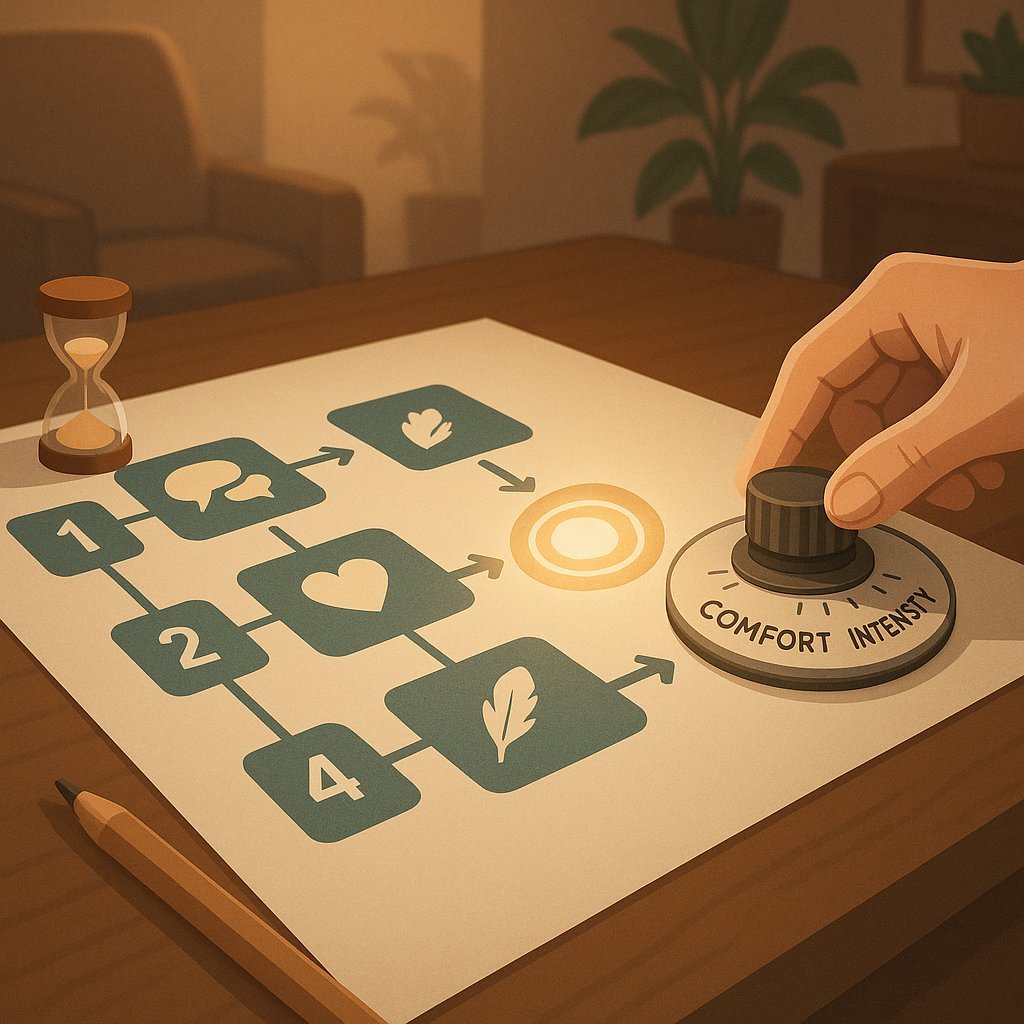
Table of Contents
- Overview: What Delayed Ejaculation Actually Is (and Isn’t)
- Common Causes: Physical, Medication, and Psychological Triggers
- How Delayed Ejaculation Is Diagnosed and When to See a Doctor
- Step‑by‑Step Home Strategies to Reach Orgasm More Reliably
- Protecting Men’s Sexual Wellness While You Experiment With Techniques and Devices
- Conclusion: A Structured, Safe Path Toward More Reliable Orgasm
- FAQ
Overview: What Delayed Ejaculation Actually Is (and Isn’t)
Expert Insight:

According to Mayo Clinic (https://www.mayoclinic.org/diseases-conditions/delayed-ejaculation/diagnosis-treatment/drc-20371363), evaluation for delayed ejaculation typically includes a physical exam plus blood and urine tests to check for conditions such as diabetes, heart disease, infections, and hormone problems. The Mayo Clinic also notes that treatment depends on the cause and may involve adjusting current medications, adding other medicines (none are specifically approved for delayed ejaculation), psychological counseling, or addressing alcohol or illicit drug use. (www.mayoclinic.org)
Delayed ejaculation means it takes a long time to reach orgasm and ejaculation during sex or masturbation, or it may not happen at all, even though you feel stimulated and want to climax. Some men can ejaculate only in certain situations (for example, during masturbation but not with a partner), while others struggle in every context.

It’s different from:
- Erectile dysfunction (ED):Trouble getting or keeping an erection. Many men with delayed ejaculation have normal erections.
- Anejaculation:Reaching orgasm but having no semen come out of the penis.
- Anorgasmia:Not being able to reach orgasm, or orgasms feeling very weak, even with strong stimulation.
Delayed ejaculation is a type of sexual dysfunction. It can affect confidence, relationships, fertility, and overall mens sexual wellness, but it is often treatable. Understanding the causes and getting a proper diagnosis are the fastest ways to choose smart, step‑by‑step home strategies instead of guessing in the dark.
Common Causes: Physical, Medication, and Psychological Triggers
Delayed ejaculation rarely has just one cause. It often shows up when physical, medication, and psychological factors stack together. Knowing what might be driving it in your case helps you and your clinician build a targeted plan.
1. Physical and medical conditions
- Diabetes and nerve damage:High blood sugar over time can damage the nerves involved in erection, arousal, and ejaculation.
- Neurologic problems:Spinal cord injuries, multiple sclerosis, and other nerve disorders can interrupt the signals that trigger orgasm and ejaculation.
- Hormonal issues:Low testosterone or thyroid problems can blunt desire, arousal, and the intensity of orgasm.
- Pelvic or prostate surgery:Operations that affect the bladder, prostate, or spinal cord may change how ejaculation works.
- Alcohol and recreational drugs:Both short‑term intoxication and long‑term heavy use can delay or block ejaculation.
2. Medications that slow ejaculation
Several common medications list delayed ejaculation or anejaculation as possible side effects, especially:
- Antidepressants(particularly SSRIs like sertraline, fluoxetine, and others)
- Some antipsychotics
- Blood pressure medicationssuch as certain beta‑blockers
- Drugs for enlarged prostatethat alter nerve and muscle function in the pelvic area
If your symptoms started soon after a new medication or dose change, that’s key information for your provider.
3. Psychological and relationship factors
- Performance anxiety:Worrying about “taking too long,” losing your erection, or disappointing your partner can pull focus away from pleasure and block orgasm.
- Depression and chronic stress:Both can lower desire and the ability to “let go” into orgasm.
- Relationship conflict:Resentment, poor communication, or feeling disconnected during sex can make climax hard to reach.
- Learned arousal patterns:Some men need very specific sensations, pressure, or visual triggers (for example, certain porn habits) to finish. Partner sex may not replicate those conditions.
4. Sexual technique and stimulation mismatch
Even when everything else checks out, a mismatch between how you usually stimulate yourself and how your partner touches you can delay ejaculation. For example, if you always masturbate with a tight, fast grip, partner sex may feel too loose or inconsistent by comparison. This is where adjusting sex techniq and home strategies (see below) can make a real difference.
How Delayed Ejaculation Is Diagnosed and When to See a Doctor
You do not need to “hit a certain time limit” before you qualify for help. If you or your partner feel frustrated, distressed, or avoid sex because it seems impossible to finish, that’s enough reason to talk with a clinician.
1. What providers usually ask
A typical visit starts with questions such as:
- How often does delayed ejaculation happen? Is it every time or only sometimes?
- Can you ejaculate during masturbation but not intercourse, or vice versa?
- Roughly how long does it take you to ejaculate when you do?
- Have you noticed changes in desire, erection quality, or orgasm intensity?
- When did the problem start, and what was happening in your life around that time?
- What medications, supplements, or recreational drugs do you use?
- Are there relationship or mental health stresses (anxiety, depression, conflict)?
2. Physical exam and lab tests
Your provider may perform a focused physical exam of the penis, testicles, and sometimes the prostate to look for structural or nerve issues. They may also order:
- Blood teststo check hormones, diabetes, cardiovascular risk, and other health conditions
- Urine testsfor signs of infection or diabetes
Depending on what they find, you may be referred to a urologist (male genital and urinary specialist), an endocrinologist (hormones), or a mental health professional.
3. Treatment options from the medical side
- Adjusting current medications:Reducing the dose or switching to a different drug with fewer sexual side effects when medically safe.
- Off‑label medications:Drugs like amantadine, buspirone, or cyproheptadine are sometimes tried, though none are specifically approved for delayed ejaculation.
- Counseling and sex therapy:Addressing anxiety, depression, pornography overuse, relationship tension, or unhelpful beliefs about sex.
4. When to seek urgent care
Delayed ejaculation alone is rarely an emergency. Seek urgent or emergency care if it appears together with sudden weakness, loss of sensation, severe back pain, new trouble controlling your bladder or bowels, or other signs of a neurological event.
Step‑by‑Step Home Strategies to Reach Orgasm More Reliably
Home strategies work best when you use them as a structured experiment, not a random mix of tips. The aim is to teach your nervous system that it is safe to climax in more than one way and in more than one setting.
Step 1: Reset pressure and expectations
- Stop using a stopwatch.Focusing on the clock or comparing yourself to porn removes you from the sensations that help trigger orgasm.
- Change what “success” means at first.For a few weeks, measure success by comfort, connection, and arousal level rather than whether you ejaculate every time.
- Talk openly with your partner.Explain that delayed ejaculation is not about lack of attraction. Agree that you are experimenting together, not auditioning.
Step 2: Map what actually gets you close
During solo sessions, use curiosity instead of autopilot:
- Note which stroke speed, pressure, and angle bring you nearest to orgasm.
- Pay attention to other factors: visual triggers, fantasy themes, breathing patterns, and muscle tension.
- Slow down at 70–80% arousal and see if you can stay in that zone without losing your erection.
This gives you a blueprint you can gradually translate to partnered sex.
Step 3: Gradually reduce dependence on specific masturbation habits
If you rely on very intense, narrow stimulation (for example, an extremely tight grip or only one specific porn genre), dial it back over 4–8 weeks:
- Loosen your grip slightly and vary the stroke pattern to more closely resemble what a partner can do.
- Experiment with less stimulating porn or audio only, or take structured porn breaks so your brain can respond more to real‑life cues.
- Shift some attention from the screen to body sensations: warmth, friction, breathing, pelvic movement.
Step 4: Translate solo progress to partner sex
Once you can reach orgasm reliably during adjusted solo sessions, start integrating similar patterns with your partner:
- Guide your partner’s hand or mouth to mimic what you know works for you.
- Try positions that allow you to control depth and rhythm (for example, you on top or side‑lying positions).
- Alternate between penetration and manual/oral stimulation instead of relying on penetration alone.
- Ask for steady, consistent stimulation near the point of no return instead of frequent changes.
Step 5: Use breathing and muscle awareness
- Relax the pelvic floor:Many men unconsciously clench their pelvic muscles when anxious, which can delay or blunt orgasm. During arousal, practice gentle inhalations into the lower belly and soften the muscles around your anus and perineum on each exhale.
- Let your body move:Thrusting, small hip circles, and natural vocalization all help your nervous system shift into a more primal, orgasm‑friendly state.
Step 6: Adjust timing of arousal buildup
Some men with delayed ejaculation benefit from a quicker ramp‑up:
- Start with more focused, direct stimulation at the beginning of a session instead of a long period of light, diffuse touch.
- Once you reach a strong arousal level, maintain it steadily rather than repeatedly dropping down and building back up.
Step 7: Involve your partner in experiments
- Schedule “practice sessions” where orgasm is optional and exploration is the goal.
- Use clear, simple guidance in the moment: “More pressure,” “slower,” “stay there.”
- Check in after: What worked? What didn’t? What felt positive even if you didn’t ejaculate?
These steps are not a quick fix, but they systematically retrain your body and brain to make orgasm more reachable, without sacrificing pleasure or connection.
Protecting Men’s Sexual Wellness While You Experiment With Techniques and Devices
Delayed ejaculation can tempt some men to chase ever‑stronger or stranger stimulation. That can backfire by pushing your body further away from the conditions it needs to climax comfortably. The goal is to expand your ability to respond, not to overwhelm your system.
1. Keep “more stimulation” from turning into self‑injury
Some men experiment with aggressive jelq routines, rough masturbation, or long sessions with intense sex toys to try to “force” stronger arousal. While gentle jelq and stretching are often discussed in mens sexual wellness spaces, overdoing any high‑pressure technique or device can irritate tissues, affect nerve sensitivity, or create new problems like pain or erectile issues.
- Favor moderate, comfortable stimulationover extreme pressure or friction.
- Avoid pushing through pain, numbness, or tingling just to “finish.” Those are signals to stop.
- Give your body rest days if you have any soreness or changes in sensitivity.
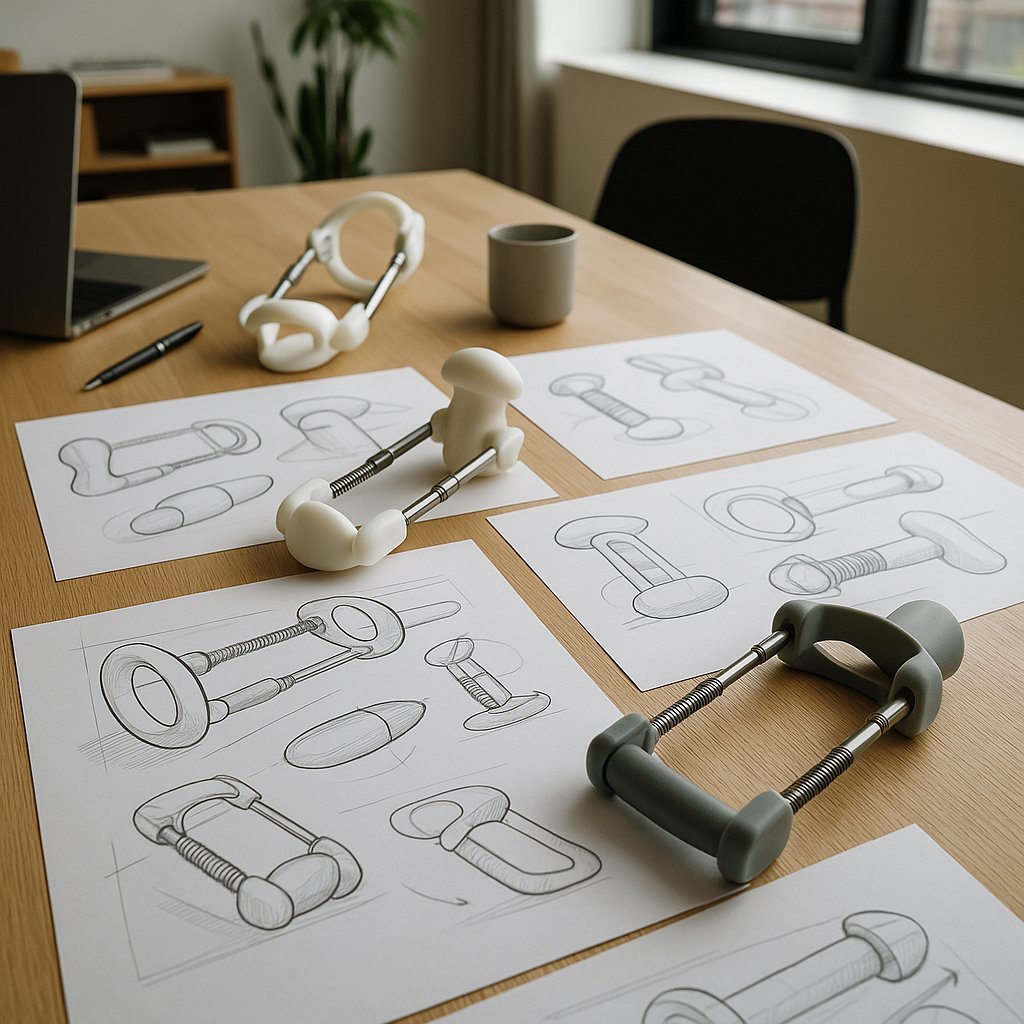
2. Using devices like penis stretchers or extenders responsibly
A penis extender or penis stretcher is designed to apply gentle, sustained traction. Many men explore these devices for cosmetic or curvature reasons. If you choose to use one while working on delayed ejaculation, treat it as a long‑game tool, not a quick fix for orgasm problems.
- Follow the manufacturer’s instructions carefully and increase tension gradually.
- Monitor for numbness, coldness, or color changes and remove the device immediately if they appear.
- Use devices in addition to, not instead of, medical evaluation and healthy sexual habits.
If you want a medically shaped traction device, consider starting with a reputable product through the official Penimaster storeso you are not gambling on poorly made gear. Choose equipment that supports long‑term comfort and consistent use rather than extreme tension.
3. Aligning technique tweaks with your body’s limits
As you refine your sex techniq, keep the emphasis on:
- Comfort:No burning, sharp pain, or prolonged soreness during or after sex.
- Responsiveness:Your erection and sensation should feel at least as good as before, not worse.
- Recovery:If a new practice leaves you with temporary numbness, discoloration, or marked fatigue, scale back.
4. Integrating mental health into your strategy
If you have persistent anxiety, low mood, or relationship tension, build support in parallel:
- Work with a therapist who understands sexual concerns, or a certified sex therapist.
- Include your partner in a few sessions if possible, so you are solving this together instead of silently blaming yourself.
- Track mood, stress, and sleep alongside your sexual progress; they are often closely linked.
Combining thoughtful physical strategies with mental and relational support gives you the best shot at more reliable, satisfying orgasm without compromising your overall sexual health.
Conclusion: A Structured, Safe Path Toward More Reliable Orgasm
Delayed ejaculation is common, often under‑discussed, and rarely a sign that your sex life is “broken.” It is usually the result of several factors—medical conditions, medications, psychological pressure, and learned stimulation patterns—interacting over time.
The most effective approach is a combination of:
- Proper diagnosisto rule out or treat medical causes.
- Thoughtful changes to techniqueand habits, both solo and with a partner, rather than chasing extreme stimulation.
- Open communication and emotional supportso that sex stays connected instead of turning into a test.
If you commit to a step‑by‑step experiment, protect your body’s limits, and bring professionals in when needed, you can usually move toward more predictable, satisfying ejaculation and protect your broader mens sexual wellness in the process.
FAQ
Q:
What is considered delayed ejaculation and how is it different from just taking a long time?
A:Delayed ejaculation usually means consistently needing much longer than you’d like to reach orgasm during sex or masturbation, or being unable to ejaculate at all despite strong arousal. The key difference from “just taking a while” is that it feels like a problem to you or your partner and happens repeatedly, not just occasionally.
Q:
Can psychological factors alone cause delayed ejaculation?
A:Yes. Performance anxiety, stress, depression, relationship conflict, or strict beliefs about sex can interfere with the mental focus and relaxation needed to orgasm. Even if your body is healthy, persistent worry or emotional tension can slow or block ejaculation.
Q:
What should I expect during a medical evaluation for delayed ejaculation?
A:A clinician typically asks about your sexual history, medications, mental health, and whether delayed ejaculation happens during masturbation, partnered sex, or both. They may do a physical exam, check hormone levels or blood sugar, and then suggest tailored treatment or referrals based on what they find.
Q:
Are there effective at‑home strategies to improve delayed ejaculation?
A:Many men benefit from structured self‑stimulation exercises, changing sexual positions, and focusing more on pleasure than on “finishing.” Adjusting porn use, experimenting with different sensations, and practicing relaxation or mindful breathing can also help your body and mind sync better for orgasm.
Q:
How long do home strategies for delayed ejaculation usually take to work?
A:Progress is often gradual over weeks, not days. Tracking small improvements—like reaching orgasm a bit faster, or feeling more consistent arousal—helps you see what works, refine your routine, and stay motivated without putting yourself under pressure.


Post Comment