Jelq Safety Tips: How to Spot Red Flags, Respect Real Limits, and Choose Smarter Alternatives
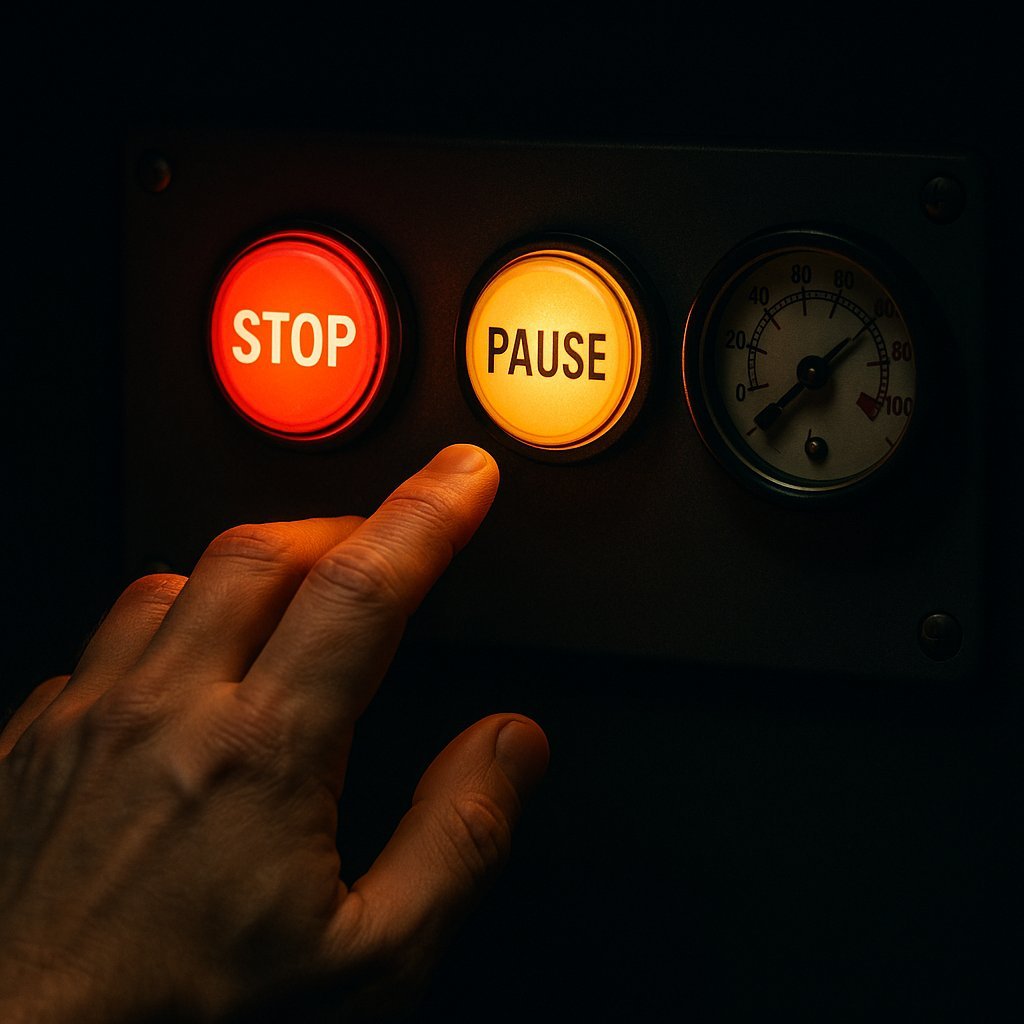
Table of Contents
- Overview: Where Jelq Fits in Men’s Sexual Wellness
- Red Flags During or After Jelq You Should Never Ignore
- Understanding Your Real Limits: How Much Risk Is Too Much?
- When to Pause, Stop, or Switch to Alternatives
- Safer Alternatives: Extenders, Technique Tweaks, and Whole-Body Sexual Health
- Conclusion: Make Size Experiments Serve Your Long-Term Sexual Health
- FAQ
Overview: Where Jelq Fits in Men’s Sexual Wellness
Expert Insight: According to Mayo Clinic (https://www.mayoclinic.org/healthy-lifestyle/mens-health/in-depth/penis-health/art-20046175), penis health is broader than erections and reproduction, as penis problems can signal other health conditions and lead to stress, relationship difficulties, and low self-confidence. The article notes that common issues affecting penis health and sexual function include erectile dysfunction, various ejaculation problems (such as premature, delayed, painful, reduced, or retrograde ejaculation), and anorgasmia. (www.mayoclinic.org)
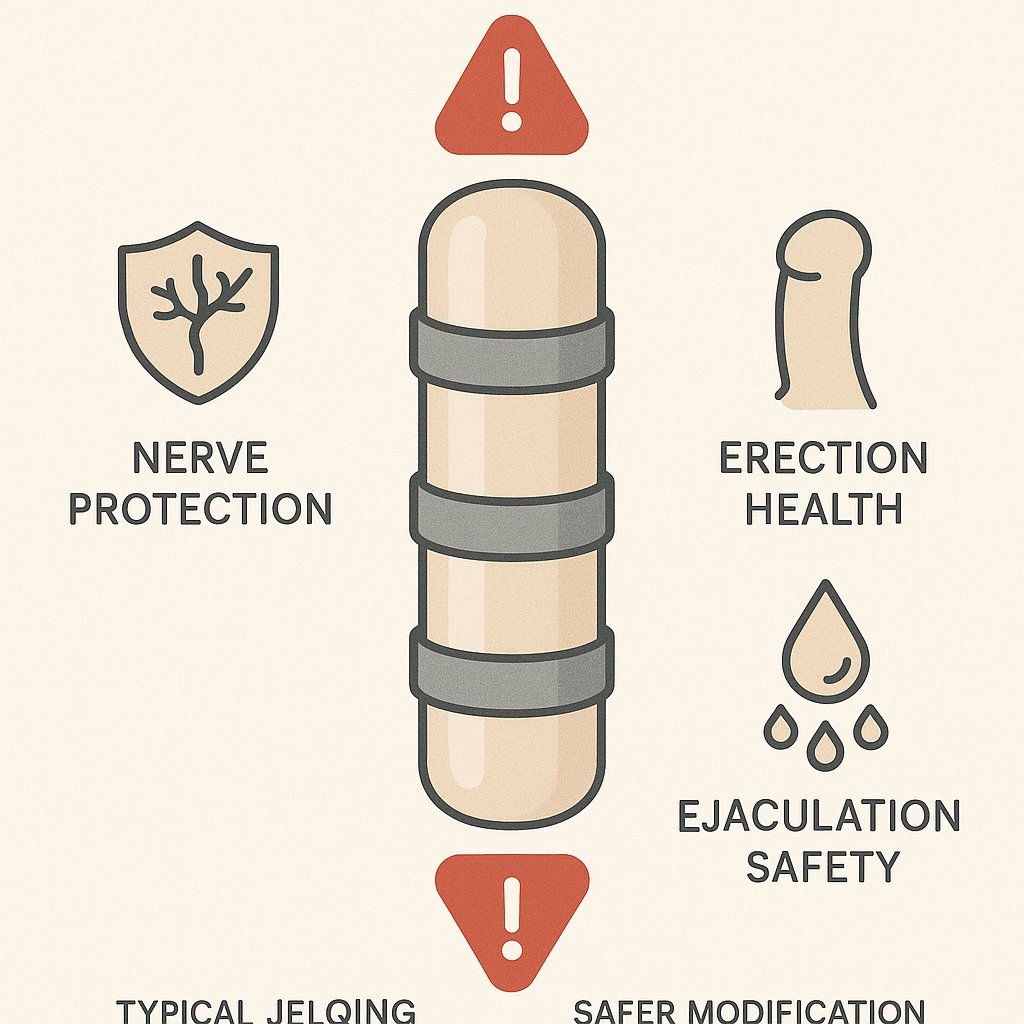
Jelqing is often marketed as a simple way to increase size, but major medical sources point out that there is no strong clinical evidence that jelq can safely enlarge the penis. At the same time, penis health is about much more than length or girth. It includes reliable erections, comfortable ejaculation, good sensation, and stable confidence in your sex life and relationships.
If you choose to experiment with jelq anyway, you need a clear safety framework: how to recognize early red flags, what your real limits are, and when switching to alternatives (like a medically designed penis extender, different sex techniq, or professional treatment) makes more sense than doing another stroke.

This guide focuses on three things: practical red-flag symptoms to watch for, realistic limits based on how penile tissue actually works, and decision points where it is smarter to change course for long-term men’s sexual wellness.
Red Flags During or After Jelq You Should Never Ignore
Many men push through warning signs because they are focused on results. That is exactly how temporary irritation can turn into lasting damage. If you notice any of the issues below during or after jelqing, treat them as stop signals, not challenges to power through.
- Sudden sharp pain or tearing sensation
Any stabbing, ripping, or intense burning feeling in the shaft or glans is a hard stop. Continuing can increase the risk of internal tissue damage or even a penile fracture during later erections. - Dark bruising, rapid swelling, or visible deformity
Patchy dark bruises, one-sided swelling, or a sudden new bend after a session suggests injury to blood vessels or internal structures. These are not normal “training” responses. - Numbness, tingling, or coldness
Loss of sensation, pins-and-needles, or a cold, pale glans can signal nerve compression or impaired blood flow. According to sexual medicine specialists, chronic nerve issues can seriously affect erection quality and pleasure. - Weak or unstable erections that weren’t a problem before
If erections become softer, shorter-lived, or difficult to maintain in the days or weeks after starting jelq, you may be injuring the vascular tissue that drives erection. This is a key red flag for future erectile dysfunction if ignored. - Painful ejaculation, blood in semen or urine, or unusual discharge
Pain with ejaculation, visible blood, or new discharge should never be blamed on “normal jelq soreness.” These symptoms need medical evaluation, especially because infections and other conditions can also be involved. - Persistent pain or curvature that interferes with sex
Ongoing pain, a new or worsening curve, or difficulty having penetrative sex may indicate conditions like Peyronie’s disease, which involves scar tissue in the penis. Early evaluation gives you more treatment options.
If any of these symptoms appear, stop jelq immediately and contact a healthcare provider or urologist. Men’s clinics and major institutions emphasize that changes in erection quality, new pain, bleeding, severe curvature, or rashes all warrant prompt attention.
Understanding Your Real Limits: How Much Risk Is Too Much?
Because there is no medically validated jelq protocol, the only real “limit” you can trust is the feedback from your own body and sexual function. Respecting these limits is more important than chasing fast gains.
- Your erection level is a safety boundary
Jelqing at or near full erection greatly increases pressure inside the corpora cavernosa (the erectile chambers). That can sharply raise the risk of vascular and tissue damage. If you are experimenting, staying in a low to mid-level arousal range and stopping if you become fully hard is one of the few practical guardrails you control. - Discomfort is not “growth pain”
Dull ache, burning, or throbbing after a session is a sign you pushed too hard. The penis does not respond to overload like a biceps muscle. The erectile system is made of delicate vascular and elastic tissue; repeated trauma can lead to scarring, curvature, and weaker erections. - Morning erections and arousal patterns are early warning systems
Consistently weaker morning erections, decreased libido, or slower arousal are early signs that something in your routine (including jelq, lack of sleep, high stress, smoking, or heavy drinking) is undermining sexual function. Medical organizations also note these as markers of broader cardiovascular and hormone health. - Skin health is a hard limit, not an afterthought
Cracked skin, raw patches, or recurring irritation increase the risk of infection and make any further mechanical stress more dangerous. Healthy skin, with good lubrication and no open areas, is a non-negotiable requirement before you even consider another session. - Existing conditions multiply risk
If you have diabetes, high blood pressure, cardiovascular disease, or are on medicines that affect erections, you already have higher baseline risk for erectile dysfunction and vascular issues. Adding high-pressure jelq to that mix can be especially risky without medical supervision.
A simple rule: if jelq is not clearly neutral or positive for your erections, comfort, and confidence over a few weeks, it is already beyond your safe limit, no matter what online routines suggest.
When to Pause, Stop, or Switch to Alternatives
Stubbornness is one of the biggest hidden risks in penis enlargement attempts. Knowing when to step back is part of serious men’s sexual wellness, not a failure of willpower. Consider the following decision points.
- Immediate full stop
Stop jelq completely and seek medical help if you notice:- sudden severe pain, popping, or snapping sensations
- rapid swelling or major bruising
- blood with ejaculation or urination
- painful erections that do not ease quickly
- Short-term pause and reassessment
Take at least several days to weeks off jelq if you experience:- dull ache that lasts more than a day
- milder bruising or temporary loss of firmness
- irritated skin or residual sensitivity
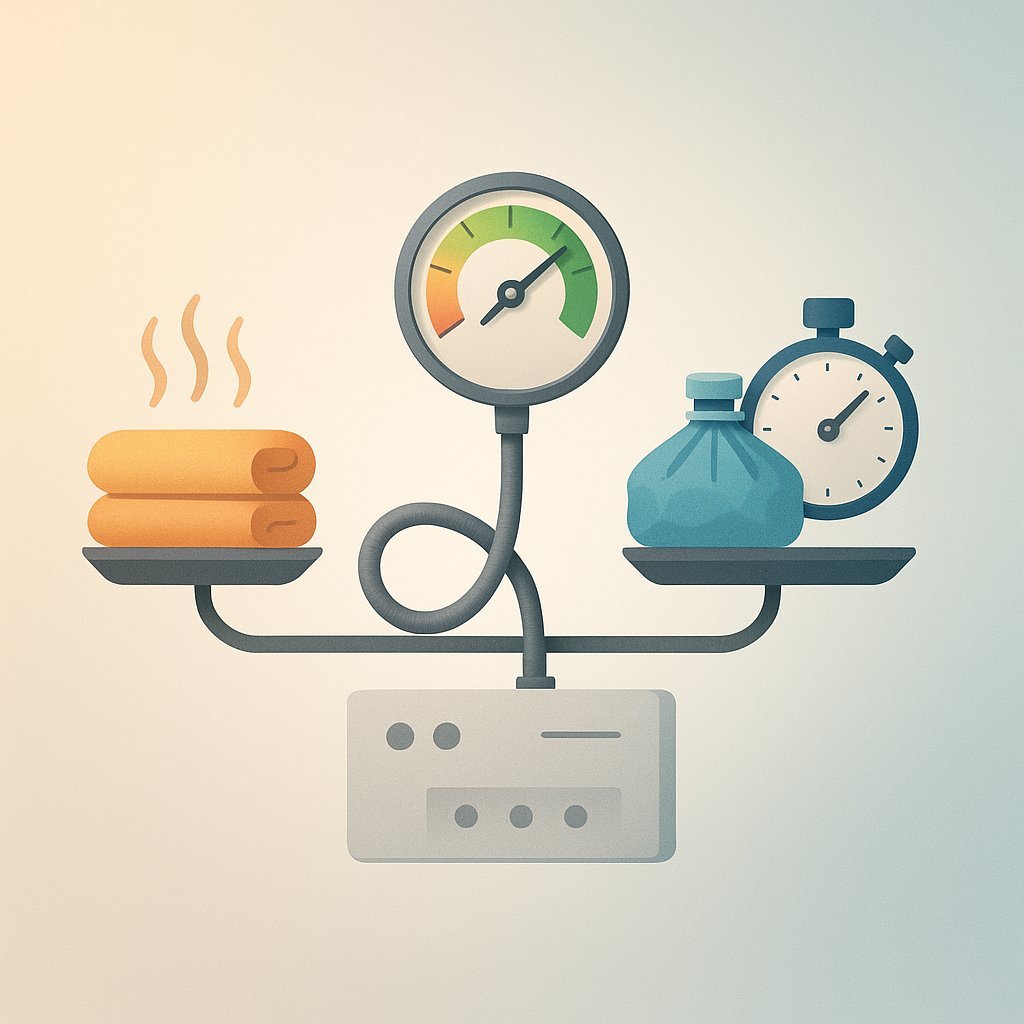
During this pause, monitor morning erections, comfort during masturbation and sex, and overall arousal. Only consider resuming if everything feels fully normal again.
- Permanent stop and alternative strategy
It is often smarter to drop jelq entirely when:- you have recurring setbacks even with “gentle” technique
- you notice ongoing anxiety about damage that makes relaxation and arousal difficult
- your main goals (better stamina, stronger erections, more satisfying ejaculation, better relationships) can be met by other proven methods
At that point, redirect your effort into evidence-supported options like lifestyle upgrades, professional treatment for erectile dysfunction if needed, or structured use of devices designed for gradual traction under medical guidance.
If you are ever uncertain, choosing to stop and get a professional opinion is safer than guessing. Major clinics emphasize that early evaluation for erection changes, pain, or curvature helps prevent long-term problems.
Safer Alternatives: Extenders, Technique Tweaks, and Whole-Body Sexual Health
If you are reconsidering jelq, you still have options. Many men find that combining structured devices, healthier habits, and smarter sex techniq gives them more noticeable gains in satisfaction than manual exercises ever did.
- Medical-style penis extenders and stretchers
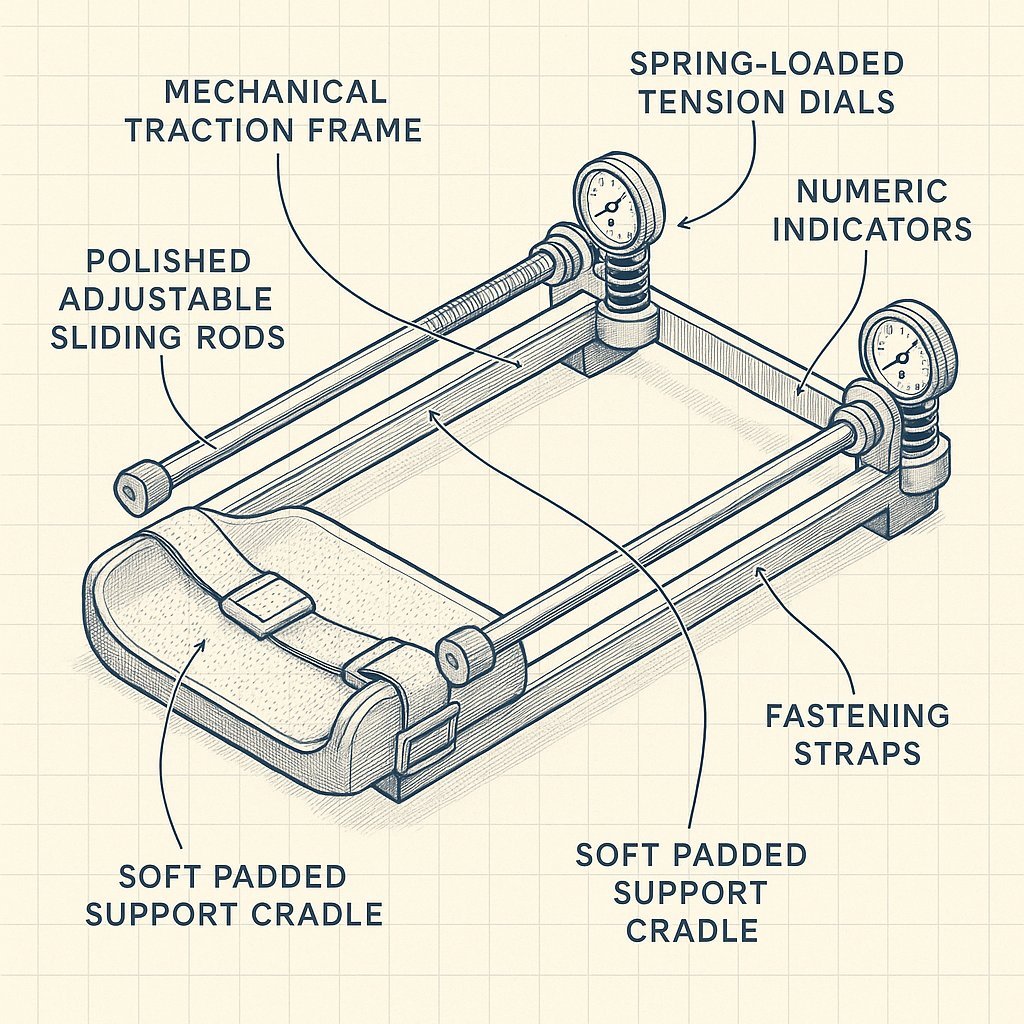
Compared with high-pressure manual jelq, a properly designed penis extender or penis stretcher applies controlled traction over longer periods. Clinical research on traction therapy for curvature and length is more promising than for manual exercises, as long as the device is used exactly as directed. If you go this route, choose a reputable manufacturer and follow time, tension, and rest guidelines closely to protect tissue and blood flow. - Optimizing your erection health first
Strong, dependable erections usually matter more to partners than minor changes in length. Major health organizations highlight simple but powerful steps: stay physically active, maintain a healthy weight, limit smoking and excessive alcohol, manage stress, and treat conditions like high blood pressure or diabetes. These same steps support better erections, orgasm intensity, and overall longevity. - Better sexual techniques and communication
Changing angle, depth, rhythm, and pressure during sex can dramatically alter sensation for both partners. Combining this with more open communication and non-penetrative touch often improves satisfaction far more than a small size difference. Focusing on arousal build-up, foreplay, and mutually enjoyable positions is a direct path to better experiences without extra mechanical stress on the penis. - Professional support when function is the real concern
If your main worry is erectile dysfunction, premature ejaculation, low desire, or difficulty reaching orgasm, a urologist or sexual health specialist will usually give you better results than any manual routine. They can rule out underlying conditions, adjust medicines if needed, and discuss medical treatments, therapy, or structured device use that aligns with your goals.
If you decide traction therapy is a better fit than manual exercises, consider a clinically oriented device from an official source, such as the PeniMaster penis extender, and commit to using it within recommended limits rather than improvising.
Conclusion: Make Size Experiments Serve Your Long-Term Sexual Health
Jelqing sits in a grey zone: heavily promoted online, but not supported by solid clinical trials, and clearly capable of causing harm when overdone. Protecting your erections, sensation, and confidence is more important than chasing an extra centimeter.
Recognize early red flags like pain, bruising, numbness, weaker erections, and any changes in ejaculation as reasons to stop and, if needed, consult a professional. Respect your real limits instead of copying aggressive routines, especially if you already have health conditions or are on medicines that affect blood flow or arousal.
Most importantly, remember that men’s sexual wellness is about the full picture: healthy relationships, satisfying intimacy, reliable erections, and comfortable pleasure. If jelq does not clearly support that, choose safer alternatives—whether that is a carefully used penis extender, strategic lifestyle changes, or simply upgrading how you and your partner explore pleasure together.
FAQ
Q: What are the main warning signs that jelqing is becoming unsafe?
A: Stop immediately if you notice sudden sharp pain, visible bruising, dark or purple spots, numbness, or a cold feeling in the shaft or glans. These changes suggest you’re going beyond normal training stress and could be damaging tissue or blood vessels.
Q: How do I know my personal limits with jelqing?
A: Your limits are defined by how your penis feels during and after sessions, not by someone else’s routine. If you consistently need longer recovery, lose morning erections, or feel sore beyond 24–48 hours, you’re pushing past your safe boundary and should reduce intensity, duration, or frequency.
Q: When should I take a rest break from jelqing?
A: Take at least a few days off if you feel lingering tenderness, reduced erection quality, or anxiety about performance after sessions. Use the break to let tissues recover fully, then restart more gently with shorter, less intense jelqs and monitor how your body responds.
Q: What safer alternatives can I try instead of intense jelqing?
A: Many men switch to lower‑intensity methods like traction extenders, light stretching, or vascular‑focused habits such as cardio, stress reduction, and pelvic floor training. These options can support sexual wellness and gradual improvement with less risk of acute strain than aggressive manual jelqing.
Q: When is it time to stop jelqing and consider professional help?
A: If you notice lasting changes in erection strength, penile shape, sensitivity, or pain that doesn’t improve with rest, it’s time to pause jelqing and consult a qualified professional. Getting an assessment early can prevent minor issues from becoming long‑term problems and help you choose safer strategies going forward.

Post Comment