Jelq Safety Tips: Protecting Your Penis While You Experiment
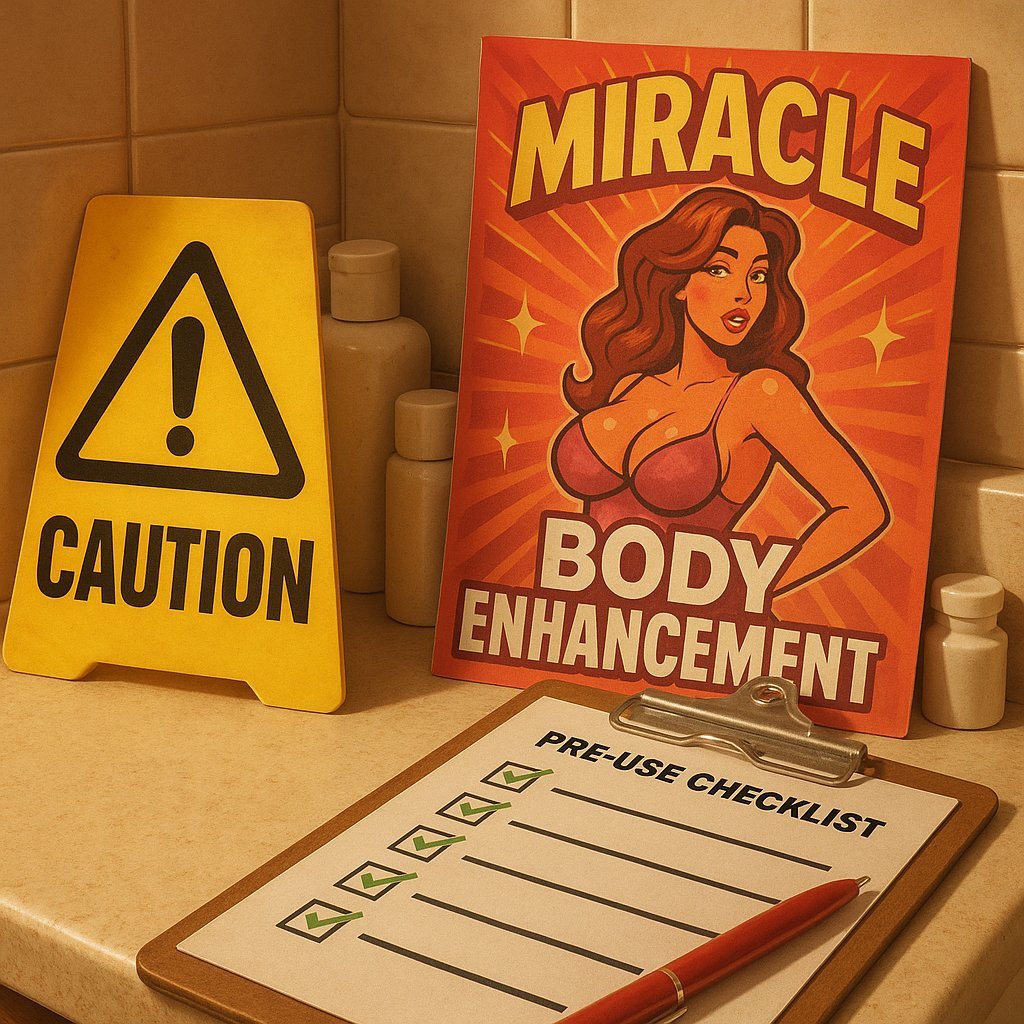
Table of Contents
- Overview: Why Jelq Safety Matters More Than Hype
- Pre-Jelq Checklist: Conditions, Mindset, and Baseline Safety Rules
- Technique Guardrails: How to Reduce Mechanical Damage While Jelqing
- Warning Signs, Ejaculation Changes, and When to Pivot Away From Jelq
- Safer Alternatives, Extenders, and Sex Techniques That Support Long-Term Wellness
- Conclusion: Choose Protection Over Pressure
- FAQ
Overview: Why Jelq Safety Matters More Than Hype
Expert Insight: According to WebMD, jelqing is a stretching technique promoted online to enlarge the penis by pushing blood toward the tip and stretching penile tissue, but many men who pursue it because they feel too small actually have an average erect length of about 5 inches (13 cm) ([WebMD](https://www.webmd.com/men/jelqing)). (www.webmd.com)
Jelqing is often marketed as a simple stretching routine that can boost size, erections, and confidence. In reality, there is no solid scientific proof that jelq exercises give permanent gains, and medical sources warn that the technique can cause damage to the skin, blood vessels, and internal tissue of the penis. For many men, the real issue behind jelq is not just size, but overall mens sexual wellness: confidence, sensation, erections, mood, and intimacy.
If you still choose to experiment, treating jelq like a high-risk exercise is crucial. You are working on delicate erectile tissue, not a biceps muscle. This article focuses on concrete safety habits, how to respond to early warning signs, and how to switch to lower-risk options like a penis extender or other sex techniq instead of pushing through pain.

Pre-Jelq Checklist: Conditions, Mindset, and Baseline Safety Rules
Before you do any jelq routine, take stock of your body, medical history, and mental state. Many injuries happen because men rush, ignore red flags, or use jelq as a quick fix for deeper worries about size, performance, or mood.
- Understand what jelq can and cannot do. There is no high-quality clinical evidence that jelqing produces lasting length or girth increases in otherwise healthy men. You may see temporary swelling; that is not the same as permanent growth.
- Know your baseline size and function. Measure your erection length and girth gently and note your usual erection quality, sensitivity, and ejaculation pattern. If anything gets worse once you start jelqing, that is important data to stop or switch approaches.
- Screen for medical issues first. Talk with a clinician if you have diabetes, blood clotting problems, Peyronie’s disease, prior penile injuries, or use blood thinners. These conditions can increase bruising and long-term damage risk.
- Check your mental health and expectations. Anxiety about size, depression, and performance pressure can lower desire and erections on their own. If you are already dealing with low mood or stress-related sexual changes, focus on treatment and counseling first; aggressive jelqing can add pain and fear on top of existing problems.
- Decide in advance what “stop” means. Before you touch yourself, set clear rules: for example, “any sharp pain, new curve, numb spot, or bruising means I stop all jelq for at least two weeks and only restart if symptoms fully resolve.” Writing this down helps you follow through.
Technique Guardrails: How to Reduce Mechanical Damage While Jelqing
If you go ahead with jelq, the way you handle your penis strongly influences your risk. Even with careful technique, you cannot make jelqing truly “safe,” but you can avoid the most common injury patterns.
- Stay below full erection. Aim for a semi-erect state only. Jelqing at or near full erection significantly raises the risk of rupturing blood vessels or damaging erectile tissue.
- Use generous lubrication. Friction burns and skin irritation are early doors to more serious problems. Use a simple, non-irritating lube and reapply as soon as your grip drags instead of glides.
- Use light-to-moderate pressure, not a death grip. You are guiding blood, not trying to clamp a hose shut. If your fingers leave deep grooves, your glans turns dark purple, or you feel throbbing pain, your pressure is too high.
- Limit duration and frequency. Marathons do not equal more gains; they just multiply trauma. Many men push 20+ minutes a day from the start. A more conservative experiment might be 5 minutes, every other day, with planned rest weeks. If this already causes symptoms, stop.
- Avoid stacking stressors. Combining jelq with aggressive pumping, tight rings, or intense manual stretching in the same session compounds damage. If you experiment with more than one method, separate them by days, not minutes.
- Respect skin and tissue recovery time. Soreness, mild redness, or a “worked” feeling is your cue to rest, not to push harder. Continuing to jelq on irritated tissue increases the chance of scarring and plaque formation.
Remember: your goal is to protect structure and function while you learn what your body tolerates. Any sign that your penis is less responsive or more painful means the technique is too much for your tissue.
Warning Signs, Ejaculation Changes, and When to Pivot Away From Jelq
Many men ignore early signals from their body and keep jelqing until damage is much harder to reverse. Paying attention to subtle changes in erections, ejaculation, and sensation is one of the most important safety skills you can develop.
- Pain, burning, or deep aching. Discomfort that persists after a session, especially deep inside the shaft, is not “normal conditioning.” Continuing to jelq through pain risks long-term injury.
- Bruising, burst capillaries, or dark patches. Small dots of bleeding under the skin show that blood vessels have been damaged. Repeated trauma can lead to more serious vascular problems.
- Numbness or weaker sensation. Reduced feeling in the glans or along the shaft can mean nerve irritation or compression. Stop immediately and give your body time to recover; if numbness continues, seek medical care.
- New curve, lump, or hard plaque. These are classic red flags for Peyronie’s disease. Do not try to “massage it out” with more jelq. See a urologist promptly.
- Changes in ejaculation. Pay attention if ejaculation becomes painful, takes much longer, loses force, or feels strangely weak. One-off variations are common, but a consistent shift after you start or intensify jelqing can signal tissue or nerve issues that deserve a break and medical evaluation.
- Erectile quality drops. If your erections are less firm, shorter-lasting, or harder to achieve after a period of jelqing, protect your long-term mens sexual wellness by stopping and getting evaluated rather than chasing more extreme routines.
If any of these signs show up, your priority shifts from experiment to protection: stop jelq, avoid additional mechanical stressors, and get assessed if symptoms do not clearly improve over days to weeks. Your future sexual function is more valuable than any potential size gain.
Safer Alternatives, Extenders, and Sex Techniques That Support Long-Term Wellness
If you decide the risks of jelq are not worth it—or you have already run into warning signs—there are other ways to work on size concerns, erection quality, and pleasure without constantly traumatizing tissue.
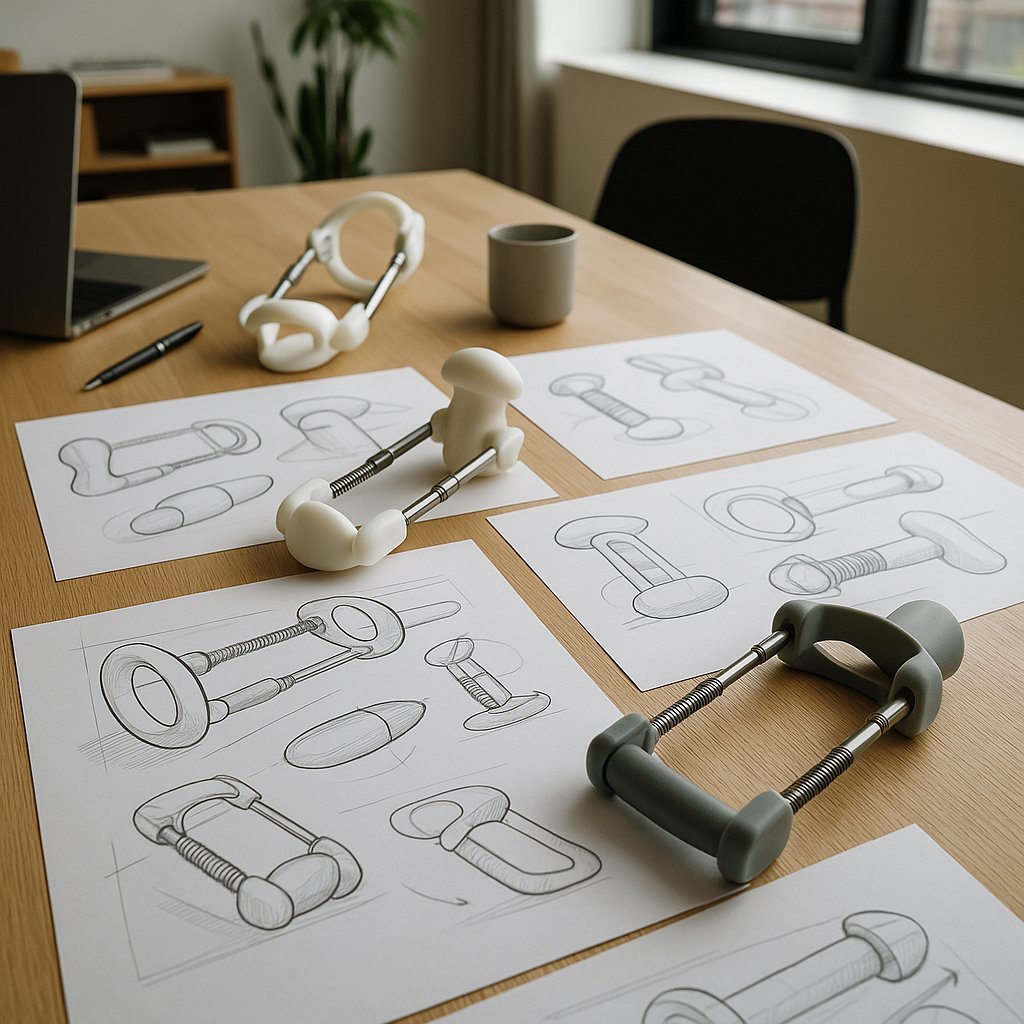
- Penis extender or stretcher devices. A well-designed penis extender (also called a penis stretcher or traction device) applies controlled, low-level tension over time instead of intense squeezing. Clinical studies suggest modest length gains when used consistently for months, and the slow, measured pull can be easier on tissue than aggressive manual jelqing, especially if you follow manufacturer instructions and schedule rest days. If you are considering a device, explore options through the official store at this penis extender shop so you are not gambling on unvetted gadgets.
- Sex techniq upgrades instead of only size focus. Many partners care more about arousal, communication, and rhythm than raw inches. Simple changes—longer foreplay, better clitoral stimulation, slower thrusting at first, or angle tweaks—often improve mutual pleasure more than chasing another half-inch. This also reduces pressure on you and lowers the urge to push risky routines.
- Pelvic floor and lifestyle work. Kegel-style pelvic floor exercises, regular exercise, sleep, and a heart-healthy diet all support blood flow, hormone balance, and erections. These habits protect your sexual health regardless of size.
- Address mood and relationship factors. Depression, chronic stress, and unresolved relationship conflict can blunt desire, erections, and satisfaction. When you take those pieces seriously—through therapy, medication when appropriate, and honest conversations—your sexual experience often improves even if your penis never changes size.
- Medical consultation for persistent concerns. A urologist or sexual medicine specialist can rule out hormonal issues, prostate conditions, or blood-flow problems, and guide you toward treatments that align with long-term protection of your erection and ejaculation function.
The more you think in terms of whole-life mens sexual wellness—confidence, connection, pleasure, and health—the less you will rely on high-risk techniques like jelq to feel sexually “good enough.”
Conclusion: Choose Protection Over Pressure
Jelqing sits in a gray zone: heavily promoted online, not backed by solid data, and clearly capable of causing harm when done aggressively or for too long. If you still choose to experiment, treat your penis like the fragile, complex organ it is: keep erection levels low, use minimal pressure, limit time, and stop at the first hint of pain, numbness, bruising, or changes in ejaculation or erectile quality.
At any point, you can pivot to lower-risk strategies like a carefully used penis extender, smarter sex techniq, and lifestyle changes that support erections and mood. The goal is not just chasing size; it is preserving sensitivity, confidence, and sexual satisfaction over decades. Protection now is what keeps options open for your future self.
FAQ
Q: How hard should I squeeze when jelqing to keep it safer?
A: Use only light to moderate pressure—enough to move blood along the shaft, but never enough to cause pain, numbness, or sharp discomfort. If the skin looks very dark, you see burst capillaries, or your grip leaves lasting dents, you’re squeezing too hard.
Q: What are early warning signs that jelqing is harming my penis?
A: Watch for sudden or ongoing pain, loss of erection quality, numbness or tingling, coldness, significant swelling, or dark bruising. Also take seriously any curvature changes, visible lumps, or a weak, softer-feeling erection compared with your normal baseline.
Q: Is it safer to jelq with a full erection or a partial erection?
A: A partial erection is generally considered lower risk because the tissues are less tense and under less pressure. Staying around 40–70% erect reduces strain compared with jelqing at a rock-hard, 100% erection level.
Q: Should I jelq right before or after ejaculating?
A: Many men find that jelqing just before ejaculation makes it harder to judge sensitivity and pressure accurately. After ejaculation, the penis is usually softer and more sensitive, so it’s often better to separate intense jelq sessions from orgasm and allow some recovery time.
Q: When should I stop jelqing and consider switching to a penis extender instead?
A: If you keep noticing negative changes—worse erections, recurring soreness, dark spots, or shape changes—despite reducing intensity and frequency, it’s a sign to stop. At that point, a lower-tension method like a penis extender with controlled traction and rest periods may be a safer option.

Post Comment