Quiet Bedroom, Loud Orgasms: Subtle Sex Techniques for Men Sharing Walls, Kids, or Roommates
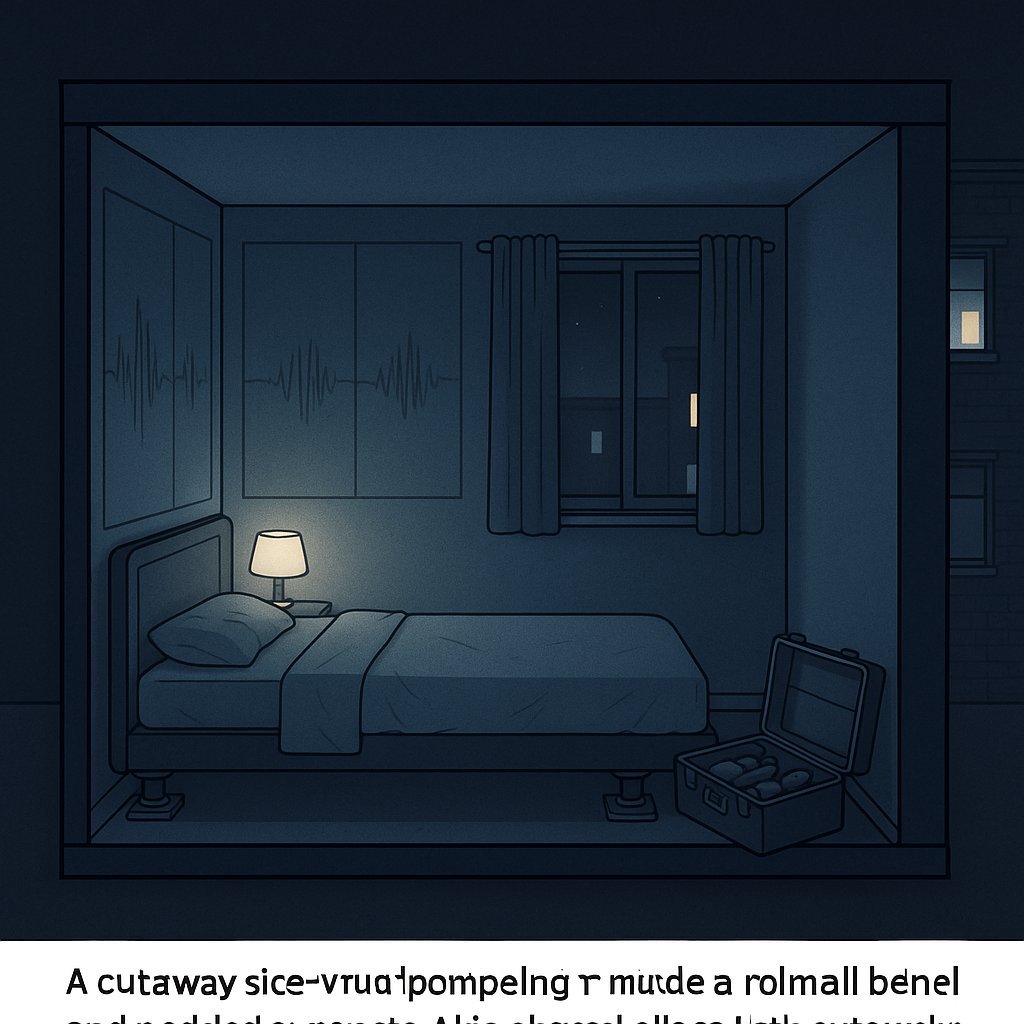
Table of Contents
- Overview: Why Quiet Sex Still Needs to Be Intense
- Control the Noise at Its Source: Breath, Vocal Cords, and Quiet Release
- Use Sensory Control, Not Volume, to Turn Up Pleasure
- Quiet Positions and Movement Tweaks for Men Sharing Walls
- Quietly Owning Your Arousal: Timing, Ejaculation, and Men’s Sexual Wellness Tools
- Conclusion: Quiet Sex Can Be the Most Confident Sex You Have
- FAQ
Overview: Why Quiet Sex Still Needs to Be Intense
Expert Insight: According to my.clevelandclinic.org, the vocal cords are two pearly white bands of tissue located inside the larynx (voice box) on top of the windpipe, directly behind the Adam’s apple, stretching from side to side and front to back and forming an upside-down “V” when open ([source](https://my.clevelandclinic.org/health/body/24456-vocal-cords)). They’re covered by a mucous membrane and made up of layered tissue, including an outer epithelial layer and a middle lamina propria layer. (my.clevelandclinic.org)

Thin walls, kids down the hall, roommates on the other side of the door – none of that means your sex life has to be bland or tense. You just need to rethink how stimulation and expression work. Instead of relying on loud moans or bed‑shaking thrusts, you can channel arousal into controlled breathing, focused touch, and smart positioning so orgasms stay loud in your body but quiet in the room.
This is still about mens sexual wellness – confidence, pleasure, performance, and connection – just optimized for real‑world living spaces. When you understand how your vocal cords, nervous system, and sensory input work, you can build sex techniq that give you strong erections, powerful ejaculation, and emotional closeness without the soundtrack your neighbors don’t need to hear.

Control the Noise at Its Source: Breath, Vocal Cords, and Quiet Release
Most of the sounds you make during sex start in your larynx (voice box). Your vocal cords are two small bands of tissue that sit behind your Adam’s apple on top of your windpipe. When air from your lungs passes through them, they vibrate and create sound. The harder the air rushes through and the tighter the vocal cords, the louder and higher‑pitched you get.
For quiet sex, your goal is simple: keep airflow controlled so your vocal cords don’t vibrate like they do in a shout or loud moan. Instead of letting arousal push you into noisy gasps near ejaculation, use:
- Slow nasal breathing: Inhale through your nose for 3–4 seconds, exhale for 4–6 seconds. This keeps pressure gentler on your vocal cords than hard mouth breathing.
- Jaw‑relaxed exhale: Slightly open your mouth and let air fall out instead of forcing it. A soft open jaw reduces the urge to clench and groan.
- Silent “humming” without voice: You can mimic the feeling of a moan by tightening your core and throat muscles without pushing air. Think of a “phantom moan” – the body sensation without the sound.
- Pre‑planned hand muffling: If you know you tend to vocalize at climax, agree with your partner that she (or you) will cover your mouth with a hand or pillow in the final seconds. Coordinate this beforehand so it feels playful, not panicked.
Practice this outside the bedroom. Take a deep breath and exhale silently. Then imagine the first second of an orgasm and see how much you can keep the throat relaxed while keeping your core engaged. Training your nervous system this way makes quiet release much more natural when it counts.
Use Sensory Control, Not Volume, to Turn Up Pleasure
When people get too stimulated, their senses can tip into sensory overload – like a browser with too many tabs open, everything freezes instead of running smoothly. Loud sex, bright lights, strong smells, and intense thrusting all at once can overwhelm you or your partner’s nervous system instead of building pleasure.
To have big orgasms quietly, lean into targeted stimulation instead of chaotic intensity:
- Dim the lights: Lower light reduces visual overload and makes everyone feel safer and less self‑conscious. That alone often reduces the need to “perform” loudly.
- Minimize background noise: Soft music or a fan can mask small sex sounds, but avoid anything so loud or chaotic that it distracts from body sensations.
- Slow, focused touch: Focus on one or two key areas (like the underside of the shaft, frenulum, or inner thighs) instead of friction everywhere. Slower strokes can feel more intense without bouncing the bed or inviting heavy breathing.
- Mindful edging: Bring yourself close to ejaculation, then ease off slightly and breathe through the urge. This teaches your nervous system to ride high arousal quietly—and usually makes the eventual orgasm stronger without extra movement or noise.
If you or your partner feel overwhelmed or “checked out,” that’s your sympathetic nervous system (fight‑or‑flight) saying there’s too much input. Back off a little intensity, breathe together, and restart with fewer, more deliberate sensations. Quiet sex works best when the nervous system feels safe, not flooded.
Quiet Positions and Movement Tweaks for Men Sharing Walls
Once your breathing and sensory load are under control, the next noise problem is physical – bed springs, headboards, and footfalls. Some positions are naturally stealthier and still allow deep pleasure and strong ejaculation.
- Side‑lying spooning: Both of you on your sides, you behind your partner. This keeps the pelvis supported by the mattress instead of pounding into it. Thrust shorter and slower, and use your free hand for clitoral or nipple stimulation to keep arousal high without heavy motion.
- Modified missionary with pelvic rock: Instead of full thrusts that bounce the bed, keep your knees wide, stay close to your partner, and rock your pelvis in small, controlled movements. Focus on grinding against her clitoris or pubic bone rather than slamming in and out.
- Seated positions on a firm surface: You sitting on a sturdy chair or edge of a solid bed, partner facing you. Your feet are planted, and movement is mostly hip rocking. This puts less force into the furniture and more into direct contact.
- Hand and mouth play: If penetration is too noisy, you can still have intense, orgasmic sessions with oral, manual stimulation, or mutual masturbation. Use pillows under knees or elbows to keep the bed from creaking while you focus on specific touch patterns.
Combine these positions with quiet strategies: coordinate when the loudest part of the movement happens with a passing car outside, the HVAC cycling on, or a loud show in the next room. A little timing goes a long way when you’re aiming for stealth.
Quietly Owning Your Arousal: Timing, Ejaculation, and Men’s Sexual Wellness Tools
Quiet sex isn’t just about noise suppression; it’s also about control over when and how you reach ejaculation. That same self‑control is central to broader mens sexual wellness – stamina, erection quality, and confidence in small or shared spaces.
Some practical ways to build that control without turning the bedroom into a gym session:
- Breath‑timed thrusting: Link slow inhales to slower movement and longer strokes. As you exhale, shorten and soften your thrusts. When you feel close to climax, pause movement, hold a gentle inhale, and then exhale slowly while squeezing your pelvic floor lightly instead of pushing harder.
- Core engagement instead of grunting: Many men unconsciously grunt or groan as they contract their core and pelvic floor. Practice tightening your abs and glutes silently while exhaling gently through the mouth. You still get that power feeling without waking anyone.
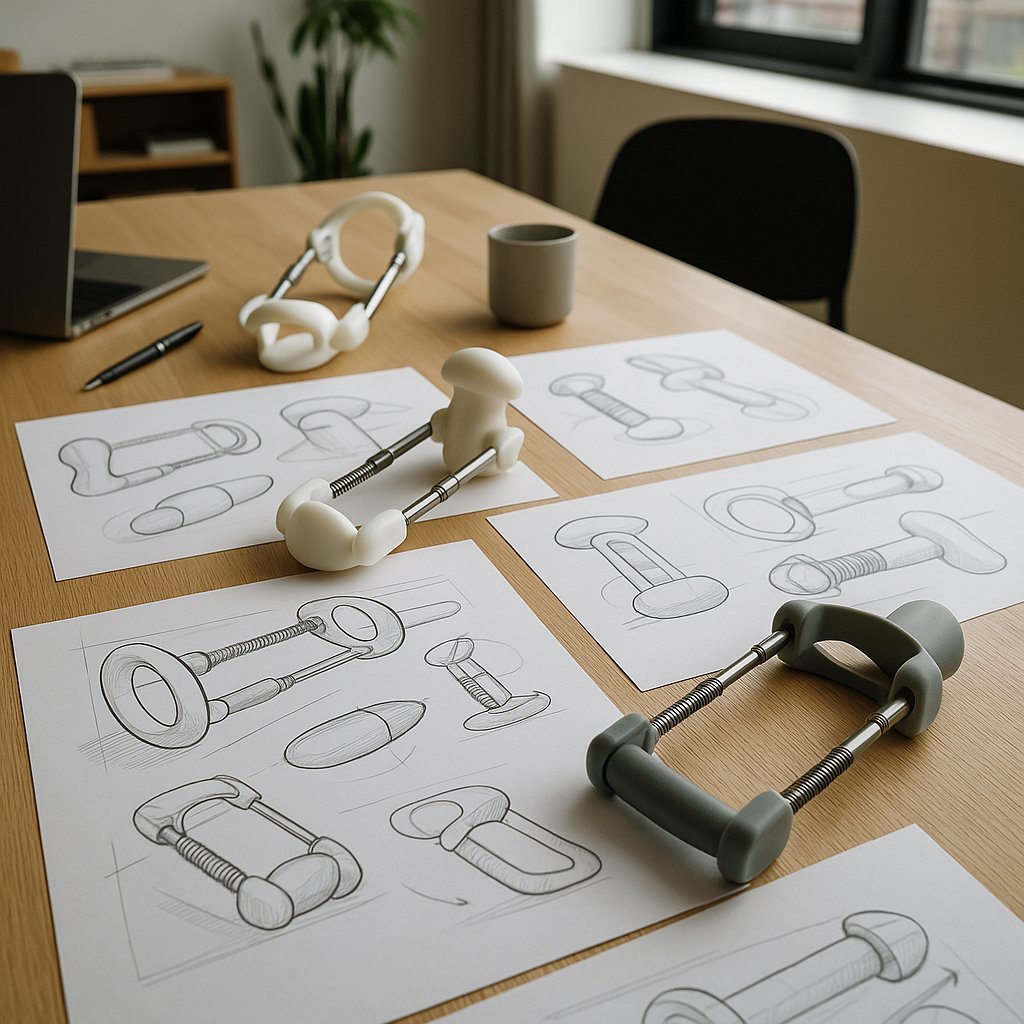
- Use jelq and stretching work outside the bedroom: If you experiment with jelq or a penis stretcher or penis extender for size or erection support, do it separately from partnered sex. That way, bedroom time stays focused on connection and quiet techniques, not equipment setup or noise. Any gains in blood flow, confidence, or sensitivity support you later when you’re applying subtle sex techniq at home or in a shared space.
- Smart tools, not desperate volume: If you’re considering clinically engineered extenders as part of a long‑term routine, choose reputable devices and follow instructions carefully. For a medical‑style extender option, you can explore the official store at this penis extender shop, then integrate any size or erection benefits into low‑noise, high‑control bedroom experiences.
The more comfortable you are with your own arousal curve – how fast you build up, where you usually lose control, what calms you down – the easier it is to have intense orgasms on your own terms, even with thin walls and a sleeping kid in the next room.
Conclusion: Quiet Sex Can Be the Most Confident Sex You Have
Silencing your sex life doesn’t have to mean dulling it. When you learn to work with your vocal cords instead of against them, manage sensory input, choose stealthy positions, and time your movement and ejaculation, you get a kind of control that many men never develop. That control feeds into overall mens sexual wellness – better stamina, calmer nerves, and stronger confidence that you can show up fully in bed without broadcasting it to the entire household.
Use quiet techniques as a challenge, not a limitation. Treat every low‑volume session as practice in awareness: your breath, your partner’s body language, the way arousal rises and falls. Over time, you’ll find that the quietest nights often hold the most powerful orgasms and the deepest intimacy – and nobody outside the bedroom has to know a thing.
FAQ
Q: How can I enjoy sex without making a lot of noise in a thin‑walled bedroom?
A: Focus on slow, controlled movements, positions where bodies stay close together, and soft surfaces like pillows and blankets that absorb sound. Lower the overall volume with white noise, a fan, or quiet music so any unavoidable sounds blend into the background.
Q: What can I do to control my vocal reactions during orgasm?
A: Practice exhaling slowly through your mouth or nose instead of holding your breath and then gasping. Tense a muscle group (like your thighs or glutes) and release with a steady, low exhale to let the intensity out quietly instead of in a shout.
Q: Which sex positions tend to be the quietest for men?
A: Positions that keep you and your partner’s bodies close, like spooning or modified missionary, usually create less slapping and bed creaking. Add a pillow under knees or hips to stabilize the mattress and reduce movement noise even more.
Q: How do jelq practice or penis extenders fit into a low‑noise sex life?
A: These tools are typically used alone and quietly, which can help you work on confidence, stamina, or erection quality without disturbing anyone. Improved control and comfort can make it easier to relax and manage your reactions when you’re trying to stay quiet during partnered sex.
Q: How can I time my climax so it doesn’t line up with a noisy moment?
A: Pay attention to your arousal levels and use edging—pausing or slowing down when you’re close—to shift the timing. Coordinate with your partner to build intensity during noisier cover moments, like a loud TV scene or shower running, and let go when you have the most audio privacy.



Post Comment