Men’s Sexual Wellness Over 40: Smarter Ways to Combine Jelq, Extenders, and Technique Tweaks for Stronger Erections
Table of Contents
- Overview: What Changes for Men’s Sexual Wellness After 40
- Reality Check: Jelq, Penis Extenders, and What Evidence Actually Says
- Designing a Safer Combination Plan After 40: Where Jelq and Extenders Fit (If at All)
- Technique Tweaks for Stronger Erections, Better Ejaculation Control, and More Pleasure
- When to Consider Devices, When to See a Doctor, and How to Move Forward
- FAQ
Overview: What Changes for Men’s Sexual Wellness After 40
Expert Insight: According to WebMD (https://www.webmd.com/men/jelqing), jelqing is a stretching technique intended to enlarge the penis, but most men who seek it due to “small penis anxiety” actually have an average erect length of about 5 inches (13 centimeters). (www.webmd.com)

After 40, it’s common to notice changes in erections, stamina, and how long it takes to reach ejaculation. Testosterone levels tend to decline gradually, blood vessels stiffen with age, and the penis itself can lose some elasticity and smooth muscle. Many men also develop conditions like high blood pressure, diabetes, or elevated cholesterol that directly affect blood flow to the penis.
Medical sources note that erections may be less firm, take longer to achieve, and be harder to maintain than they were in your 20s. Sensitivity can shift, refractory periods (the time needed between orgasms) may lengthen, and orgasm intensity can feel different. None of this automatically means erectile dysfunction, but it does mean mens sexual wellness after 40 has to be more intentional.

That’s why some men look to jelq routines, penis stretcher devices, and tweaks to sex techniq to “fight back” against aging. The key is separating realistic goals (stronger erections, better control, more confidence) from hype (dramatic permanent enlargement) and then building a safe plan that fits your body and health status.
Reality Check: Jelq, Penis Extenders, and What Evidence Actually Says
Many men hear that jelq exercises and penis extenders (penile traction devices or penis stretcher systems) can reverse age-related changes or add dramatic size. Medical evidence paints a more cautious picture.
Jelq: what it is and why it’s controversial
Jelq involves repeatedly squeezing from the base of a semi-erect penis toward the glans, with lubricant, to push blood forward and create tension in the tissue. Online communities claim this can cause microscopic tears and long-term growth, similar to lifting weights.
However, major medical references report:
- No high-quality clinical trials proving permanent size gains in otherwise healthy men.
- The penis is not skeletal muscle; it relies on smooth muscle and blood-filled spaces, so the “gym” analogy is weak.
- Risks include pain, bruising, skin irritation, nerve irritation, and potential scar formation that can contribute to curvature or Peyronie’s-like changes over time.
Some stretching strategies have a role in specific medical conditions (for example, Peyronie’s disease under a urologist’s guidance), but generic jelq for size remains unproven and potentially risky.
Penis extenders: modest length gains, heavy time cost
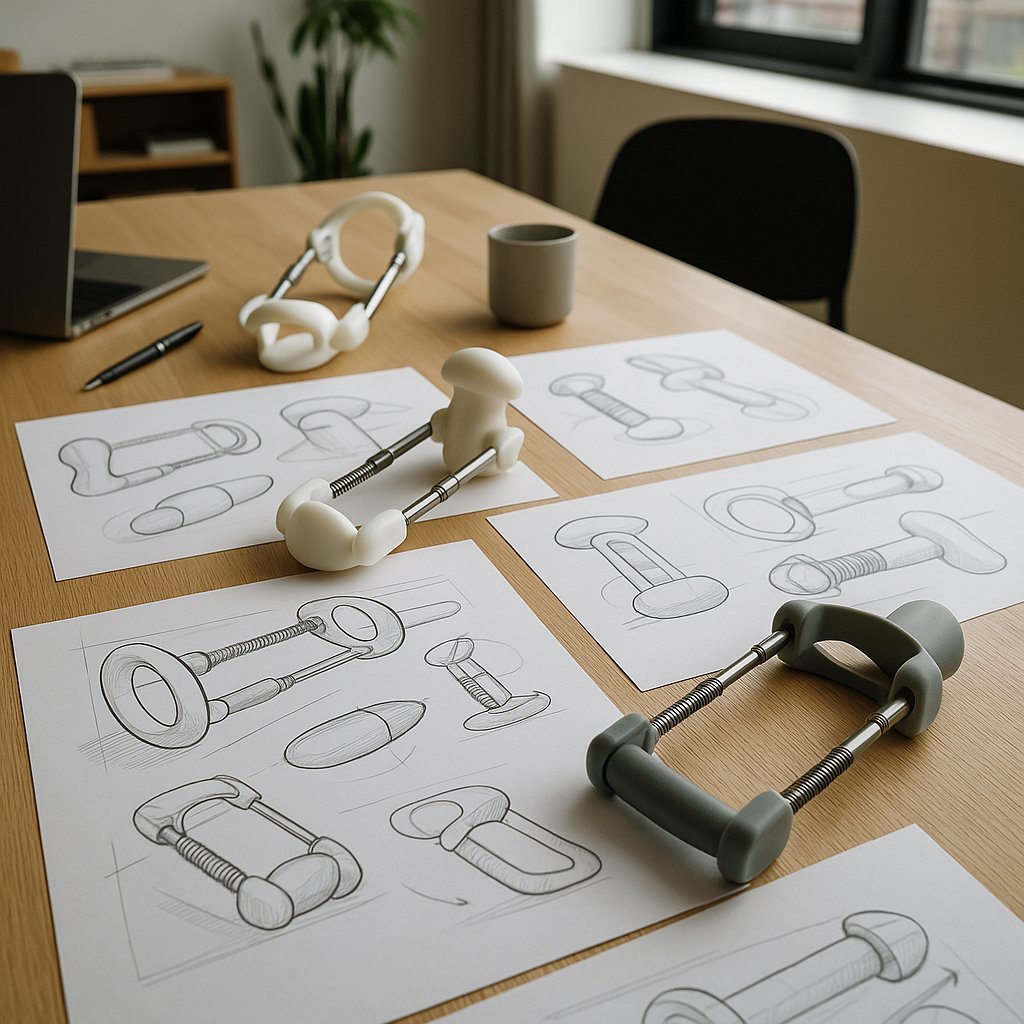
Penis extender traction devices apply gentle, sustained stretch along the shaft. Clinical summaries suggest that if results occur, they usually require 4–6 hours of wear daily for several months, and average flaccid length increases are generally under about 2 cm. Evidence for benefits in erections themselves is limited; the main documented effect is small length increase, often in specialized cases (such as post-surgery or Peyronie’s) rather than healthy men chasing size.
Extenders are not magic, but when used carefully and consistently, they may provide modest structural changes. The trade-off: time, potential discomfort, and the need for meticulous attention to skin, circulation, and sensation to reduce the risk of harm.
Why men over 40 should be extra cautious
As you age, skin thins and blood vessels become more fragile, and you may be on medications (like blood thinners) that increase bruising risk. Overly aggressive jelq routines or improperly used traction can be harder for a 50-year-old body to tolerate than a 20-year-old one. That’s why medical sources consistently emphasize realistic expectations and safety first.
Designing a Safer Combination Plan After 40: Where Jelq and Extenders Fit (If at All)
If you’re over 40, the primary goal usually isn’t just “bigger”—it’s stronger, more reliable erections and better performance. That means jelq and penis extender practices, if you choose to use them at all, should sit inside a broader mens sexual wellness strategy, not replace it.
Step 1: Get your erection health baseline
- Review medications and health conditions with a doctor (especially blood pressure, diabetes, heart disease, hormone issues, or pelvic surgeries).
- Ask specifically about your erection changes, morning erections, and any curvature or pain.
- If you have significant bend, shortening, or painful erections, get evaluated for Peyronie’s or other structural issues before experimenting with any penis stretcher or jelq routine.
Step 2: Decide whether jelq belongs in your plan
If you proceed despite the lack of strong evidence, treat jelq as an optional, low-intensity experiment, not the centerpiece of your strategy:
- Limit frequency and intensity. Short, gentle sessions a few times per week rather than daily marathons.
- Stay below pain. Any sharp pain, sudden numbness, or significant discoloration is a stop sign.
- Cycle in rest days for recovery, especially if you notice lingering tenderness.
- Abandon it if you see progressive curvature, irregular hard spots, or worsening erection quality.
Step 3: Use extenders for structure, not obsession
If you choose a penis extender, treat it like orthopedic traction: small, consistent doses, balanced with comfort and circulation checks.
- Work up gradually from short daily sessions toward your target wear time, rather than jumping straight to several hours.
- Inspect your skin and glans frequently for pressure marks, coldness, or color changes.
- Pause regularly to restore normal blood flow, especially if you’re older or have vascular disease.
- Keep expectations modest: think “small structural support” more than “dramatic enlargement.”
Step 4: Integrate jelq, traction, and rest
For men determined to combine jelq and a penis stretcher, a more age-aware structure might look like:
- Low-volume jelq on alternate days (if you tolerate it) and light to moderate extender use on others, instead of stacking both aggressively on the same tissues every day.
- Dedicated rest days each week where you skip both.
- Monitoring morning erections, rigidity, and any changes in sensitivity. If they worsen, dial back or stop.
This approach respects the fact that tissue in your 40s, 50s, and 60s reacts differently to stress and may need more recovery time to avoid injury.
Technique Tweaks for Stronger Erections, Better Ejaculation Control, and More Pleasure
For most men over 40, the fastest wins don’t come from devices; they come from smarter sex techniq, pelvic training, and small changes to lifestyle that directly support blood flow and nerve function.
Pelvic floor training for firmness and control
Targeted pelvic floor exercises can improve rigidity, help trap blood in the penis, and enhance ejaculation control. Many men unknowingly clench their abs, glutes, or legs instead of the deep pelvic muscles. Working with a pelvic floor therapist or following evidence-based routines can refine that contraction, especially if you sit a lot or have chronic back/hip issues.
Desk-friendly body care to support erections
Spending long hours seated can compress pelvic blood vessels and nerves. Simple desk exercises and movement breaks can reduce stiffness, improve circulation, and help the structures that keep erections functional. Gentle hip mobility work, glute activation, and short walks spread through the day support both spine health and pelvic blood flow—important foundations for reliable erections as you age.
Adjusting arousal pacing and stimulation style
- Slow down early stimulation to give your body more time to reach full erection without racing toward ejaculation.
- Alternate between more and less intense sensations (changes in rhythm, depth, or type of touch) to maintain arousal without quickly peaking.
- Use positions that maximize circulation and comfort for your joints, especially if you have back or hip issues.
- Experiment with edging: deliberately approaching orgasm, backing off, and then resuming. This can train awareness of your own arousal curve and help with timing ejaculation.
Communication and mental load
Stress, performance anxiety, and distraction all undermine erection quality. Clear conversations with your partner about pacing, preferences, and what feels good at this stage of life can reduce pressure and allow you to focus more on sensation and connection, which indirectly supports stronger erections and more satisfying orgasms.
When to Consider Devices, When to See a Doctor, and How to Move Forward
For some men over 40, a carefully chosen penis extender, used alongside technique and lifestyle changes, may be worth exploring. If you decide to try a penis extender, consider using a reputable medical-style traction device from an official store, such as the options offered via the Penimaster affiliate store, and always follow manufacturer instructions closely.
However, devices are never a substitute for medical evaluation. Talk with a healthcare professional or urologist if you notice:
- Rapid changes in erection quality, size, or shape.
- New or worsening curvature, hard plaques, or painful erections.
- Penile numbness, severe bruising, or persistent pain after jelq or extender use.
- Symptoms of low testosterone, such as fatigue, low libido, or depressed mood.
Addressing underlying issues—like cardiovascular health, hormone balance, medications, and mental health—often does more for erections and orgasm quality than any manual exercise.
For mens sexual wellness after 40, the most effective long-term strategy is layered: protect your cardiovascular and metabolic health, refine your sexual techniques, communicate openly, and only then consider cautious, well-researched use of jelq or a penis stretcher if you’re fully informed about the limits and risks. Stronger erections and more satisfying ejaculation experiences usually come from this bigger-picture approach, not from chasing a single “secret” method.
FAQ
Q: Does jelqing really help with erections after 40?
A: Evidence for jelqing is mostly anecdotal, but some men report better erection quality from improved awareness of arousal and blood flow. The key is using very light pressure, avoiding pain or bruising, and treating it as one small part of a broader routine that includes lifestyle, technique, and device use—not a magic fix.
Q: How can I safely combine a penis extender with jelq exercises?
A: Many men separate them into different sessions or days: low-tension extender use for gradual tissue conditioning, and brief, gentle jelq sessions for blood flow and sensitivity awareness. Start with low intensity and short durations for both, track any soreness or numbness, and increase only when your body clearly tolerates the current level.
Q: What sex technique tweaks help erection strength more than devices?
A: Pacing, arousal control, and better stimulation often matter more than hardware. Slowing thrusting, adding pauses, using more direct or varied stimulation, and syncing breathing with arousal peaks can reduce performance anxiety, help you stay harder longer, and support better orgasm control.
Q: How long before I notice changes from extenders or training after 40?
A: Most structured extender routines talk in terms of months, not days or weeks, with very gradual gains and plateaus. Technique improvements—in breathing, arousal pacing, and stimulation—can sometimes improve erection reliability and stamina within a few sessions because they target the mental and circulatory side of arousal.
Q: What lifestyle habits make the biggest difference to erections over 40?
A: Improving sleep, reducing chronic stress, staying active, and moderating alcohol can all boost circulation and hormone balance, which directly support erectile quality. Combining these basics with any device or exercise plan usually yields better, more sustainable results than relying on mechanical methods alone.



Post Comment