The Beginner’s Comprehensive Guide to Jelqing: Techniques, Safety, and Sexual Wellness
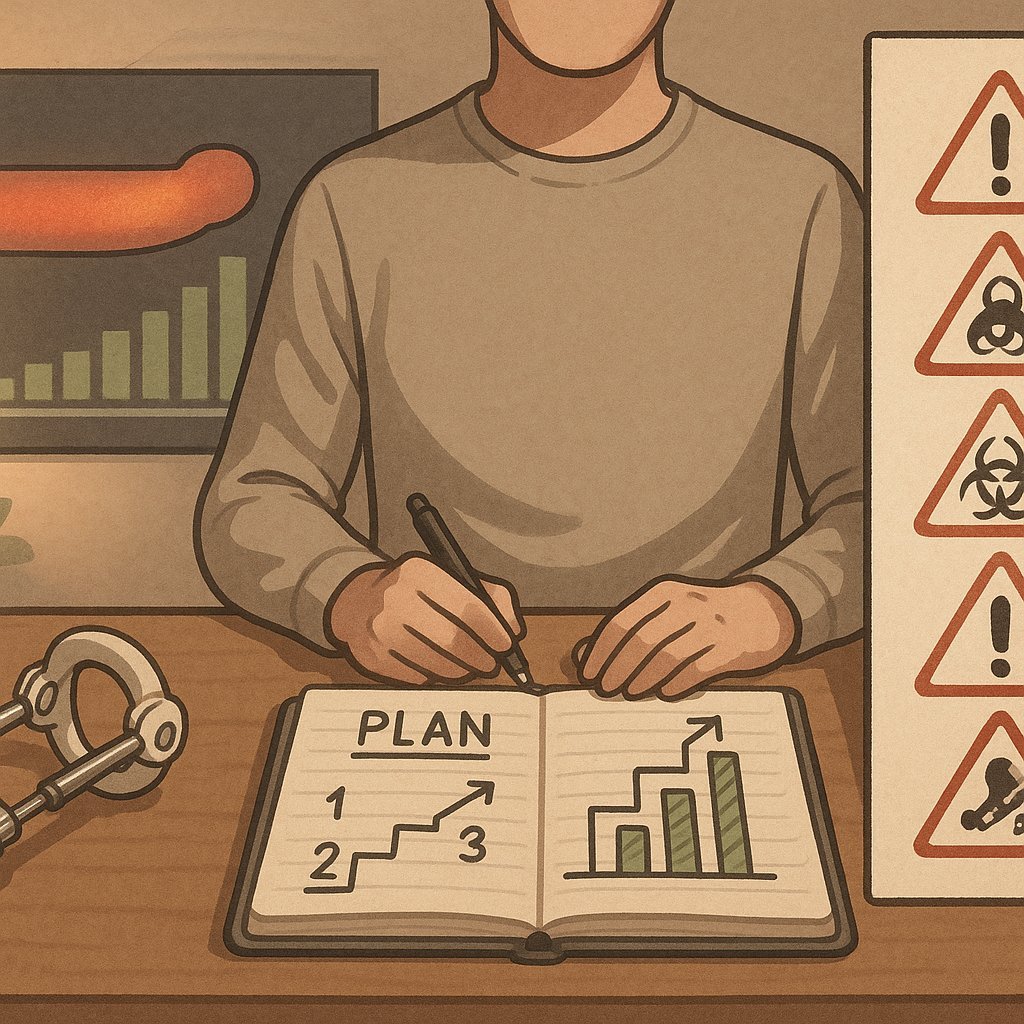
Table of Contents
- Overview: What Jelqing Really Is (and Isn’t) for Beginners
- Jelq Technique for Beginners: How It’s Commonly Taught
- Real Safety Risks: What Can Go Wrong and Early Warning Signs
- Smarter Strategies: Extenders, Pelvic Floor Strength, and Ejaculation Control
- Building a Healthier Sexual Wellness Plan Around (or Without) Jelqing
- FAQ
Overview: What Jelqing Really Is (and Isn’t) for Beginners
Expert Insight: According to Mayo Clinic, Kegel exercises can strengthen men’s pelvic floor muscles—which support the bladder and bowel and affect sexual function—and are especially recommended for those with urinary leakage or dribbling after urination ([mayoclinic.org](https://www.mayoclinic.org/healthy-lifestyle/mens-health/in-depth/kegel-exercises-for-men/art-20045074)). (www.mayoclinic.org)

Jelqing is a manual penis massage technique promoted online as a way to increase length and girth by repeatedly “milking” blood through a semi-erect penis. Beginners often find jelq routines on forums and social media that promise permanent enlargement, stronger erections, and better ejaculation control. However, medical sources like WebMD emphasize that there is no strong clinical evidence that jelqing permanently enlarges the penis, while there is clear potential for injury.
Instead of treating jelqing as a magic size solution, it is more realistic to see it as one of many controversial sex techniq that men explore when they feel insecure about size or performance. A safer beginner’s approach focuses on:

- Understanding how jelq routines are typically done (without glamorizing them).
- Recognizing the real risks and early warning signs of damage.
- Placing jelqing in the larger context of mens sexual wellness, including pelvic floor strength, erection quality, and emotional health.
- Knowing when to stop, seek medical advice, or consider safer tools like a medically designed penis extender or penis stretcher instead of aggressive manual techniques.
This guide walks you through beginner jelqing technique in clear, practical terms, then anchors that knowledge in safety, recovery, and whole-body sexual wellness.
Jelq Technique for Beginners: How It’s Commonly Taught
Most beginner jelq instructions follow a similar pattern. Understanding the steps does not mean you should do them; it simply equips you to evaluate what you see online and recognize when something is especially risky.
A typical beginner jelqing routine looks like this:
- Warm-up (often skipped, but heavily promoted by forums)
Men are advised to apply gentle heat (warm shower, warm cloth) for 5–10 minutes. The aim is to increase blood flow and relax tissues before any milking motion. - Target erection level
Beginners are usually told to keep erections at about 40–70% firmness. Too soft and there is less pressure; too hard and the risk of rupturing blood vessels or damaging erectile tissue rises significantly. - Forming the “OK” grip
With lubrication applied, the thumb and forefinger form an “O” (the “OK” sign) at the base of the penis. Some routines promote a tighter grip; safer advice emphasizes a gentle, sliding pressure rather than a clamp. - The milking stroke
The “OK” hand slowly slides from the base toward the glans (head), pushing blood forward through the shaft. The motion usually stops before the glans to avoid direct pressure on the head, which is more sensitive and vulnerable. - Alternating hands
As one hand nears the glans, the other hand forms an “OK” grip at the base and begins a new stroke. This creates a continuous, alternating motion that some users describe as 100–300 strokes per session for beginners. - Warm-down or rest
Some routines end with another warm cloth or simply resting until the penis returns to its normal flaccid state. Others wrongly urge pushing through even if there is discomfort.
Beginners also encounter variations, such as overhand grips, slower strokes for more perceived “stretch,” or combining jelqing with other sex techniq like edging (delaying ejaculation) to increase arousal. Any method that increases pressure, speed, or force adds risk.
Key principles if someone attempts jelq despite the concerns:
- Use generous lubrication to reduce friction injuries.
- Keep strokes slow; fast, jerky motions are more traumatic.
- Stop immediately at any sharp pain, burning, or sudden loss of sensation.
- Avoid combining jelqing with tight rings, vacuum devices, or aggressive pornography-fueled erection goals in the same session.
Understanding the method clarifies why injuries are common and why most sexual health professionals do not recommend jelqing as a primary path for mens sexual wellness.
Real Safety Risks: What Can Go Wrong and Early Warning Signs
Medical reviews highlight that jelqing is not supported by strong evidence, but its risks are very real. The penis contains delicate vascular and erectile structures designed for brief increases in pressure during arousal, not repeated mechanical milking. Beginners often underestimate how easy it is to overdo force or duration.
Potential complications include:
- Bruising and burst blood vessels
Dark spots, red or purple bruises, or tiny dots (petechiae) may appear after excessive pressure. While mild bruises can fade, repeated trauma can lead to chronic discoloration. - Pain and swelling
Burning, aching, or throbbing sensations during or after jelq sessions are early danger signs. Persistent swelling may indicate inflammation or more serious vascular injury. - Numbness or altered sensitivity
A temporary “pins and needles” feeling or reduced sensation can occur if nerves are compressed or irritated. Long-term nerve damage may lead to lasting loss of pleasure or difficulty reaching ejaculation. - Plaques and curvature
Repeated microtrauma may trigger scar tissue (plaques) in the tunica albuginea, potentially contributing to curvature or Peyronie-like changes. Any new bend, lump, or painful erection warrants immediate medical evaluation. - Erectile dysfunction
Severe or repeated injury can harm the structures that trap blood, leading to weaker erections. The very technique men use in pursuit of enhancement can backfire and impair sexual function.
Early warning signs beginners should never ignore include:
- Sharp or tearing pain during a stroke.
- A sudden “popping” sensation followed by rapid loss of erection.
- Dark, spreading bruises or severe swelling.
- Noticeable coldness or pallor in the shaft or glans.
- New curvature, especially if erections become painful.
Any suspected fracture, severe pain, or dramatic change in color or shape is a medical emergency and should be evaluated in urgent or emergency care, not hidden in embarrassment. Delaying help can make lasting damage more likely.
Beyond physical harm, relentless focus on jelqing may worsen anxiety, body dysmorphia, and performance worries. This directly undermines mens sexual wellness, where confidence, communication, and realistic expectations matter as much as any physical technique.
Smarter Strategies: Extenders, Pelvic Floor Strength, and Ejaculation Control
For men worried about size or performance, there are typically safer and more structured options than intense jelqing routines. A comprehensive approach looks at size concerns alongside erection quality, ejaculation control, and satisfaction for both partners.
1. Penis extenders and stretchers
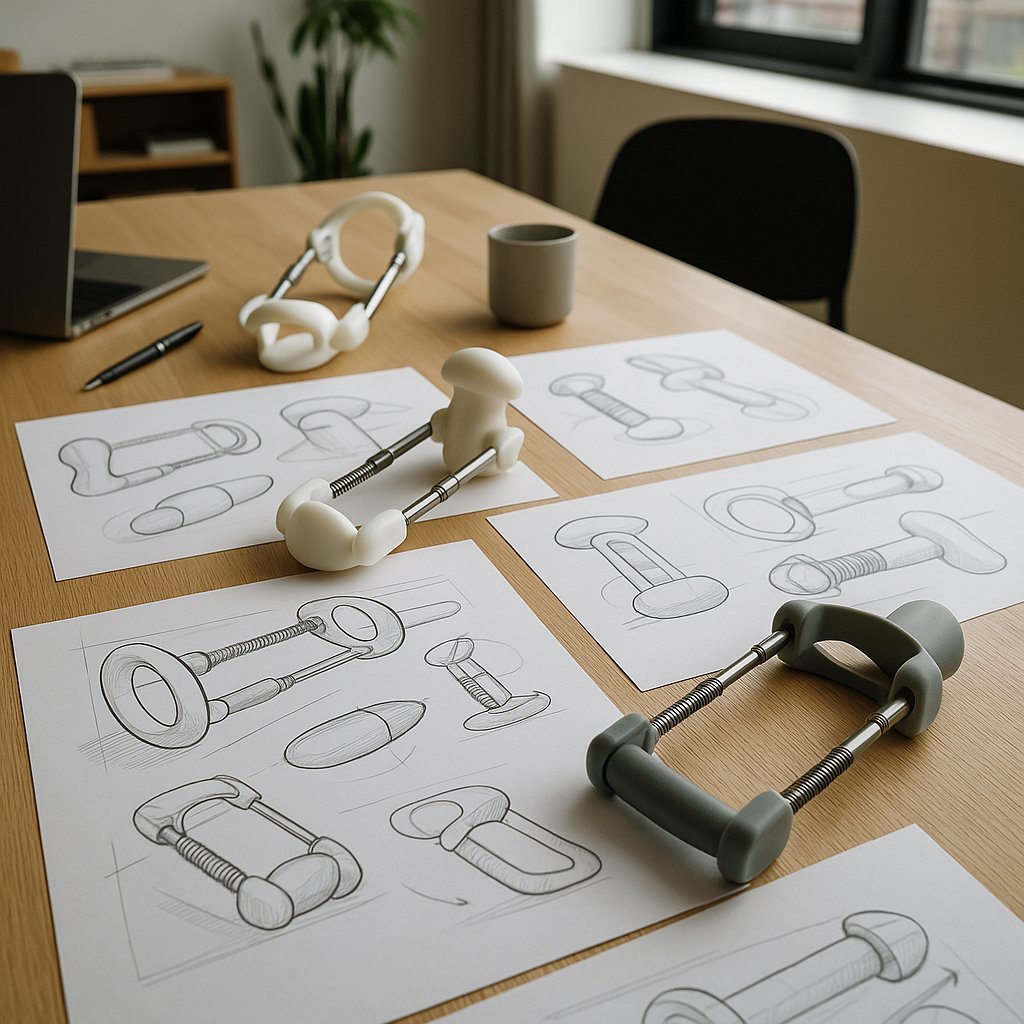
Clinically studied traction devices apply low, consistent tension over long periods. A well-designed penis extender or penis stretcher is not risk-free, but it offers:
- Adjustable, measurable traction rather than guesswork.
- More uniform stretching forces than manual squeezing.
- Published clinical protocols (hours per day, total duration).
For men who still want to pursue a traction-based approach, using a medically oriented extender with clear instructions is typically safer than aggressive jelq methods. If you explore this path, consider starting only after consulting a healthcare professional and choosing a reputable device. One option men often review is available via the official store at this penis extender affiliate link, where you can see structured usage guidelines and safety recommendations.
2. Pelvic floor (Kegel) training
Medical sources like the Mayo Clinic describe how Kegel exercises can strengthen the male pelvic floor, which supports the bladder, bowel, and sexual function. Targeted pelvic floor training can help with:
- Improving erection rigidity by enhancing venous occlusion (better trapping of blood).
- Reducing urine leakage or dribbling after urination.
- Potentially improving control over ejaculation and orgasm intensity.
Basic pelvic floor technique often includes:
- Identifying the right muscles by tightening as if stopping gas or urine flow, then relaxing.
- Holding a gentle squeeze for a few seconds, then resting for the same amount of time.
- Repeating sets several times per day in different positions (lying, sitting, standing).
This internal strength work supports mens sexual wellness from the inside out, without putting direct mechanical stress on the penis shaft.
3. Edging and arousal awareness
Many men use jelqing sessions as a way to stay semi-erect for long periods, but that can push the body beyond its comfortable arousal window. Structured edging—bringing yourself close to ejaculation, then backing off before climax—can be practiced gently without intense gripping or milking:
- Focus on breathing and bodily sensations instead of forceful stimulation.
- Notice early signs of the “point of no return” to better manage ejaculation timing.
- Experiment with slower, lighter touch or pauses rather than pressure-based routines.
Combining pelvic floor strength with mindful edging can support better ejaculation control and confidence during sex without relying on high-risk jelq motions.
Building a Healthier Sexual Wellness Plan Around (or Without) Jelqing
For beginners, the core question is not simply “Does jelqing work?” but “Is jelqing a smart, sustainable part of my sexual wellness journey?” When you zoom out, size-focused techniques are only one small piece of a much larger picture that includes relationships, mental health, and long-term function.
Key principles for a healthier plan include:
- Start with your actual concerns
Is the main issue size insecurity, erection consistency, premature ejaculation, or a combination? A clear goal helps decide whether jelq is even relevant or whether other interventions, like counseling, medication, lifestyle changes, or pelvic floor training, are more appropriate. - Use medically grounded benchmarks
Many men who worry about size are already within the normal range. Consulting a doctor or sexual health specialist can clarify what’s typical and guide safer options like a supervised penis extender protocol if size remains a priority. - Monitor function, not just appearance
Track erections (morning and during sex), ease of reaching ejaculation, and overall pleasure. Any technique that worsens function—even if it appears to change size—is not supporting mens sexual wellness. - Involve partners when possible
Open conversation about preferences, positions, and pacing often improves satisfaction more than a small change in length or girth. Many sex techniq for improving connection—eye contact, responsive touch, better lubrication, slower build-up—are low risk and high reward. - Know when to stop and seek help
If jelqing leads to pain, bruising, changing shape, numbness, or performance anxiety, stop immediately and speak with a healthcare professional. The sooner issues are addressed, the better the chance of full recovery.
Jelq routines may always circulate online, but they do not need to dominate your approach to sexual health. Grounding your choices in evidence, safety, and long-term satisfaction turns experimentation into a conscious, informed process rather than a risky gamble.
In the end, the most effective path for mens sexual wellness usually combines realistic expectations, communication, healthy lifestyle habits, and carefully chosen tools—while protecting the erections, sensation, and ejaculation control you already have.
FAQ
Q: What is jelqing and why do some men try it?
A: Jelqing is a manual stroking technique where men apply semi-firm pressure along the shaft in an attempt to increase length or girth over time. People try it hoping for permanent gains, better erections, or more confidence, though evidence for lasting enlargement is limited.
Q: How should a beginner safely start jelqing, if they choose to try it?
A: Beginners usually start at a low intensity: semi-erect (about 50–70%), using plenty of lubricant, with slow strokes and short sessions just a few times per week. The key is to stop immediately if you feel sharp pain, numbness, or see unusual discoloration, and to allow rest days so tissues can recover.
Q: What are the main risks and warning signs to watch for with jelqing?
A: Risks include bruising, broken blood vessels, temporary numbness, weaker erections, and in extreme cases curvature or lasting pain. Warning signs are intense soreness, tingling or loss of sensation, dark or blotchy patches, and trouble getting or keeping an erection afterward.
Q: How does jelqing compare with penis extenders and pumps for sexual wellness?
A: Penis extenders and medically regulated vacuum devices generally offer more controlled, measurable force than manual jelqing. When used as directed, they may provide gradual changes with a clearer safety framework, while jelqing relies entirely on personal judgment and body awareness.
Q: Where does jelqing fit into a broader plan for sexual performance and confidence?
A: Jelqing, if used at all, should be a minor part of a bigger approach that includes pelvic floor training, healthy lifestyle habits, stress management, and communication with partners. Focusing on erection quality, stamina, and confidence often does more for satisfaction than size-focused routines alone.



Post Comment