How To Do Jelqing Safely: Essential Techniques and Best Practices
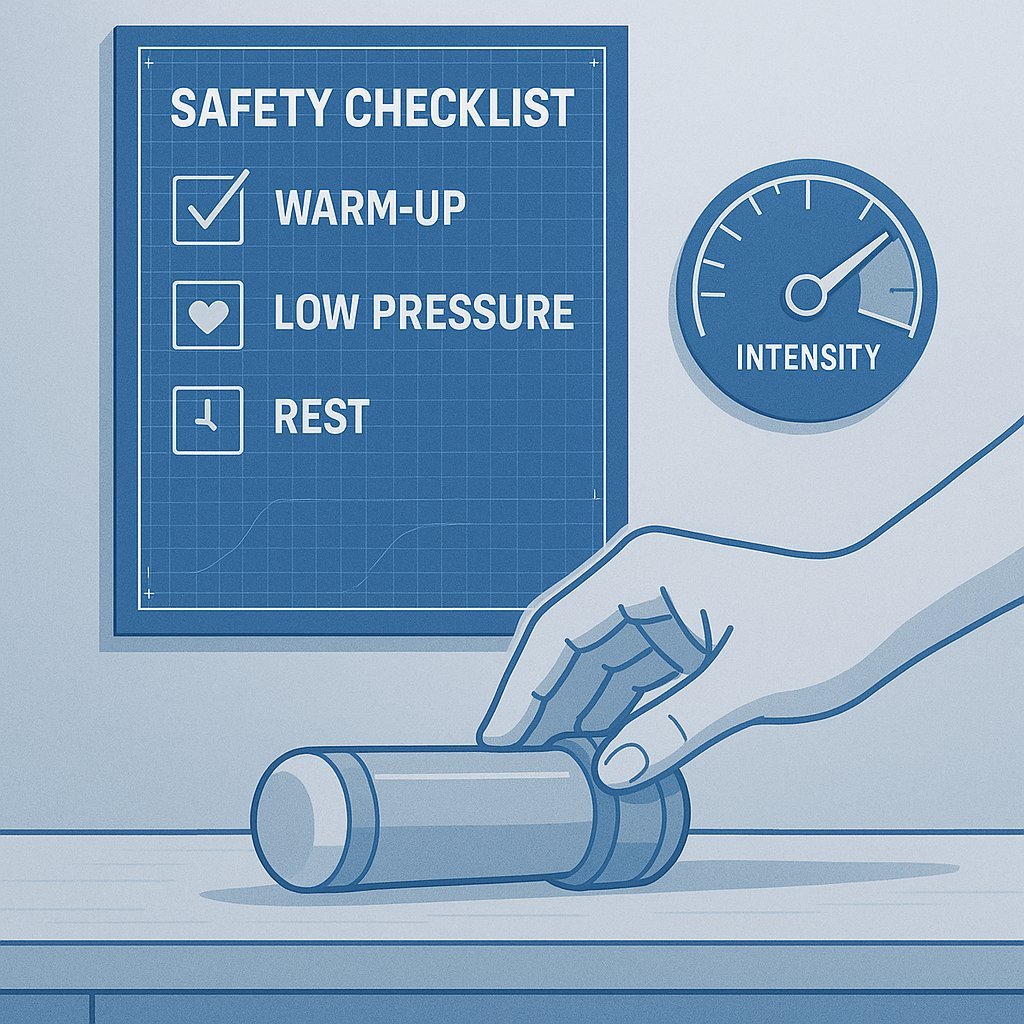
Table of Contents
- Overview: What Safe Jelqing Really Means
- Know Your Anatomy: Why Overdoing Jelq Can Hurt You
- Safety Fundamentals: Conditions You Need Before You Jelq
- Step-by-Step: A More Conservative Jelq Technique
- Warning Signs: When Jelqing Is No Longer “Safe Enough”
- Integrating Jelq With Other Enhancement Tools and Techniques
- Protecting Erections, Ejaculation, and Long-Term Sexual Wellness
- FAQ: Practical Answers About Jelq Safety and Best Practices
- Conclusion: Safe-First Mindset for Any Jelq Routine
Overview: What Safe Jelqing Really Means
Expert Insight: According to my.clevelandclinic.org, an erection occurs when sexual stimulation or excitement increases blood flow into the penis, causing the sponge-like corpora cavernosa chambers to fill with blood so the penis becomes enlarged and rigid, and it can subside either after ejaculation or on its own (https://my.clevelandclinic.org/health/articles/10036-erection). (my.clevelandclinic.org)
Jelqing is a manual technique some men use in an attempt to enlarge the penis by repeatedly “milking” blood through the shaft. Despite its popularity online, there is no strong clinical evidence that jelqing provides permanent gains, and urologists routinely warn about possible injuries such as bruising, pain, vascular damage, and curvature.
Practicing jelq exercises as safely as possible is less about “how to grow fast” and more about how to avoid harm while you explore options for penis enhancement and better erections. That means:

- Understanding how erections actually work and how fragile penile structures are.
- Using conservative, step-by-step technique with light pressure and short sessions.
- Stopping immediately at the first sign of pain, deformity, or erectile changes.
- Considering evidence-based approaches for erectile function and mens sexual wellness instead of relying on risky manual routines alone.
This article gives a practical framework: how to prepare, how to jelq more safely, how to read your body’s signals, and how to integrate other tools like a penis extender or penis stretcher when appropriate.
Know Your Anatomy: Why Overdoing Jelq Can Hurt You
Before you think about jelqing, you need a basic understanding of what you are squeezing. Medical references from organizations like Cleveland Clinic explain that erections rely on a delicate hydraulic system inside the penis:
- Corpora cavernosa: Two sponge-like cylinders that fill with blood during arousal.
- Urethra: The tube on the underside that carries urine and semen during ejaculation.
- Tunica albuginea: A tough but thin membrane surrounding the corpora, helping trap blood and create firmness.
- Blood vessels and nerves: Arteries bring blood in; veins and valves help hold it there until the erection resolves.
During arousal, your brain sends signals that relax smooth muscle in the corpora cavernosa, letting blood rush in and press against the tunica. Anything that adds excess mechanical pressure on this system—like forceful jelq strokes on a very hard erection—can lead to:
- Ruptured small vessels (bruising, red or purple spots).
- Microtears in the tunica (pain, possible curvature later).
- Nerve irritation (numbness, reduced sensation).
- Vascular trauma that might interfere with future erections.
Mens sexual wellness content often focuses on size, but the real priority is protecting erectile function. A safe approach to jelqing starts by respecting how limited the penis’s structural “safety margin” actually is.
Safety Fundamentals: Conditions You Need Before You Jelq
There is no clinically endorsed way to jelq, but if you are going to try it anyway, you should at least create conditions that lower your risk. Use these fundamentals as hard rules, not suggestions.
- Only at partial erection: Aim for about 40%–70% firmness. Fully hard erections dramatically increase stress on the tunica and vessels.
- No jelq if you have ED or penile pain: If you are already struggling to get or keep an erection, medical sources like Mayo Clinic emphasize finding the underlying cause (vascular, hormonal, psychological) with a clinician—not adding mechanical stress.
- No jelq after alcohol or drugs: Intoxication dulls pain signals, making it easy to push too hard and miss early warning signs.
- Use lubrication every time: Dry jelqing increases friction and skin trauma; a neutral, skin-safe lube is essential.
- Set a time limit: Especially in the first month, keep total jelq time under 10–15 minutes, including warm-up and cool-down.
- Never chase pain: Mild pressure and a “stretchy” feeling can be acceptable; sharp pain, burning, or deep ache are signals to stop immediately.
These fundamentals apply even if you have experience with other sex techniq. The penis is not a biceps muscle; it does not respond well to the “no pain, no gain” mindset.
Step-by-Step: A More Conservative Jelq Technique
This step-by-step outline does not endorse jelqing as effective, but it focuses on keeping intensity low and structure protected. If any step causes pain or worrying changes in erection quality, stop and reassess.
- Warm-up (3–5 minutes)
Apply gentle warmth to the shaft to increase blood flow and tissue pliability. Options include a warm (not hot) washcloth or warm shower. The goal is comfort, not “cooking” the tissue.
- Lubricate generously
Apply enough lubricant along the entire shaft so your grip can glide without catching the skin.
- Set a partial erection
Use light stimulation to reach a semi-erect state. If you become fully hard, pause and allow some firmness to subside before continuing.
- Form a gentle “OK” grip at the base
With your dominant hand, circle your thumb and index finger around the base of your penis. The grip should be snug but not painful—and definitely not tight enough to block all blood flow.
- Slow stroke toward the glans
Slide your grip slowly from base toward the head, stopping before you reach the glans itself. One stroke should last roughly 2–3 seconds. Focus on moving blood forward, not squeezing sideways.
- Alternate hands
As your first hand approaches the upper shaft, bring your other hand to the base and begin the next stroke. Think of a smooth, rhythmic pattern—no jerking or snapping movements.
- Count your repetitions
For beginners, limit yourself to about 50–75 strokes total per session. Over several weeks, if you have no negative symptoms, you might cautiously increase up to 150 strokes—but only if your erections and comfort remain normal.
- Cool-down and inspect
After finishing, rinse off lubricant and lightly massage the shaft. Check for new discoloration, swelling, or tenderness. If something seems off, give your penis several days—or longer—of total rest.
Keeping the motion slow and the pressure mild is more important than hitting a target rep number. Your body’s response is your best guide.
Warning Signs: When Jelqing Is No Longer “Safe Enough”
Because there is no medically validated safety standard for jelqing, your only real protection is early detection of problems. Urology guidance on penile and erectile health makes it clear: do not ignore new or worsening symptoms.
Stop jelqing immediately and seek medical advice if you notice:
- Sudden sharp pain during a stroke or immediately afterward.
- Significant bruising, dark purple patches, or a “burst vessel” appearance.
- Noticeable curvature or bending that was not present before, especially if it appears over weeks or months (possible early Peyronie’s disease).
- Loss of sensation or numb spots along the shaft or glans.
- Weaker or shorter-lasting erections compared with your baseline.
- Swelling with a “spongy” or deformed feel that does not resolve in a day or two.
- Difficulty urinating or any blood in urine or semen.
Also be aware of priapism: an erection lasting longer than four hours is a medical emergency that requires immediate evaluation. While priapism is not a common outcome of jelqing, any enhancement practice that manipulates blood flow must respect this risk.
If you develop erectile dysfunction after starting jelq routines, follow evidence-based ED evaluation: contact a licensed clinician for assessment of vascular health, hormones, medications, and psychological factors rather than continuing or intensifying jelqing.
Integrating Jelq With Other Enhancement Tools and Techniques
Many men combine jelqing with other methods in pursuit of size or better erections. Doing this haphazardly can compound risk, so a structured approach matters.
- Penis extender devices
A penis extender applies low, sustained traction to the shaft. Unlike forceful manual strokes, traction devices are designed to deliver controlled, measurable tension over long periods. Some clinical research suggests that consistent traction may help with certain curvature issues and modest length changes when used correctly under guidance.
If you explore traction, choose medically oriented systems over improvised gadgets. For example, you can review an official traction-based option at the PeniMaster official store, and discuss any extender use with a urologist, especially if you already notice curvature or erectile changes.
- Penis stretcher routines
Manual stretching (a penis stretcher approach) uses gentle traction rather than squeezing. The safety logic is similar: light pull, short sessions, full rest days, and no pain. Many men choose stretching instead of jelqing because it places less direct pressure on internal blood vessels.
- Pelvic floor (Kegel) work
Mayo Clinic describes how Kegel exercises for men can strengthen pelvic floor muscles involved in erection rigidity and ejaculation control. These exercises are internal—not something you see externally—but they can improve confidence and function without stressing penile tissue.
- Cardiovascular and metabolic health
Medical sources emphasize that the same vascular problems that affect the heart (like atherosclerosis, high blood pressure, and diabetes) also impair erections. Supporting mens sexual wellness with exercise, weight management, and smoking cessation often helps erectile function more than any manual technique.
If you use jelqing alongside extenders or stretchers, reduce volume for each modality, schedule rest days, and track erections closely. More is not better; smarter and more measured is.
Protecting Erections, Ejaculation, and Long-Term Sexual Wellness
Even if your primary motivation for jelqing is size, long-term sexual function—erection quality, pleasure, and ejaculation control—needs to stay at the center of your decisions.
- Monitor erection quality
Notice how quickly you become hard, how firm your erections are, and how long they last during partnered sex or masturbation. Cleveland Clinic notes that average intercourse before ejaculation is around several minutes; abrupt drops in rigidity are a red flag, especially after starting aggressive enhancement routines.
- Pay attention to ejaculation changes
Changes in ejaculation timing or force can signal pelvic floor or prostate issues, or psychological stress. If ejaculation becomes painful, markedly weaker, or is accompanied by blood, stop all enhancement routines and seek evaluation.
- Address stress, anxiety, and relationship factors
Performance anxiety, stress, and attachment patterns can heavily influence erections and desire. If jelqing is driven by shame or fear about not being “enough,” consider talking with a mental health professional or sex therapist. Mens sexual wellness is not only physical; emotional and relational health matter just as much.
- Use sex techniq that prioritize communication and comfort
Exploring positions, pacing, and stimulation styles that work for both you and your partner can have more impact on satisfaction than a small change in size. Honest conversations about pleasure, arousal, and what feels good can reduce pressure to “perform” and lower the urge to overdo risky practices.
Any jelq routine should sit within a broader plan: regular medical care, realistic goals, and habits that support cardiovascular, hormonal, and psychological health. That combination does more for sustainable sexual well-being than any single technique.
FAQ: Practical Answers About Jelq Safety and Best Practices
Is jelqing medically recommended?
Jelqing is not recommended by mainstream medical organizations. There is a lack of high-quality evidence supporting lasting enlargement, and urologists frequently see complications from aggressive manual routines. If you still choose to jelq, treat it as experimental and keep your priority on avoiding injury.
How often can I jelq without overdoing it?
There is no established safe frequency. A conservative starting point is 2–3 short sessions per week, separated by rest days, with total jelq time (including warm-up) under 10–15 minutes. If you notice any negative changes in erection quality, sensation, or appearance, reduce frequency or stop entirely.
What erection level is safest for jelqing?
Use only a partial erection—roughly 40%–70% firmness. Fully erect jelqing significantly increases internal pressure and risk of vascular or tunical damage. If your penis becomes completely hard, pause until some firmness subsides before continuing.
Can jelqing help with erectile dysfunction?
There is no evidence that jelqing improves erectile dysfunction. In fact, harsh jelq routines may worsen ED by damaging vessels or causing pain and anxiety. Evidence-based ED treatment focuses on addressing cardiovascular health, hormones, psychological factors, and, when appropriate, medications or devices prescribed by a clinician.
What should I do if I notice new curvature after jelqing?
Stop all jelqing and any high-intensity stretching. New or worsening curvature, especially if paired with pain or hard plaques under the skin, can be an early sign of Peyronie’s disease. Schedule an appointment with a urologist as soon as possible; early evaluation opens more treatment options.
Is a penis extender safer than jelqing?
Extenders and traction devices have some clinical research behind them for specific uses like curvature correction and modest length changes, but they still carry risks if misused. Compared with high-pressure jelq strokes, well-controlled traction may be easier to keep within safe limits, especially under medical guidance. Whichever method you consider, prioritize gradual adaptation, careful monitoring, and open communication with a qualified healthcare professional.
Conclusion: Safe-First Mindset for Any Jelq Routine
Jelqing sits in a gray zone: widely discussed in mens sexual wellness communities, but lacking strong clinical support and carrying real risk when done aggressively or obsessively. A safe-first mindset means recognizing that:
- Your penis is a delicate vascular structure, not a muscle.
- Even “mild” trauma can impact erections, curvature, and sensation over time.
- Warm-up, lubrication, partial erections, and conservative pressure are non-negotiable.
- Any negative change—pain, bruising, weaker erections, new bending—is a stop sign, not a speed bump.
If size, confidence, or performance anxiety are pushing you toward jelq routines, broaden your toolkit: medical evaluation for ED risks, pelvic floor training, cardiovascular health, thoughtful use of extensors or stretchers, and better communication and sex techniq with partners. Protecting long-term erection quality and pleasurable ejaculation is more valuable than chasing unproven gains.
Use this guide as a framework, but let your body’s feedback and evidence-based medical advice be the final word on what is safe for you.

Post Comment