Jelqing Routines for Beginners: How to Build a Successful Practice
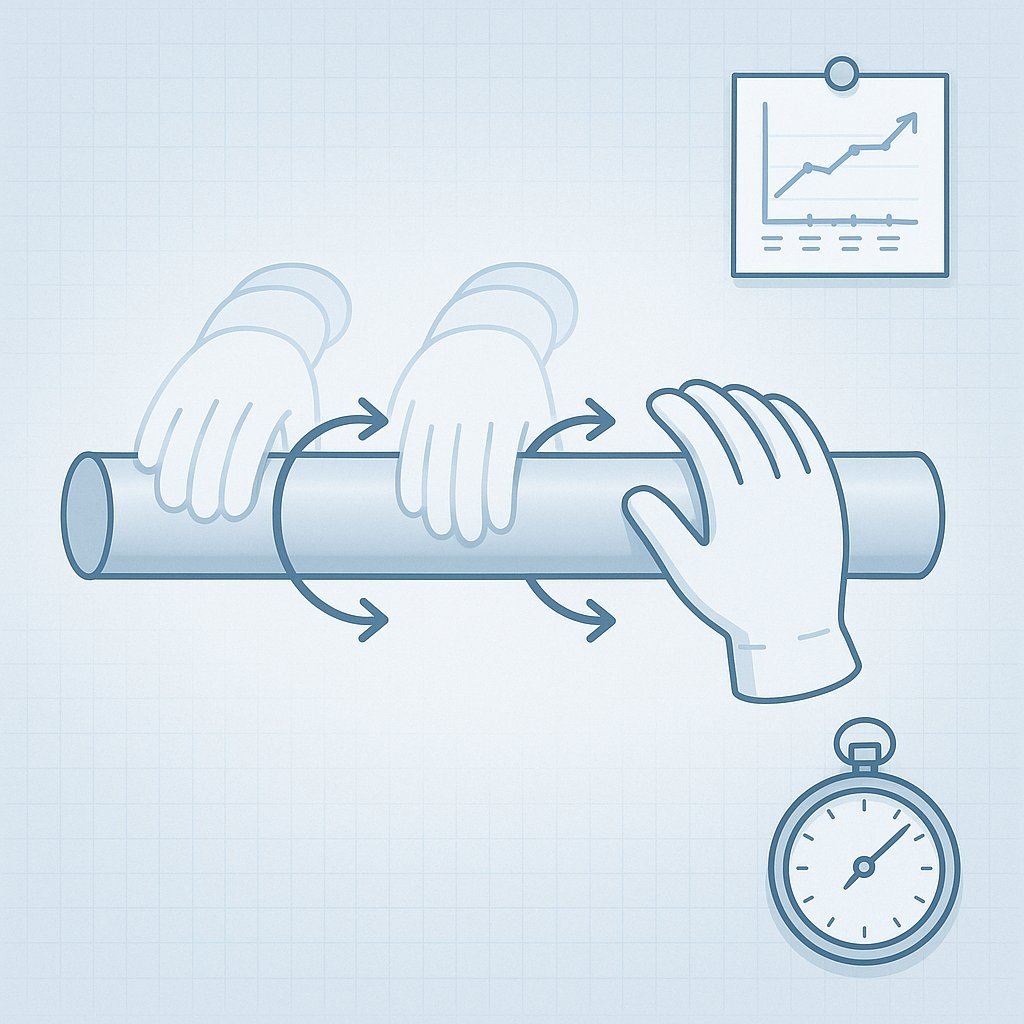
Table of Contents
- Overview: What a “Successful” Jelqing Routine Really Means
- Evidence-Based Context: What Jelqing Can and Can’t Do
- Safety First: How to Prepare Your Body Before Any Jelq Session
- Step-by-Step Beginner Jelqing Session (Weeks 1–4)
- Structuring Your Weekly Routine: Frequency, Rest, and Tracking
- Adding Pelvic Floor and Kegels: Supporting Ejaculation Control and Function
- Using Penis Extenders, Stretchers, and Safer Tools Alongside Jelqing
- Real-Life Tips to Keep Your Jelq Practice Sustainable
- FAQ: Common Beginner Questions About Jelq Routines
- Conclusion: Building a Jelqing Routine That Protects Your Sexual Future
Overview: What a “Successful” Jelqing Routine Really Means
Expert Insight: According to Cleveland Clinic, to correctly perform Kegel exercises for men you must first identify your pelvic floor muscles by tightening the muscles used to stop urine, gas, or to pull the scrotum upward, and you can confirm activation by feeling the muscles lift around a finger inserted into the rectum (https://my.clevelandclinic.org/health/treatments/22211-kegel-exercises-for-men). They recommend then practicing Kegels seated or lying down by squeezing these muscles for about five seconds, relaxing for five seconds, and repeating this cycle 10 times per session. (my.clevelandclinic.org)

For beginners, a successful jelq routine is less about fast size changes and more about penis health, consistency, and staying injury‑free. There’s no strong clinical evidence that jelqing permanently increases length or girth, but there is clear evidence that harsh mechanical force can damage the penis and surrounding tissues.
This article focuses on how to build a realistic, lower‑risk beginner routine: how often to jelq, how to warm up, how to integrate pelvic floor work like Kegels, and how to blend jelqing with safer tools such as a penis extender or penis stretcher. The goal is to support mens sexual wellness in a way that respects the limits of real anatomy, not porn or social media myths.

If you have pain, curvature, erectile dysfunction, Peyronie’s disease, or any urologic condition, talk to a healthcare professional before starting any jelq or stretching practice.
Evidence-Based Context: What Jelqing Can and Can’t Do
Jelqing is a manual sex techniq where you use a semi‑erect grip to “milk” blood along the shaft. Online, it’s often marketed as a do‑it‑yourself enlargement method. Problem: there are no high‑quality, peer‑reviewed clinical trials showing jelqing alone provides reliable, permanent penis growth.
By contrast, some penis extender devices (also called a penis stretcher) and traction protocols do have published medical data behind them. They’re sometimes used in conditions like Peyronie’s disease or as a follow‑up to penis enlargement surgery, as major medical centers such as Cleveland Clinic note when discussing post‑surgical strategies and traction in urologic care.
Here’s what we can say in an evidence-based way:
- Jelqing may temporarily increase blood flow and lead to short‑term fullness or a “pumped” look, similar to any other erection‑focused activity.
- Risks include bruising, pain, loss of sensitivity, erectile problems and, with aggressive force, possible damage to blood vessels or connective tissue.
- Traction devices (extenders) have more clinical backing than manual jelqing, but they still need medical oversight, realistic expectations, and careful use.
- Mens sexual wellness outcomes (confidence, erection quality, stamina) are influenced by sleep, stress, cardiovascular health, hormones, and pelvic floor function, not just what you do with your hands.
A “successful” beginner routine accepts that jelqing is experimental, adjusts intensity, and uses it more as a body‑awareness and blood‑flow practice than a stand‑alone growth solution.
Safety First: How to Prepare Your Body Before Any Jelq Session
Before you think about reps and sets, you need a safety framework. Your penis has delicate blood vessels and nerves. Treat it more like an eye than a biceps.
Use these practical safety rules:
- Get medical clearance if you have diabetes, cardiovascular disease, bleeding disorders, Peyronie’s disease, prior penis enlargement surgery, or take blood thinners.
- Stay below full erection. A 40%–70% erection keeps tissue more pliable. Full erections plus strong squeezing sharply increase injury risk.
- Use lube. Dry jelqing causes friction and micro‑tears. Choose a neutral, skin‑safe lubricant and reapply as needed.
- Stop if you feel pain, sharp burning, or numbness. These are warning signs, not “good soreness.”
- Watch for red flags after sessions: dark bruising, persistent swelling, coldness, erectile changes, or a new curve. If they appear, stop all training and contact a healthcare provider.
Also think about the rest of your body. Clinical guidance on pelvic floor exercises from Cleveland Clinic stresses pain‑free movement and relaxation between contractions. The same principle applies here: your jelq routine should never feel like you are fighting your anatomy.
Step-by-Step Beginner Jelqing Session (Weeks 1–4)
Use this as a starting template, not a rigid program. The purpose is to build awareness, not to chase extreme fatigue.
1. Warm-up: 5–10 minutes
- Heat: Apply a warm (not hot) compress or washcloth around your penis and scrotum for 3–5 minutes to increase blood flow.
- Gentle mobility: Do a few light hip circles or a 90‑90 style hip stretch (as described in Cleveland Clinic’s mobility content) to relax your pelvis and lower back.
2. Find the right erection level
- Stimulate gently until you reach a semi‑erect state (40%–70%). You should be firm but still easily bendable.
3. The basic jelq movement
- Make an “OK” grip at the base of the shaft with your thumb and index finger. Don’t squeeze as hard as you can; think “firm handshake,” not “crushing grip.”
- Slowly move your hand toward the glans over 2–3 seconds, guiding blood forward.
- Stop before the glans; do not squeeze over the head itself.
- Release at the top, then immediately repeat with the other hand from the base, alternating hands.
4. Beginner volume (Weeks 1–2)
- Perform 20–30 jelqs per session.
- Rest 1–2 seconds between strokes.
- Schedule 2 sessions per week with at least 48 hours between them.
5. Light progression (Weeks 3–4)
- If you have had zero negative signs (no bruising, no soreness lasting >24 hours, no erection changes), increase to 40–50 jelqs per session.
- You may increase to 3 sessions per week, but keep at least one rest day between sessions.
6. Cool-down: 3–5 minutes
- Apply a warm compress again for 2–3 minutes or take a warm shower.
- Let your penis return to a fully soft, relaxed state before putting on tight clothing.
If you find yourself rushing or adding force to “make it work,” that’s your cue to stop. Consistent, light work is safer than rare, brutal sessions.
Structuring Your Weekly Routine: Frequency, Rest, and Tracking
Beginners often try to copy bodybuilder logic: more volume, more gains. Penis tissue does not adapt the same way. You should approach jelqing more like rehabilitation or physical therapy.
1. Weekly schedule for the first 8–12 weeks
- Weeks 1–2: 2 sessions per week, 20–30 jelqs each.
- Weeks 3–4: 2–3 sessions per week, 40–50 jelqs each.
- Weeks 5–8: Up to 3 sessions per week, 50–70 jelqs if you are symptom‑free.
- Weeks 9–12: Maintain or very slowly increase stroke count, but do not add more days per week. Keep at least 1 day off between sessions.
2. Rest and recovery
- Never jelq daily as a beginner. Tissue needs time to recover.
- If you experience any soreness, skip your next planned session.
- Quality erections in the morning and during arousal are a key barometer. If they worsen, you are overdoing it.
3. Tracking for mens sexual wellness, not just size
Instead of obsessing over a tape measure, track broader sexual health markers:
- Erection firmness on a simple 1–10 scale.
- Morning erections: frequency and quality.
- Ejaculation control: do you feel more or less able to manage arousal and timing?
- Subjective comfort: any pain, tingling, or changes in sensitivity.
Take basic length and girth measurements no more than once every 4 weeks. Measuring weekly will only increase anxiety and may push you to take unnecessary risks.
Adding Pelvic Floor and Kegels: Supporting Ejaculation Control and Function
A well‑designed jelq routine doesn’t exist in isolation. Your pelvic floor muscles play a crucial role in erections, ejaculation, and continence. Cleveland Clinic describes Kegel exercises as a way to tighten and release the pelvic floor, which supports organs like your bladder and bowel and influences sexual function.
1. How to find the right muscles
- Imagine you’re trying to stop peeing mid‑stream or prevent yourself from passing gas. The muscles that contract are your pelvic floor.
- You shouldn’t feel your butt, thighs, or abs working hard. If you do, you’re probably compensating with the wrong muscles.
2. Basic male Kegel routine
- Squeeze your pelvic floor muscles for about 5 seconds.
- Relax completely for 5 seconds.
- Repeat 10 times for one session.
- Work up to three sessions per day (morning, afternoon, evening), as Cleveland Clinic guidance suggests for many men.
3. Integrating Kegels with jelq
- Do Kegels away from jelqing sessions at first. Overuse can make the pelvic floor too tight, which can worsen pain or ejaculation issues.
- Use Kegels as a separate daily practice to build awareness and control, then later blend light contractions into arousal situations as you learn how they affect your ejaculation timing.
If you have pelvic pain, urinary issues, or your back or stomach hurt while doing Kegels, stop and consult a healthcare provider. As Cleveland Clinic notes, that can indicate incorrect technique or that Kegels aren’t appropriate for you right now.
Using Penis Extenders, Stretchers, and Safer Tools Alongside Jelqing
Many men eventually wonder if they should add devices like a penis extender or penis stretcher to their routine. Unlike jelqing, traction devices have a modest evidence base in specific medical contexts, including Peyronie’s disease and post‑penis enlargement surgery protocols.
1. Why consider an extender
- They can deliver controlled, low‑level traction over longer periods than your hands can.
- They’re less dependent on arousal, so you can use them during non‑sexual parts of your day.
2. Basic integration principles
- Don’t start everything at once. If you’re new to jelqing, wait at least 4–8 weeks before adding a device.
- Use light tension. You shouldn’t feel sharp pulling or burning. Mild stretch and awareness are the targets.
- Stagger stress. If you use an extender on a given day, keep your jelq volume lower or skip jelqing entirely.
3. Choosing a device
Look for brands that emphasize medical‑style traction principles, clear instructions, and conservative tension settings. If you decide a traction‑based solution fits your plan, consider exploring the official penis extender store for clinically oriented options that can complement a cautious jelq routine.
Whatever you choose, remember that any tool is just one part of mens sexual wellness. Sleep, cardiovascular fitness, mental health, relationships, and honest communication with partners matter just as much.
Real-Life Tips to Keep Your Jelq Practice Sustainable
Most beginners don’t “fail” because jelqing is too complex; they fail because their routine isn’t sustainable or it quietly harms their confidence or health.
Use these practical strategies:
- Anchor sessions to existing habits: For example, jelq after your evening shower on two fixed days per week.
- Protect your skin: Just as skincare experts warn against overdoing trends like slugging, over‑lubing and over‑rubbing the penis can irritate skin. If you notice redness or chafing, reduce sessions and let the skin recover.
- Use proper condom sizing: Jelqing won’t replace the need for correctly sized condoms. Follow clinical condom size charts from sources like Cleveland Clinic to choose width and length that match your current size, not your goal size.
- Involve your partner, if appropriate: Some couples turn jelq‑style touch into a shared sex techniq, at much lower force, as part of arousal or edging. Clear communication about comfort is essential.
- Know when to stop: If you feel constant anxiety about your size, or you’re hiding injuries instead of seeking help, it may be time to pause all enhancement work and talk with a sexual health professional.
Remember that surveys from large health systems show many men avoid going to the doctor even when they’re worried about sexual issues. Choosing to get evaluated instead of hiding problems is a sign of strength, not weakness.
FAQ: Common Beginner Questions About Jelq Routines
1. How long should a beginner jelq session last?
For most beginners, a total of 10–15 minutes is plenty, including warm‑up and cool‑down. The actual jelqing portion can be as short as 5–8 minutes. Longer sessions don’t mean better results; they usually just increase risk.
2. Can jelqing really increase my size permanently?
There’s no strong clinical evidence that manual jelqing alone causes reliable, permanent penis enlargement. Some men report changes, others see none, and some experience harm. Evidence‑supported options, such as penis extenders and medically supervised approaches, have stronger data, but even they come with limits and risks.
3. Is it okay to jelq every day if I feel fine?
As a beginner, daily jelqing is not recommended. Tissue fatigue and micro‑injury can build up before you notice symptoms. Start with 2–3 weekly sessions and evaluate your erections, comfort, and any changes in sensitivity over several weeks before considering adjustments.
4. Can jelqing help with erection quality or ejaculation control?
Indirectly, some men feel more body‑aware and report temporary “fullness” or easier erections after careful jelqing. But if your main goal is better erection quality or ejaculation control, pelvic floor training (Kegels) and broader lifestyle work (sleep, cardio health, stress reduction) have far stronger evidence. Jelqing should never replace medical evaluation for erectile dysfunction or premature ejaculation.
5. Is jelqing safe if I’ve had penis surgery?
If you’ve had any penis surgery, including penis enlargement surgery, you should not jelq without direct approval and guidance from your urologist. Scar tissue, implants, or altered anatomy can change how forces are transmitted through the penis, and manual pressure may interfere with healing or long‑term outcomes.
6. What should I do if I notice pain, bruising, or a change in curve?
Stop all jelqing and device use immediately. If symptoms do not improve within 24–48 hours, or if you notice significant bruising, loss of erection, coldness, or a sudden new curve, contact a healthcare provider or urgent care. Being proactive about mens sexual wellness is far better than hoping an injury will disappear on its own.
Conclusion: Building a Jelqing Routine That Protects Your Sexual Future
A beginner jelq routine should feel controlled, modest, and integrated into a broader mens sexual wellness plan. Evidence-based practice means acknowledging that jelqing’s enlargement claims are unproven, while its risks are real, especially when intensity and frequency climb too fast.
Focus on safe technique, limited weekly volume, and consistent monitoring of erection quality and comfort. Combine light jelqing with pelvic floor work, realistic lifestyle improvements, and, when appropriate, medically informed tools like a penis extender or penis stretcher. Above all, stay willing to pause, adjust, or seek professional support whenever your body gives you warning signs. Your long‑term sexual health matters more than any short‑term change in the mirror.

Post Comment