Jelqing Exercise Side Effects: Evidence-Based Risks, Warning Signs, and Safer Alternatives
Read more in our Complete Guide to Jelqing: Evidence, Safety, and.
Table of Contents
- Overview: Why Jelqing Side Effects Deserve Serious Attention
- What Jelqing Actually Does to the Penis (Mechanically and Biologically)
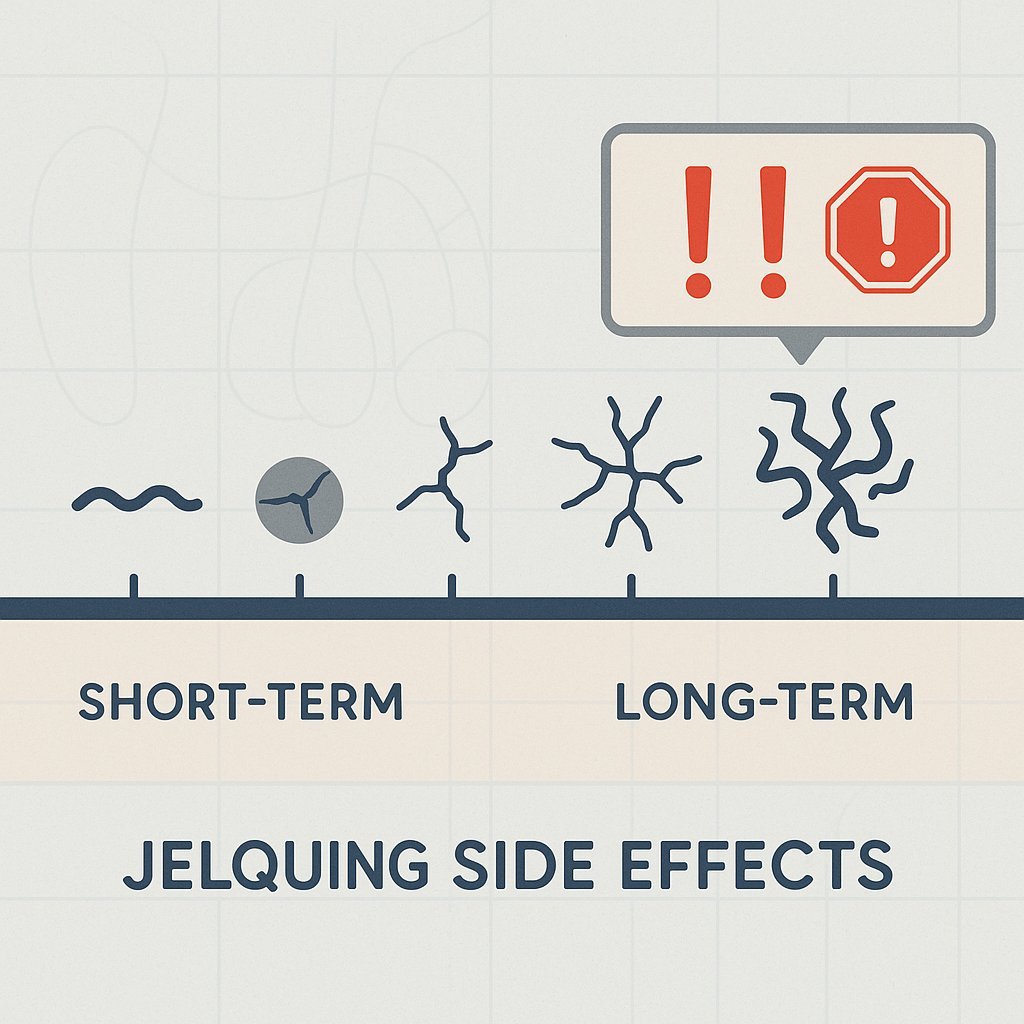
- Short-Term Jelqing Side Effects: Common Immediate Problems
- Long-Term Jelqing Side Effects: Scarring, Curvature, and Function Changes
- How Jelqing Can Affect Ejaculation, Libido, and Confidence
- Warning Signs You Should Stop Jelqing Immediately
- How Jelqing Compares to Penis Extenders and Stretchers for Risk
- Practical, Safer Alternatives to Jelqing for Men’s Sexual Wellness
- Step-by-Step: If You’ve Already Been Jelqing and Are Worried About Damage
- FAQ: Jelqing Exercise Side Effects and Safer Choices
- Conclusion: Put Safety and Function Ahead of Risky Enlargement Exercises
Overview: Why Jelqing Side Effects Deserve Serious Attention
Expert Insight:
According to Mayo Clinic, most advertised nonsurgical penis-enlargement methods either don’t work or can cause harm, and no reputable medical organization endorses penis-enlargement surgery for cosmetic reasons alone (https://www.mayoclinic.org/healthy-lifestyle/sexual-health/in-depth/penis/art-20045363). They note that an erect penis of about 5 inches (13 cm) or longer is considered a typical size, and many men underestimate how normal their size actually is. (www.mayoclinic.org)

Jelqing is often marketed online as a simple hand exercise that can make the penis thicker and longer. The technique usually involves a semi-erection and a repeated “milking” motion from the base of the shaft toward the glans. Because it is framed as a natural sex techniq and not a drug or surgery, many men assume jelqing is harmless.
Evidence-based medical guidance tells a different story. Major clinical sources such as Mayo Clinic clearly state that exercises like jelqing have no proven benefit for penis sizeand can cause pain, scarring, and disfigurement. In men’s sexual wellness, that combination—unproven benefit plus real risk—deserves close attention.
This article focuses on jelqing exercise side effects: what can go wrong, how to recognize early damage, when to seek help, and what safer, practical alternatives exist if you are unhappy with penis size or performance.
What Jelqing Actually Does to the Penis (Mechanically and Biologically)
To understand jelqing side effects, you need a basic picture of penile anatomy and what the exercise tries to do.
The penis contains two main erectile cylinders (corpora cavernosa) and a smaller cylinder around the urethra (corpus spongiosum). During arousal, blood fills these spaces, creating an erection. Jelqing attempts to use the hands to force extra blood along the shaft, with the idea that repeated pressure might stretch the erectile tissue over time.
In reality, this manual, repetitive micro-trauma can affect several structures:
- Superficial blood vessels:Repeated squeezing can rupture tiny veins and capillaries, causing bruising and red or purple spots.
- Erectile tissue (corpora cavernosa):Excessive pressure can create internal tears, bleeding, and eventually scar tissue (fibrosis).
- Skin and superficial fascia:Friction without lubrication can lead to abrasion, swelling, or hyperpigmentation (darkening).
- Nerves:Compression and traction can irritate or injure sensory nerves, leading to numbness or abnormal sensations.
Because the penis has delicate vascular and nerve networks, even small injuries can have outsized impact on erection quality, ejaculation control, and overall comfort.
Short-Term Jelqing Side Effects: Common Immediate Problems
Many men notice side effects within days or weeks of starting a jelq routine, especially if they use too much force, go for long sessions, or skip lubrication. Short-term effects may improve with rest, but they are red flags that the technique is doing harm.
Common short-term jelqing side effects include:
- Bruising and broken blood vessels:Purple or red spots, streaks, or general discoloration on the shaft or glans.
- Swelling (edema):Puffy, soft swelling of the shaft or foreskin after a session, especially near the tip.
- Pain or burning:Soreness during touch, urination, or erections; sometimes a burning or stinging sensation in the skin or deeper tissues.
- Temporary erectile changes:Weaker or less stable erections after aggressive sessions, or difficulty maintaining a full erection due to acute tissue irritation.
- Skin irritation:Friction burns, peeling, or dryness when jelqing is done without enough lubrication or with harsh products.
If you are seeing these early side effects, that is clinical evidence your current routine is too intense for your tissue. Continuing at the same intensity can convert short-term irritation into long-term injury.
Long-Term Jelqing Side Effects: Scarring, Curvature, and Function Changes
The most concerning jelqing risks show up over months or years. These long-term side effects are why urologists and mainstream clinics are consistently cautious about manual enlargement exercises.
Plausible long-term consequences include:
- Scar tissue and fibrosis:Repeated micro-tears in erectile tissue can heal with scar formation. Scarred areas do not expand like healthy tissue, which can reduce overall rigidity and create uneven erections.
- Penile curvature or deformity:If scarring is uneven, the penis may start to curve or bend during erection. In more serious cases, this pattern resembles Peyronie’s disease, with palpable plaques and painful erections.
- Chronic pain:Some men report ongoing aching or sharp pain during erections or sex, long after they stop jelqing. This can stem from nerve irritation, ligament strain, or fibrotic changes.
- Reduced erection quality:Damage to elastic fibers and blood vessels can impair the penis’s ability to fill fully and stay firm. Mayo Clinic notes that overuse of vacuum devices can reduce elastic tissue; intense jelqing may create similar strain on vascular and elastic structures.
- Persistent numbness or altered sensation:Compression injuries to sensory nerves can cause long-lasting decreased sensitivity or unpleasant tingling.
- Cosmetic changes:Permanent darkening of the skin, uneven shaft thickness, or a lumpy texture where scar tissue has formed.
Unlike short-term bruising, these side effects may not fully reverse. Once fibrosis and nerve damage are established, treatment may require specialist evaluation, and results can be limited.
How Jelqing Can Affect Ejaculation, Libido, and Confidence
Men rarely start jelqing just to experiment; they are usually trying to improve confidence, sexual pleasure, or perceived performance. Unfortunately, side effects can cut in the opposite direction, affecting ejaculation patterns, libido, and mental health.
Potential impacts include:
- Ejaculation discomfort:If jelqing irritates the urethral tissues or surrounding erectile structures, forceful contractions during ejaculation can become painful or uncomfortable.
- Changes in ejaculation control:Anxiety about pain, loss of feeling, or erection quality can indirectly affect how long you last. Mayo Clinic notes that psychological stress and performance anxiety are key drivers of premature ejaculation, and injury-related worries easily feed that stress.
- Reduced arousal and libido:Fear of pain or further damage can make arousal feel unsafe. Over time, some men report less desire for sex, even if hormones are normal.
- Confidence and body image:Surveys from organizations like Cleveland Clinic show that men link exercise and body image to their mental health and sex drive. When a self-improvement method backfires—causing curvature, scarring, or weaker erections—it can sharply damage confidence.
These psychological and functional side effects are part of mens sexual wellness, not separate from it. Damage from jelqing is not just a cosmetic issue; it can influence how you think and feel about sex, partners, and your own body.
Warning Signs You Should Stop Jelqing Immediately
Some discomfort can tempt men to “push through,” especially in online communities that normalize bruising as part of growth. From a clinical perspective, that is risky. The following symptoms are strong signals to stop jelqing and consider medical evaluation:
- Sudden, severe pain during a jelq or erection:Especially if you hear or feel a snap or pop, followed by rapid loss of erection and swelling (possible penile fracture; seek urgent care).
- Rapid swelling and dark bruising:Particularly if the entire shaft or scrotum becomes discolored and painful.
- New, significant curvature:A noticeable bend that was not present before starting or escalating jelqing.
- Persistent loss of sensation:Numb patches or major sensitivity loss that lasts more than a few days.
- Difficulty getting or keeping erections:New-onset erectile dysfunction not explained by other medical issues.
- Painful erections or painful ejaculation:Discomfort that keeps you from wanting sex or masturbation.
- Signs of infection:Open wounds, cracks, or sores with redness, warmth, pus, or fever.
In these cases, pause all manual exercises, penis extender work, and intense sexual activity until you have been assessed by a healthcare professional, ideally a urologist who is familiar with men’s sexual wellness concerns.
How Jelqing Compares to Penis Extenders and Stretchers for Risk
Men looking for enlargement often compare jelqing to tools like a penis extender or penis stretcher. Each approach carries its own profile of potential side effects.
Jelqing:
- Unstandardized force and technique; no medical oversight.
- Risk of uneven pressure, sudden trauma, and extensive bruising.
- Evidence-based reviews (such as Mayo Clinic guidance) find no clinical proof of size increase, but clear documentation of pain and deformity.
Penis extenders / stretchers:
- Apply low, continuous traction rather than forceful squeezing.
- Small, controlled studies on traction devices have shown modest length gains (around 1–3 cm) with monthsof daily use, although more research is needed.
- Side effects can include discomfort, skin irritation, and temporary numbness, especially if tension is too high or device is worn incorrectly.
Traction devices are not risk-free, but they allow for more measurable, controlled loading compared with the hand-over-hand jelq motion. If you are considering a traction-based approach, use a medically designed device, follow conservative, step-by-step progression, and stop at any sign of pain or nerve symptoms.
For men who want to explore clinically informed devices instead of aggressive manual exercises, one option is the official Penimaster traction system. Use any extender only as directed and never combine high-intensity jelqing with traction on the same day.
Practical, Safer Alternatives to Jelqing for Men’s Sexual Wellness
If jelqing carries real risks and uncertain benefits, what can you do instead? Evidence-based sexual health tends to favor approaches that improve function, confidence, and satisfaction rather than chasing dramatic size changes.
Clinically grounded alternatives include:
- Addressing penis size concerns realistically:Mayo Clinic emphasizes that most men who feel small actually fall within typical erect size ranges. Counseling, realistic education, and open partner communication can reduce distress without risking physical harm.
- Improving erection quality:Managing blood pressure, diabetes, smoking, and body weight can do more for erection firmness than any manual enlargement technique. Regular aerobic exercise and strength training are strongly linked to better erections.
- Pelvic floor (Kegel) exercises for men:Mayo Clinic provides clear, step-by-step instructions for Kegel exercises that strengthen the muscles involved in erections and ejaculation. Stronger pelvic-floor muscles can help with rigidity, control, and sometimes urinary issues.
- Optimizing sex techniq instead of size:Focusing on foreplay, communication, and positions that enhance clitoral and vaginal stimulation often leads to more satisfying sex for both partners, regardless of penis length.
- Psychosexual and couples therapy:If anxiety about size or performance is dominant, therapy can target self-esteem, relationship dynamics, and performance anxiety more effectively than any physical exercise.
- Medical evaluation when indicated:For true micropenis or injury-related changes, referral to a urologist can clarify whether surgery, traction, or hormone management is appropriate.
These approaches are slower and less flashy than internet enlargement promises, but they align with how reputable clinics—such as Mayo Clinic and Cleveland Clinic—frame men’s sexual wellness: function, safety, and overall quality of life first.
Step-by-Step: If You’ve Already Been Jelqing and Are Worried About Damage
If you have started jelqing and are now noticing side effects, you are not alone. A calm, structured response is more effective than panic or denial.
Use this practical, step-by-step plan:
- Stop all jelqing immediately:Pause any manual exercises, especially if you see bruising, pain, or numbness. Continuing can convert a mild injury into a more serious one.
- Rest and monitor:For minor bruising or soreness, give your penis several days without masturbation, sex, or devices. Use gentle hygiene only; avoid harsh soaps and aggressive touching.
- Document changes:Note when symptoms started, how they change over days, and whether curvature, pain, or erection quality improves or worsens. This record helps if you see a clinician.
- Screen for emergency signs:Inability to get an erection after a sudden injury, massive swelling, or a cracking sound during a jelq or erection requires urgent medical evaluation.
- Book a men’s sexual health–friendly clinician:Look for a urologist or sexual medicine specialist who explicitly works with male sexual concerns. Be direct that you used enlargement exercises; this helps them assess risk more accurately.
- Address anxiety and guilt:Many men feel embarrassed. Remember that sexual experimentation is common, and clinicians have seen similar issues before. Managing stress is also important for maintaining healthy erections and ejaculation control.
- Rebuild with safer habits:Once cleared medically, focus on lifestyle, pelvic-floor work, and partner communication instead of returning to aggressive jelqing routines.
The earlier you act on warning signs, the more likely it is that symptoms can stabilize or improve.
FAQ: Jelqing Exercise Side Effects and Safer Choices
Q1: Does jelqing actually work for penis enlargement?
There is no high-quality clinical evidence that jelqing increases penis length or girth in a reliable way. Authoritative sources like Mayo Clinic list jelqing under exercises that are unproven and potentially harmful. Many men report no measurable change or only temporary swelling that fades quickly.
Q2: Can jelqing permanently damage my penis?
Yes. Repeated high-pressure squeezing can create scar tissue, curvature, chronic pain, or decreased sensitivity. Once fibrosis or nerve damage is established, full recovery is not always possible. That is why most men’s sexual wellness experts discourage high-intensity jelqing routines.
Q3: Is jelqing safer if I use lubrication and go gently?
Lubrication and lighter pressure can reduce skin friction and some acute trauma, but they do not remove the core risk that you are applying unmeasured force to sensitive vascular and erectile tissue. Even gentler routines carry some risk without clear evidence-based benefits.
Q4: How is a penis extender different from jelqing in terms of side effects?
A penis extender or penis stretcher uses controlled, low-level traction over long periods instead of forceful squeezing. Studies on traction devices suggest modest length gains with months of consistent use, but side effects such as discomfort and skin irritation are still possible. Jelqing, by contrast, combines grip, squeezing, and movement, which increases the chance of bruising and uneven internal injury.
Q5: Can jelqing affect my ejaculation or cause premature ejaculation?
Indirectly, yes. Pain, fear of injury, and reduced erection quality can all increase performance anxiety. Mayo Clinic notes that anxiety is a key factor in premature ejaculation. If you are worried about damage or focusing on symptoms during sex, your arousal and control can change in ways you do not want.
Q6: What should I do if I already notice curvature or pain after jelqing?
Stop jelqing immediately and arrange an evaluation with a urologist. Document when the changes appeared and how they affect erections and ejaculation. Early assessment can help rule out serious injuries, guide treatment, and prevent further damage.
Conclusion: Put Safety and Function Ahead of Risky Enlargement Exercises
Jelqing is often promoted as a simple route to a bigger penis, but the side effects are real: bruising, pain, scarring, curvature, sensation loss, and changes in erection quality. Major medical organizations emphasize that most non-surgical enlargement techniques, including jelq exercises, lack solid evidence while carrying meaningful risks.
Mens sexual wellness is not just about size. It is about reliable erections, comfortable ejaculation, satisfying sex techniq, and confidence in your body. Evidence-based options—healthy lifestyle, pelvic-floor work, psychosexual support, and carefully used traction devices—prioritize long-term function over short-term experiments.
If you are already experiencing side effects, step back, seek professional guidance, and focus on strategies that protect both your physical and psychological sexual health. The goal is not to chase extreme changes, but to build a safe, sustainable foundation for the sex life you actually want.
Related Reading
- What Is Jelqing? Evidence-Based Facts, Myths, and Safer Options for Penis Enhancement
- Does Jelqing Work? Evidence-Based Answers, Realistic Results, and Safer Growth Strategies

Post Comment