Jelq Safety Tips: Risk Signs, Recovery Steps, and Smarter Alternatives
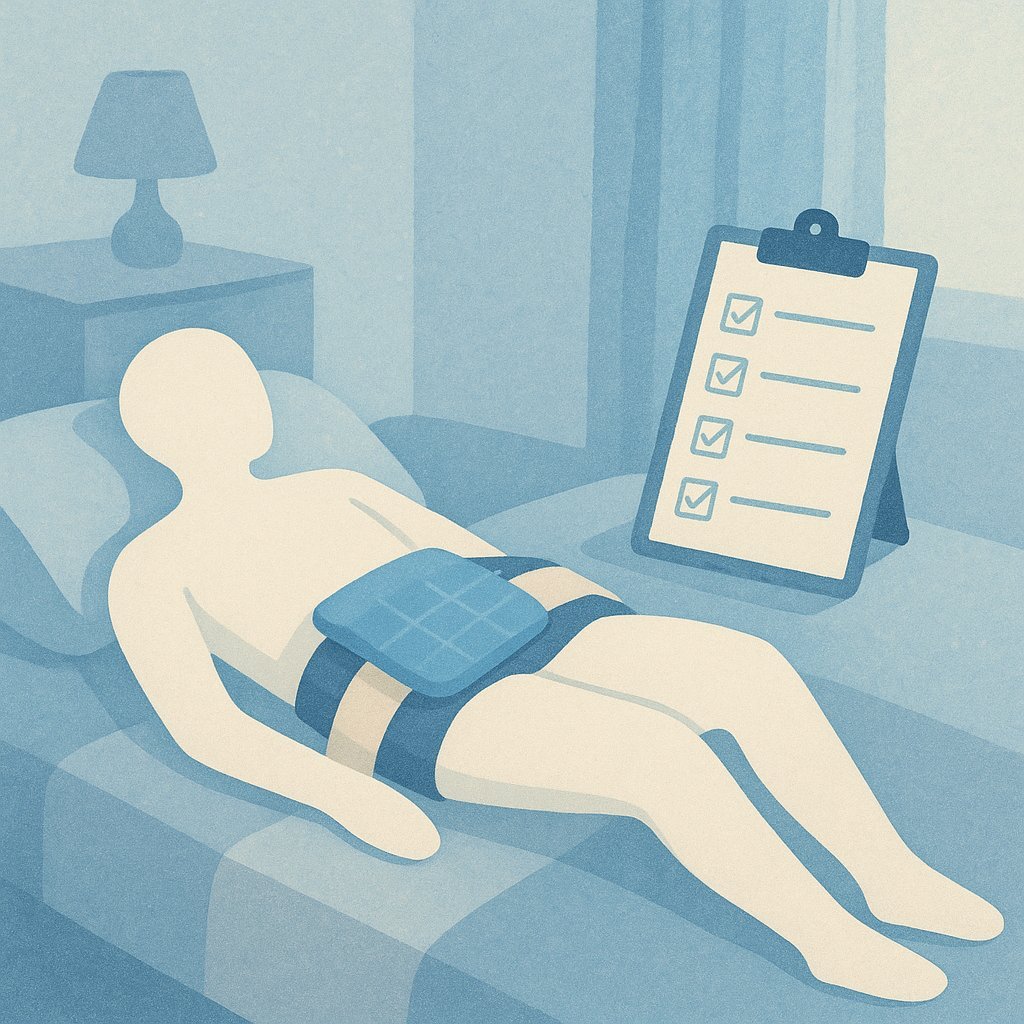
Table of Contents
- Overview: Where Jelq Fits Into Men’s Sexual Wellness
- Risk Signs: When Jelq Is Doing Damage, Not Good
- Recovery Steps: What To Do If You’ve Overdone Jelq
- Smarter Alternatives: Safer Tools, Technique, and Ejaculation Control
- Conclusion: Protect Function First, Experiment Second
- FAQ
Overview: Where Jelq Fits Into Men’s Sexual Wellness
Expert Insight: According to Mayo Clinic (https://www.mayoclinic.org/healthy-lifestyle/sexual-health/in-depth/penis/art-20045363), there is little scientific support for nonsurgical penis-enlargement methods, no reputable medical group endorses cosmetic penis-enlargement surgery, and most advertised techniques either don’t work or can cause harm. They also note that an erect penis of about 5 inches (13 cm) or longer is considered a typical size. (www.mayoclinic.org)
In the world of men’s sexual wellness, jelq (or jelqing) is often promoted as a simple way to make the penis thicker or longer using repeated squeezing strokes. It is usually described as a “natural” sex techniq, but major medical sources note that there is no reliable clinical evidence that jelqing safely enlarges the penis.
According to medical reviews, hand-based penis exercises can instead cause pain, scarring, and disfigurement. Many men start jelq routines in response to anxiety about penis size, even though typical erect size is around 5 inches and most partners are satisfied with normal variation. When worries about size, performance, or ejaculation control drive you toward aggressive techniques, the real issue is often confidence, communication, or underlying sexual health conditions—not the physical length of your penis.

This guide focuses on three things: clear risk signs that jelq is going wrong, practical recovery steps if you’re already sore or injured, and smarter alternatives such as medically aligned penis extender or penis stretcher devices, behavioral changes, and professional support. The goal is simple: protect long-term erection quality, sensation, and overall sexual function while still giving you options if you want to work on appearance or performance.
Risk Signs: When Jelq Is Doing Damage, Not Good
Some temporary redness or mild soreness can appear when you first experiment with jelq, but there is a clear line between mild irritation and damage with real risk for your erections. You should treat the following red flags as warning signs to stop immediately and reassess:
- Sudden sharp pain or tearing sensations during a stroke or shortly after. This can indicate trauma to blood vessels or internal penile tissue.
- Noticeable bruising or purple spots (petechiae) that don’t fade within a day or two, especially if they are spreading or painful.
- Persistent swelling or a “spongy” feel in parts of the shaft, suggesting fluid leakage or tissue injury rather than healthy engorgement.
- Numbness, tingling, or loss of sensation along the shaft or glans. Any change in feeling that lasts more than a few hours is a serious concern because nerve injury can be long-lasting.
- New curvature, kinks, or uneven hard spots that you haven’t noticed before. Repeated microtrauma can help trigger scar tissue (plaques), which may contribute to Peyronie-like changes.
- Weaker or unstable erections after you begin or intensify jelq routines, especially if rigidity, duration, or angle have clearly worsened.
- Pain with ejaculation or during sex, which may indicate deeper tissue stress, not just surface irritation.
Mayo Clinic experts emphasize that exercises such as jelqing can lead to scar formation, pain, and disfigurement, with no proven enlargement benefit. If any of these signs appear, that is not “normal adaptation” or a badge of effort; it is your cue to protect your penis before minor damage turns into chronic problems.
Recovery Steps: What To Do If You’ve Overdone Jelq
If you’ve already pushed jelq too far, your first priority is to protect function and give tissues time to heal. Treat your penis like an injured muscle or joint—only more cautiously, because the stakes for erections and sensation are high.
- Stop all jelq and high-intensity stimulation immediately. Pause jelq, aggressive masturbation, and rough sex. Continued strain can turn a mild strain into a more serious tear or chronic inflammation.
- Use gentle rest and basic care. Keep the area clean and dry. Mild, short-term cool compresses on the shaft (not ice directly on skin) can help with swelling in the first 24–48 hours, followed by simply avoiding friction.
- Avoid “fixing” damage with more techniques. Do not try to straighten, bend, or counter-stretch a sore or bruised area. Extra pressure increases the risk of scar tissue and curvature.
- Monitor your erections and sensation over several days. Pay attention to morning erections, firmness, and any change in ejaculation pattern. If things are trending worse instead of stabilizing, that’s a sign you need medical input.
- Seek urgent medical advice for serious symptoms. Go to a clinician or emergency care if you notice severe pain, a sudden loss of erection after a “pop,” rapid swelling, dark purple discoloration, blood in urine or semen, or inability to get an erection at all. These can signal major penile trauma.
- Address the mental side of the injury. Anxiety, shame, or obsessive checking can spiral after a scare. If you find yourself fixated on the injury or compulsively testing erections, talking with a mental health professional who understands sexual health can be part of recovery.
With mild overuse, pain and visible bruising often begin to improve over several days to a week if you stop the offending activity. Ongoing pain, deformity, or erectile changes beyond that window warrant evaluation by a urologist who is familiar with sexual medicine so you can get accurate diagnosis and protect future function.
Smarter Alternatives: Safer Tools, Technique, and Ejaculation Control
Many men turn to jelq because they want more confidence in bed, not just more centimeters. That means you can often get better results by using safer tools, improving sex techniq, and working on overall sexual health instead of squeezing the penis and hoping for the best.
- Medically aligned traction instead of random squeezing. Clinical reviews suggest that carefully used traction devices such as a penis extender or penis stretcher may provide modest length gains in some cases, although long-term data are limited and the process requires many hours per day for months. Traction is not risk-free, but it is at least designed to apply controlled, standardized tension instead of uneven hand pressure.
- Focus on overall men’s sexual wellness. Blood flow, hormone balance, mental health, and relationship dynamics all influence erections, orgasm, and satisfaction more than small variations in size. Managing chronic conditions, improving sleep, exercising regularly, and limiting smoking or heavy drinking can improve erection quality and pleasure without any mechanical device.
- Upgrade your bedroom skills, not just your size worries. Many partners care more about connection, foreplay, and stimulation patterns than raw length. Learning better arousal pacing, using more varied touch, and understanding how your partner’s body responds can transform sex without risky practices.
- Work on ejaculation timing with proven methods. If you’re considering jelq because you hope it will change how quickly you orgasm, you will likely be disappointed. For premature ejaculation and related timing concerns, evidence-based behavioral strategies, pelvic floor training, and in some cases medications or topical anesthetics are more effective and safer than unproven enlargement exercises.
- Watch for compulsive patterns. If you feel driven to spend hours on jelq, pornography, or repeated masturbation routines despite pain, social fallout, or relationship problems, you may be slipping toward compulsive sexual behavior. Professional help can support healthier habits and restore balance.
If you want a structured, non-surgical approach and you’re medically cleared, one option is to use a vetted traction system instead of improvised routines. For men who are determined to explore this path, consider a clinically oriented device from an official supplier, such as the Penimaster official store, and follow medical guidance to minimize risk.
Conclusion: Protect Function First, Experiment Second
Curiosity about jelq is understandable, especially when online claims promise dramatic changes in size and sexual performance. But major medical guidance makes two points clear: most non-surgical penis enlargement claims are unproven, and techniques like jelqing can cause real harm—scar tissue, pain, and long-term changes in erections—with no reliable upside.
If you notice warning signs such as bruising, numbness, persistent pain, or new curvature, pause immediately and prioritize healing. Short-term rest and careful monitoring can resolve minor issues, while serious or ongoing symptoms call for expert evaluation from a urologist or sexual health specialist.
The broader goal of men’s sexual wellness isn’t to chase extreme size at any cost; it’s to maintain reliable erections, pleasurable sensation, satisfying ejaculation, and healthy relationships over a lifetime. Safer enhancement tools, improved sex techniq, lifestyle upgrades, and honest conversations with partners or professionals usually do more for confidence and satisfaction than any risky hand exercise. Protect function first, and build everything else on that foundation.
FAQ
Q: What are the earliest warning signs that jelqing is causing damage?
A: Early red flags include sudden loss of erection quality, new bending or hinging during erections, numbness, tingling, or unusual pain during or after jelqing. Visible bruising, dark spots, or persistent swelling are also signs to stop immediately and reassess.
Q: What should I do right away if I think I’ve injured myself from jelqing?
A: Stop all exercises, sexual activity, and pornography use for a while to let tissues rest. Use cool (not ice-cold) compresses for short periods, monitor for changes in color or shape, and seek urgent care if you notice severe pain, a snapping sensation, rapid swelling, or a sudden loss of erection.
Q: How long should I rest after overdoing jelqing before trying anything again?
A: Many mild strains improve with at least a few weeks of complete rest from jelqing and other intense stimulation. If symptoms persist, worsen, or return as soon as you resume any activity, it’s a strong signal to extend the rest period and get a professional assessment.
Q: Are there safer ways to support erection quality without jelqing?
A: Yes—lifestyle upgrades like better sleep, stress management, strength and cardio training, and reducing smoking or heavy drinking can strongly influence erection quality. Some men also benefit from pelvic floor exercises, weight loss if needed, and working with a clinician on hormones, medications, or therapy for performance anxiety.
Q: Is it ever safe to go back to jelqing after recovering from an issue?
A: If you’ve had any structural changes, lasting pain, or major loss of function, returning to jelqing carries a higher risk of re‑injury. Many men find it smarter to retire jelqing altogether and focus on lower‑risk strategies like fitness, sexual communication, and guided medical or therapeutic support instead.

Post Comment