Jelq Safety Tips: Protecting Your Penis While You Experiment
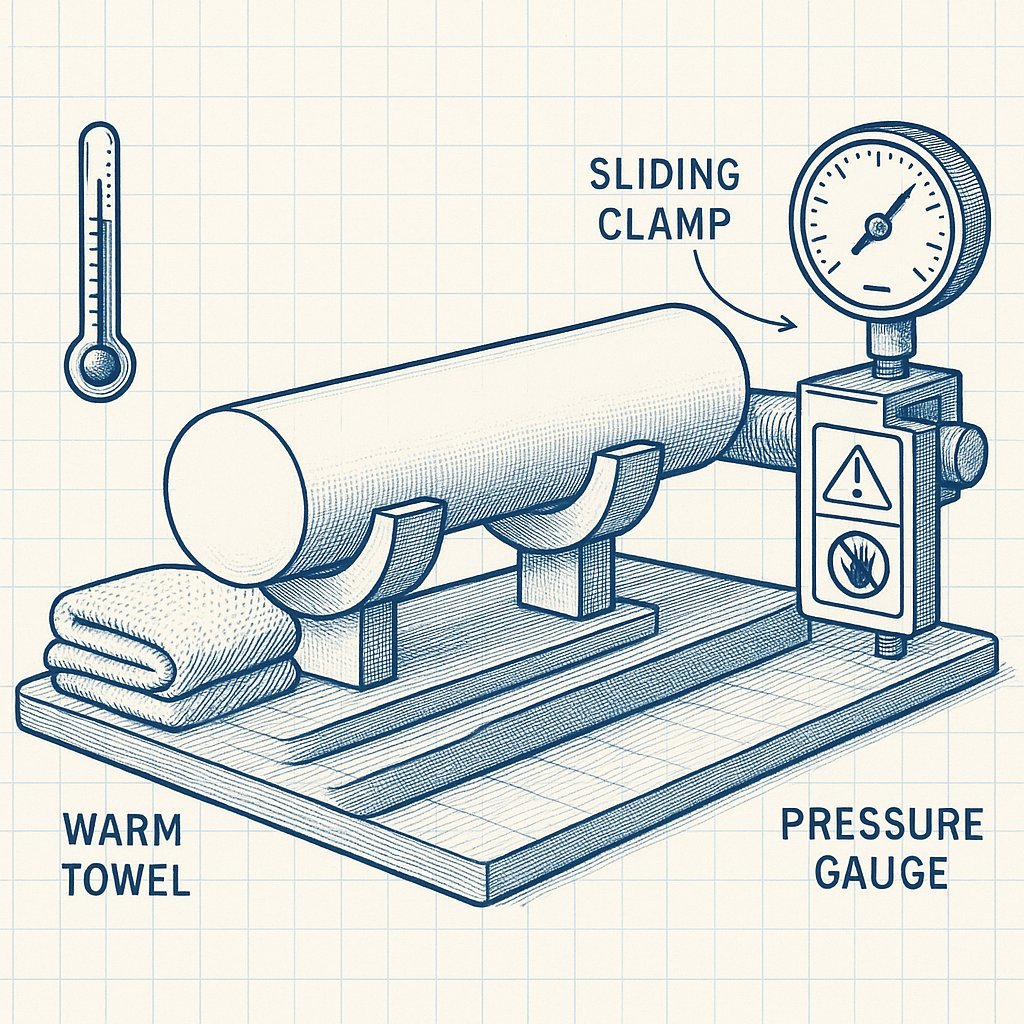
Table of Contents
- Overview: Jelq Curiosity Versus Penis Safety
- Know What You’re Stressing: Penis Anatomy and Jelq Pressure
- Safe-Use Rules: Warm-Up, Intensity Limits, and Early Warning Signs
- Foreskin, Hygiene, and Infection Risk During Jelq
- Smarter Alternatives: When a Penis Extender or Technique Change Is Safer
- Conclusion: Treat Jelq as Training, Not a Test of Toughness
- FAQ
Overview: Jelq Curiosity Versus Penis Safety
Expert Insight: According to my.clevelandclinic.org, common penile conditions include erectile dysfunction, skin disorders (such as herpes, syphilis, psoriasis, or eczema), paraphimosis (a foreskin emergency that can cut off blood flow), penile cancer, and penile fracture from sudden bending of an erect penis (https://my.clevelandclinic.org/health/body/penis). (my.clevelandclinic.org)

Jelq routines are often marketed as a shortcut to a bigger penis, stronger erections, or better ejaculation control. In reality, you are deliberately stressing delicate erectile tissue, nerves, and blood vessels. Without a clear safety plan, that stress can turn into bruising, loss of sensitivity, pain with erections, or even serious injuries like penile fracture or Peyronie’s disease (scar-related curvature).
This article is about protecting your penis while you experiment. It pulls lessons from what is known about penis anatomy and common injuries, then applies them directly to jelq and related sex techniq so you can set realistic limits, know when to back off, and understand when a penis extender or penis stretcher is a safer choice than more manual force.

Know What You’re Stressing: Penis Anatomy and Jelq Pressure
To jelq safely, you need a basic mental map of what is inside your shaft. Beneath the skin are three main erectile chambers plus the urethra. Two corpora cavernosa run along the top; these fill with blood to create a firm erection. The corpus spongiosum and urethra run along the underside and stay a bit softer. A tough but thin sheath (the tunica albuginea) surrounds the corpora and helps trap blood during erections.
Jelqing compresses blood in these chambers and pushes it forward with each stroke. Too much pressure or intensity can:
- Rupture small blood vessels, causing red or purple spots, bruising, or a patchy, darkened look.
- Stress the tunica, raising the risk of micro-tears and long-term scar formation (a potential path to Peyronie’s-like curvature).
- Pinch or overload sensitive nerves, creating burning, numbness, or altered sensation.
- Over-compress the urethra, making urination feel different, weak, or painful.
If you have foreskin, it adds another moving piece. Tight or inflamed foreskin can split, trap moisture, and increase infection risk. Safe jelq requires that you can gently retract your foreskin without pain, clean and dry underneath, and avoid pulling so hard that it swells or cracks.
Healthy mens sexual wellness starts with being familiar with your baseline. Take time to inspect your penis from all angles, feel for firm or tender areas, and gently retract foreskin if present. Knowing your “normal” shape, color, and sensation makes it much easier to notice early signs of jelq-related harm.
Safe-Use Rules: Warm-Up, Intensity Limits, and Early Warning Signs
Jelq safety is less about finding a perfect routine and more about obeying a few non-negotiable rules.
1. Warm tissue properly before any jelq session
- Apply gentle, moist or dry heat to the shaft for 5 to 10 minutes (warm washcloth or shower water), making sure the skin is warm but never hot or painful.
- Avoid jelqing on a cold or partially numb penis; cooler tissue tears and bruises more easily.
2. Control erection level and pressure
- Stay in a semi-erect range (roughly 40% to 70% hardness). Fully hard jelq dramatically raises the risk of vascular damage and penile fracture if the shaft bends suddenly.
- Use just enough squeeze to feel blood move forward, not to the point where the glans (head) becomes rock-hard, cold, or painfully tight.
- Avoid “stacking” advanced techniques (very tight grips, extreme stretching, and edging) early in your experimentation. Gradual progression gives your tissue time to adapt.
3. Keep sessions short and infrequent at first
- Begin with low volume: a few minutes or a small set of gentle strokes every other day, not a daily, marathon-style routine.
- Build up only if you have zero pain, no color changes, and normal erections and sensation for at least several days afterward.
4. Watch for early warning signs and stop immediately
- New red, purple, or black spots that appear or expand after jelq.
- Persistent swelling, a puffy foreskin, or uneven shaft thickness that does not fade within 24 to 48 hours.
- Burning, stinging, or sharp pain during strokes or erections.
- Numbness, tingling, or a “cottony” feeling in the skin or glans.
- Painful erections, difficulty getting or staying hard, or a noticeable bend that was not there before.
Many injuries only become obvious during erections or sexual activity, so monitor yourself the next few days after a session. If problems persist or worsen, pause all jelq work and speak with a healthcare provider or urologist, especially if you notice pain, sudden curvature, trouble urinating, or blood in urine or semen.
Foreskin, Hygiene, and Infection Risk During Jelq
For men with foreskin, jelqing adds extra friction and moisture under the skin. That combination can lead to irritation, tiny tears, and infections if you are not careful.
1. Make foreskin mobility and comfort a precondition
- You should be able to gently retract your foreskin without pain, pinching, or a tight “ring” effect. If retraction is difficult (phimosis) or your skin swells and gets stuck behind the glans (paraphimosis), do not jelq; seek medical help as these conditions can become emergencies.
- Avoid forcing retraction; intense pulling can injure the skin and restrict blood flow.
2. Use lubricant and protect the skin
- Always use a generous amount of skin-safe lubricant. Dry jelq multiplies friction, making foreskin cracking, redness, and swelling far more likely.
- Stop immediately if you see small splits, bleeding, or a stinging sensation along the foreskin or at the underside of the head.
3. Clean and dry properly after any session
- Gently retract the foreskin in the shower or at the sink and wash with warm water and mild, unscented soap. Rinse thoroughly; leftover soap can irritate.
- Pat the area dry and return the foreskin to its natural position. Avoid leaving it retracted for long periods; that can lead to dryness, irritation, or swelling.
- Monitor for unusual discharge, a bad smell, rash, or persistent itching, which may signal an infection or skin condition needing medical care.
4. Respect STI and trauma risks
- If you are sexually active, follow standard penis-health advice such as using condoms to lower STI risk and avoiding sex when you have open cuts or raw skin from overzealous jelq.
- A bruised, swollen, or tender penis is more vulnerable to additional trauma from vigorous masturbation or intercourse. Give it recovery time.
Foreskin health is a central part of overall mens sexual wellness. The cleaner, more flexible, and less irritated your foreskin is, the lower the chance that jelq will push you into painful inflammation or infection.
Smarter Alternatives: When a Penis Extender or Technique Change Is Safer
Manual jelq is only one path among many in the enhancement world. For some men, especially those with sensitive skin, prior penile injuries, or early signs of curvature, shifting focus can be the safest long-term move.
1. When a penis extender or penis stretcher is a better tool
- Extenders apply low, steady traction instead of short, high-pressure squeezes. This can be easier to control and measure than your hands, especially if you tend to overdo intensity.
- For men exploring length-focused goals, a quality medical-style extender may help distribute force more evenly along the shaft and reduce localized stress on blood vessels compared with aggressive jelq.
- If you decide to use traction, follow the manufacturer’s instructions carefully, increase time and tension gradually, and pause if you experience pain, numbness, or coldness in the glans.
2. Focusing on erection quality and control, not only size
- Daily habits that support cardiovascular and hormonal health (exercise, sleep, not smoking, managing stress) often give more noticeable improvements in erections and ejaculation control than minor changes in size.
- Pelvic floor work, including Kegel exercises for men, can improve erection firmness, stamina, and control over ejaculation when done correctly and without over-clenching.
- Sex techniq that emphasizes arousal pacing, breathing, and communication can transform your experience in bed without overloading penile tissue.
3. Knowing when to quit jelq and talk to a professional
- Stop all jelq and seek prompt medical attention if you have sudden severe pain, a popping or snapping sensation, rapid swelling with loss of erection, or a penis that stays hard and painful for several hours; these can be emergencies like penile fracture or priapism.
- Schedule a routine visit with a primary care provider or urologist if you notice new curvature, recurrent pain, worsening erectile dysfunction, or lasting changes in sensitivity.
- Be open with your clinician about what you are doing. Many have seen enhancement-related injuries before and can guide you toward safer strategies rather than just telling you to stop everything.
If you are set on structured traction instead of manual jelq, consider a purpose-built device from an official source, such as the Penimaster penis extender store, and pair it with realistic expectations, careful monitoring, and rest days.
Conclusion: Treat Jelq as Training, Not a Test of Toughness
Jelq can look simple, but it targets one of the most complex and sensitive organs in your body. Protecting your penis while you experiment means treating jelq like any other progressive training: starting light, respecting pain signals, and stopping before fatigue turns into damage. A warm-up, controlled pressure, careful attention to foreskin and skin health, and honest self-monitoring are your core safety tools.
If you notice consistent pain, swelling, curvature, or changes in erections or ejaculation, step back and get a medical opinion instead of pushing harder. Safer options like well-designed traction devices, pelvic floor training, and more mindful sex techniq often deliver better mens sexual wellness outcomes than chasing extreme routines. Your goal is not to prove how much force you can tolerate; it is to build a healthier, more responsive, and more reliable penis over the long term.
FAQ
Q: Is jelqing ever truly safe, or is it always risky?
A: Jelqing always carries some risk because you’re manually stressing delicate erectile tissue without precise control. You can reduce risk by using only partial erections, light pressure, and limiting session time, but you can’t eliminate it entirely. If you want more predictable forces and tracking, medical‑grade extenders are usually safer than intense hand techniques.
Q: How can I tell if I’m using too much pressure while jelqing?
A: Watch for sharp pain, sudden loss of erection, dark red or purple spots, or a cold or numb feeling—these are signs you’re overdoing it. A safe guideline is that the stroke should feel like a firm massage, not like you’re trying to squeeze blood out of the shaft. If you’re unsure, reduce pressure until everything feels comfortably controlled.
Q: What are the early signs of real jelq damage I shouldn’t ignore?
A: Persistent pain, bending or kinking that wasn’t there before, obvious swelling on one side, or lasting changes in erection quality are red flags. Bruising that keeps coming back, a hard cord‑like area, or worsening curvature also suggest structural strain, not just temporary irritation. Treat these as a signal to stop experimenting and reassess your approach.
Q: How often can I jelq without overtraining my penis?
A: Think of jelqing like a workout: your tissues need rest days to adapt instead of break down. Many men limit sessions to a few times per week, keep them short at first, and only increase gradually if there are no negative changes in sensitivity or erection quality. If you feel “fatigued” or tender the next day, that’s a cue to back off, not push harder.
Q: When should I consider switching from jelqing to a penis extender?
A: If you find it hard to control pressure, keep getting small injuries, or want steady, trackable progress, an extender is usually a safer next step. Extenders apply low, consistent traction within measurable limits instead of intense, variable hand force. Many men reserve jelqing for light warm‑ups and rely on extenders for the main stretching stimulus.

Post Comment