Jelq Safety Tips: A Risk‑Aware Checklist for Curious Beginners
Table of Contents
- Overview: What Jelqing Really Is (and Isn’t)
- Pre‑Check: Are You a Suitable (or High‑Risk) Candidate?
- Safety Checklist Part 1: Session Design and Technique Boundaries
- Safety Checklist Part 2: Recovery Rules and Red‑Flag Symptoms
- Safer Alternatives and Smarter Tools for Men’s Sexual Wellness
- Conclusion: Treat Jelq as a Short‑Term Experiment, Not a Lifestyle
- FAQ
Overview: What Jelqing Really Is (and Isn’t)
Expert Insight: According to WebMD (https://www.webmd.com/men/jelqing), jelqing is a stretching technique intended to enlarge the penis, often pursued due to “small penis anxiety,” even though most men who worry about size are actually within the average erect length of about 5 inches (13 centimeters). (www.webmd.com)
Jelqing is a manual stretching technique that uses repeated pressure along a semi‑erect penis, usually with lubricant, in an attempt to push blood forward and create controlled tissue stress. Online, it’s often treated like a gym workout for the penis, but major medical sources emphasize two key facts:
- There is no solid clinical evidence that jelq routines permanently enlarge the penis in otherwise healthy men.
- There is documented risk of pain, bruising, skin damage, and scar formation that can lead to curvature and erection problems.
For men exploring mens sexual wellness, jelqing lives in a gray zone: it’s not proven, it’s not risk‑free, and it can distract from safer, evidence‑based strategies like improving erections, stamina, ejaculation control, and overall health. A risk‑aware checklist helps you decide if experimenting is worth it for you, and if so, how to keep damage as low as possible.

Pre‑Check: Are You a Suitable (or High‑Risk) Candidate?
Before you even try a single jelq, run this simple yes/no pre‑check. The more “yes” answers you have, the more strongly you should avoid jelqing and talk with a clinician instead.
- Are you under 18?
You are still developing hormonally and psychologically. Adding intense penile stress can amplify anxiety and body image issues. Skip jelq entirely and focus on healthy habits and realistic education. - Do you already have pain, curvature, or plaques?
If you notice a bend that wasn’t there before, hard lumps, or painful erections, jelqing can worsen conditions like Peyronie’s disease. Get evaluated before doing any stretching or penis extender use. - Do you take blood thinners or have a bleeding disorder?
Even mild jelq pressure can cause more extensive bruising or hematomas. This is a high‑risk group where harm can escalate quickly. - Do you struggle with obsessive checking or body dysmorphia?
If you constantly measure, compare, or feel severe distress over size, jelq routines can become compulsive and fuel anxiety. Mental health and sex‑positive counseling are far better first‑line options. - Do you already have erection or ejaculation problems?
Pain, micro‑injury, and fear of damage can worsen erections and speed up or delay ejaculation in unhelpful ways. Focus first on pelvic floor training, lifestyle changes, and sex techniq that improve arousal and stamina without extra mechanical stress.
If you pass this pre‑check and still want to experiment, move on to the safety checklist and treat jelq as a short‑term trial, not a new permanent habit.
Safety Checklist Part 1: Session Design and Technique Boundaries
Most injuries happen because guys copy extreme routines—too hard, too long, too often. Use this checklist to set conservative limits any time you jelq:
- State your goal clearly.
“I want to see if I can improve erection quality or sensitivity without harming myself.” This keeps you focused on mens sexual wellness, not chasing unrealistic size promises. - Stay at low arousal (30–60% erect).
Do not jelq on a full erection. A nearly rigid shaft raises the risk of vascular and tissue injury when you squeeze and drag along it. - Use plenty of simple lubricant.
Water‑based or light oil; avoid irritants or harsh fragrances. Dry jelqing increases friction burns and skin tears. - Limit force intentionally.
Pressure should feel like a light to moderate “milking,” never like trying to squeeze the shaft as hard as possible. If you need your forearm muscles to work hard, you are overdoing it. - Cap your session time.
For curious beginners, keep it under 5–7 minutes of active strokes. Ignore any plan that recommends 20–30 minutes from day one. - Skip advanced variations.
No double hands locked together, no extreme stretch plus squeeze combo, no added devices or weights during a jelq stroke. - Never jelq while using a penis extender or penis stretcher at the same time.
Layering tools multiplies strain and risk of nerve and tissue damage without adding proof of benefit.
Think of your first month as a “test window”: short, light, and carefully observed. If you can’t keep it conservative, jelq is likely not a safe option for you.
Safety Checklist Part 2: Recovery Rules and Red‑Flag Symptoms
Even with careful technique, your penis needs recovery time. And you need a clear plan for when to pause, when to stop completely, and when to call a doctor.
- Build in rest days.
Never jelq daily as a beginner. Use an every‑other‑day approach at most, and reduce or stop if you notice any ongoing soreness, swelling, or color changes. - Monitor color and temperature.
A temporarily pinker or slightly darker color that fades within minutes can be normal. Concerning signs include patchy dark spots, coldness, or areas that look bruised or purple for hours. - Track pain and sensitivity.
Mild tenderness that fades within 24 hours is a warning sign to go easier. Sharp pain, burning, or numb areas mean you should stop immediately and let everything fully recover before even thinking about another session. - Watch for erection changes.
If erections become weaker, bend in a new way, or hurt, you may have created inflammation or early scar tissue. Continuing to jelq in this state is a common path to lasting problems. - Use a simple three‑step escalation plan:
- Yellow light: Mild soreness or redness – take at least 3–7 days off and reduce intensity next time.
- Red light: Noticeable bruising, persistent pain, or numbness – stop jelq entirely for several weeks and monitor closely.
- Emergency: Sudden severe pain, popping sensation, rapid swelling, major color change, or inability to get erections – contact urgent care or a urologist quickly.
A risk‑aware jelq routine is not about pushing through discomfort. It is about maintaining function, sensation, and confidence while you explore. If the penis feels worse, not better, the experiment is failing and should end.
Safer Alternatives and Smarter Tools for Men’s Sexual Wellness
If your real goal is better sexual function, more confidence, or improved sensation rather than chasing a specific measurement, there are safer and more evidence‑aligned routes than aggressive jelq routines.
- Focus on erection quality first.
Lifestyle changes (sleep, exercise, blood pressure, smoking cessation) and medically guided treatment when needed usually have a bigger impact on sexual satisfaction than small changes in length. - Train your pelvic floor.
Well‑coached Kegel programs for men can support erections and help with ejaculation control. Proper technique matters; over‑contracting or using only hard squeezes can backfire. Structured guides based on medical sources are better than random social media advice. - Upgrade your sex techniq.
Learning arousal pacing, better thrusting patterns, and stimulation variety often transforms sex far more than any attempted size change. For premature ejaculation, behavioral methods (start‑stop, edging, position changes) are proven tools. - Use traction devices cautiously and correctly.
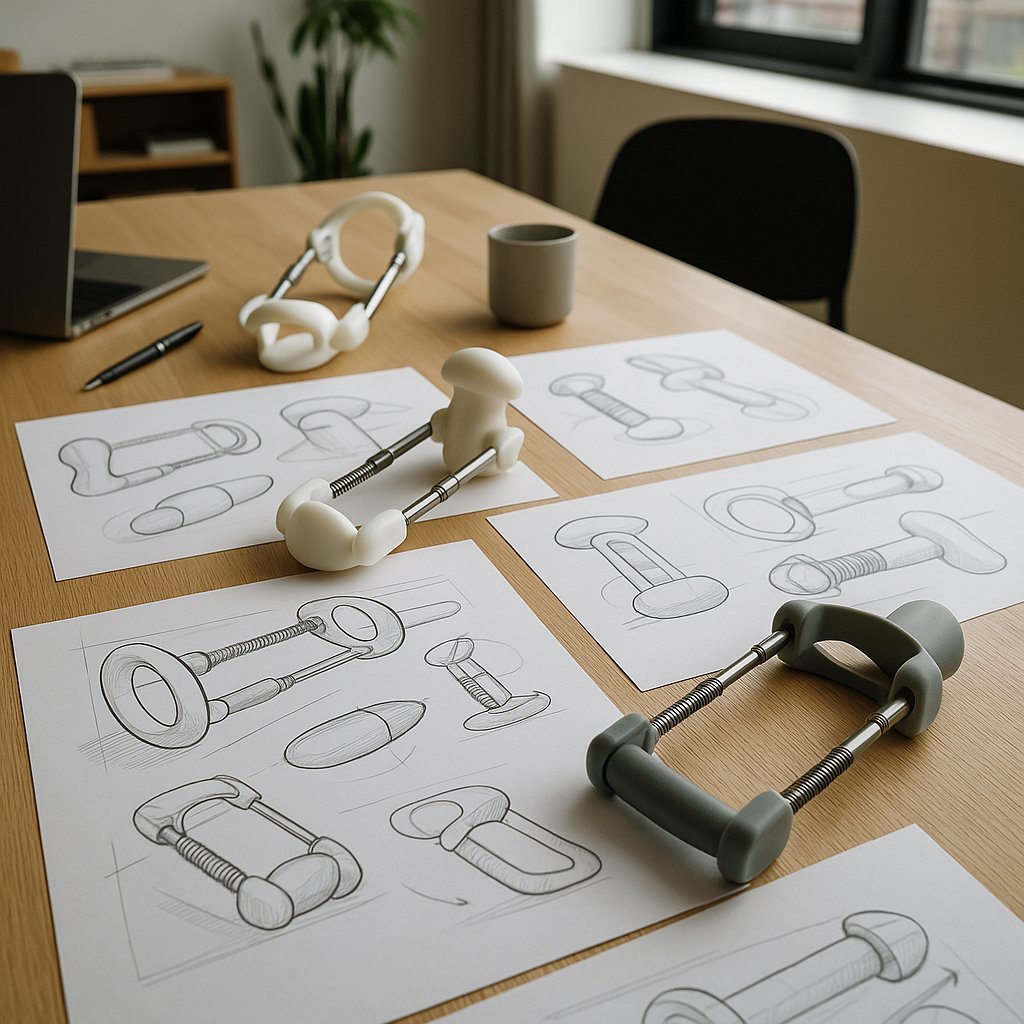
A clinically styled penis extender or penis stretcher, when used under medical advice, may offer modest length gains for specific conditions and some men with realistic expectations. If you choose to try a medical‑grade traction approach instead of or after jelqing, consider starting with a regulated design from the official store at this penis extender affiliate link, and always follow low‑tension, gradual protocols rather than extreme settings. - Address anxiety and comparison head‑on.
Many men who obsess over length are actually within the normal erect range. Counseling, sex therapy, or group education about mens sexual wellness can reduce shame and help you define goals beyond a ruler.
When you frame everything under “Does this protect or improve long‑term function and pleasure?” it becomes easier to downgrade risky experiments and prioritize methods with a better safety profile.
Conclusion: Treat Jelq as a Short‑Term Experiment, Not a Lifestyle
A risk‑aware approach to jelqing starts by recognizing where the evidence stops: permanent enlargement in healthy men is unproven, while potential harms are real. If you still choose to try jelq, treat it like a closely monitored, short‑term experiment with clear rules:
- Only consider it if you pass the pre‑check and don’t have high‑risk medical or psychological factors.
- Use conservative force, low erection levels, short sessions, and regular rest days.
- Honor every warning sign—pain, bruising, numbness, erection changes—as a signal to back off or stop completely.
- Keep your main focus on sustainable mens sexual wellness: better erections, smarter sex techniq, improved ejaculation control, and healthier confidence.
Your penis is not just tissue to stress for size; it is central to pleasure, intimacy, and self‑image. Any experiment, including jelq, should protect those priorities first. If it doesn’t, it’s not worth the risk.
FAQ
Q: Is jelqing actually safe if I follow all the tips correctly?
A: Even with careful technique, jelqing always carries some risk because you’re putting unusual stress on delicate tissue and blood vessels. A harm‑reduction approach can lower the odds of problems, but it can’t eliminate the chance of pain, bruising, numbness, or longer‑term changes in function.
Q: What’s the biggest early warning sign that I should stop jelqing immediately?
A: Sharp pain, sudden loss of erection, or a “popping” sensation are major red flags and should make you stop right away. New numbness, coldness, or a noticeable color change in the shaft are also reasons to stop and rest rather than trying to “push through.”
Q: How can I make jelqing less risky if I still want to try it?
A: Use a generous lubricant, stay at a low to moderate erection level, and apply only light pressure, especially in the first few weeks. Keep sessions short with rest days in between, and increase intensity gradually only if you have zero pain or lingering soreness.
Q: Can jelqing affect my erections or sensitivity over time?
A: Yes, jelqing can potentially change how blood flows and how nerves respond, which may affect erection quality and sensation. Some changes might be temporary, but repeated strain or overtraining increases the chance of longer‑lasting problems.
Q: What kind of rest or recovery should I plan between jelq sessions?
A: Treat jelqing more like a workout than a daily habit, especially at the start. Many beginners do best with short sessions 2–3 times a week, taking at least a full rest day between sessions and stopping entirely if any discomfort lingers into the next day.

Post Comment