How To Do Jelqing Safely: Essential Techniques and Best Practices
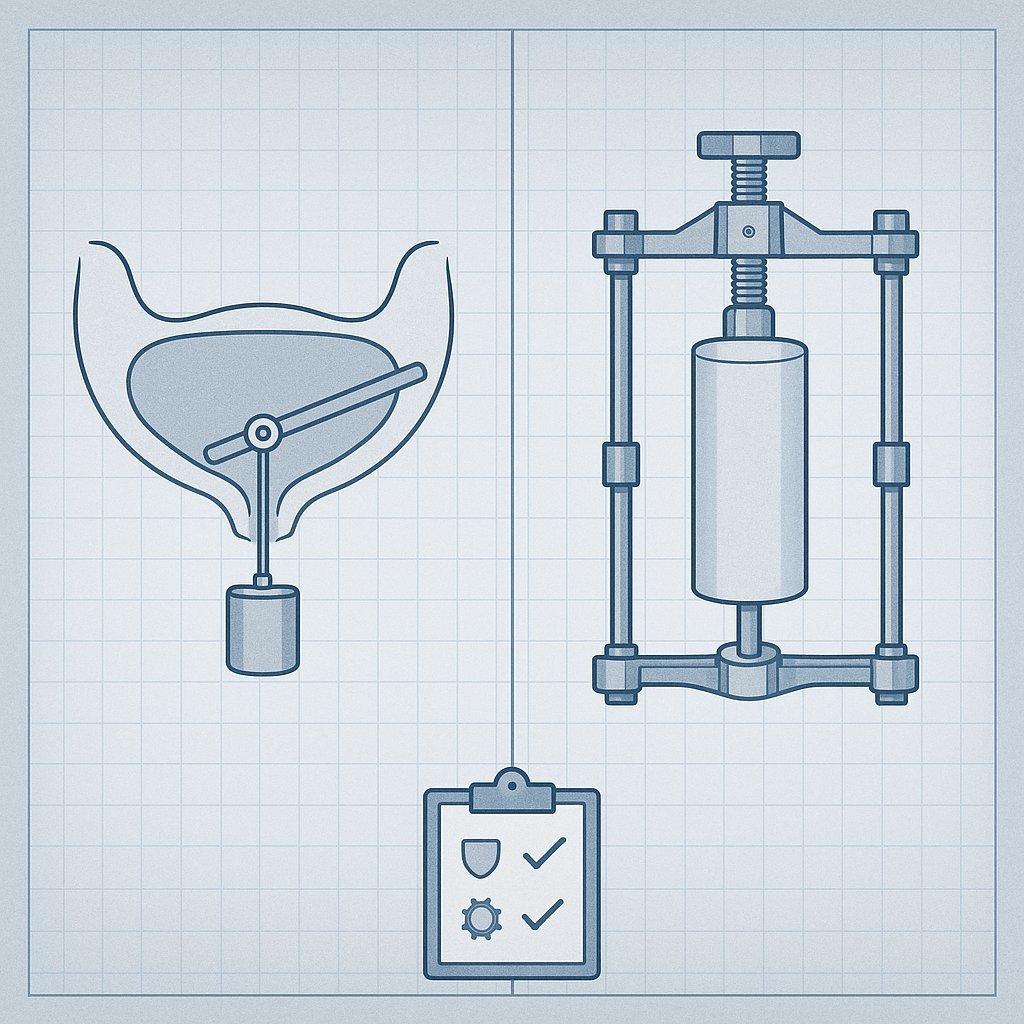
Table of Contents
- Overview: Jelqing, Safety, and Realistic Expectations
- Preparation: Penis Health, Warm‑Ups, and Baseline Checks
- Core Jelq Technique: Step‑by‑Step With Safety Limits
- Essential Safety Best Practices: When to Stop and How to Recover
- Smarter Alternatives: Pelvic Floor Training and Medical Traction
- Conclusion: Prioritize Function, Not Just Size
- FAQ
Overview: Jelqing, Safety, and Realistic Expectations
Expert Insight: According to my.clevelandclinic.org, men should first correctly identify their pelvic floor muscles—such as by tightening the muscles used to stop urine or gas, or feeling them contract around a finger in the rectum—before performing Kegels by squeezing these muscles for about five seconds, relaxing for five seconds, and repeating 10 times per session (https://my.clevelandclinic.org/health/treatments/22211-kegel-exercises-for-men). (my.clevelandclinic.org)

Jelqing is a manual penis exercise where you repeatedly stroke a semi‑erect penis from the base toward the glans while squeezing with your fingers. Men often try it hoping for a larger penis or harder erections. But jelqing is not medically proven, and aggressive technique can injure the delicate structures that support erections and ejaculation.
If you still choose to experiment, you need a clear safety framework. That means understanding basic penis anatomy, starting with low intensity, watching closely for early warning signs of damage, and knowing when to stop and switch to safer tools like a medical penis extender or pelvic floor exercises.

This guide focuses on safer technique, not hype. It connects jelqing to broader mens sexual wellness, including erectile function, orgasm quality, and penis health over time. It is not medical advice or a substitute for an evaluation by a qualified clinician. If you have pain, curvature, erectile dysfunction, or any penile disorder, speak with a healthcare professional before trying any enhancement or sex techniq.
Preparation: Penis Health, Warm‑Ups, and Baseline Checks
Before you try jelqing, treat your penis the way an athlete treats a joint before intense training. You want healthy tissue, good blood flow, and a baseline understanding of how your penis usually looks and feels.
- Check your current penis health. Both the Cleveland Clinic and Mayo Clinic emphasize paying attention to changes in color, shape, and sensation. If you already notice pain, lumps, hard plaques, sudden curvature, numbness, unusual ejaculation changes, or difficulty getting or keeping an erection, see a clinician before you experiment.
- Review your medications and conditions. Diabetes, cardiovascular disease, some blood thinners, and prior pelvic or penile surgery can raise your risk of injury or erectile dysfunction. Mayo Clinic notes that these factors are important in ED evaluation and treatment; the same logic applies when considering intense manual exercises.
- Warm up the tissue gently. Use a warm (not hot) washcloth around the penis and scrotum for 5 to 10 minutes. This can improve local blood flow and makes the tunica and skin more pliable. Avoid heating pads directly on the genitals to prevent burns.
- Aim for a semi‑erection, not full stiffness. Jelqing on a fully erect penis dramatically increases stress on blood vessels and the tunica albuginea. A target of about 40% to 60% erection is safer. If you become fully hard, pause until you soften.
- Use lubrication. Dry jelqing creates excessive friction and raises your risk of skin tears and bruising. Use a generous amount of water‑based or light oil‑based lube. If irritation appears, stop and switch products or give yourself time to heal.
Before you touch any enhancement exercise, make a habit of regularly inspecting your penis. As Cleveland Clinic notes in its penis health and penile disorder resources, early detection of changes is key to preventing long‑term damage.
Core Jelq Technique: Step‑by‑Step With Safety Limits
There is no medically standardized jelq routine, but you can follow conservative guidelines to reduce risk. The goal is to gently move blood along the shaft without crushing tissue.
- Get to a partial erection. Use light arousal (fantasy, visual stimulation, or gentle touch) until you are semi‑erect but still flexible. If you are closer to full erection, wait until rigidity drops.
- Apply plenty of lube. Coat the shaft and glans thoroughly. Re‑apply whenever you feel any drag on the skin. Never force a stroke through friction.
- Form a soft “OK” grip at the base. Using thumb and index finger, form a circle around the base of your penis. The grip should be firm enough that you feel pressure pushing blood forward, but not so tight that it hurts, flattens the shaft, or causes the skin to blanch or turn dark purple.
- Stroke slowly toward the glans. Slide the grip from the base toward the head in 2 to 3 seconds. Stop just before the glans; do not pinch or squeeze directly on the head. Each stroke should feel like a steady, controlled squeeze, not a snap or jerk.
- Alternate hands. As one hand reaches the upper shaft, place the other hand at the base and start the next stroke. Think of it as a slow, rhythmic conveyor of pressure, not a fast masturbatory motion.
- Stick to conservative volume. As a beginner, limit yourself to about 5 minutes per session, with 2 to 3 sessions per week. Many men rush to 10+ minutes daily and then notice pain, weak erections, or discoloration. Your penis adapts slowly; give it days, not hours, between stress sessions.
- Monitor during and after. During jelqing, pause immediately if you feel sharp pain, stinging, sudden loss of erection, or if new dark spots or marks appear. Afterward, inspect the shaft for swelling, uneven bulging, or persistent redness. Mild temporary fullness is common; anything more serious is a warning sign.
Never jelq through pain, numbness, or visible injury. As with Kegel exercises for the pelvic floor, correct form matters more than intensity. If you cannot maintain a light, controlled stroke, your risk of damaging erectile tissue increases.
Essential Safety Best Practices: When to Stop and How to Recover
Safe jelqing is less about chasing an aggressive routine and more about honoring firm boundaries. You only get one penis. Treat it like a non‑renewable resource.
- Know clear stop signals. Stop immediately and rest for at least several days if you notice any of the following:
- Sharp, burning, or tearing pain during or after jelqing.
- New curvature or a sudden change in how the penis bends.
- Dark bruises, “donut”‑like swelling behind the glans, or persistent discoloration.
- Loss of morning erections or weaker erections than usual.
- Numbness, tingling, or cold sensation in the shaft or glans.
- Changes in ejaculation, like pain when ejaculating or blood in semen.
- Give injury time to heal. According to penile disorder guidance from major clinics, injured erectile tissue needs time and reduced mechanical stress to recover. Do not resume jelqing until pain, swelling, and color normalize for at least one to two weeks. If symptoms persist, contact a healthcare provider or urologist.
- Avoid stacking risky practices. Do not combine jelqing with extreme vacuum pressures, tight cock rings, or numbing creams that hide pain. Numbness removes your main early‑warning system.
- Protect blood vessels and nerves. Erections depend on intact blood flow and nerve signaling. Over‑squeezing can damage veins, arteries, and tunica fibers. Treat any recurring pain or persistent erectile change as a serious signal, not a minor annoyance.
- Respect frequency. Even if you feel no pain, limit jelqing sessions and keep rest days. Think in terms of recovery windows similar to weight training. Doing more does not guarantee better mens sexual wellness outcomes; it mainly raises your risk.
If you develop erectile dysfunction or suspect a penile disorder, seek prompt care. Mayo Clinic’s erectile dysfunction and penis health resources emphasize early evaluation, lifestyle changes, and evidence‑based treatments; delaying care can make recovery harder.
Smarter Alternatives: Pelvic Floor Training and Medical Traction
If your real goal is better erections, control over ejaculation, or confidence during sex, you do not have to rely on jelqing alone. There are safer, clinically supported ways to support mens sexual wellness.
- Pelvic floor (Kegel) exercises for men. Cleveland Clinic and Mayo Clinic describe Kegels as a way to strengthen the pelvic floor muscles that help control urination, bowel movements, and sexual function.
- Finding the muscles: Try stopping the flow of urine mid‑stream once (for learning only), or imagine tightening the muscles that stop you from passing gas. You should feel a gentle lift inside the pelvis, not a squeeze of your abs, thighs, or buttocks.
- Basic routine: In a seated or lying position, gently squeeze the pelvic floor for about 5 seconds, then relax for 5 seconds. Aim for 10 repetitions, up to three times per day, building toward 10‑second squeezes with 10‑second rests. You should not feel pain; if you do, consult a provider.
- Benefits: Strong but flexible pelvic floor muscles can improve urinary control and may support stronger erections and more controlled ejaculation. Unlike jelqing, Kegels are widely accepted in mainstream medicine when appropriately prescribed.
- Medical‑grade penis extender or penis stretcher. If your focus is size or curvature, a traction device with clinical backing is a safer alternative than aggressive manual squeezing. These devices apply gentle, sustained stretch rather than intense, short‑burst pressure.
- How they work: Over months of consistent, low‑force traction, some studies show modest gains in length and improvements in curvature for certain conditions.
- Why they are safer: Quality extenders control the exact force and position, reducing the guesswork that makes jelqing risky. They are often discussed in urology‑based approaches to penile disorders and post‑surgical rehabilitation.
- Choosing a device: Look for products with clinical data, clear safety instructions, and physician familiarity. For a starting point, you can explore the official store at this medical‑grade penis extender and stretcher provider, and then discuss options with your healthcare professional.
- Comprehensive lifestyle support. Western medicine resources stress that overall cardiovascular health, blood sugar control, stress reduction, and sleep all influence erections and ejaculation. Smoking cessation, regular exercise, and managing conditions like hypertension and diabetes are as important as any sex techniq.
By combining pelvic floor training, evidence‑based traction when appropriate, and healthy lifestyle changes, many men find they no longer feel compelled to push jelqing intensity to unsafe levels.
Conclusion: Prioritize Function, Not Just Size
Jelqing will likely remain a popular curiosity, but it is not a medically validated path to a bigger or better penis. What is proven is that the penis can be injured by excessive pressure, poor technique, and ignoring warning signs.
If you decide to jelq, treat it as an experiment with tight safety limits: warm up, stay at a partial erection, use plenty of lube, keep pressure moderate, limit frequency, and stop at the first sign of pain, bruising, or erectile changes. Protecting your ability to get reliable erections, enjoy pleasurable sensation, and control ejaculation is far more important than chasing extreme gains.
At the same time, do not overlook safer, evidence‑based tools. Pelvic floor exercises, medical‑grade penis extenders, and comprehensive mens sexual wellness strategies built around overall health often deliver more reliable, sustainable improvements in real‑world sexual performance and confidence.
If you have any concerns about your penis, erections, or sexual health, speak with a qualified healthcare provider. Getting personalized guidance early is one of the smartest sex techniq decisions you can make for long‑term function and satisfaction.
FAQ
Q: What is jelqing and what is it supposed to do?
A: Jelqing is a manual stretching and “milking” technique applied to a semi‑erect penis in an attempt to increase length or girth. The idea is to move blood through the shaft and create micro‑stress in the tissues, but evidence for real, permanent gains is limited and the risk of injury is real if done aggressively or incorrectly.
Q: How do I prepare to jelq as safely as possible?
A: Warm up the penis with a warm cloth or shower for several minutes, then apply plenty of lubricant so the skin glides easily. Start only when you’re at a low to moderate erection level (about 40–60%), and make sure your hands are clean and your nails are trimmed to reduce friction and skin damage.
Q: What are key safety rules to follow while jelqing?
A: Use a gentle, steady grip instead of squeezing hard, and avoid jelqing at a full erection. Limit beginners’ sessions to around 5–10 minutes, stop immediately if you feel sharp pain, numbness, or see sudden discoloration, and allow rest days so tissues can recover rather than become chronically irritated.
Q: How can I tell if jelqing is damaging my penis?
A: Warning signs include persistent pain, tingling or numbness, coldness, abnormal curvature that wasn’t there before, or dark bruising that doesn’t fade. A temporary mild redness can happen from friction, but lasting color changes, weaker erections, or pain during sex are signs you should stop and not resume the routine.
Q: Are there safer alternatives to jelqing for penis health and size concerns?
A: Many men focus instead on pelvic floor exercises (like Kegels) to boost erection quality and control, along with lifestyle changes that improve circulation. For those seriously considering size change, medically supervised traction devices with evidence behind them are generally safer and more predictable than intense manual jelqing routines.

Post Comment