Jelq Safety Tips: Damage Limits, Recovery Windows, and When to Stop Completely
Table of Contents
- Overview: Why Jelq Safety Matters More Than Gains
- Damage Limits: How Hard Is “Too Hard” With Jelq?
- Recovery Windows: How Long to Rest After Strain or Mild Injury
- Red-Flag Symptoms: When to Stop Jelqing Completely
- Safer Alternatives, Smarter Tools, and Protecting Your Long-Term Sexual Wellness
- FAQ
Overview: Why Jelq Safety Matters More Than Gains
Expert Insight: According to WebMD, jelqing is a penis-enlargement technique involving repeated pulling and stretching to push blood toward the tip and stretch internal tissue and skin, but most men who worry their penis is too small actually fall within the average erect length of about 5 inches (13 cm) ([WebMD](https://www.webmd.com/men/jelqing)). (www.webmd.com)
Jelqing is promoted online as a way to enlarge the penis by repeatedly “milking” blood from the base toward the glans. In theory, the motion creates microtears that then heal bigger, like weight training. But the penis is not a biceps. It is mostly smooth muscle and vascular tissue, and there is no solid clinical evidence that jelq routines produce permanent size gains for the average man.
What we do know is that aggressive pulling and squeezing can injure the skin, blood vessels, and internal structures of the penis. Legitimate medical sources warn about side effects like bruising, pain, numbness, and possible scar tissue that can lead to Peyronie’s disease. These risks directly impact mens sexual wellness: erection quality, sensitivity, ejaculation control, and confidence during sex can all suffer if damage goes too far.

This article focuses on three harm-reduction questions men rarely get clear answers to: how hard is too hard (damage limits), how long to rest after strain (recovery windows), and when it’s time to stop jelqing completely instead of “pushing through.” It does not endorse jelq, but if you are experimenting anyway, you need practical safety boundaries.
Damage Limits: How Hard Is “Too Hard” With Jelq?
Most problems start because men treat jelq like a workout they need to “push” to feel results. With penile tissue, more pressure does not mean more gains; it just means more damage. You need clear limits for intensity, duration, and frequency.
1. Pressure limits: what safe effort actually feels like
- No pain, ever: Pain, sharp twinges, burning, or a sudden “zing” means you have already crossed the line. Jelq pressure should feel like a gentle squeeze, never like wringing out a towel.
- Skin color check: Temporary mild redness is common; deep purple, black-and-blue bruising, or blotchy dark spots signal too much force.
- Glans check: The head of your penis should swell moderately, not balloon rock-hard or feel cold or numb. A cold, pale, or intensely purple glans is a stop sign.
- Erection level: Most online routines target a semi-erection. If you are becoming fully hard, that increases internal pressure and injury risk. Repeatedly jelqing while fully erect is a high-risk behavior.
2. Time and volume limits
- Beginners: Limit yourself to a few minutes and a low number of strokes (for example, under 5 minutes and under 100 strokes in total). Long sessions of 15–20 minutes from day one are not safer just because you feel fine during them.
- Progression: If you choose to increase time, only do so after weeks of zero negative signs (no soreness lasting into the next day, no color changes, no drops in erection quality).
- Frequency: Daily jelq sessions, especially when combined with other enlargement methods, dramatically increase cumulative strain. Think in terms of total weekly stress, not just single sessions.
3. Combined-strain limits with devices
Some men jelq while also using a penis extender or penis stretcher, pumps, or rings. That stacks mechanical stress on tissue that is already recovering.
- Never layer high-intensity tools: If you are using a vacuum pump or tight constriction device the same day, skipping jelq entirely is safer than trying to “fit it in.”
- Extender users: Even medically supervised traction protocols cap daily hours and tension. Adding hard jelqing on top of long traction sessions can overwhelm your recovery capacity and increase the risk of long-term curve or pain.
Any visible bruising, sudden swelling, or change in erection angle or hardness after a session means you exceeded safe limits for your body and need to stop and reassess.
Recovery Windows: How Long to Rest After Strain or Mild Injury
Healthy tissue growth happens during rest, not during the jelq itself. If you ignore recovery windows, you turn small, reversible irritation into persistent damage that can affect erections and sex for months. Recovery needs change depending on what you feel and see.
1. After a routine that feels normal
- No pain, only mild temporary fullness: Give yourself at least one full day off between sessions, especially if you’re new or over 30.
- Morning erections check: Morning or spontaneous erections should remain as frequent and strong as before. Any noticeable decline is an early sign you are not recovering fully.
2. After soreness or minor redness
- Rest window: Take a minimum of 3–7 days completely off jelqing and off any intense manual stretching.
- Supportive care: Gentle washing, loose underwear, and avoiding friction (including masturbation) for at least a couple of days reduce irritation.
- Monitor changes: If the penis looks and feels normal (baseline color, no tenderness, normal erections) for several days in a row, you can consider that episode resolved.
3. After obvious bruising or visible burst capillaries
- Rest window: Plan for at least 2–4 weeks off all enlargement work, including devices, and treat this as a genuine soft-tissue injury.
- No “testing” strokes: Avoid the temptation to periodically “test” jelq during healing. Each test re-stresses fragile blood vessels and extends recovery.
- Watch for worsening signs: Spreading discoloration, increasing pain, or a new curve or dent when erect warrants prompt medical evaluation.
4. After numbness, cold sensations, or erection changes
- Stop completely immediately: Any drop in sensitivity, persistent tingling, or weaker or shorter-lasting erections is not a “normal phase” of growth. It signals possible nerve or vascular strain.
- Extended recovery window: Give yourself at least 4–8 weeks without jelq, aggressive masturbation, or any high-pressure device.
- Track your function: Pay attention to erection quality, time to reach erection, and ability to control ejaculation during masturbation or sex. If function does not steadily improve, see a urologist.
Respecting recovery windows protects more than just size experiments. It also safeguards the erections, sensitivity, and arousal patterns that make sex techniques enjoyable and sustainable over your lifetime.
Red-Flag Symptoms: When to Stop Jelqing Completely
Some warning signs mean you should not just pause jelq, but seriously reconsider if it belongs in your life at all. Ignoring these red flags risks permanent curvature, chronic pain, or long-term erectile dysfunction.
1. Structural changes in your erection
- New curve or bend: A curve that was not there before, especially if it appears suddenly or gets worse, can indicate developing scar tissue.
- Dents or “hinge” effect: If your shaft bends sharply at one spot or feels like it has a weak hinge during sex, that suggests localized tissue damage.
- Shortening over time: A noticeable loss of erect length compared with your past measurements can occur if scar tissue contracts inside the shaft.
These patterns overlap with Peyronie’s disease, which medical sources link to repeated microtrauma of the penis. Continuing jelq in this context is especially risky.
2. Persistent pain, numbness, or altered sensation
- Pain that lasts more than a few days: If your penis hurts at rest, during erections, or during masturbation or penetration for more than a week, stop jelq and see a professional.
- Coldness or color changes: A penis that consistently feels colder than usual, looks unusually pale or dark, or has patchy color changes may have compromised blood flow.
- Reduced pleasure: If strokes, oral sex, or penetration no longer feel as pleasurable or intense as before your jelq experiments, that is a sign of nerve or vascular strain—not progress.
3. Ongoing erection or ejaculation problems
- Weaker or inconsistent erections: If you struggle to get or keep an erection firm enough for sex, and this started after jelqing or device use, assume the two are related until a doctor rules out other causes.
- “Nervous” penis before sex: If your penis now loses firmness quickly when you change positions or put on a condom, you may have combined physical strain with performance anxiety.
- Changes in ejaculation: Sudden difficulty reaching ejaculation, loss of ejaculatory force, or discomfort during ejaculation after aggressive jelq sessions all signal the need to step back completely and give your system time to recover.
4. Mental and sexual wellbeing changes
- Obsessing over measurements: If jelq has turned into compulsive checking, anxiety, or constant comparison, it is harming your mental side of mens sexual wellness, not helping it.
- Avoiding intimacy: Skipping sex because you fear partners will notice a bruise, curve, or performance change is a clear sign that your routine is costing you more than it gives.
Any combination of physical damage and mental distress is a strong cue to stop jelqing and shift focus toward healing, counseling, or medically guided options instead of continuing a risky experiment alone.
Safer Alternatives, Smarter Tools, and Protecting Your Long-Term Sexual Wellness
If you decide jelq’s risk–reward profile is not worth it—or if you already hit your personal damage limits—there are other ways to care for and potentially improve your sexual health without crushing your penis every day.
1. Medically guided traction instead of freestyle pulling
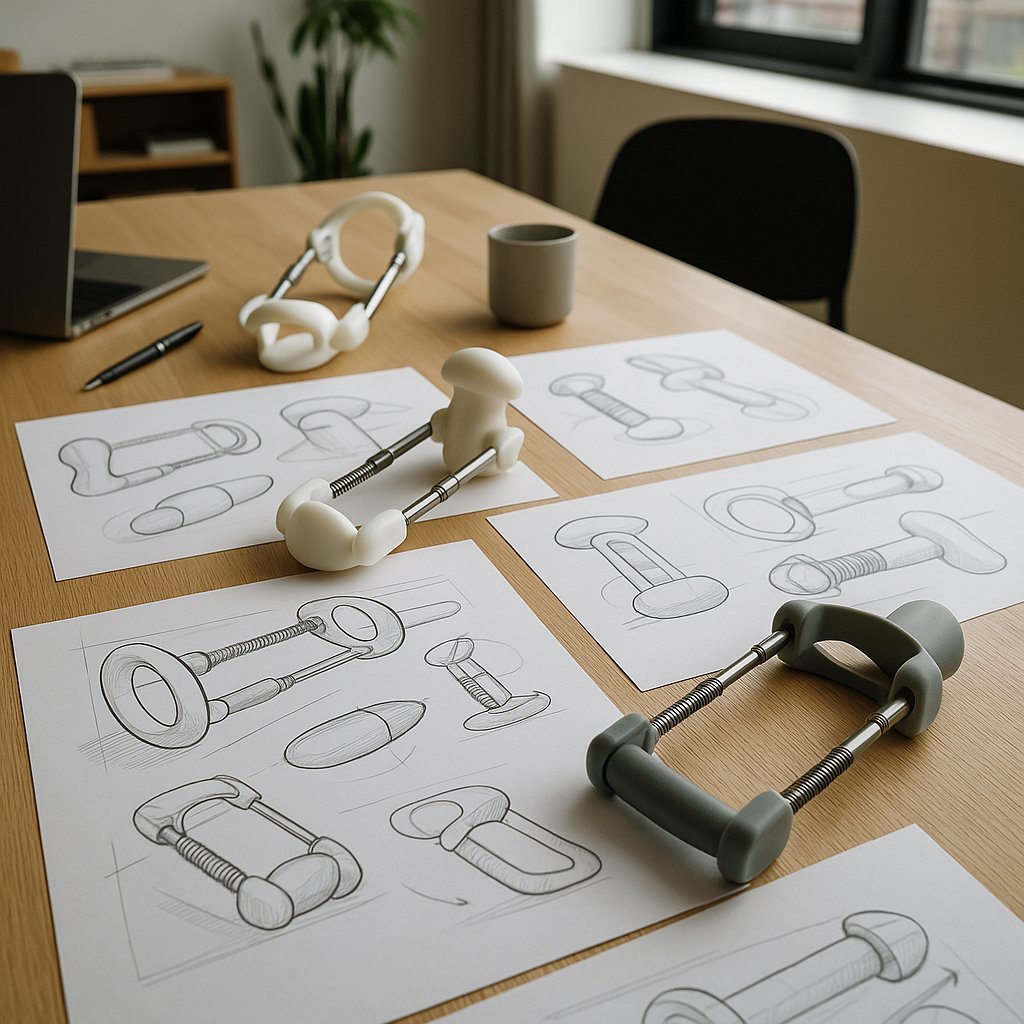
Some men who are determined to use mechanical methods choose a clinically tested penis extender rather than uncontrolled manual routines. A well-designed penis stretcher used under conservative tension and realistic daily-time limits offers clearer dosing than ad-hoc jelqing. If you explore this route, prioritize medically oriented brands, follow conservative schedules, and stop at any sign of pain or curvature change.
2. Focus on function, not just size
- Erection health: Habits like regular cardio exercise, sleep, limiting alcohol, and not smoking are consistently linked with better erection quality. These changes outperform most “enlargement hacks” when it comes to satisfying sex.
- Pelvic floor training: Learning to relax and contract your pelvic floor improves erection control and can help you delay ejaculation without punishing your shaft.
- Sex techniq upgrades: Varying thrust rhythm, angle, and depth, adding pauses or focus on slower penetration, and using more whole-body stimulation often boosts partner pleasure more than a marginal size change would.
3. Make smarter decisions about tools and offers
The market around mens sexual wellness is full of pills, creams, and injections that lack solid evidence and can carry real risks. Before investing in any product or device, check whether it has been studied in real clinical trials, whether safety data is public, and whether a urologist would consider it a reasonable option.
If you are determined to use traction instead of jelq, one option many men research is a professional-grade extender. To explore that category, you can review the official store here: learn more about a medically oriented penis extender option. Whatever you choose, use it conservatively and never on already irritated or injured tissue.
4. When to get medical help
- Immediately: Sudden strong pain, rapid swelling, or a dramatic loss of erection mid-session or mid-sex.
- Within days: New curve, dent, persistent bruising, or pain that does not fade after several days of rest.
- Soon: Ongoing erection or ejaculation changes, or anxiety and low mood tied directly to jelq or enlargement worries.
Talking honestly with a doctor about jelq, devices, porn expectations, or body image may feel awkward, but it is often the fastest route back to confidence, safe arousal, and enjoyable sex.
Conclusion
Jelqing sits in a gray zone: highly promoted online, yet lacking strong scientific support and clearly capable of causing harm when pushed too hard. Respecting damage limits, giving your penis real recovery windows, and being willing to stop completely when red flags appear are the minimum safety rules if you choose to experiment. For many men, focusing on overall sexual function, relationship communication, and evidence-based tools offers better long-term results than chasing size at any cost.
FAQ
Q: How can I tell if my jelq intensity is safe or too strong?
A: Safe jelqing usually causes a mild, temporary fullness or light fatigue without sharp pain, burning, or visible damage. If you see sudden discoloration, feel stinging, or your erection quality drops noticeably afterward, your intensity is likely too strong and you should ease off.
Q: How long should I rest after my penis feels strained from jelqing?
A: For mild strain, many people pause jelqing for several days to a week, only resuming once erections and sensitivity feel completely normal. If you still feel soreness or weakness after a week, extend your rest and lower intensity when you start again.
Q: What are clear warning signs that I should stop jelqing completely?
A: Stop immediately if you notice sudden loss of erection, severe pain, significant swelling, large dark bruises, or a curved/“kinked” erection that wasn’t there before. These are red flags for possible tissue or vascular injury and mean rest and evaluation are more important than continuing any routine.
Q: Can I jelq through mild soreness or should I always wait until I feel 100%?
A: Light, fleeting soreness that disappears within hours is usually a sign to reduce intensity or volume next time, not push harder. If soreness lingers into the next day, treat it as a signal to rest until you feel normal again before doing more jelqing.
Q: How can I reduce the risk of long-term damage from jelqing?
A: Use plenty of lubrication, warm up first, and start with low pressure and short sessions, increasing slowly over weeks. Track morning erections, sensitivity, and any visual changes; if these decline or new deformities appear, stop and prioritize recovery rather than forcing progress.


Post Comment