Men’s Sexual Wellness Basics: Erections, Ejaculation, and the Truth About Jelqing & Extenders
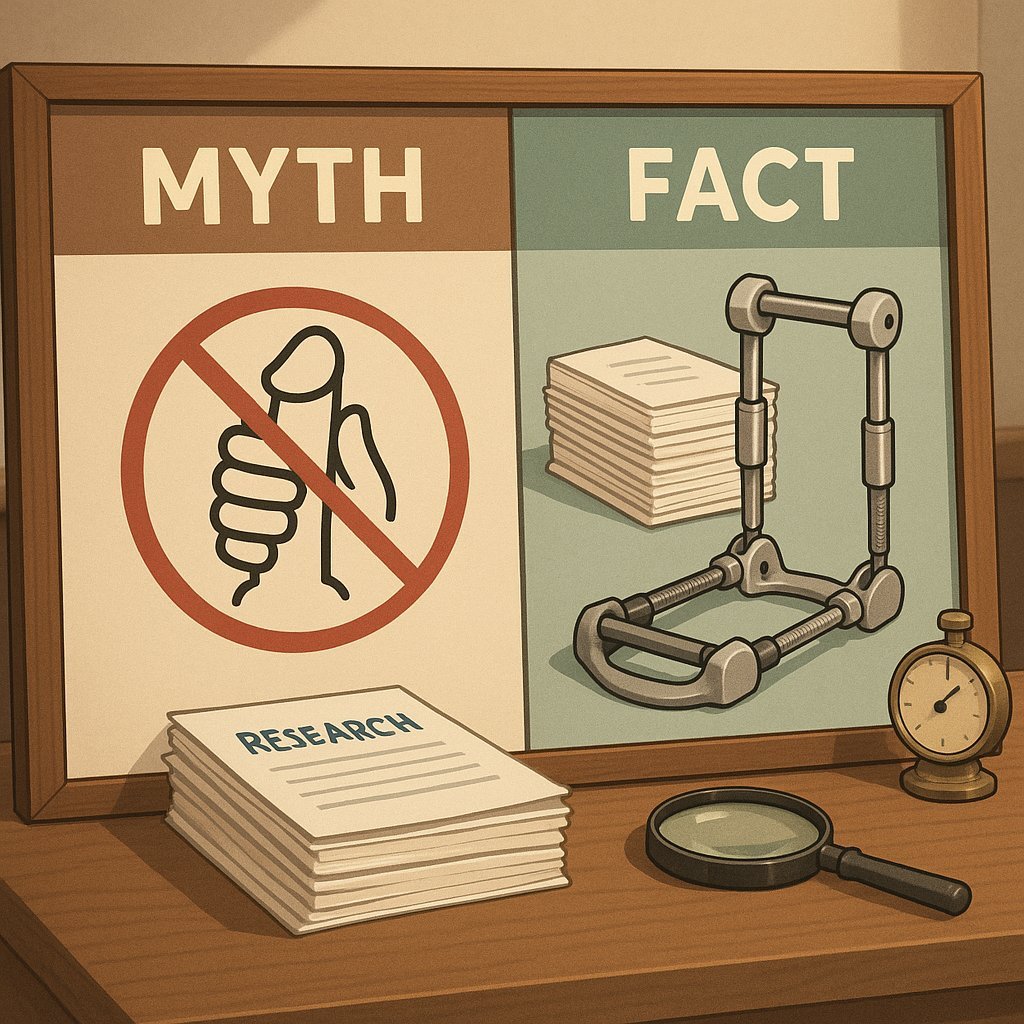
Table of Contents
- Overview: Why Clear Information on Men’s Sexual Wellness Matters
- How the Penis Actually Works: Structure and Erection Basics
- Ejaculation Mechanics: From Arousal to Orgasm (and Where Things Can Go Wrong)
- Jelq Training and Stretching Devices: What Science Actually Says
- Safer Priorities: Performance, Pleasure, and Evidence‑Based Support
- Conclusion: Build Knowledge Before You Chase Size
- FAQ
Overview: Why Clear Information on Men’s Sexual Wellness Matters
Expert Insight:
According to WebMD, jelqing is a stretching technique promoted online for penis enlargement, but most men who worry they have a “small” penis are actually around the average erect length of about 5 inches (13 cm) ([WebMD](https://www.webmd.com/men/jelqing)). (www.webmd.com)
Confusing marketing, social media hype, and unrealistic porn expectations make men’s sexual wellness harder to navigate than it needs to be. Many men worry about penis size, control over ejaculation, or whether their erections are “normal,” then turn to unproven techniques like jelq routines or aggressive penis stretcher use without understanding how the penis actually works.

This article gives a clear, evidence‑based starting point. You’ll learn what happens inside your body during an erection and ejaculation, how that connects to common concerns like premature ejaculation, and where enlargement ideas like jelqing, penis extenders, and surgery really fit into the picture. The goal is not to sell miracle fixes, but to help you make safer, more informed choices about your own sexual health.
How the Penis Actually Works: Structure and Erection Basics
To understand any technique claiming to affect size, firmness, or ejaculation, it helps to know the basic anatomy and erection process.
Your penis has three main columns of tissue:
- Two corpora cavernosa: sponge‑like cylinders on the top side of the penis that fill with blood during erection.
- One corpus spongiosum: a softer cylinder on the underside that surrounds the urethra and forms the glans (head).
- Skin, nerves, and blood vessels: provide sensation and blood flow, plus connective tissues that give structure.
An erection is a blood‑flow and nerve event, not a “muscle flex.” When you’re aroused, nerve signals tell arteries in the penis to widen. More blood flows into the corpora cavernosa, the tissue swells, and small veins that usually drain blood are compressed. That trapped blood makes the penis firm. When arousal drops or ejaculation occurs, the signals change, blood vessels tighten, and blood flows out, returning the penis to a soft (flaccid) state.
Two important kinds of muscles are involved near the penis, but not inside the erectile tissue itself:
- Smooth musclewithin blood vessel walls and erectile tissue, which relaxes to allow blood in.
- Pelvic floor musclesaround the base of the penis and urethra, which can influence erection angle, rigidity support, and ejaculation force.
Because the erectile tissue is not a biceps‑type muscle, it responds very differently to strain and stretching than gym muscles do. This is crucial when you evaluate claims about jelq exercises or any penis stretcher promising growth through “micro‑tears” and hypertrophy.
Ejaculation Mechanics: From Arousal to Orgasm (and Where Things Can Go Wrong)
Ejaculation is a coordinated sequence of events involving the brain, spinal cord, nerves, and pelvic organs. It usually has two main phases:
- Emission: Sperm from the testicles mix with fluids from the prostate and seminal vesicles to form semen. This mix moves into the urethra at the base of the penis. Many men experience this as the “point of no return.”
- Expulsion: Rhythmic contractions of pelvic floor and surrounding muscles push semen out through the urethra. This is usually what you notice as the climax of orgasm.
In most men, a ring of muscle (the internal urethral sphincter) at the opening of the bladder tightens just before ejaculation. This prevents semen from flowing backward into the bladder. When this valve does not close properly, semen may travel retrograde (backward) instead of forward, leading to retrograde ejaculation. In that case, orgasm may feel normal but little or no semen comes out; instead, it appears later in the urine.
Painful, very rapid, or absent ejaculation can have many causes, including nerve issues, prostate or urethral problems, side effects of medications, or psychological factors such as anxiety. Premature ejaculation is typically defined as ejaculation that happens sooner than desired, often within about a minute of penetration, and is distressing to the man and/or his partner. Treatment options can include:
- Behavioral exercises and sex techniq designed to delay climax.
- Targeted pelvic floor training focused on relaxation and timing.
- Therapy or counseling when anxiety, relationship stress, or performance worries are major triggers.
- Medications under medical guidance.
Understanding this process makes it easier to see why some simple changes in arousal pacing, thrusting style, and pelvic floor control can improve both ejaculation control and overall men’s sexual wellness, often more effectively than chasing size changes.
Jelq Training and Stretching Devices: What Science Actually Says
Jelq routines and mechanical stretching devices are widely promoted as ways to increase penis size. It is important to separate unproven claims from evidence‑backed information.
Jelq (jelqing)
is a manual technique where you partially erect the penis, apply lubricant, and repeatedly slide an “OK” grip from the base toward the head with pressure. The idea is to push blood forward and create small injuries in the tissue that will supposedly heal bigger and stronger, similar to weight training.
Current medical evidence does notshow that jelqing reliably or permanently increases penis length or girth in otherwise healthy men. Reported risks include:
- Pain, soreness, and skin irritation.
- Bruising or broken blood vessels.
- Scar tissue or plaque formation that can cause curvature (similar to Peyronie’s disease), reduced flexibility, or painful erections.
Some gentle traction‑type exercises may be used under medical supervision in conditions like Peyronie’s disease, where controlled stretching can sometimes help reduce curvature. But that is different from self‑directed jelq routines promoted online for cosmetic enlargement.
Penis extender and penis stretcher devices
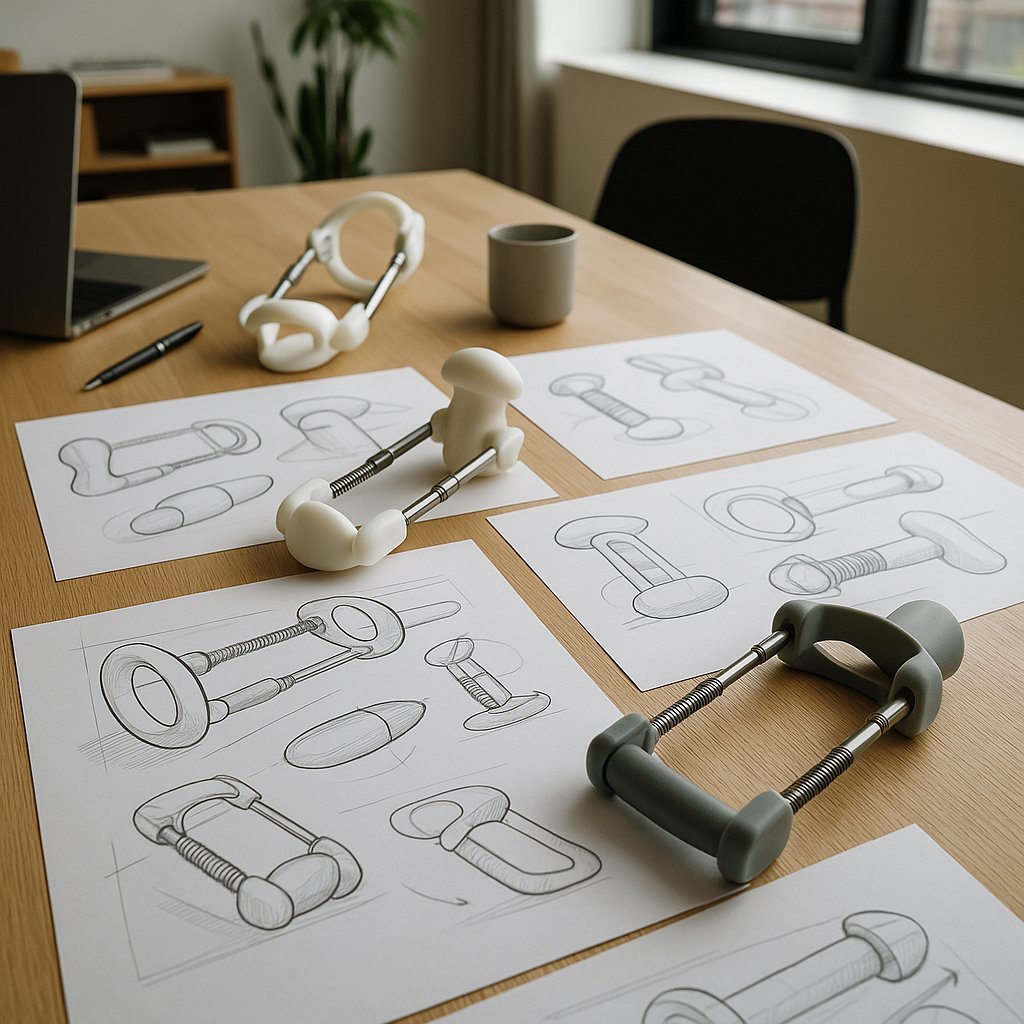
apply steady traction across the penis for several hours a day. Research suggests that, when used consistently and correctly for months, medical‑grade traction devices may increase flaccid length by a modest amount (often less than 2 centimeters), with less effect on erect size. They require time, patience, and careful attention to tension levels to reduce the risk of numbness, skin damage, or circulation problems.
Other methods marketed for enlargement, such as pills, topical creams, injections, vacuum pumps, or surgery, have their own limits and risks. Most over‑the‑counter pills and creams have no solid evidence for increasing size and may cause side effects. Injections and surgery can change girth or apparent length but carry complication risks like infection, scarring, or altered sensation. For most men whose penis length is in the average range, major urological associations do not recommend invasive enlargement procedures.
A realistic takeaway: jelq exercises and stretching devices will not transform your anatomy overnight, and they carry potential downsides. Any experimentation should be cautious, slow, and secondary to protecting long‑term erectile function and sensation.
Safer Priorities: Performance, Pleasure, and Evidence‑Based Support
When men talk about wanting a bigger penis, they are often really chasing confidence, better performance, or more satisfying sex rather than raw size alone. That is why many experts suggest focusing first on broader men’s sexual wellness rather than on aggressive enlargement experiments.
Key, lower‑risk strategies include:
- Improving erection qualitythrough lifestyle: better sleep, regular movement or exercise, tobacco reduction or cessation, and management of blood pressure, cholesterol, and blood sugar.
- Learning practical sex techniqthat extend arousal, vary stimulation, and help control ejaculation, including slower thrust patterns and better communication with a partner.
- Targeted pelvic floor workthat emphasizes both strength and relaxation, rather than random “Kegels all day,” which can sometimes worsen tension.
- Psychological supportfor anxiety about size, performance, or past experiences, which can significantly affect erections and ejaculation.
If you still decide to explore a penis extender or structured traction approach after understanding the limits and risks, choose medically oriented products and follow conservative use guidelines. For men ready to research professional‑grade traction options, you can review the official store at this penis extender and traction device providerbefore making any purchase decisions.
Above all, stay skeptical of any product or routine that promises dramatic size gains in weeks. Long‑term sensation, reliable erections, and the ability to enjoy sex without pain or fear of injury are usually worth far more than a small change on a measuring tape.
Conclusion: Build Knowledge Before You Chase Size
Men’s sexual wellness is about far more than length or girth. Understanding how erections and ejaculation actually work helps you evaluate claims about jelq methods, penis stretcher devices, or any other enlargement promise with a clear head.
Evidence so far shows that most non‑surgical enlargement methods have limited benefits and real risks, especially when used aggressively or without guidance. By prioritizing overall health, realistic expectations, and skill‑based improvements in arousal and ejaculation control, you often gain more satisfying, sustainable results than by focusing narrowly on size.
If you choose to experiment with any device or technique, move slowly, monitor your body carefully, and be willing to stop if you notice pain, curvature, numbness, or changes in erection quality. Informed, cautious decisions are the foundation of long‑term sexual health.
FAQ
Q:
How does a penis actually become erect?
A:During arousal, blood vessels in the penis widen and allow more blood to flow into two sponge-like chambers called the corpora cavernosa. At the same time, veins that normally drain blood away narrow, trapping blood inside and making the penis firm and enlarged.
Q:
What happens inside the body during ejaculation?
A:Ejaculation has two phases: emission and expulsion. First, semen is gathered in the urethra from the prostate and seminal vesicles; then rhythmic muscle contractions around the base of the penis and pelvic floor force semen out through the urethral opening.
Q:
Can jelqing exercises really enlarge the penis?
A:Jelqing is promoted online as a way to stretch penile tissues using repeated hand strokes, but there is no solid scientific evidence that it produces lasting gains in length or girth. It can also cause soreness, bruising, or curvature if done aggressively, so it’s not generally recommended as a reliable enlargement method.
Q:
Do penis extenders work, and how do they fit into sexual wellness?
A:Some medical-grade traction devices have shown modest increases in length over months of consistent, careful use. However, they require commitment, patience, and realistic expectations, and are better viewed as one option within broader sexual wellness that also includes communication, arousal, and confidence.
Q:
Is penis size the main factor in satisfying sex?
A:Research and partner surveys consistently show that communication, emotional connection, technique, and mutual comfort matter far more than size. Focusing only on measurements can increase anxiety, whereas understanding how erections, arousal, and pleasure actually work tends to improve sexual experiences for both partners.
Related Reading
- Hosts & Guests: How Your Body, Mind, and Partners Shape Men’s Sexual Wellness
- Men’s Sexual Wellness with Dean Pohlman: Strength, Technique, and Realistic Growth Paths
- Men’s Sexual Wellness Category Guide: Safe Paths, Tools, and Techniques That Actually Matter
- Get Help: How to Choose Safe, Realistic Support for Men’s Sexual Wellness
- Thriving in the Bedroom: Men’s Sexual Wellness 101
- Frequently Asked Questions on Sexual Wellness Therapy for Men
- The Ways Sexual Wellness Improves Quality of Life for Men
- The Reasons Why Men’s Sexual Wellness Needs More Care
- Sexual Well‑Being: What It Really Means (Beyond Just “Good Sex”)
- Introduction to Jelqing, Extenders, and Men’s Sexual Wellness: What Actually Matters First
- Contact DickCanGrow: Questions About Jelq Techniques, Penis Extenders, and Men’s Sexual Wellness
- Open Conversations About Men’s Sexual Health and Wellness: How to Talk, What to Ask, and Where Growth Really Starts
- Men’s Sexual Wellness Over 40: Smarter Ways to Combine Jelq, Extenders, and Technique Tweaks for Stronger Erections
- Dry vs Wet Orgasms Explained: Techniques, Risks, and When Ejaculatory Control Becomes Unhealthy



Post Comment