Jelq Safety Tips: Protecting Your Penis While You Experiment
Table of Contents
- Overview: What Jelqing Really Does to Your Penis
- Pre‑Jelq Safety Setup: Health, Arousal Level, and Lubrication
- Safe Technique Boundaries: Force, Duration, and Frequency
- Early Damage Signs: When to Stop, Rest, or See a Doctor
- Safer Alternatives and Smarter Long‑Term Strategy
- FAQ
Overview: What Jelqing Really Does to Your Penis
Expert Insight: According to Mayo Clinic, penis health is an important part of overall well-being, and problems such as erectile dysfunction, ejaculation issues, and anorgasmia can signal other health conditions and negatively affect stress levels, relationships, and self-confidence (https://www.mayoclinic.org/healthy-lifestyle/mens-health/in-depth/penis-health/art-20046175). (www.mayoclinic.org)
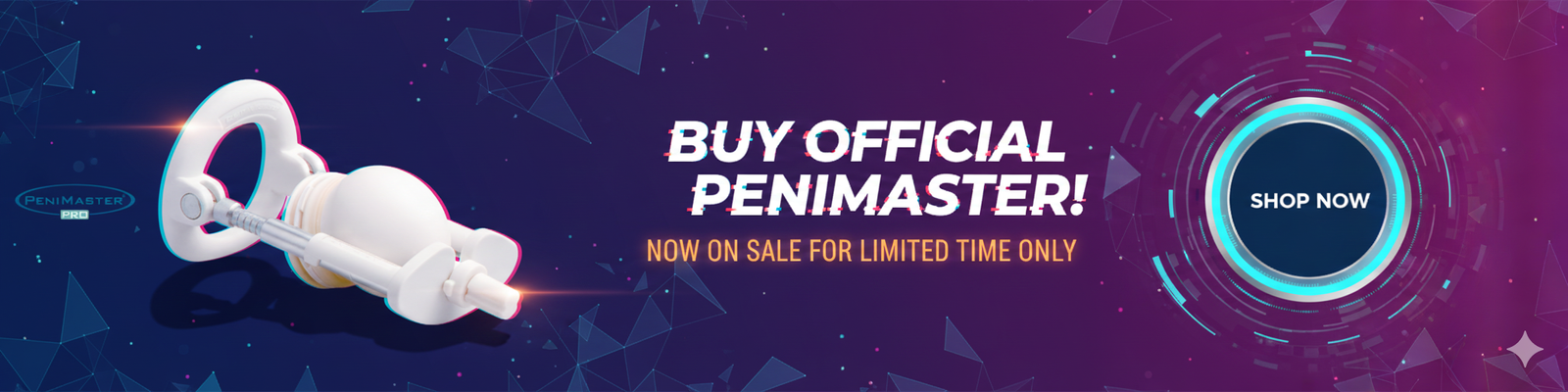
Jelqing is a manual technique where you repeatedly “milk” a semi‑erect penis from the base toward the glans, hoping to stimulate growth. Online forums often frame it as a harmless shortcut to extra length and girth. In reality, you are placing repeated mechanical stress on blood vessels, nerves, and the tunica (the tough sleeve around the erection chambers). That stress can add up.
Major clinics that focus on penis health and men’s sexual wellness warn that there is no high‑quality evidence jelq produces permanent enlargement, but there is clear evidence that the penis can be damaged by excessive force, poor technique, or ignoring early warning signs. Possible issues include bruising, loss of sensitivity, erectile dysfunction, curvature changes, or painful erections.

Protecting your penis while you experiment is less about finding a “perfect” jelq routine and more about setting hard safety boundaries, listening to your body, and knowing when to stop completely. The goal is simple: if you choose to experiment, do it in a way that keeps erections, ejaculation, and long‑term sexual function as your top priority.
Pre‑Jelq Safety Setup: Health, Arousal Level, and Lubrication
Before you even think about pressure or reps, you need a basic safety setup. Skipping these steps makes any jelq routine riskier than it needs to be.
1. Screen yourself for red‑flag conditions
Consider avoiding jelq altogether and speaking with a clinician first if you have:
- A history of erectile dysfunction, especially if linked to heart disease, diabetes, high blood pressure, or high cholesterol.
- Known Peyronie’s disease (significant bend or hard plaques), or a suddenly bent or painful erection.
- Recurring penile pain, unexplained curvature, or a prior penile fracture.
- Unhealed injuries, recent surgery, or active infections (redness, rash, sores, discharge, burning with urination).
- Bleeding disorders or you take blood thinners.
If any of these are present, forcing extra mechanical stress on the penis can worsen damage or mask a more serious underlying problem.
2. Choose the right erection level
Jelqing at a full, rigid erection dramatically increases injury risk. A safer target is:
- 30–60% erect: some firmness but still bendable; glans should not feel tight or overinflated.
- If your penis hardens to 80–100% during the set, pause and let it soften before continuing.
- If you struggle to control arousal, shorten sessions or skip jelq on days when you feel overly stimulated or stressed.
3. Use plenty of lubrication
Dry jelqing creates extra friction on the skin and underlying tissue. To reduce shearing forces:
- Use a generous amount of water‑based or light silicone‑based lube.
- Reapply any time your grip begins to drag instead of glide.
- Avoid numbing lubes; they can hide pain that should make you stop.
Good preparation will not make jelq risk‑free, but it meaningfully lowers the chances of sudden skin tears, excessive bruising, or nerve irritation from the very first session.
Safe Technique Boundaries: Force, Duration, and Frequency
The most important jelq safety tips are not exotic tricks; they are simple limits on pressure, time, and weekly volume. Treat these as non‑negotiable if you decide to experiment.
1. Pressure: how hard is too hard?
Your grip should move blood forward, not crush tissue. Use this simple test:
- During the stroke, you should feel mild internal pressure, not sharp pain, burning, or a stretching sensation deep inside the shaft.
- The glans may swell slightly; it should not become rock‑hard, dark purple, or painful.
- After releasing the stroke, normal color should return within seconds. If the tip looks dusky, cold, or numb, pressure is too high.
Think “firm handshake,” not “clamp.” Increasing intensity to chase faster gains usually only increases injury risk.
2. Session duration: keep it short, especially at first
One of the easiest ways to protect your penis is to cap total jelq time:
- Beginners: 5–10 minutes max per session, including a few warm‑up strokes.
- Intermediates: only increase by 2–3 minutes at a time if you remain symptom‑free for several weeks.
- Avoid marathon sessions. Long sessions multiply micro‑trauma even if individual strokes feel mild.
Penis tissue needs recovery time just like any other tissue under mechanical stress.
3. Weekly frequency: build in true rest days
Even “light” jelq adds up over the week. To reduce cumulative strain:
- Start with 2–3 sessions per week on non‑consecutive days.
- Never jelq twice in the same day, even if a morning session felt “too easy.”
- If you notice lingering soreness, skip the next planned session and reassess before restarting.
4. Movement pattern: avoid twisting or bending
Keep strokes straight and controlled:
- Move in one direction along the shaft, from base toward the glans.
- Avoid side‑to‑side bending, aggressive downward pressure, or twisting the shaft during strokes.
- Do not jelq over obvious plaques, knots, or painful spots; that may worsen curvature.
Consistent respect for these boundaries is what protects erections and sensitivity in the long term, even more than the specific jelq routine you follow.
Early Damage Signs: When to Stop, Rest, or See a Doctor
Men often push through warning signs because they are chasing size goals or believe discomfort is “part of growth.” Ignoring symptoms is one of the fastest ways to turn a mild strain into a long‑term sexual health problem.
1. Normal post‑session sensations
A few effects can be acceptable as long as they are mild and short‑lived:
- Light, even redness of the shaft that fades within a few hours.
- Mild, diffuse soreness that resolves within 24 hours.
- Temporary increase in warmth or fullness without pain.
If these changes linger longer than a day, treat it as a sign you did too much and need more rest and lower intensity.
2. Stop jelqing immediately if you notice:
- Sharp, tearing, or burning pain during a stroke.
- Sudden loss of erection accompanied by a popping sound or intense pain.
- Rapid swelling with significant discoloration (dark purple or black bruising).
- Sudden decrease in sensation, numb patches, or tingling that does not resolve quickly.
- Any new, pronounced bend in the shaft during erection.
These are not “growing pains.” They are clear danger signs that continuing could risk permanent damage.
3. When you need urgent medical care
Skip home fixes and seek immediate care (emergency department or urgent urology evaluation) if you experience:
- A loud pop, immediate severe pain, and fast swelling with loss of erection (possible penile fracture).
- A painful erection that lasts several hours after activity and does not go down (possible priapism).
- Severe pain after trauma to your penis, with or without visible deformity.
Prompt treatment is critical to preserve long‑term erectile function.
4. When to book a non‑urgent medical visit
Schedule an appointment with a healthcare professional if you notice:
- New or worsening curvature over weeks or months.
- Difficulty getting or keeping erections after starting jelq.
- Ongoing penile pain, especially with erections or ejaculation.
- Warts, ulcers, rash, or discharge from the penis.
Some problems, like Peyronie’s disease or infections, become more difficult to treat the longer you wait. Honest discussion about jelq use helps your clinician understand what might be contributing to the issue and how to protect your men’s sexual wellness going forward.
Safer Alternatives and Smarter Long‑Term Strategy
If your main goal is better sexual performance, confidence, and pleasure, jelq is only one option—and often not the best one. A broader strategy for men’s sexual wellness can protect your penis while still moving you toward your goals.
1. Consider structured devices over improvised pressure
Medical‑style traction devices are designed to deliver controlled, low‑level tension over longer periods, not intense squeezing. A high‑quality penis extender or penis stretcher may be a safer mechanical option than aggressive manual jelq, especially if you follow manufacturer instructions carefully and keep tension low and comfortable.
If you go this route, use a reputable device, avoid overnight wear, and monitor for numbness, excessive redness, or pain. You can explore a clinically oriented option through the official store at this penis extender link, and always prioritize gradual, conservative use over rapid tension increases.
2. Train arousal and control with sex techniques instead of force
Many men start jelqing because they want better erections, longer penetration time, or stronger ejaculation. These goals often respond better to technique practice than to mechanical stress:
- Use evidence‑based sex techniq like the stop–start method or edging to improve arousal control.
- Coordinate pelvic floor exercises with breathing to delay ejaculation and enhance orgasm quality.
- Experiment with positions and thrust patterns that reduce overstimulation while keeping pleasure high.
These approaches build skill, not scar tissue, and directly support erection quality and sexual confidence.
3. Protect erection health with whole‑body habits
Erectile function is closely tied to vascular, hormonal, and psychological health. To protect your penis while you experiment—or instead of experimenting—focus on:
- Managing cardiovascular risks: blood pressure, cholesterol, blood sugar, and weight all affect blood flow to the penis.
- Limiting smoking and heavy alcohol use, both of which are linked to erectile dysfunction.
- Getting enough sleep and managing stress, anxiety, and depression with professional help when needed.
These habits don’t deliver the instant gratification that jelq promises, but they are strongly linked to better erections, more consistent ejaculation control, and more satisfying sex over years, not weeks.
4. Use condoms and practice safer sex
Even if you are focused on enlargement or performance, infection prevention remains essential. Sexually transmitted infections can cause pain, discharge, burning with urination, and long‑term complications that directly impact penile health and sexual function. Using condoms, limiting high‑risk encounters, and getting regular testing with partners are simple steps that protect your investment in men’s sexual wellness—whether you jelq or not.
Jelqing will always carry some risk. The safest path is to keep your goals realistic, use the lowest effective intensity, stop at the first sign of trouble, and be willing to pivot to lower‑risk tools and techniques if your body signals that manual enlargement is too much. Your penis is not just a project; it is a vital part of your health, relationships, and identity, and it deserves long‑term protection.
FAQ
Q: How do I know if I’m jelqing too hard?
A: Pain, sharp stinging, dark red or purple spots (burst capillaries), or sudden loss of firmness are signs you’re using too much pressure. Jelqing should feel like a firm massage, not like squeezing or bending your erection; if you have to grit your teeth or hold your breath, it’s too hard.
Q: What’s the safest way to warm up before jelqing?
A: Use a warm (not hot) washcloth, heating pad on low, or a warm shower for 5–10 minutes to increase blood flow and tissue flexibility. The goal is comfortably warm skin and a slightly fuller hang, not redness or burning.
Q: How often can I jelq without overdoing it?
A: Most harm‑reduction routines suggest starting with 2–3 short sessions per week and at least one full rest day between them. If you notice weaker erections, soreness that lasts into the next day, or a drop in libido, cut back or pause altogether.
Q: When should I stop a jelq session immediately?
A: Stop right away if you feel sharp pain, sudden numbness, coldness, or see significant swelling or discoloration that appears quickly. Also end the session if your erection suddenly drops or you feel a ‘twinge’ deep in the shaft that doesn’t fade within seconds.
Q: What are safer alternatives if I want penis enlargement without jelqing?
A: You can focus on improving erection quality with cardio, pelvic floor training (Kegels), better sleep, and managing stress, which can all make your natural size look and feel fuller. Some men also consider professionally guided traction devices or vacuum therapy, but these should be used with clear instructions and a gradual, conservative approach.

Post Comment