Jelq Safety Tips: A Risk‑Aware Checklist for Curious Beginners
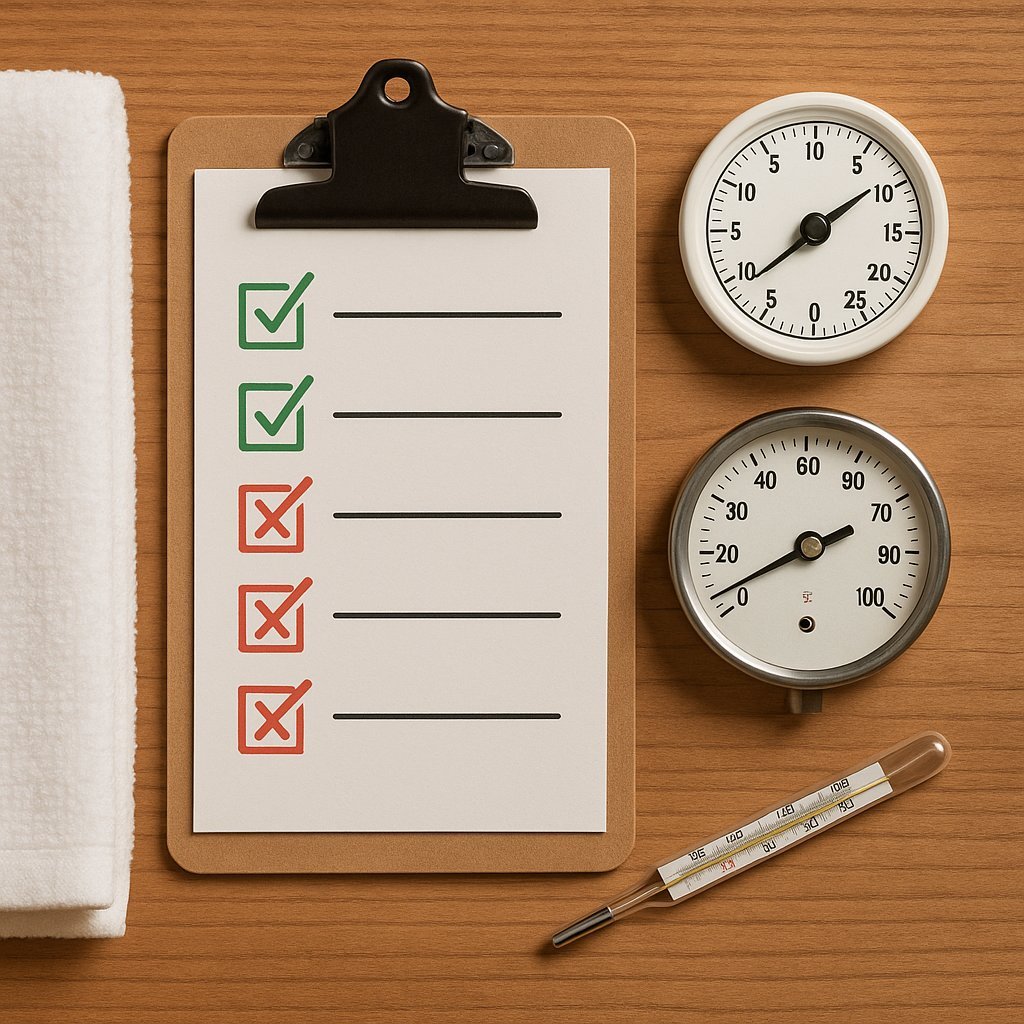
Table of Contents
- Overview: Why Jelq Safety Matters More Than Hype
- Pre‑Jelq Checklist: Are You a Good Candidate to Experiment?
- Risk‑Aware Jelq Setup: Limits, Technique Boundaries, and Hygiene
- Live Risk Checks: What to Watch During and After Each Session
- Smarter Alternatives: When to Stop Jelq and Shift to Safer Tools
- Conclusion: A Simple Rule for Curious Beginners
- FAQ
Overview: Why Jelq Safety Matters More Than Hype
Expert Insight: According to my.clevelandclinic.org, common penile conditions range from erectile dysfunction and skin disorders (such as herpes, syphilis, psoriasis, or eczema) to emergencies like paraphimosis, as well as penile cancer and penile fracture, all of which can affect urination, sexual function, and fertility (https://my.clevelandclinic.org/health/body/penis). (my.clevelandclinic.org)

Jelq is often marketed as a simple way to enlarge your penis using repeated, semi‑firm strokes along the shaft. But your penis is a complex organ with delicate blood vessels, nerves, and erectile tissue. Urology resources from organizations like Cleveland Clinic and Mayo Clinic make it clear: trauma, extreme bending, and ongoing irritation can lead to pain, erectile dysfunction, curvature, or long‑term sensitivity loss.
This checklist is not here to promote jelq. It is here to help you make a risk‑aware decision about whether to experiment at all, and if you do, how to keep penis health and mens sexual wellness at the center of every choice. You will learn how to screen yourself before you start, how to limit damage while testing, what warning signs to watch for, and when to walk away and choose safer options like a penis extender or penis stretcher instead.

Pre‑Jelq Checklist: Are You a Good Candidate to Experiment?
Before you even think about jelq, you need a clear picture of your baseline penis health. Clinical guidance emphasizes being familiar with how your penis normally looks and feels, so you can notice early signs of trouble. Use this pre‑jelq checklist:
- Baseline self‑exam. In good lighting, visually inspect your penis from tip to base. Look for blisters, ulcers, rashes, bruising, discoloration, or any discharge from the meatus (the opening at the tip). Gently feel along the shaft and head for firm, tender, or lumpy areas.
- Check your curvature. An existing curve in erection may reflect a normal variation, or conditions like Peyronie’s disease (plaque or scar tissue that can cause pain and bending). If you already have painful erections or a new bend, jelq can increase injury risk.
- Screen for pain or urinary changes. Do you have burning when you pee, blood in urine or semen, or pain during erection, sex, or orgasm? These can be signs of infection, trauma, or other medical issues that should be evaluated before any manual enhancement.
- Review your erection quality. If you struggle to get or maintain an erection, or you have a history of erectile dysfunction, aggressive squeezing or bending can worsen the problem.
- Check for recent trauma or STIs. A recent sports injury, vigorous sex or masturbation injury, or a sexually transmitted infection can all make tissues more vulnerable to damage from jelq.
- Consider your fertility goals. Sperm health can be affected by testicular trauma, heat, STIs, medications, and lifestyle. While jelq focuses on the shaft, any added trauma to the genital area is a bad idea if fertility is a priority or already a concern.
If any of the above are present, pause. Reach out to a primary care physician or urologist before experimenting. This is a core mens sexual wellness move: rule out underlying conditions before adding stress to your penis.
Risk‑Aware Jelq Setup: Limits, Technique Boundaries, and Hygiene
If you still choose to experiment, treat the first few weeks as a cautious test phase, not a growth program. The goal is to see how your tissues respond while keeping risk as low as possible.
- Stay just below full erection. Jelq should never be done on a fully hard penis. A high‑pressure, fully erect shaft is more prone to burst blood vessels or even serious injury like penile fracture from sudden bending. Aim for 40–60% erection at most.
- Use only light to moderate pressure. The stroke should feel like a gentle squeeze moving blood forward, not like you are trying to wring out a towel. If you see the skin blanching white or feel sharp discomfort, pressure is too high.
- Set strict time and rep caps. In a true beginner test phase, limit sessions to 5–10 minutes, 2–3 times per week, with breaks between days. Avoid marathon sessions; more pressure and time equals more trauma risk.
- Never bend or twist the shaft. Any forced bending of a semi‑erect or erect penis increases the risk of tearing the internal erectile tissue. This is the same kind of trauma described in medical discussions of penile fracture and is an emergency if it happens.
- Keep the skin protected and lubricated. Use a neutral, non‑irritating lubricant to reduce friction. Dry jelq dramatically increases skin irritation, micro‑tears, and potential for infection.
- Hygiene first and last. Wash hands and penis with mild soap and water before and after. If you have foreskin, gently retract (if comfortable) to avoid trapping irritants and to check the skin underneath afterwards.
- Absolutely avoid pain medications to “push through.” Numbing creams or painkillers can block warning signals your penis is sending. Discomfort is data; do not silence it.
This is not just about technique. It is about respecting that you are deliberately stressing a sensitive organ. In the context of mens sexual wellness, less force and lower frequency are always safer than chasing quick visual changes.
Live Risk Checks: What to Watch During and After Each Session
Each jelq session should be treated like a controlled experiment. You are looking for early warning signs that your penis, nerves, and circulation are not tolerating the load you are putting on them. Build this live safety loop into every attempt:
- During jelq:
- Stop immediately if you feel sudden sharp pain, a popping or snapping sensation, or a rapid loss of erection with significant pain. These are red‑flag signs of serious trauma.
- Watch for dark purple spots, pronounced swelling, or streaked bruising while you are still in the session. These all suggest burst vessels and over‑pressure.
- In the first hour after:
- Check for lingering numbness, burning, or pins‑and‑needles feelings in the shaft or glans (head). Any change in normal sensation deserves at least several days off, if not a full stop.
- Monitor for progressive swelling, deformity, or trouble peeing. Trauma that compresses the urethra or erectile tissue can interfere with urine flow and future erections.
- Over the next 24–72 hours:
- Look for new curvature when erect, new lumps, or a rope‑like band in the shaft. These can be early signs of scar tissue formation, similar to what is seen in Peyronie’s disease.
- Notice any change in erection quality or ability to maintain firmness. If erection strength drops after you start jelq, stop and allow full recovery. Do not keep testing to “see if it gets better.”
- Pay attention to ejaculation and orgasm. New pain with ejaculation, or changes in the force of ejaculation tied to recent trauma, are signals to back off and consult a clinician if they persist.
If you ever have an erection that will not go down for several hours, a trapped foreskin that you cannot reduce, intense pain with swelling, or you hear/feel a snap with rapid loss of erection, go to emergency care immediately. These are classic medical emergencies described in penis health guidance and are far outside normal jelq side effects.
Smarter Alternatives: When to Stop Jelq and Shift to Safer Tools
Respecting your penis means being willing to walk away from techniques that create ongoing risk. If jelq keeps producing bruising, soreness, or anxiety about damage, there is no shame in stopping. Mens sexual wellness is about long‑term function, comfort, and confidence, not proving that you can tolerate more strain.
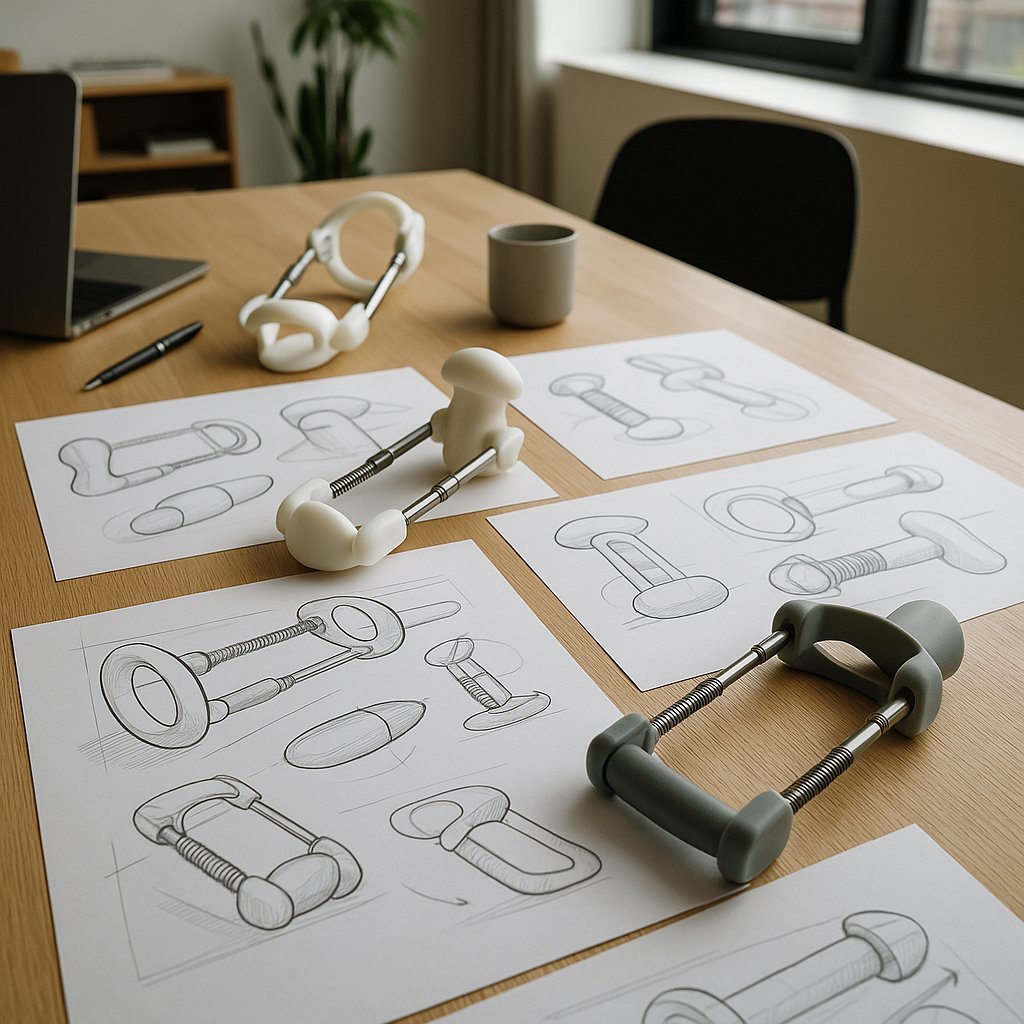
- Use structured, low‑force traction instead. If you are mainly curious about enhancement, clinically oriented traction devices such as a penis extender or penis stretcher offer controlled tension with measurable settings and time limits. This is far more predictable than ad‑hoc hand pressure in jelq.
- Start with gentle pelvic floor work. Resources on Kegel exercises for men show that training the pelvic floor can improve erection quality and ejaculation control without squeezing or bending the shaft itself.
- Refine your sex techniq instead of chasing size. Many men find that changes in rhythm, thrusting style, arousal pacing, and communication dramatically improve penetration time and pleasure, even without any increase in length or girth. Technique and confidence often matter more than millimeters.
- Talk to qualified professionals. A urologist can assess curvature, pain, erectile issues, and trauma risk. Sexual health clinics and sex therapists can help with performance anxiety, premature ejaculation, and relationship stress that sometimes drive risky experimentation.
If you decide you want a structured, medically oriented traction option instead of manual jelq, consider starting with a reputable extender system. One example is the official store at this clinically focused penis extender provider, which offers controlled tension and clear usage parameters. Always follow manufacturer instructions closely and stop use if you notice pain, numbness, or unusual changes.
In the long run, the most powerful move you can make is to stay curious and cautious at the same time. Enhancement experiments should never come at the cost of pain, fear, or permanent damage. Protecting your penis today preserves your options for pleasure, erection quality, and ejaculation control for years to come.
Conclusion: A Simple Rule for Curious Beginners
Jelq lives in a gray zone: highly marketed online, but not supported as a standard medical treatment and clearly capable of causing harm when done aggressively or on an already vulnerable penis. Your safest move is to treat every stroke, session, and week as a test of how your body responds, not as a guaranteed path to gains.
If you remember one rule, let it be this: any new pain, deformity, loss of sensitivity, or drop in erection quality means stop, not “push through.” From there, reset around safer tools, better sex techniq, and a broader view of mens sexual wellness that prioritizes function, pleasure, and long‑term health over quick fixes.
FAQ
Q: Is jelqing safe to try at all for beginners?
A: Jelqing always carries some risk because it applies repeated pressure to delicate blood vessels and tissues. A cautious beginner approach is to first decide whether any potential cosmetic gains are worth possible bruising, pain, or long‑term changes, and to consider non‑manual options like extenders instead.
Q: What are the most important jelq safety tips for a first session?
A: Start with very light pressure, a low erection level, generous lubrication, and short sessions with rest days in between. Stop immediately if you feel sharp pain, sudden loss of sensitivity, or see pronounced discoloration beyond mild, temporary redness.
Q: How can I tell if I’m using too much pressure when jelqing?
A: If your grip creates pain, intense tingling, numbness, or dark, patchy bruising, you’re using too much pressure. The movement should feel like a gentle, controlled squeeze—never like you’re “strangling” the shaft or forcing blood aggressively toward the glans.
Q: When should I stop jelqing and switch to a penis extender or stretcher?
A: If you notice recurring pain, worsening discoloration, weaker erections, or anxiety every time you think about jelqing, it’s time to stop. At that point, a measured device‑based routine with controlled tension and clear settings is usually a safer alternative than continuing manual experiments.
Q: How can I reduce jelq risks if I still decide to experiment?
A: Use a warm‑up, plenty of lube, low intensity, and short, trackable sessions so you can spot negative trends early. Combine that with rest days, honest self‑monitoring of erection quality and sensitivity, and a willingness to quit quickly if the risk‑reward tradeoff stops making sense.



Post Comment