Men’s Sexual Wellness in Africa, the Middle East, and India: Reality, Risks, and Safer Options
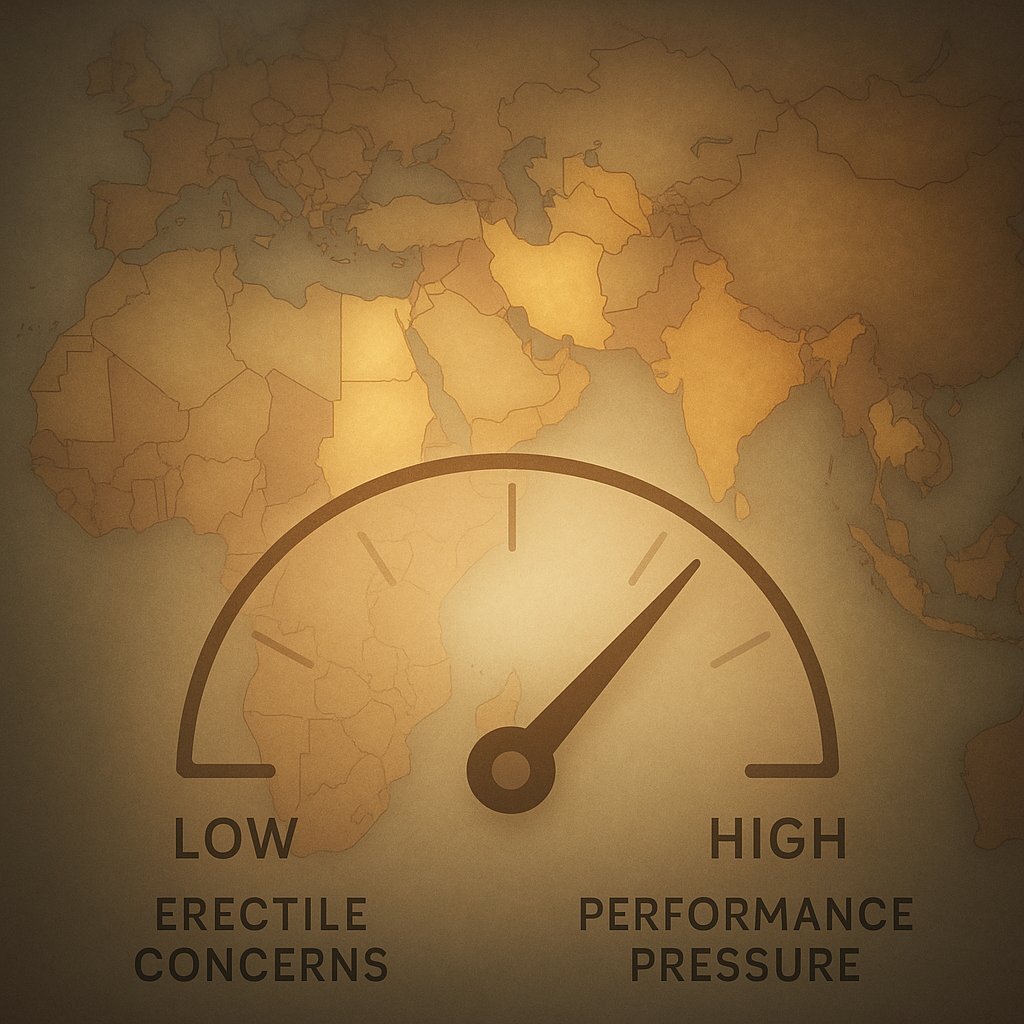
Table of Contents
- Overview: Men’s Sexual Wellness in Africa, the Middle East, and India
- Common Penis and Erection Problems in These Regions
- Cultural Pressures, Attachment Styles, and Performance Anxiety
- Safer Experimenting with Jelq, Penis Extenders, and Ejaculation Control
- Lifestyle, Pelvic Floor, and When to Seek Professional Help
- Conclusion: Smarter, Region‑Aware Choices for Long‑Term Sexual Health
- FAQ
Overview: Men’s Sexual Wellness in Africa, the Middle East, and India
Expert Insight: According to Mayo Clinic, penis health is broader than erections and fertility alone, as penis problems can signal other health conditions and lead to stress, relationship difficulties, and low self-confidence, so recognizing symptoms and taking steps to protect penis health is important (https://www.mayoclinic.org/healthy-lifestyle/mens-health/in-depth/penis-health/art-20046175). (www.mayoclinic.org)
Across Africa, the Middle East, and India, men’s sexual wellness is shaped by a mix of strong cultural expectations, limited access to reliable information, and a booming underground market of unregulated pills, oils, and devices. Many men quietly worry about penis size, erection quality, premature ejaculation, or performance in bed, but feel pressure to “never talk about it” and just endure.
Clinically, however, the core issues are universal. Medical references emphasize that penis health involves far more than size or erections. It includes skin health, sensation, curvature, pain, sexually transmitted infection (STI) risk, urinary function, and the psychological impact of sexual problems. Conditions such as erectile dysfunction, ejaculation disorders, Peyronie’s disease, urinary burning, and visible lesions can all signal deeper health problems like diabetes, cardiovascular disease, or infections.
This article focuses on practical, region‑aware guidance for men in Africa, the Middle East, and India who are curious about mens sexual wellness, jelq routines, penis extender or penis stretcher devices, and sex techniq improvements, but want to avoid permanent harm. The goal is not hype; it is harm reduction, realistic expectations, and smarter decision‑making in settings where medical access and privacy can be challenging.
Common Penis and Erection Problems in These Regions
Medical data from major centers show that men everywhere experience similar penis and erection problems. The difference in Africa, the Middle East, and India is often how late men seek help and how frequently they first turn to unregulated options. Key issues include:
- Erectile dysfunction (ED): Difficulty getting or keeping an erection firm enough for sex. Major risk factors include diabetes, high blood pressure, high cholesterol, obesity, smoking, excessive alcohol use, some blood pressure and antidepressant medications, and nerve injuries. In many men, ED is the first clear sign of cardiovascular disease.
- Ejaculation problems: Premature ejaculation (reaching orgasm sooner than desired), delayed ejaculation, painful ejaculation, reduced semen volume, or retrograde ejaculation (semen going into the bladder). These can be influenced by anxiety, relationship stress, hormonal issues, nerve damage, and certain medications.
- Low libido and anorgasmia: Low sexual desire or difficulty achieving orgasm despite adequate stimulation. Depression, severe stress, hormonal imbalance (especially low testosterone), and some psychiatric medications are common contributors.
- Penis pain, curvature, and trauma: Peyronie’s disease (scar tissue causing a bent or painful erection), penile fracture from forceful sex or manipulation, and chronic pain from aggressive jelq or devices. Untreated, these can cause permanent curvature, erectile weakness, or loss of length.
- Skin and infection issues: Balanitis (inflamed glans), yeast infection, STIs (genital warts, gonorrhea, chlamydia, syphilis, herpes), and complications from piercings or harsh chemicals. Symptoms include burning with urination, discharge, rashes, blisters, and sores.
- Foreskin problems: Phimosis (foreskin too tight to retract) and paraphimosis (retracted foreskin stuck behind the glans) can cause painful urination, painful erections, and impaired blood flow that may become emergencies.
Because talking about sex is often taboo, many men self‑treat for months with local creams, herbal mixes, or “instant” erection tablets from informal vendors. That delay can allow infections to spread, serious conditions like penile cancer to worsen, or reversible ED from lifestyle factors to progress into permanent vascular damage.
Any of the following should trigger a medical visit as soon as possible, even to a general physician if a specialist is not available: sudden change in erection quality, new curvature or pain with erections, blood in urine or semen, new discharge, burning during urination, new warts, blisters, or ulcers on the penis, or severe pain after trauma.
Cultural Pressures, Attachment Styles, and Performance Anxiety
In many communities across Africa, the Middle East, and India, men are expected to be sexually strong, always ready, and always in control. At the same time, open conversations about sex, emotional needs, or erectile struggles are often seen as shameful or weak. That combination can quietly damage mens sexual wellness long before any physical problem appears.
Modern psychology describes common “attachment styles” that shape how people connect in relationships:
- Secure attachment: Comfortable with intimacy and communication; more likely to talk about problems like ED or premature ejaculation without shame, and to work together on solutions.
- Anxious attachment: Worries about being abandoned; may overfocus on “proving” sexual performance, obsess over partner’s satisfaction, and panic when erection or ejaculation control slips.
- Avoidant attachment: Uncomfortable with emotional closeness; may retreat from partners when ED or ejaculation problems appear rather than discussing them.
- Disorganized or fearful attachment: A mix of seeking closeness and pushing it away; can lead to chaotic patterns of intimacy, porn reliance, or risky sexual behavior without clear communication.
These patterns matter practically. A man with anxious attachment in a culture that mocks sexual “failure” is highly vulnerable to performance anxiety. That anxiety can trigger a cycle: fear of losing erection or ejaculating too fast causes more stress, which further weakens erections or speeds up climax. Many men then chase quick fixes: instant erection pills from markets, unverified supplements, or intense jelq routines that can create new injuries.
Breaking that cycle starts with a different mindset: viewing sexual function as one part of overall health, not a measure of manhood. Private, honest communication with a partner about preferences, stimulation, and pace reduces pressure and opens the door to using sex techniq that prioritize arousal and control over “porn-style” performance. When possible, professional counseling or sex therapy can help men and couples reframe sexual expectations and address deeper relationship patterns.
Safer Experimenting with Jelq, Penis Extenders, and Ejaculation Control
Men in Africa, the Middle East, and India are heavily targeted by advertisements promising dramatic penis enlargement and instant stamina. Devices labeled as a penis extender or penis stretcher, aggressive jelq routines, and mystery “delay” pills are often pushed without any safety guidance. If you are going to experiment at all, you need a safety‑first, harm‑reduction approach.
1. Jelq: treat it as high‑risk, not casual exercise
Jelq involves repeatedly forcing blood along the shaft using a semi‑tight hand grip. While some online forums claim benefits, medical sources highlight real risks: bruising, pain, loss of sensation, erectile weakness, and developing curvature from uneven pressure or internal scarring.
- Never jelq with full erections or strong force; that is where penile fracture and severe vascular injury become more likely.
- Stop immediately if you notice pain, dark bruising, pins‑and‑needles sensations, or a new bend during erection.
- Avoid combining jelq with numbing creams, alcohol, or strong erection drugs; these make it harder to feel when you are causing damage.
- If you already have ED, diabetes, or Peyronie’s disease, self‑directed jelq is especially risky and not advisable.
2. Penis extender and penis stretcher devices: focus on mechanical safety
Clinically, traction devices have been studied for mild curvature and modest length changes. The key is controlled tension over long periods, not extreme force.
- Prefer devices with adjustable, measurable tension and a stable base; crude homemade stretchers or improvised weights are far more likely to cause nerve compression and tissue damage.
- Start with the lowest effective tension, limited daily wear time, and monitor for numbness, color changes, or pain. Any of these are a reason to stop.
- Aim for comfort, not “as hard as possible”; more force does not mean more growth, just higher injury risk.
- Do not sleep in a traction device, and avoid wearing it during activities where sudden bending or impact is likely.
If you are considering a medically styled traction device instead of street‑market gadgets, one option is to purchase through established manufacturers. For example, some men choose to buy directly from the official store at this clinically oriented penis extender provider rather than informal vendors, to reduce risks from counterfeit or poorly designed equipment.
3. Ejaculation control: technique before pills
For men worried about climaxing too quickly, structured sex techniq and behavioral strategies often help before you reach for unregulated medications.
- Start–stop and squeeze methods: During masturbation or partnered sex, stop stimulation when you feel close to orgasm, let arousal drop, then resume. Repeating this teaches you to recognize your “point of no return.” Light squeezing at the base or just below the glans can briefly reduce arousal.
- Adjust stimulation style: Slower, deeper thrusts, more focus on oral or manual stimulation for your partner, and changes in position can reduce overstimulation for you while still maintaining partner pleasure.
- Breathing and tension: Many men unconsciously hold their breath and clench pelvic and abdominal muscles right before ejaculation. Practicing slower breathing and relaxing your pelvic floor can extend time.
- Check for medical factors: Thyroid problems, prostatitis, or medication side effects sometimes influence ejaculation. A clinician can rule these out and discuss evidence‑based therapies when needed.
Avoid relying on alcohol or strong OTC numbing agents to delay ejaculation; both can worsen erections over time and mask underlying problems that are better treated with technique, counseling, or appropriate medication under medical supervision.
Lifestyle, Pelvic Floor, and When to Seek Professional Help
Beyond devices and techniques, sustainable mens sexual wellness in Africa, the Middle East, and India depends heavily on overall health and realistic access to care.
1. Lifestyle changes with real impact
Large medical centers consistently link erectile function to heart and metabolic health.
- Physical activity: Regular moderate exercise improves blood flow, lowers blood pressure, and reduces the risk of ED.
- Weight management: Obesity, metabolic syndrome, and poorly controlled diabetes are major contributors to weak erections and reduced sensation.
- Quit smoking and limit alcohol: Tobacco damages blood vessels and nerves; heavy drinking disrupts hormones and nerve signaling for erections and ejaculation.
- Sexual responsibility: Consistent condom use with non‑monogamous partners and STI testing where available protect against infections that can damage long‑term sexual function.
2. Pelvic floor and physical therapy
Targeted pelvic floor training can support erection rigidity, ejaculation control, and urinary control, especially after prostate surgery or pelvic trauma.
- Pelvic floor exercises (often called Kegels for men) involve contracting and relaxing the muscles used to stop urine mid‑flow, but they must be done correctly to avoid over‑tightening and new pain.
- Where available, a physical therapist with pelvic health training can assess whether your pelvic muscles are weak, overly tense, or uncoordinated, and prescribe tailored exercises.
- Do not assume that “more squeezing” is always better; for some men with pelvic pain or rapid ejaculation driven by constant tension, learning to relax those muscles is just as important.
3. When and how to involve professionals
Access to urologists, sex therapists, or pelvic floor specialists can be limited in many parts of Africa, the Middle East, and India, but even a general practitioner can be a starting point.
- Seek help promptly if you notice persistent erectile changes, new penile curvature, pain during sex, recurrent infections, or any bleeding with urination or ejaculation.
- Be prepared to discuss all medications, supplements, and devices you are using, including jelq routines, herbal products, and any penis extender or penis stretcher. This helps the clinician identify possible causes of your symptoms.
- If in‑person visits feel unsafe or embarrassing, look for reputable telehealth services where local regulations allow, ideally those linked to established hospitals.
In cultures where sexual topics remain sensitive, it can be tempting to rely only on friends, forums, and vendors. Using those sources wisely means combining them with medical facts, listening to your body’s warning signs, and stepping away from any method that demands pain, extreme force, or secrecy as its price.
Conclusion: Smarter, Region‑Aware Choices for Long‑Term Sexual Health
Men in Africa, the Middle East, and India navigate unique cultural pressures and market realities around sexual performance, penis size, and masculinity. Yet the underlying science of penis health is the same everywhere: healthy blood flow, intact nerves, infection control, and psychological well‑being matter more than any single technique or device.
If you choose to experiment with jelq, a penis extender, or a penis stretcher, do so with a clear understanding of risks, early warning signs of injury, and realistic expectations. Prioritize safer sex techniq, lifestyle changes, and honest communication over secret, high‑risk shortcuts. When possible, involve qualified health professionals early instead of waiting until pain, curvature, or severe erectile dysfunction forces your hand.
The most powerful upgrade you can make to your sexual life in these regions is not a pill or gadget; it is shifting from shame and silence toward informed, medically grounded, and patient choices that protect both your penis and your long‑term health.
FAQ
Q: What makes men’s sexual wellness concerns in Africa, the Middle East, and India different from other regions?
A: Men in these regions often face strong cultural expectations around masculinity, fertility, and sexual performance, which can heighten anxiety about size and erections. Limited open discussion and stigma can also push men toward unsafe home remedies or secretive use of enhancement tools.
Q: Are jelqing and similar manual techniques safe to try?
A: Jelqing and other manual stretching techniques carry a real risk of bruising, nerve irritation, or long‑term tissue damage if done with too much force or frequency. If men still choose to experiment, it’s safer to use light pressure, avoid pain, and stop immediately if they notice numbness, severe swelling, or shape changes.
Q: How can I use a penis extender more safely?
A: Choose a device from a reputable brand, start at the lowest tension setting, and limit wear time before slowly increasing. Check your skin and sensation frequently, and remove the extender right away if you feel pain, tingling, or see discoloration.
Q: How do cultural pressures in this region affect erection and ejaculation problems?
A: Pressure to prove manhood, have many children, or satisfy a partner for long periods can create performance anxiety that worsens erection or early ejaculation issues. Men may also delay seeking help, instead turning to unregulated pills, herbal mixes, or online tricks that can be ineffective or risky.
Q: What are safer ways to improve sexual performance without harming penis health?
A: Focusing on communication with your partner, varying sexual positions, and using arousal‑building techniques can improve satisfaction without stressing the penis. Managing stress, sleeping well, reducing alcohol and tobacco, and practicing gentle pelvic floor exercises also support stronger erections over time.


Post Comment