Jelq Safety Tips: Risk Signs, Recovery Steps, and Smarter Alternatives
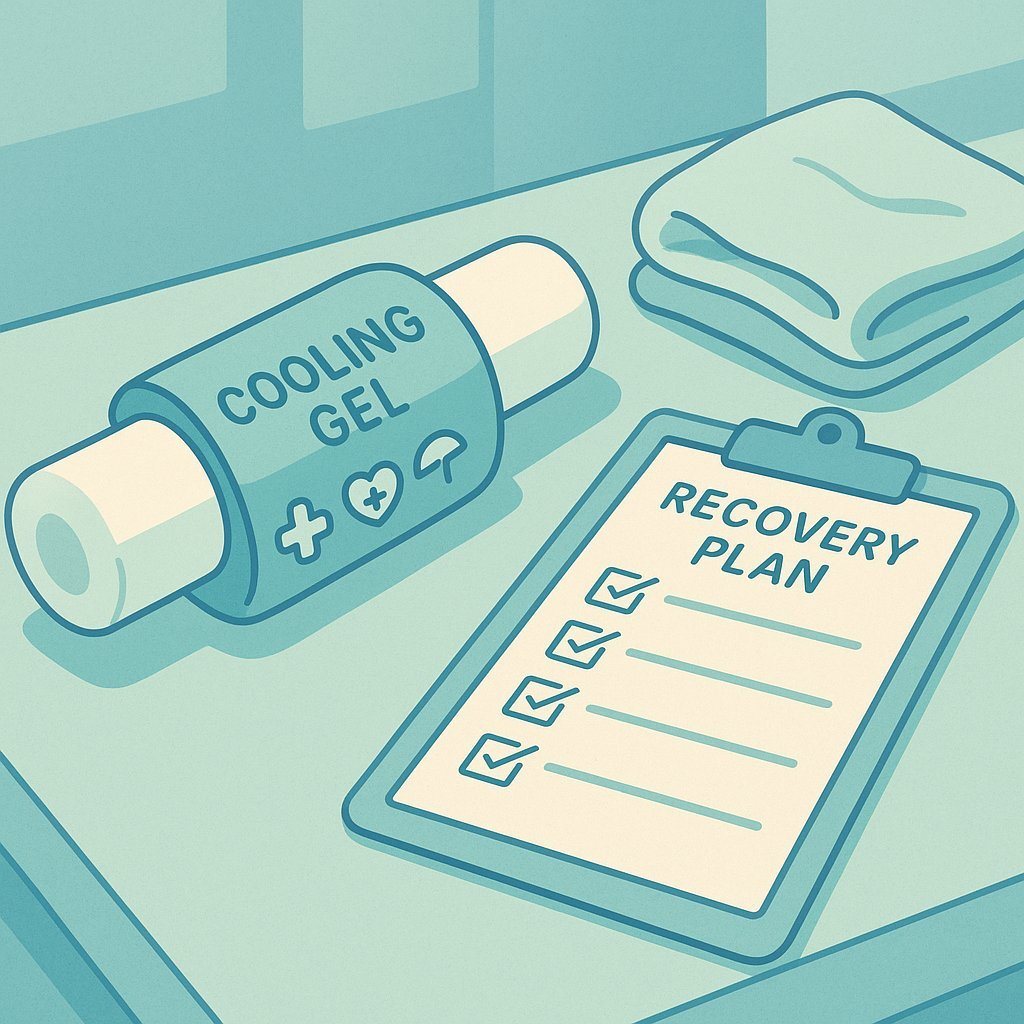
Table of Contents
- Overview: Why Jelq Safety Matters More Than Hype
- Risk Signs During Jelq: When Your Penis Is Telling You to Stop
- After-Session Warning Signs: Damage That Shows Up Hours or Days Later
- Recovery Steps After Overdoing Jelq: Protecting Function First
- Smarter Alternatives: Structured Devices, Technique Work, and Professional Options
- Conclusion: Make Jelq a Test, Not a Lifestyle
- FAQ
Overview: Why Jelq Safety Matters More Than Hype
Expert Insight: According to my.clevelandclinic.org, common penile conditions include erectile dysfunction, skin diseases (such as herpes, syphilis, psoriasis and eczema), paraphimosis (a foreskin emergency that can cut off blood flow), penile cancer and penile fracture from sudden bending of an erect penis (https://my.clevelandclinic.org/health/body/penis). (my.clevelandclinic.org)
Jelqing is often marketed as a simple way to improve size, stamina and ejaculatory control. In reality, it’s an unproven technique that puts direct pressure on delicate erectile tissue, blood vessels and nerves. If you push too hard or too often, you can trigger short‑term trauma and, in some cases, long‑term problems with erections, curvature, sensitivity and ejaculation.
Men’s sexual wellness depends on more than size. Healthy erections, comfortable arousal, satisfying ejaculation and emotional confidence are all tied to intact penile structures and a responsive nervous system. That means any manual routine that risks bruising, tearing or compressing the penis needs a clear safety plan and an honest exit strategy.

This guide focuses on three practical areas:
- Risk signs during and after jelq that suggest you should stop immediately.
- Recovery steps you can take if you think you overdid it.
- Smarter alternatives, including modern penis stretcher options and sex techniq that support sexual function without unnecessary damage.
Risk Signs During Jelq: When Your Penis Is Telling You to Stop
During jelqing, your penis should never feel sharp pain, burning, or sudden “snapping.” You’re compressing tissue that’s designed to fill with blood, not withstand aggressive squeezing. If you notice any of the following during the session, stop immediately and do not try to push through it.
- Sudden sharp or tearing pain. A fast, intense pain in the shaft or at the base is a red‑flag signal. Pain that appears during a stroke and doesn’t fade quickly can indicate tissue strain or a partial tear.
- Visible bruising or purple blotches as you go. Small red dots (petechiae) and expanding dark patches suggest capillary damage. If new spots appear with each set of strokes, the pressure is already too high.
- Numbness or tingling that starts mid‑session. Your glans and shaft should remain fully sensitive. Tingling, buzzing, or areas that suddenly feel dull or “rubbery” may mean you’re compressing nerves or blood vessels.
- Uneven swelling or sudden bend. If one side of the shaft swells more than the other, or you notice the penis beginning to curve or kink as it fills, that can be an early sign of structural strain.
- Loss of erection that feels “wrong.” It’s normal for arousal to fluctuate, but a rapid, uncharacteristic loss of rigidity combined with discomfort may signal vascular irritation.
If you notice any of these signs, treat the session as your last until you’ve fully evaluated your penis, rested, and — ideally — spoken with a clinician.
After-Session Warning Signs: Damage That Shows Up Hours or Days Later
Some jelq injuries don’t show at the moment you stop. Instead, the problems become obvious later, during a shower, erection, or masturbation. Pay attention to changes from your normal baseline. Healthcare organizations like the Cleveland Clinic and Mayo Clinic emphasize knowing your usual appearance and response so you can spot trouble early.
Concerning after‑session signs include:
- Persistent bruising or discoloration. Dark blotches, diffuse purple coloration, or yellow‑green patches (old bruising) that last more than several days suggest deeper tissue damage.
- New lumps, hard spots or bands under the skin. Nodules or firm cords along the shaft can reflect scar tissue. Over time, this kind of plaque can contribute to curvature and pain with erection.
- New pain with erection, masturbation, or sex. If erections now hurt, or you feel a pulling, burning, or tearing sensation, that’s a strong cue to stop all enhancement attempts and get evaluated.
- New or worse curvature. A bend that wasn’t there before, or an existing curve that suddenly worsens, especially with pain, can indicate a Peyronie‑type process where scar tissue distorts the shaft.
- Changes in sensitivity. Loss of sensation in specific areas, or a constant pins‑and‑needles feeling at the glans or along the shaft, can mean nerve irritation.
- Erection quality problems. If your penis doesn’t get as hard as usual, is harder to maintain, or feels “spongier” than normal, that may indicate vascular strain.
- Strange ejaculation changes. Very sudden shifts in ejaculation — such as pain at orgasm, new blood in semen, or a dramatic, unexplained drop in force or volume — should always be taken seriously.
Red‑flag emergencies include sudden severe pain with a bend and loss of erection (possible penile fracture), a rock‑hard erection that won’t go down for hours (priapism), or any major swelling and deformation after trauma. These are reasons to seek urgent care or emergency services, not watch‑and‑wait situations.
Recovery Steps After Overdoing Jelq: Protecting Function First
If you’ve overdone jelqing but you’re not in emergency territory, the priority is protecting long‑term function: erections, comfort, and reliable ejaculation. Focus on rest, monitoring, and conservative care while you decide whether you need a professional evaluation.
- Stop all jelq and similar routines immediately.
Any stroke that mimics jelqing, intense edging with strong grip, or aggressive stretching can worsen minor injuries. Commit to a full break — usually several weeks at minimum. - Use short‑term comfort measures.
For mild soreness or minor bruising, you can try:- Cool (not ice‑cold) compresses for 10–15 minutes at a time in the first 24–48 hours to reduce swelling.
- Loose, breathable underwear so the penis is not compressed.
- Avoiding heat exposure (hot baths, saunas) that could increase swelling immediately after injury.
- Track symptoms against your normal baseline.
Once swelling subsides, gently examine your penis in a non‑aroused state, then again during a natural erection. Note any new:- Lumps, ridges, or flat plaques.
- Curvature, twists, or hourglass narrowing.
- Areas that feel less sensitive or unusually tender.
- Pause demanding sexual activity.
You don’t need to stop all sexual contact, but avoid rough masturbation, vigorous thrusting, or positions that bend the shaft sharply. The goal is to let micro‑tears heal instead of constantly re‑irritating them. - Watch for sperm and testicular issues if you had heavy trauma.
Serious blunt injuries to the penis or scrotum can affect testicular function and sperm production over time. If you notice testicular pain, swelling, or changes in ejaculation volume months after a major injury, speak with a clinician. - Know when it’s time for medical help.
Schedule a visit with a primary care provider or urologist if you experience:- Pain or burning with urination.
- Blood in urine or semen.
- Ongoing pain with erections or sex.
- Persistent curvature that interferes with penetration.
- Ongoing numbness or loss of sensitivity.
- Erectile dysfunction that began after jelqing.
These changes are not “just part of training” — they’re signs that your men’s sexual wellness needs professional attention, not more experimentation.
Smarter Alternatives: Structured Devices, Technique Work, and Professional Options
If your main goal with jelq was better performance rather than raw size, you have safer, more structured paths that don’t rely on squeezing delicate tissues by hand. Shifting from risky manual routines to evidence‑aligned tools and skill building can protect both erections and ejaculation quality.
1. Consider regulated penis stretcher devices instead of bare‑hand jelq
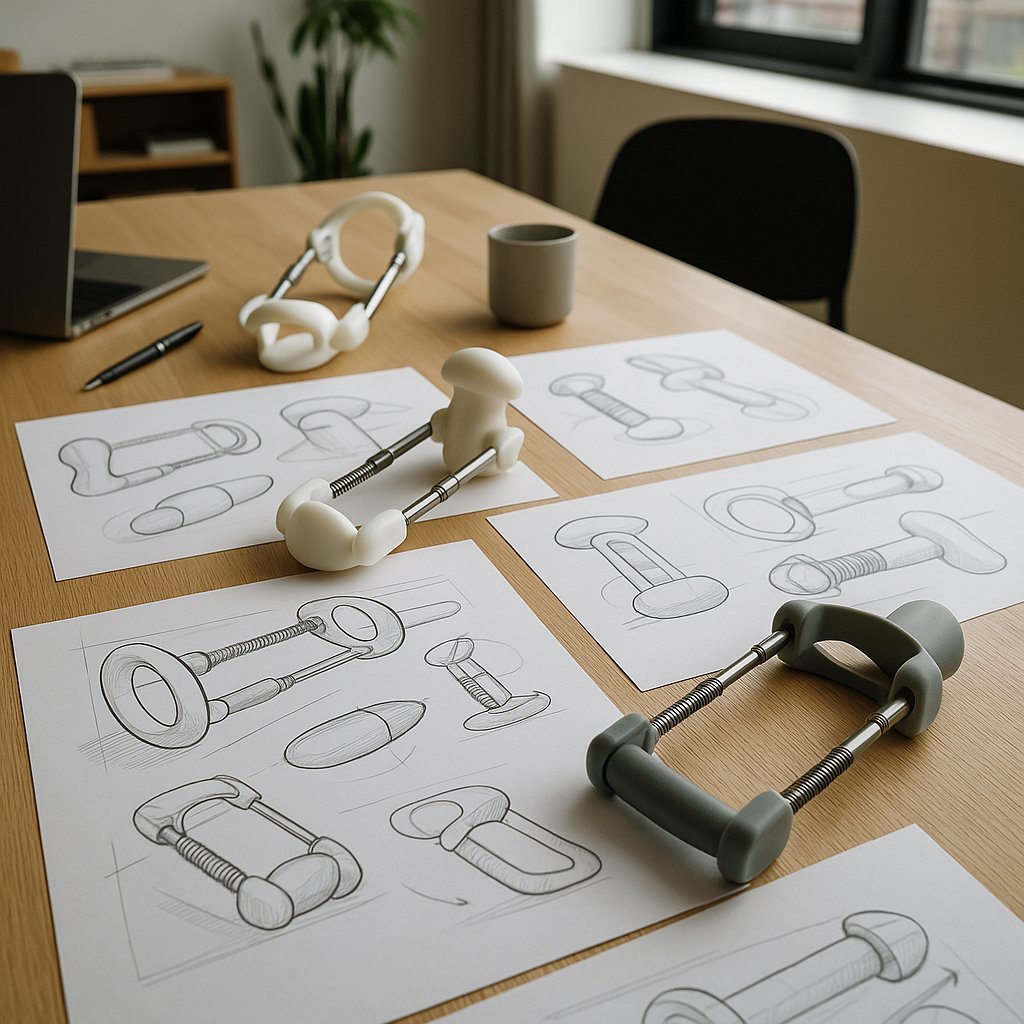
A well‑designed penis extender (penis stretcher) uses low, controlled traction over time rather than high internal pressure. While no method is risk‑free, medical‑style traction has several safety advantages compared with jelq:
- Force is distributed along the shaft instead of concentrated in one moving “ring” of pressure.
- Tension can be adjusted in small increments and kept predictable.
- Usage can be timed and logged, making it easier to avoid overuse.
If you decide to explore an extender, look for devices with a medical background and clear, conservative instructions. For example, you can review the official store at this penis extender provider to compare how structured traction differs from manual squeezing. Use that kind of information to understand build quality, adjustment options, and safety guidelines before committing to any device.
2. Improve stamina with specific sex techniq instead of extra force
Many men turn to jelq to last longer, delay ejaculation, or feel more control in bed. In practice, stamina and satisfaction often respond better to:
- Position and rhythm changes. Slowing down, using shallower thrusts, or choosing positions with less intense friction can quickly reduce overload on sensitive areas.
- Breath and arousal management. Matching exhalation to movement, taking breaks for kissing or touch, and backing off just before the “point of no return” can strengthen ejaculation control without stressing penile tissue.
- Pelvic floor training. Learning to relax and selectively contract pelvic floor muscles can support stronger erections and smoother orgasm reflexes. Over‑clenching constantly, by contrast, can backfire.
These adjustments protect structural health while still targeting the performance goals that tempted you toward jelq in the first place.
3. Use professional support when sexual function changes
If erectile dysfunction, premature ejaculation, or curvature are already present, it’s better to involve clinicians early than to self‑experiment aggressively. A primary care doctor or urologist can:
- Check vascular, hormonal, and nerve health related to erections.
- Assess curvature or plaques if you suspect early Peyronie’s disease.
- Discuss medical or device‑based options that have at least some clinical backing.
- Refer you to a sex therapist if anxiety, relationship stress, or performance pressure are major drivers.
In some cases, regenerative approaches (such as platelet‑based injections), medications, or structured rehabilitation can support function far more effectively than unsupervised jelqing. Always evaluate offers carefully and prioritize approaches with transparent safety data and realistic outcomes.
Conclusion: Make Jelq a Test, Not a Lifestyle
Jelqing sits in an awkward space: popular online, but unsupported by major medical bodies and clearly capable of causing harm when pushed too hard. Treat it — if you experiment at all — as a short, cautious test rather than a long‑term lifestyle habit.
Know the risk signs that mean stop, not “one more set.” Take post‑session changes seriously, especially pain, curvature, or erection quality issues. If something feels wrong, prioritize recovery, not progress. Your men’s sexual wellness relies on intact blood flow, nerves and tissue flexibility, not on how much pressure your shaft can endure.
If your real goals are better confidence, stronger erections, more satisfying ejaculation, or improved stamina, shift your energy toward smarter alternatives: structured penis stretcher devices with clear safety guidelines, realistic performance‑focused sex techniq, and evidence‑aligned medical support when needed. That combination offers a far better chance of long‑term sexual health than any routine built on squeezing a vulnerable organ until it gives way.
FAQ
Q: What are the first warning signs that jelqing is causing damage?
A: Common early signs include aching or burning pain, sudden loss of firmness, new curvature, numbness, and dark spots or bruising on the shaft. If these appear during or after jelqing, stop immediately and give your penis time to rest and recover.
Q: How long should I rest if I think I’ve injured myself from jelqing?
A: Many mild strains improve with several days to a few weeks of complete rest from jelqing, masturbation, and rough sex. If symptoms worsen, don’t steadily improve, or make erections difficult or painful, you should seek a professional evaluation instead of waiting it out.
Q: Can jelqing permanently affect my erections or ejaculation control?
A: Aggressive or repeated jelqing can injure blood vessels and nerves, which in some cases may lead to weaker erections, sensation changes, or altered ejaculation patterns. The risk rises if you push through pain, use very high pressure, or ignore early warning signs.
Q: What are safer alternatives if I want better sexual performance without jelqing?
A: Evidence‑based options include pelvic floor (Kegel) training, general fitness to support blood flow, mindful arousal techniques, and working on communication and arousal pacing with your partner. Some men also use vetted vacuum devices or traction under professional guidance instead of unstructured manual exercises.
Q: How can I support recovery and avoid re‑injury after jelq‑related problems?
A: Allow full symptom resolution before resuming any sexual activity, then reintroduce stimulation gently and slowly. Focus on comfort, use plenty of lubrication, avoid squeezing or bending the shaft, and prioritize long‑term penile health over size or short‑term performance goals.


Post Comment