How to Increase Semen Volume Safely: Evidence‑Based Strategies, Supplements, and Myths (2025 Guide)

Overview: A safe, evidence‑based path to more volume
If your goal is to ejaculate more fluid—consistently, not just once—focus on the biology that actually creates semen and the habits that support it. True semen volume comes primarily from the seminal vesicles and prostate, not from the penile tissue itself. That means the big levers are: hydration and electrolytes (semen is mostly water), proper abstinence timing, a nutrient‑dense diet that supports accessory glands, adequate sleep and stress control, and, where appropriate, a conservative supplement trial with ingredients that have real human data. Read: Penis Traction Therapy for Peyronie’s Disease: Evidence-Based Protocols, Expected Results, and Best Devices (2025 Guide). Read: How To Do Jelqing Safely: A Minimal‑Risk Guide for Men’s Sexual Wellness. Read: How to Create a Personalized Jelqing Routine for Enhanced Sexual Wellness.

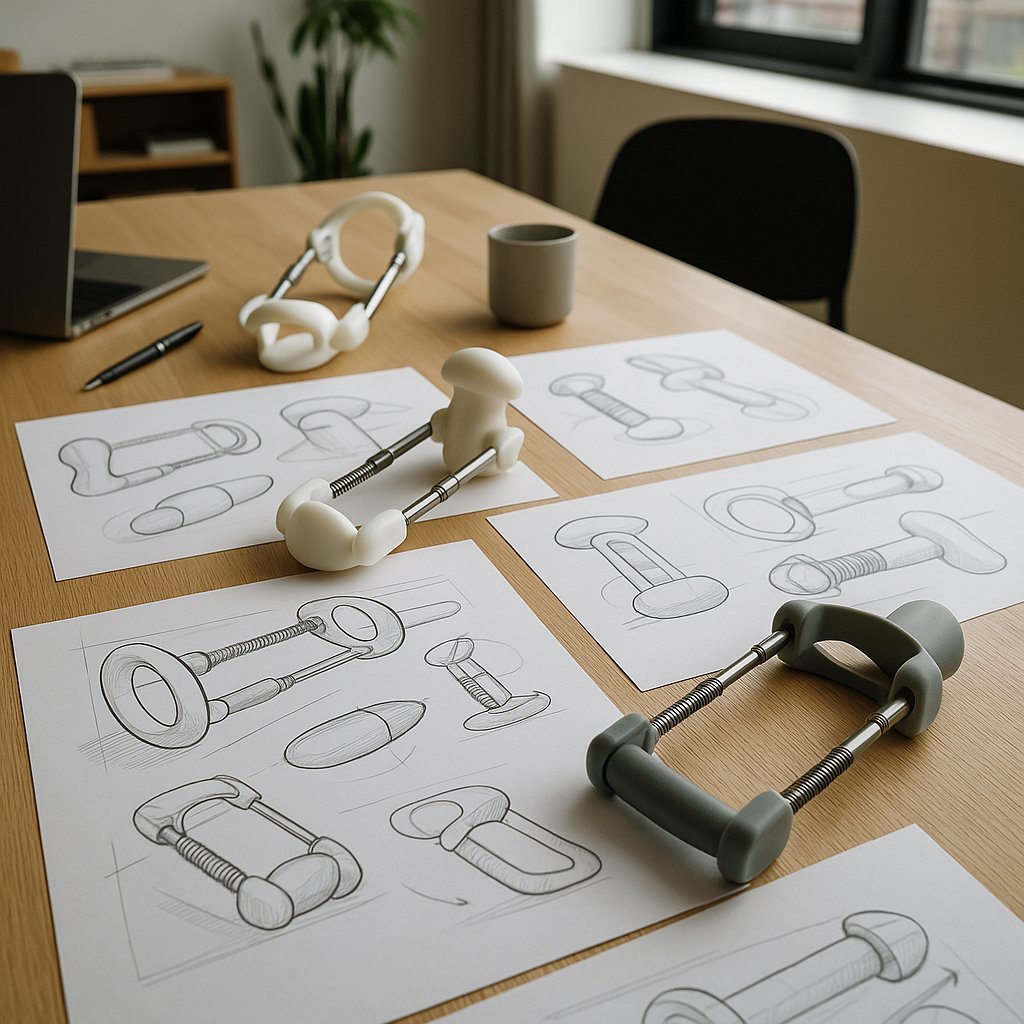
Equally important: separating actual fluid volume from ejaculatory force and the visual effect. You can improve perceived volume by training the pelvic floor and refining arousal pacing and timing—without changing gland output. This guide covers both, so you get measurable gains and better on‑demand performance. We’ll also debunk common myths: jelq routines, a penis extender or penis stretcher, and vacuum pumps don’t increase semen production. They can influence penile tissue or erection mechanics, but they don’t make more seminal fluid. For more details, see Myths vs Facts: Jelq, Penis Extenders, Sex. For more details, see The Men’s Sexual Wellness Toolkit: Accessories. For more details, see The Physiology Stack: Jelq, Extenders, and.
Use this guide as your 30–90 day playbook for mens sexual wellness: measurable at‑home tracking, pragmatic diet and hydration changes, evidence‑weighted supplements, and sex techniq tweaks that amplify what you produce. For more details, see Enhance Your Ejaculation Control: Techniques for.

Normal volume, how to measure correctly, and the biology behind it
What’s normal: The World Health Organization’s 6th edition reference suggests a lower reference limit near 1.4 mL per ejaculation, with many healthy men ranging roughly 1.4–5 mL. Day‑to‑day swings are expected based on abstinence duration, arousal, hydration, and how complete the emission/expulsion phases are.
How to measure at home reliably:
– Standardize abstinence: 48–72 hours between collections.
– Collect the entire sample: The first fraction is most concentrated and often most voluminous—missing it underestimates totals.
– Use a clean, wide‑mouth container. Avoid condoms (most lubricants and residues alter measurements).
– Weigh, don’t eyeball: Weigh the empty container, ejaculate into it, then weigh again. Subtract to get grams; 1 gram ≈ 1 mL.
– Note conditions: Time of day, hydration status, alcohol intake, illness, ejaculation method (solo vs partnered), arousal time, and any meds.
– Repeat: Take 3–5 measurements over two weeks to establish your personal baseline.
What actually makes semen: About 65–75% of semen volume is seminal vesicle fluid (fructose, prostaglandins, proteins), 25–30% is prostatic fluid (citrate, enzymes like PSA), and roughly 5% comes from the testes and epididymis (sperm and support fluids). The penis does not manufacture semen—so strategies that target penile length or girth won’t increase volume. To increase output, you’re supporting the seminal vesicles and prostate (hydration, micronutrients, gland health) and optimizing ejaculation mechanics (pelvic floor coordination, arousal pacing) to fully express what you’ve produced.
The big levers: abstinence timing, hydration, diet, sleep, stress, and body composition
Abstinence timing:
– For more volume today, wait 48–72 hours since the last ejaculation. Volume tends to rise with each day of abstinence for the first few days before gains flatten; extremely long abstinence can reduce motility and lead to clumpy, less satisfying releases.
– For weekly life, plan high‑volume days every 2–3 days while keeping other ejaculations shorter or dry (edging without finishing) if you’re chasing one “showcase” session.
Hydration and electrolytes:
– Target pale‑yellow urine. For most men, 2.5–3.5 liters total fluid per day works; more if you train hard or live hot.
– Don’t overdo plain water. Include electrolytes (sodium, potassium, magnesium) via mineral water, lightly salted food, fruits/vegetables, or a low‑sugar electrolyte mix. Seminal plasma is mostly water; arriving well‑hydrated materially changes collected volume.
– Reduce dehydrators: Excess alcohol, high‑caffeine energy drinks, and aggressive low‑carb diuresis can shrink output.
Diet for gland output and mens sexual wellness:
– Base pattern: Mediterranean‑leaning—vegetables, fruits (especially tomatoes/berries), whole grains, legumes, nuts, olive oil, fish/seafood; moderate poultry/eggs; limited processed meat and trans fats.
– Protein: Aim ~1.2 g/kg/day. Include zinc‑rich foods (oysters, beef, pumpkin seeds), selenium sources (Brazil nuts, tuna), folate (leafy greens, legumes), vitamin C/E (citrus, peppers, nuts), and omega‑3s (salmon, sardines).
– Practical add‑ons: Tomatoes (lycopene) with olive oil, citrus and berries daily, 2–3 seafood servings per week, a handful of mixed nuts most days.
Sleep and stress:
– Sleep 7–9 hours with regular timing. Testosterone and accessory gland activity benefit from consistent, high‑quality sleep.
– Stress control matters. Elevated cortisol blunts sexual function and arousal. Use brief daily tools: 10 minutes of breathwork, a walk outdoors, or short mindfulness sessions.
Body composition and heat:
– Dropping 5–10% body weight (if overweight) tends to improve hormones and sexual function. Focus on calorie‑appropriate protein, fiber, and resistance training 2–3x/week.
– Avoid excess groin heat (scalding hot tubs, sauna immediately pre‑session, laptops on lap). It’s more about sperm quality than volume, but overall gland comfort and arousal can suffer with excessive heat.
Supplements: strongest evidence, mixed bets, and what likely won’t move the needle
Supplements can help if you address hydration, diet, sleep, and abstinence first. Below are commonly studied ingredients and practical doses used in research. Use them to support a 30–90 day trial and track with standardized at‑home measurements.
Best‑supported for semen parameters (some evidence for volume):
– Ashwagandha (Withania somnifera): 600 mg/day (often split 300 mg twice daily of a standardized extract). Several human trials in men with reduced semen quality report improvements in semen volume and sperm parameters, with modest testosterone support.
– Zinc: 15–30 mg elemental zinc/day (gluconate/citrate forms), with 1–2 mg copper if supplementing >15 mg long‑term. Strongest benefit in men with low dietary zinc or deficiency; supports prostate/seminal vesicles.
– Selenium ± Vitamin E: 100–200 mcg selenium/day, often with 200–400 IU vitamin E in studies, supports sperm quality; some men report better volume/consistency.
– L‑Carnitine (or Acetyl‑L‑Carnitine): 1,000–2,000 mg/day. Consistent data for motility; some studies note volume increases.
– Omega‑3 (EPA/DHA): 1,000–2,000 mg combined EPA+DHA/day from fish oil or algae oil; supports membrane function and semen quality.
– CoQ10: 200–300 mg/day. Reliable improvements in motility in several trials; a few report volume gains, but effect is less consistent.
– Vitamin D: If deficient, repletion to sufficiency correlates with better sexual function and semen parameters. Common daily dose: 1,000–2,000 IU, adjusted to reach mid‑normal blood levels.
Mixed or limited evidence (may help some, less likely to change volume):
– Maca: 1.5–3 g/day gelatinized powder. Libido support is more consistent; volume data mixed.
– Fenugreek extracts: 500–600 mg/day. May influence libido/free testosterone; limited direct data on semen volume.
– D‑Aspartic Acid: 2–3 g/day. Mixed testosterone effects; limited semen volume evidence.
– Arginine/Citrulline: 2–6 g/day arginine or 1–3 g/day citrulline. Better erections via nitric oxide; not a direct volume booster.
– Shilajit: 500 mg/day purified extract in small studies; quality control varies, evidence is preliminary.
Unlikely to help volume:
– Tribulus, yohimbine, horny goat weed: Erectile or libido effects may occur; little to no evidence for semen volume.
– Multivitamins alone: Useful for general nutrition gaps but rarely move volume meaningfully without the lifestyle levers.
Stacking strategy (30–90 days): Start with hydration/electrolytes and diet. If you supplement, consider a core stack of zinc, selenium, omega‑3, and either ashwagandha or L‑carnitine. Add CoQ10 if your focus includes sperm quality. Track results weekly; if no change by day 45–60, reassess.
Pelvic floor training and sex techniques that boost perceived volume and force
Improving ejaculatory force and fully expressing what you’ve produced can make the release look and feel significantly bigger—often as impactful as boosting the milliliter count. Two skills matter: pelvic floor strength/coordination and arousal pacing.
Pelvic floor 101:
– The bulbocavernosus and ischiocavernosus muscles rhythmically contract during ejaculation to propel semen. Stronger, better‑timed contractions increase projection and the sense of a “full emptying.”
– Kegels (contractions): 3–4 days/week, perform 3 sets of 10 slow contractions (3–5 seconds on, 3–5 seconds off), plus 10 quick pulses at the end of each set. Breathe naturally; don’t brace your abs or glutes.
– Reverse Kegels (relaxation): Practice 1–2 minutes of pelvic floor relaxation breathing daily to reduce baseline tension. Over‑tight floors can blunt force and shorten the expulsion phase.
– Timing cues: During orgasm, time a firm Kegel with the onset of each contraction; between contractions, relax fully (a mini reverse Kegel) to allow refilling of the urethral bulb for the next pulse.
Sex techniques that maximize output and the visual:
– Arousal ramp: Spend 10–20 minutes building arousal with high‑quality stimulation and a strong erection. Seminal vesicle/prostate secretions respond to prolonged arousal.
– Edging: Approach the point of inevitability (PONR), back off for 30–60 seconds, repeat 2–3 times. This lengthens the emission phase so more fluid pools before expulsion.
– Positioning: Standing or kneeling often yields better projection than lying flat, leveraging gravity and pelvic floor mechanics.
– The squeeze: Just as you cross PONR, engage a firm Kegel and maintain rhythmic contractions through the first 3–5 pulses. If you need more control, gently compress the base—not the glans—to stabilize during the initial jets.
– Lube choice: For measurement days, use minimal, thin water‑based lube; thick or glycerin‑heavy formulas can visually inflate volume. Keep conditions consistent across tests.
Note on devices and routines: Jelq techniques, a penis extender, or a penis stretcher target tissue remodeling or blood flow, not glandular secretion. They do not increase seminal fluid production, though better erections can improve the look of a release. If you train with these tools for other goals, keep volumes expectations realistic.
Myths, meds, and when to see a clinician
Myths to ignore:
– Porn‑star loads: Most are timing, abstinence stacking, edging, dehydration the day before then aggressive rehydration, and camera tricks. Some scenes use thick lubes or “cum lube” for effect.
– Sodium loading: Eating tons of salt won’t boost semen; it can increase bloating and thirst. Smart electrolytes support hydration; salt‑bombing is counterproductive.
– Penis pumps: A vacuum device can help erections, but it does not increase seminal fluid output and may actually disperse ejaculate externally if used immediately pre‑orgasm.
– Jelq, penis extender, penis stretcher: These methods do not create more semen; the glands aren’t trained by traction or manual exercises.
Medications and conditions that commonly reduce volume:
– Alpha‑blockers (for prostate/urinary symptoms) can cause reduced or retrograde ejaculation.
– 5‑alpha‑reductase inhibitors (finasteride/dutasteride) shrink prostate secretions; volume often drops.
– SSRIs and other antidepressants can blunt arousal and orgasm intensity.
– Diabetes (neuropathy), spinal injuries, pelvic surgeries (prostate, bladder, hernia repair), varicocele, hypogonadism, prostatitis, or partial obstruction can all reduce output or cause retrograde ejaculation.
When to see a clinician:
– Persistently very low volume (<1 mL on repeated tests), painful ejaculation, blood in semen, or sudden changes without a clear lifestyle cause warrant evaluation. A clinician can order semen analysis, hormone labs (testosterone, LH/FSH, prolactin), urinary post‑ejaculatory tests for retrograde flow, and imaging if obstruction is suspected.
– If you want a comprehensive, patient‑centered evaluation or coordinated specialty care, request an appointment via Mayo Clinic’s patient‑centered care and appointments portals: https://mayoclinic.com/patient-centered-care and https://mayoclinic.com/appointments. International patients can use https://mayoclinic.com/international to plan care.
Conclusion: A 30‑day plan you can start now
Week 1: Establish your baseline and fix hydration.
– Measure volume 2–3 times after 48–72 hours abstinence using the weigh‑the‑cup method. Log hydration, sleep, and arousal time.
– Fluids: 2.5–3.5 L/day with electrolytes from mineral water or a low‑sugar mix. Cut back alcohol to minimal.
– Diet reset: Mediterranean‑leaning meals, zinc/selenium‑rich foods, berries and tomatoes daily, nuts and olive oil.
– Pelvic floor: 3 sessions this week—Kegels plus reverse Kegels.
Week 2: Lock in timing and add a core supplement.
– Plan one high‑volume day at 60 hours abstinence. Use a 10–20 minute arousal ramp and 2–3 edging cycles before finishing.
– Start a core stack: zinc (15–30 mg), selenium (100–200 mcg), and either ashwagandha (600 mg/day) or L‑carnitine (1–2 g/day). Consider omega‑3 (1–2 g EPA+DHA).
– Continue hydration, sleep (7–9 hours), light stress work (daily 10‑minute walk + breathwork).
Week 3: Refine sex techniq and intensity.
– Add CoQ10 (200–300 mg/day) if you also care about sperm quality.
– Practice timing Kegels during orgasm and full relaxation between contractions for stronger pulses.
– Test standing or kneeling positions for better projection on measurement day.
Week 4: Re‑measure and adjust.
– Repeat two standardized collections. Compare to baseline.
– If volume is up and you like the feel/force, maintain. If flat, review hydration logs, cut alcohol, and consider swapping ashwagandha for L‑carnitine (or vice versa) for another 30 days.
Bottom line: Real increases in semen volume come from consistent hydration and electrolytes, the right abstinence window, a nutrient‑dense diet, proper sleep, and—in select men—targeted supplements. Perceived volume and force improve with pelvic floor coordination and deliberate arousal pacing. Ignore device‑based myths: neither jelq nor a penis extender or penis stretcher increases gland output. Track your data, iterate every 30–60 days, and seek clinical input if your numbers remain unusually low or you have other symptoms.



Post Comment