Daily Extender Checklist: Setup, Tension, and Signals
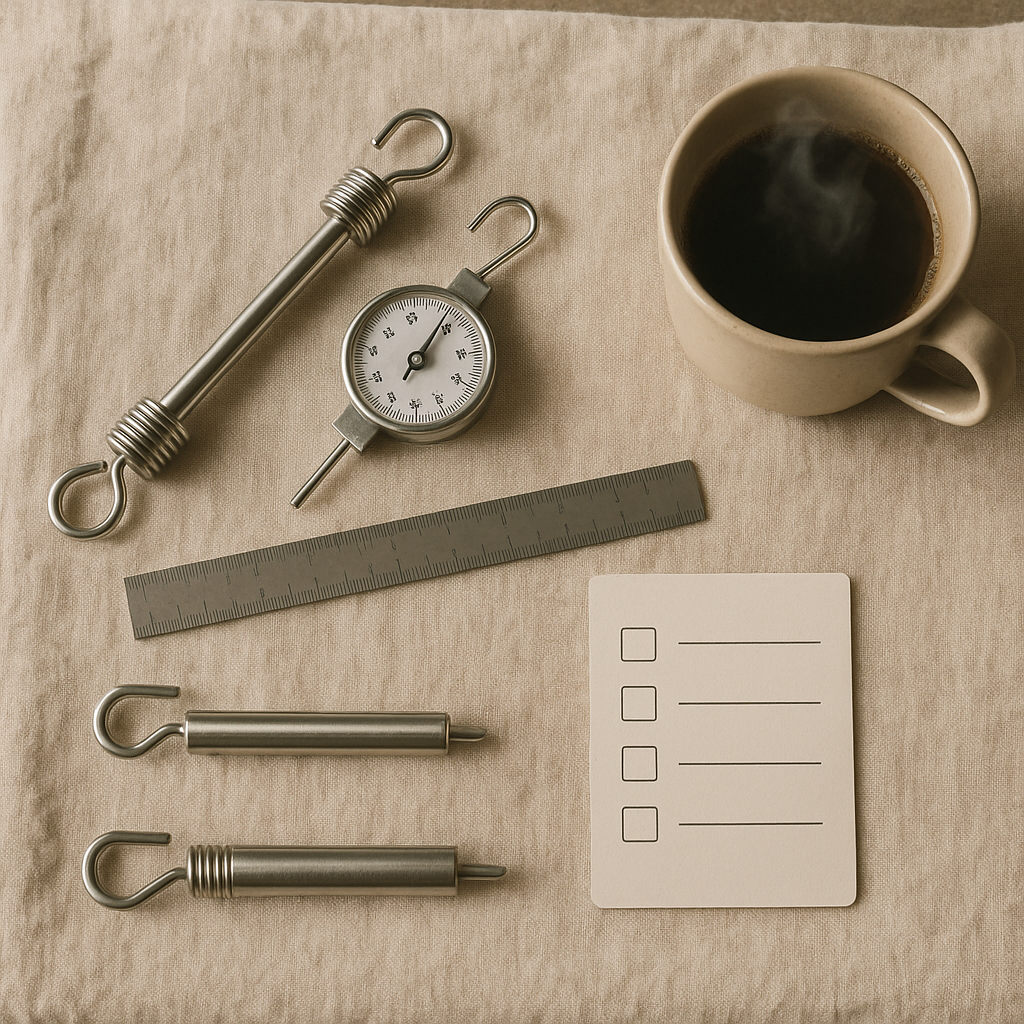
Use a signals‑first daily penis extender checklist: scan A.M. readiness (morning wood, skin temp, tissue feel); prep gear (straps/sleeves, lube/powder, timer, hygiene); set starting tension from yesterday’s EQ/minutes; warm‑in 4 minutes (perfusion, tug‑back, relaxed breathing); repeat 90‑second audits (color, sensation, refill, interface marks) to decide pause/refit/progress/stop; adjust for arousal/ejaculation; add light jelq only when tissues feel plump and responsive. Learn more: Calibration Check: Simple Signs Your Tension is Right. Learn more: Extender Micro‑Adjustments: Keep Tension Stable Throughout the Day. Learn more: Image Upload Test: Verify Multipart Media Works on WordPress. Learn more: Nighttime vs Morning Sex: How Timing Affects Arousal, Ejaculation Control, and Men’s Sexual Wellness. Learn more: Night Use, Workdays, or Home Sessions? Building a Realistic Penis Extender Schedule for Consistent Gains.
Table of Contents
- Overview
- Signals-First Framework: What to Watch Before and During Wear
- The Daily Checklist: Morning Scan, Gear Prep, Warm‑In, and Starting Tension
- Micro‑Audits, Decision Tree, Environment Adjustments, and Discreet Use
- Logging, Recovery, Weekly Reset, Troubleshooting, and Partner Coordination
- Conclusion
- FAQ
Overview
This practical, signals-first checklist shows you exactly what to scan before, during, and after using a penis
-comfort-daily-setup-without-pain-or-slippage/”>extender or penis stretcher. You will learn how to set your starting traction based on yesterday’s response, run fast micro-audits that prevent nerve or vascular irritation, and decide when to pause, refit, progress, or stop. It also includes gates for jelq integration, ejaculation timing, and partnered sex techniq pacing—so the routine supports overall mens sexual wellness rather than fighting it.
This piece deliberately avoids repeating attachment techniques, comfort hacks, or detailed calibration math. For those topics, see our dedicated guides on extender comfort,
, and beginner routines. Use this page as your daily operating checklist.
Safety disclaimer:
This content is educational and not medical advice. Stop immediately if you notice concerning symptoms and consult a qualified clinician.
Signals-First Framework: What to Watch Before and During Wear
Why signals beat assumptions:
Tissue tolerance shifts day to day with sleep, stress, hydration, arousal, and temperature. A signals-first approach prevents overreaching and keeps traction productive.
-
Perfusion and color:
Aim for warm, pink to lightly flushed skin. Cool, pale, or blue/gray suggests impaired blood return. Deep, persistent red that does not lighten after a quick squeeze and release is also a warning.
-
Sensation and responsiveness:
Light touch should feel normal across the shaft and glans. Tingling, pins-and-needles, or numb patches signal nerve compression—reduce traction and refit. Recheck frequently.
-
Glans refill test:
A brief squeeze should blanch then rapidly re-pink within ~2 seconds. Sluggish refill suggests excessive compression at the interface; adjust tension or the attachment.
-
Tug-back reflex:
A gentle manual tug should encounter a subtle spring-back (pelvic floor tone). Hyper-tight or absent tug-back can mean overfatigue or clenched pelvic floor; downshift tension and breathe to relax.
-
EQ drift (erection quality after sessions):
Mild, temporary reduction can be normal early on, but day-over-day declines mean your load is too high or your recovery is underpowered. Use this to set tomorrow’s starting point.
-
Interface marks:
Light, short-lived imprints are expected. Deep grooves, blistering, or broken skin are hard stops.
Green / Yellow / Red quick codes:
-
Green:
Warmth, normal sensation, fast glans refill, light marks only, stable or improving EQ.
-
Yellow:
Coolness, slower refill, mild tingling, EQ dip vs yesterday, rising arousal. Action: reduce traction, shorten block, refit, or add a break.
-
Red:
Numbness, cold or blue/purple discoloration, sharp pain, blistering, loss of control over sensation. Action: stop immediately and recover.
The Daily Checklist: Morning Scan, Gear Prep, Warm‑In, and Starting Tension
A.M. readiness scan (60–90 seconds):
-
Morning wood/EQ:
Note firmness and duration. Better than yesterday? You can likely maintain yesterday’s starting traction. Worse? Start one notch lower and shorten your first block.
-
Skin temperature:
Feel the shaft and glans. Cooler than usual? Plan extra warm-in and slightly lower initial tension.
-
Tissue feel:
Assess for residual tenderness, lymph puffiness, or sore spots. Any lingering tenderness moves you to a conservative start and shorter first block.
Consumables and gear quick-check:
-
Inspect
straps/sleeves/noose
for elasticity and edges. Retire worn parts to avoid pressure points.
-
Confirm
base ring and rods
are clean and aligned; grit and misalignment increase friction and hotspots.
-
Prep
lube or powder
depending on your interface. Use as little as needed to prevent slip without over-softening grip.
-
Set a
timer
for micro-audits (every 10–15 minutes) and for total block time.
-
Wash hands and the attachment area for friction control and hygiene.
Need proven traction gear or replacement parts?
Consider devices and accessories from the
to maintain consistent, safe traction.
Starting tension snapshot (based on yesterday):
-
If yesterday’s EQ and recovery were normal and you completed the planned minutes comfortably, match yesterday’s first notch/rod length.
-
If EQ dipped or you cut time short due to yellow signals, start 1 notch lower or 5–10% shorter and reassess after the first micro-audit.
-
If you saw red signals, rest until fully normalized, then resume at a clearly lighter setting and shorter block length.
4‑minute warm‑in protocol:
-
Apply light heat pre-wear if available (avoid overheating). Goal: comfortably warm tissue.
-
Attach and bring tension up slowly to your starting point. Breathe diaphragmatically to relax the pelvic floor—4 seconds in, 6 out.
-
Perform a quick tug-back and glans refill check. If refill is sluggish or tug-back is absent, reduce traction and refit.
-
At minute 4, confirm color, warmth, and sensation are green. If not, you’re not ready to progress.
Jelq integration gate (when to add vs when to skip):
-
Add light jelq
only if post-block tissue is warm, sensation is normal, and there is no edema. Keep strokes light and slow for 3–5 minutes to promote perfusion.
-
Skip jelq
if any numbness, discoloration, or lymph puffiness is present; prioritize recovery instead.
Micro‑Audits, Decision Tree, Environment Adjustments, and Discreet Use
The 90‑second micro‑audit (repeat every 10–15 minutes):
-
Color/warmth:
Pink and warm is good. Pale, cool, or dark—back off.
-
Sensation:
Light touch intact? Any tingling or dullness? If altered, loosen or stop.
-
Glans refill:
Blanch and re-pink within ~2 seconds. If slower, refit or reduce tension.
-
Interface marks:
Check for deep grooves. Rotate or pad as needed; persistent grooves mean you’re over-tight.
Decision tree during wear:
-
Pause:
Any yellow signal. Remove tension briefly, massage, warm, breathe, then resume lighter.
-
Refit:
If color/refill issues persist after a pause. Change strap position, sleeve size, or powder/lube amount.
-
Progress:
After two consecutive green audits with stable comfort, consider a tiny increase in traction or minutes. Make only one change at a time.
-
Stop:
Any red signal. End the session. Recover and reassess tomorrow.
Environment monitors (they shift safe traction):
-
Heat:
Hot environments can inflate tissue and reduce grip; lighten tension and audit more often.
-
Hydration and electrolytes:
Underhydration reduces perfusion; drink water and add a pinch of electrolytes if sweating.
-
Stress/caffeine:
Can clamp the pelvic floor and change tug-back. Downshift tension and extend warm-in breathing.
Multi‑block days vs one long block:
-
Multi‑block:
Safer when starting out or on high-stress days. Keep blocks shorter (e.g., 30–60 minutes) with full checks between.
-
Single longer block:
For experienced users with consistently green signals. Never skip micro-audits; insert brief off-loads.
Discreet workday use:
-
Wear breathable underwear, avoid aggressive tension while seated long periods, and stand to perform audits.
-
Set silent timers and use restroom breaks for color/refill checks.
-
Reduce traction before meetings to minimize distraction and risk.
Ejaculation timing and arousal signals:
-
High arousal increases tissue congestion and can exaggerate interface pressure. If arousal rises, reduce traction or pause to normalize.
-
If you ejaculated recently, expect transient sensitivity changes. Start lighter and shorten the next block.
-
Training libido and arousal control belongs to separate blocks; avoid chasing stimulation during traction.
Logging, Recovery, Weekly Reset, Troubleshooting, and Partner Coordination
Ramp‑down and recovery scan (post‑session):
-
Remove, gently massage, and re-warm tissue to encourage circulation.
-
Re-check sensation at multiple places on the shaft and glans.
-
Confirm marks fade within minutes; if not, decrease tomorrow’s load and improve fit.
Post‑session log (60 seconds):
Record date, minutes per block, perceived traction level, color/sensation grades, EQ that evening and next morning, any jelq performed, and ejaculation timing. This creates a clear feedback loop to set your next starting point.
Weekly reset (device and baseline):
-
Inspect your penis extender/penis stretcher: check threads, rods, base ring edges, strap/sleeve elasticity, and cleanliness.
-
Replace worn parts to prevent slippage and pressure points.
-
Re-baseline starting tension using your best EQ day from the week as the benchmark.
Troubleshooting signals—real warnings vs noise:
-
Real warnings:
Persistent numbness, cold glans, slow refill, deep pressure marks, or pain. Action: stop, recover, and relaunch at a lighter setting on another day.
-
Noise:
Temporary pinkness, brief mild tingling that resolves after a pause, or transient sensitivity after ejaculation. Action: extend warm-in and retest cautiously.
Hard-stop safety (do not push through):
Sharp pain, blistering, open skin, black/blue discoloration, or loss of sensation. End sessions immediately and consider medical evaluation.
Partnered routine and sex techniq coordination:
Schedule traction blocks away from planned intimacy so tissues are fresh and responsive. Keep at least several hours between high-tension work and partnered sessions. If experimenting with arousal or control drills, log their timing so you can adjust traction loads accordingly.
Copy/paste daily checklist—Setup, tension, and signals on one page:
-
A.M. scan:
Morning wood/EQ, skin temp, tissue feel → set conservative or standard start.
-
Gear prep:
Inspect strap/sleeve, rods, base ring; hygiene; lube/powder; timer ready.
-
Warm‑in (4 min):
Light heat, slow ramp to start, tug-back and refill checks, relaxed breathing.
-
Start:
Use yesterday’s green data to match; if yellow/red yesterday, drop one notch or shorten.
-
Micro‑audit q10–15 min:
Color/warmth, sensation, refill, interface marks.
-
Decision:
Green → hold or tiny progress; Yellow → pause/refit/downshift; Red → stop.
-
Environment:
Adjust for heat, hydration, stress; use more breaks when seated.
-
Jelq gate:
Only if fully green post-block; light and brief. Skip with any edema/numbness.
-
After:
Massage, re-warm, log minutes, traction notes, EQ, ejaculation timing.
-
Weekly:
Inspect device, replace worn parts, re-baseline start tension.
This checklist integrates jelq and penis extender use in a way that supports mens sexual wellness without guesswork. For deeper mechanics, consult our dedicated guides on comfort, calibration, and progressive routines.
Conclusion
A signals-first checklist keeps your penis extender or penis stretcher work productive, safe, and sustainable. By anchoring each decision to color, sensation, refill, EQ, and context signals like arousal and stress, you reduce risk while improving session quality. Keep the micro-audit cadence, log essential data, and adjust conservatively. Over time, these habits compound into better tolerance, more consistent progress, and a healthier relationship between traction work, jelq, ejaculation timing, and partnered practice.
FAQ
Q:
How can I fit the checklist into a busy day without skipping steps?
A:
Pre-pack your kit the night before and save a one-tap timer/checklist on your phone. Anchor the session to an existing routine (after shower or lunch) and keep a small hydration reminder nearby. Pre-lube or powder interfaces so setup takes under a minute.
Q:
What’s a smart way to progress week to week without overdoing tension?
A:
Change only one variable at a time—either total minutes or tension, not both. Aim for a 5–10% increase in total wear time per week while keeping tension steady, and add a lighter “deload” day every 2–3 weeks. If signals soften (slower refill, lingering marks), hold or step back for a few days.
Q:
When should I schedule sessions around workouts, heat, caffeine, or alcohol?
A:
Avoid sessions right after heavy lifting, sauna, or a hot shower; let skin cool and heart rate settle first. Hydrate before wearing, and know caffeine can mask tightness and raise arousal, so keep tension conservative. Alcohol blunts feedback entirely—either skip that block or go very light and shorten it.
Q:
If a session gets cut short, should I count it or restart later?
A:
Log the minutes completed and the peak tension reached, then let circulation normalize for 5–10 minutes. You can resume later at one notch lighter and rebuild, or split the remaining time into shorter blocks. Don’t “make up” lost time with extra tension.
Q:
How can I stay consistent while traveling and keep things discreet?
A:
Pack a compact pouch with spare sleeves/straps, lube or powder, alcohol wipes, and a small towel; pre‑assemble interfaces to reduce fuss. Use shorter, more frequent blocks and prioritize signal checks because temperature, humidity, and stress change on the road. Clean and fully dry gear nightly, choose looser pants, and schedule blocks when privacy is predictable.
Related Reading
- Neutral Setup: Extender Fit That Holds Without Slipping
- Tension Ramping: How to Increase Extender Force Safely Over Weeks
- Extender Signals: When to Stop, When to Increase


Post Comment