Penis Stretcher vs Penis Extender: What’s the Difference, Safety Considerations, and How to Choose the Right Device
Overview: Why the Terms Get Mixed Up—and Why Your Choice Matters
Search for penis stretcher and you’ll see everything from elastic belt systems to rod-based devices—and plenty of marketing that treats both as identical. In reality, “penis extender” usually refers to a structured, adjustable traction device (often with spring-loaded rods and a base ring) that applies measurable force. “Penis stretcher” is a looser term that often points to belt/strap systems designed for low-profile, low-to-moderate traction across longer periods. Some brands use the words interchangeably, which confuses buyers and leads to mismatched expectations. Read: Circumcised vs Uncircumcised: Anatomy-Specific Setup for Devices, Jelq, and Ejaculation Control. Read: Myths vs Facts: Jelq, Penis Extenders, Sex Techniques, and Ejaculation. Read: Vacuum vs Strap/Noose Penis Extenders: Safety, Comfort, Results, and How to Choose (2025 Guide). Read: Best Penis Extenders 2025: Evidence‑Based Buying Guide to Types, Fit, Safety, and Realistic Results. Complete Guide to Penis Extenders, Stretchers &

Your choice matters because device architecture drives outcomes. Extenders typically provide quantifiable traction with predictable increments, which supports systematic progression and has the strongest clinical evidence—especially for curvature management and postoperative length maintenance. Stretchers (elastic or belt-based) prioritize discretion and mobility, but their tension can be harder to quantify and keep consistent. Vacuum-cap systems can be built into either category and are often favored for comfort but require careful technique to avoid blisters and edema. For more details, see Effective Penis Stretcher Techniques for Enhanced.
This guide cuts through the language problems and maps device type to real outcomes, safety, and day-to-day usability—so you can make a choice that supports mens sexual wellness goals with fewer setbacks. We’ll define terms, summarize biomechanics and evidence, outline safety principles that actually prevent injuries, and deliver a step-by-step selection plan. Finally, we’ll show how to integrate traction with jelq, sex techniq practice, and ejaculation control without overtraining.

What Each Term Really Means (and the Main Device Types)
Clear definitions remove 80% of the confusion:
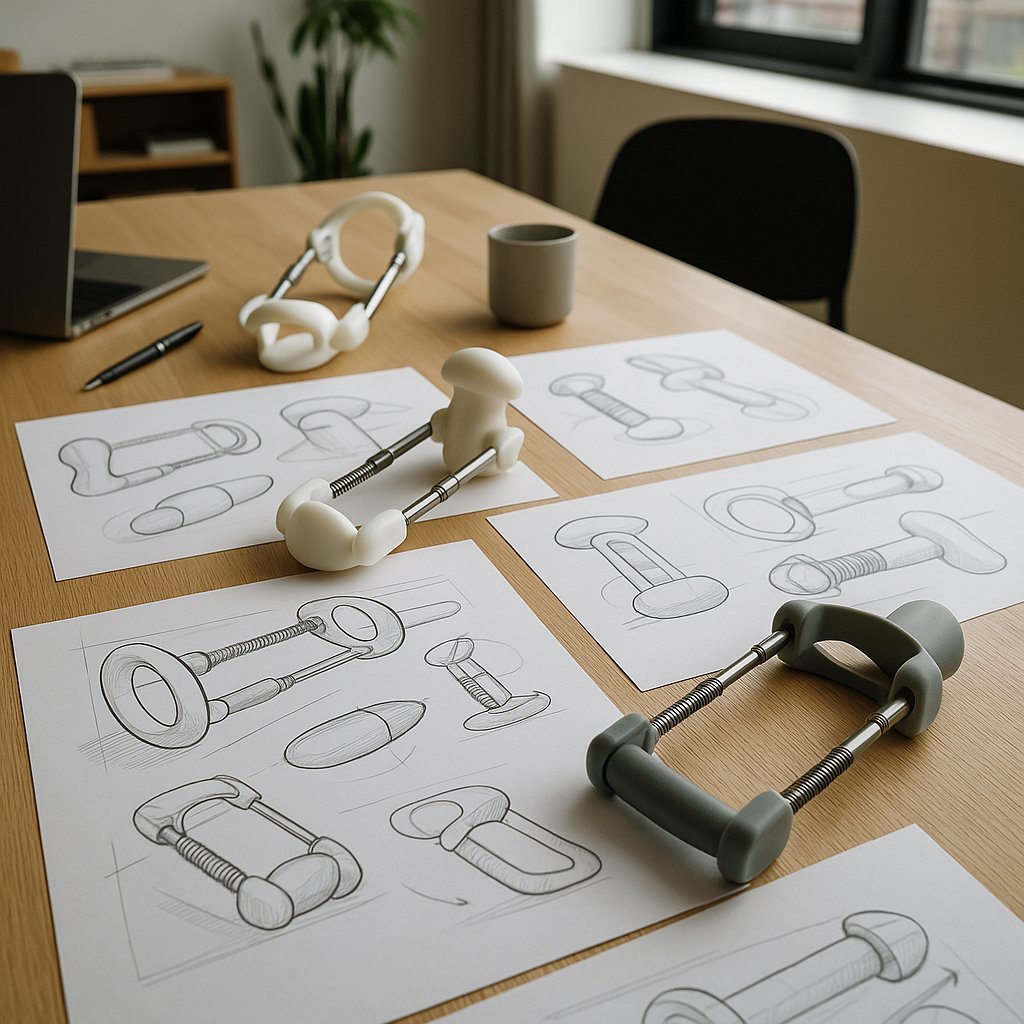
– Penis extender: A structured, adjustable traction device—commonly a base ring with two rods and a glans attachment. Tension is typically spring-loaded in measurable ranges. The value: quantifiable force, repeatable settings, progressive loading.
– Penis stretcher: A broader category that often refers to belt/strap-based devices (waist, leg, shoulder) that apply traction via elastic or fixed-length straps. Many are marketed as ADS—All-Day Stretchers—for low-profile, lower-tension wear over longer hours.
– Vacuum-cap systems: An attachment method (not a device type by itself) that uses a soft cap and negative pressure to secure the glans. This can be added to rod extenders or belt stretchers. Major comfort upgrade for many anatomies, but requires careful use to avoid blisters.
– Hanger: A weight-bearing device used for short sessions at higher loads. Not an all-day tool and not a beginner’s first choice. Popular with experienced users chasing specific length goals.
The main architectures you’ll actually choose among:
1) Rod-based extenders
– Structure: Base ring, two adjustable rods, and a glans attachment (noose/strap or vacuum cap).
– Strengths: Measurable tension and repeatable progression. Strongest research backing.
– Trade-offs: Bulky under clothing; learning curve for comfort.
2) Belt/strap stretchers (ADS)
– Structure: An anchor point (waist/leg/shoulder) connected to the glans via strap or vacuum cap.
– Strengths: Discreet, mobile, easy to wear for longer total hours at low-to-moderate tension.
– Trade-offs: Tension drifts as you move; harder to quantify force precisely; more dependent on fit.
3) Vacuum-cap platforms (applies to both above)
– Structure: Soft cap and sleeve create a seal; light vacuum holds the glans.
– Strengths: Comfort and secure grip across more anatomies (especially for smaller or uncircumcised glans). Reduces dorsal compression issues common with noose attachments.
– Trade-offs: Risk of fluid buildup or blister if vacuum is excessive, seal is poor, or sessions are too long without breaks.
4) Hangers
– Structure: Device clamps or secures the shaft for suspended weight sessions.
– Strengths: High load in short bursts for advanced users.
– Trade-offs: Greater injury risk if technique is poor; not for all-day use; minimal discretion.
Bottom line: If you want measurable, progressive traction with the clearest evidence, a rod-based penis extender leads. If you prioritize discretion and movement, a belt-style penis stretcher/ADS may be the better fit. Vacuum-cap attachments can improve comfort and broaden fit in both categories.
How Traction Creates Change—and What Evidence Actually Supports
The mechanism is simple to describe and critical to respect: sustained traction drives tissue adaptation. The tunica albuginea and surrounding connective tissues respond to consistent, controlled tension with creep (temporary elongation) and remodeling (longer-term length changes). The variables that matter most are time-under-tension, the magnitude of force, and recovery.
Key biomechanics points:
– Time beats intensity. Moderate traction sustained over more total hours typically outperforms occasional high-force sessions.
– Progressive loading works. Incrementally increasing length/tension within comfort thresholds supports adaptation without derailing recovery.
– Recovery consolidates gains. Tissues need oxygenation and time to reorganize after stress; that means micro-breaks during sessions and macro rest across the week.
What the research shows:
– Rod-based extenders have the most clinical support. In studies on curvature (Peyronie’s), postoperative length maintenance, and length improvement, structured extenders used for several hours per day over months have shown measurable gains and curvature reductions. Protocols vary, but the consistent thread is predictable, moderate traction applied for many hours across weeks and months.
– Belt/strap stretchers (ADS) are less studied but make practical sense for accumulating time-under-tension when you can’t wear a rod device. Users often report that ADS helps maintain tissue length after higher-tension work or extends daily traction hours in a more discreet way.
– Vacuum-cap attachments improve comfort for many men, particularly those who struggled with noose/strap compression. However, good technique is essential to avoid skin issues.
– Hangers have limited clinical evidence and are best considered an advanced tool. Most men will get farther faster by mastering lower-risk, measurable traction first.
Expectation management:
– Gains are measured in millimeters per month, not centimeters per week. Most documented improvements occur gradually and require consistency.
– Curvature management protocols often emphasize longer daily wear time with lower-to-moderate tension for months. Many users report improved function and appearance when they follow structured, patient routines.
Takeaway: For predictable results, favor devices that make traction measurable and progression repeatable. Extenders excel here; stretchers can supplement to build daily hours. Hangers are a niche tool for experienced users.
Safety That Actually Prevents Setbacks (and How Attachment Choices Change Risk)
Traction is only productive if blood flow, nerves, and skin integrity are maintained. The fastest way to stall progress is to ignore feedback from your body. Focus on these factors:
Circulation basics:
– Color and temperature should stay near baseline. Rapid cooling, whitening, or deep purple/blue color signals impaired flow. Remove the device, massage lightly, and reset.
– Numbness is a stop signal. Tingling can happen during compression-based attachments, but true numbness or loss of sensation means you need an immediate break.
Nerve protection:
– The dorsal nerve runs near the top of the shaft and is sensitive to narrow, high-pressure attachments.
– Noose-style attachments concentrate force and can compress nerves; they require careful placement behind the coronal ridge and conservative session length.
– Wider straps distribute pressure better and reduce localized compression.
– Vacuum caps avoid dorsal compression but introduce different risks (see below).
Skin and lymphatic management:
– Vacuum blisters occur when negative pressure is too high, the seal is uneven, or sessions run too long without breaks. Use minimal vacuum, a proper sleeve, and set a timer for breaks.
– Edema (donut effect) signals lymphatic overload. Reduce session length, tension, or vacuum and add more frequent breaks.
– Moisture matters. Excess sweat or lubricant under attachments increases slip and skin shear. Keep skin clean and dry, and use light, compatible adhesives or sleeves as directed.
Risk by device type:
– Rod-based extenders: Predictable traction but compression at the glans if using noose/strap. Opt for a wider strap, add padding, or choose a vacuum cap to reduce nerve/skin issues.
– Belt/strap stretchers: More movement means variable tension. Recheck tension regularly. Choose soft, adjustable straps and quick-release anchors.
– Vacuum-cap systems: Most comfortable for many, but respect vacuum levels and break schedules to avoid blisters and edema.
– Hangers: Higher risk and best reserved for advanced users who already have excellent tissue conditioning and technique.
When to stop and reassess:
– Persistent numbness after removal
– Ongoing pain rather than pressure discomfort
– Skin tears, open blisters, or worsening edema
– Sudden loss of erection quality unrelated to arousal context
Attachment matching tips:
– Noose: Works best for circumcised users with a pronounced ridge; keep sessions shorter; avoid high tension.
– Strap: Better pressure distribution and comfort; suits more anatomies.
– Vacuum: Best all-rounder for fit and comfort, including uncircumcised users and smaller glans; master seal technique and break timing.
Prioritize stability, blood flow, and skin integrity. These three decide whether you accumulate productive hours or stall with repeat layoffs.
How to Choose the Right Device: Anatomy, Lifestyle, Goals, and Build Quality
Choosing well is about matching device architecture to your body and daily life. Use this checklist to make a smart selection.
1) Anatomy fit
– Glans size and shape: Smaller or tapered glans often do better with vacuum caps or wider straps. A pronounced coronal ridge can work with noose/strap, but keep pressure low and sessions short.
– Circumcision status: Uncircumcised men typically get better grip and comfort with vacuum caps paired with a proper sleeve. With strap/noose attachments, retract skin consistently before fastening to avoid shear and pinching.
– Sensitivity and skin type: If you’re prone to irritation, avoid narrow nooses and start with a strap or vacuum cap. Add thin padding if needed.
– Curvature: Extenders with adjustable rod angles or variable mounting can help target curvature. For more complex curves, build hours conservatively and favor comfort.
2) Lifestyle and discretion
– Desk-based work: A rod-based penis extender can be feasible if clothing allows space. If not, use a belt-style ADS for stealth and add rod sessions at home.
– On-your-feet or active job: Belt/strap stretchers excel for mobility; recheck tension throughout the day.
– Travel: Belt systems pack light and avoid metal detectors. If you use rods, consider nonmetal components or reserve rod sessions for evenings.
3) Goals and time budget
– Length focus: Choose a rod-based extender with measurable tension for progressive loading. Supplement with ADS to accumulate hours.
– Curvature (Peyronie’s) support: Favor an extender with credible instructions for daily wear across months and options to fine-tune angle. Lower tension for longer hours is typical.
– Post-surgery maintenance: Comfort-first with precise, low traction is key. Vacuum-cap attachments often improve adherence.
– Sexual function support: Traction isn’t a direct fix for performance. Combine moderate traction with pelvic floor work, arousal regulation, and sex techniq practice for better control and confidence.
4) Build quality and serviceability
– Materials: Look for sturdy rods, secure threads, and medical-grade silicone for attachments.
– Measurement: Scales on rods and consistent incrementing hardware help you track traction and progress.
– Adjustability and spares: Extra straps, sleeves, seals, and rods extend device life and reduce downtime.
– Documentation and support: Clear setup guides, sizing help, and replacement parts availability reduce frustration and injury risk.
5) Marketing claims to ignore
– Overnight gains, extreme inches in weeks, and promises that ignore time-under-tension and recovery. Serious results require methodical, multi-month consistency.
Quick selection map:
– Need measurable, progressive traction with the best evidence: rod-based penis extender (prefer vacuum cap or wide strap).
– Need maximum discretion and mobility: belt/strap penis stretcher (ADS), ideally with a vacuum cap for grip.
– Advanced user aiming for targeted sessions: consider hangers only after mastering safer traction and recovery.
Training Integration: Jelq, Sex Technique, and Ejaculation Control Without Overtraining
Traction gains stick best when you manage arousal, circulation, and recovery across the week. Here’s how to integrate a penis extender or penis stretcher with jelq, sex techniq practice, and ejaculation control training.
Principles for combining methods:
– Separate stressors. Traction is a low-velocity, long-duration stress; jelq is a higher-pressure, shorter-duration stress. Avoid stacking heavy jelq after long, high-tension traction.
– Use low intensity on the same day. If you combine, keep one modality light. Example: moderate traction earlier; brief, gentle jelq later only if tissues feel normal (no edema, no soreness).
– Schedule recovery. At least one full rest day per week helps consolidate tissue remodeling and restores sensitivity.
Sample week structure (adapt to your device and schedule):
– 3–5 days: Traction focus. Accumulate hours with your primary device (rod-based for measurable progression; ADS to extend daily time). Insert 5–10 minute circulation breaks every 45–60 minutes.
– 1–3 days: Skill and function focus. Shorter traction or none, plus jelq technique refinement and pelvic floor training. Keep jelq controlled; stop if you see swelling or blotchy discoloration.
– Ongoing: Arousal and control practice. Edging, breath pacing, and start–stop drills develop better ejaculation control without excess strain.
Ejaculation control pairing:
– Before sex or edging: Use light pelvic floor activation (slow inhales, relax on exhale) to downshift arousal. Avoid heavy traction right before intercourse to keep sensitivity normal.
– During arousal: Use start–stop or squeeze-and-breathe resets at the point of inevitability. The goal is awareness and pacing, not brute-force clenching.
– After sessions: Gentle massage and warmth restore circulation; avoid intense jelq if you notice any edema from traction.
Signals you’re overdoing it:
– Morning erections decline for several days in a row
– Persistent tenderness, rash, or altered sensation
– You need to reduce tension drastically to tolerate sessions
Dial back volume and intensity if these occur, then rebuild slowly. Gains come from consistency and recovery, not maximal daily strain.
Putting it together:
– If time is limited, prioritize your highest-value tool (often the rod-based extender) for measurable progression, then add ADS time when you can.
– Use jelq as a technique day, not a daily compulsion; quality form beats volume.
– Keep sex techniq practice and ejaculation control drills separate from heavy traction days so arousal, sensitivity, and performance stay consistent.
This approach supports mens sexual wellness comprehensively: tissue change from traction, blood-flow and technique benefits from smart jelq, and performance gains from skill practice and pacing.
Conclusion: Match Device to Your Body, Your Day, and Your Purpose
“Penis stretcher” and “penis extender” often get blended together in marketing, but they serve different strengths. Extenders provide structure, measurable traction, and the clearest research support—ideal if you want progressive, trackable change and curvature management options. Stretchers (ADS) emphasize discretion and all-day comfort, perfect for accumulating time-under-tension when life won’t tolerate rods. Vacuum-cap attachments upgrade comfort and fit across both categories but require disciplined technique. Hangers are specialized tools for advanced users.
Choose by anatomy first (glans size, circumcision status, skin sensitivity), then by lifestyle (how and where you can wear), then by goals (length, curvature, postoperative support, function). Favor build quality, adjustability, and spare parts over hype. Keep safety simple and nonnegotiable: preserve blood flow, protect nerves, and keep skin intact.
Integrate your device into a wider plan—measurable traction as the backbone, ADS for added hours, careful jelq technique on light days, and arousal pacing and ejaculation control practice for performance. That combination moves the needle steadily and keeps you training instead of sidelined.
The right device is the one you’ll use consistently, comfortably, and safely. Match tool to purpose, respect time-under-tension, and make recovery part of the plan. That’s how you turn effort into durable results.



Post Comment