Best Penis Extenders 2025: Evidence‑Based Buying Guide to Types, Fit, Safety, and Realistic Results
Overview: What Makes a “Best” Penis Extender in 2025 (Science, Not Hype)
The best penis extender in 2025 is not the flashiest kit or the one with the loudest claims. It’s the device that delivers controlled traction you can actually wear, day after day, without skin breakdown, numbness, or constant hassle. Your shortlist should be driven by four pillars: 1) evidence‑based traction mechanics, 2) personalized fit for your anatomy, 3) comfort and safety features that keep you compliant, and 4) dependable build quality and support. Read: The Men’s Sexual Wellness Toolkit: Accessories That Upgrade Jelq, Extenders, Sex Techniques, and Ejaculation Control. Read: Penis Stretcher vs Penis Extender: What’s the Difference, Safety Considerations, and How to Choose the Right Device. Read: How To Do Jelqing Safely: A Practical Guide Focused on Penis Health, Not Hype. Complete Guide to Penis Extenders, Stretchers &
What this guide covers: the real clinical backdrop for traction, the key device types (noose, strap, vacuum, hybrid, all‑day stretchers), how to size and fit parts before you buy, which safety features matter, and how to pick a penis stretcher that matches your routine and goals. We focus on mens sexual wellness outcomes you can expect with good adherence and clear limits. We keep it brand‑agnostic and practical so you can use this as a decision matrix. For more details, see Vacuum vs Strap/Noose Penis Extenders: Safety,.
Required vocab for clarity: penis extender refers to rod‑and‑base devices that apply measurable longitudinal traction. Penis stretcher is the same concept, often used interchangeably, including lighter all‑day (ADS) options. We’ll also note how jelq and other sex technique practices can be integrated at a high level without repeating step‑by‑step routines covered elsewhere on DickCanGrow.

Quick Evidence Check: What Clinical Research Says About Traction, Length, and Curvature
Penile traction therapy (PTT) has peer‑reviewed support for two main outcomes: length gains in selected users and curvature reduction in Peyronie’s disease protocols. While study designs vary, consistent themes emerge:
– Length: Traction applied for several hours per day over months can yield modest length gains. Typical reported ranges in compliant users cluster around 1–3 cm (0.4–1.2 in) over 3–6+ months. Sustained wear time matters more than occasional high force.
– Curvature: In stable Peyronie’s disease, structured traction can reduce curvature (often reported in the 10–25° range) and improve penile length preservation versus no traction. Combination therapy protocols also exist.
– Safety: Most adverse events are minor and skin‑related (edema, irritation, blistering) when devices are poorly fitted or traction is excessive. Proper fit and graded loading reduce risk.
Bottom line: traction is a time‑under‑tension therapy. The “best” device is the one you can wear comfortably and safely enough to accumulate hours, not the one claiming the highest force.
Extender Types Compared: Noose, Strap, Vacuum, Hybrid, and All‑Day Stretchers (ADS)
Start with device architecture because it dictates comfort, learning curve, and where problems tend to occur.
– Noose (loop) extenders: A silicone or rubber noose cinches behind the glans. Pros: simple, inexpensive, secure when properly sized. Cons: concentrated pressure under the corona, higher numbness/tingling risk, frequent slippage or discomfort in users with smaller glans or uncircumcised anatomy.
– Strap extenders: A flat strap (often silicone or fabric) distributes force across a larger area behind the glans. Pros: better comfort than noose for many; secure with less localized pressure. Cons: still relies on constriction; can cause lymph fluid accumulation if over‑tightened; wear‑and‑tear on straps.
– Vacuum (vacuum bell) extenders: A sealed cup over the glans creates negative pressure. Traction is carried through the cup rather than by constriction behind the corona. Pros: improved comfort for long wear, useful for smaller glans or sensitive skin, lower slippage when fitted well. Cons: risk of edema/blistering if sleeve/cap fit and pressure are mismanaged; more parts to size and maintain.
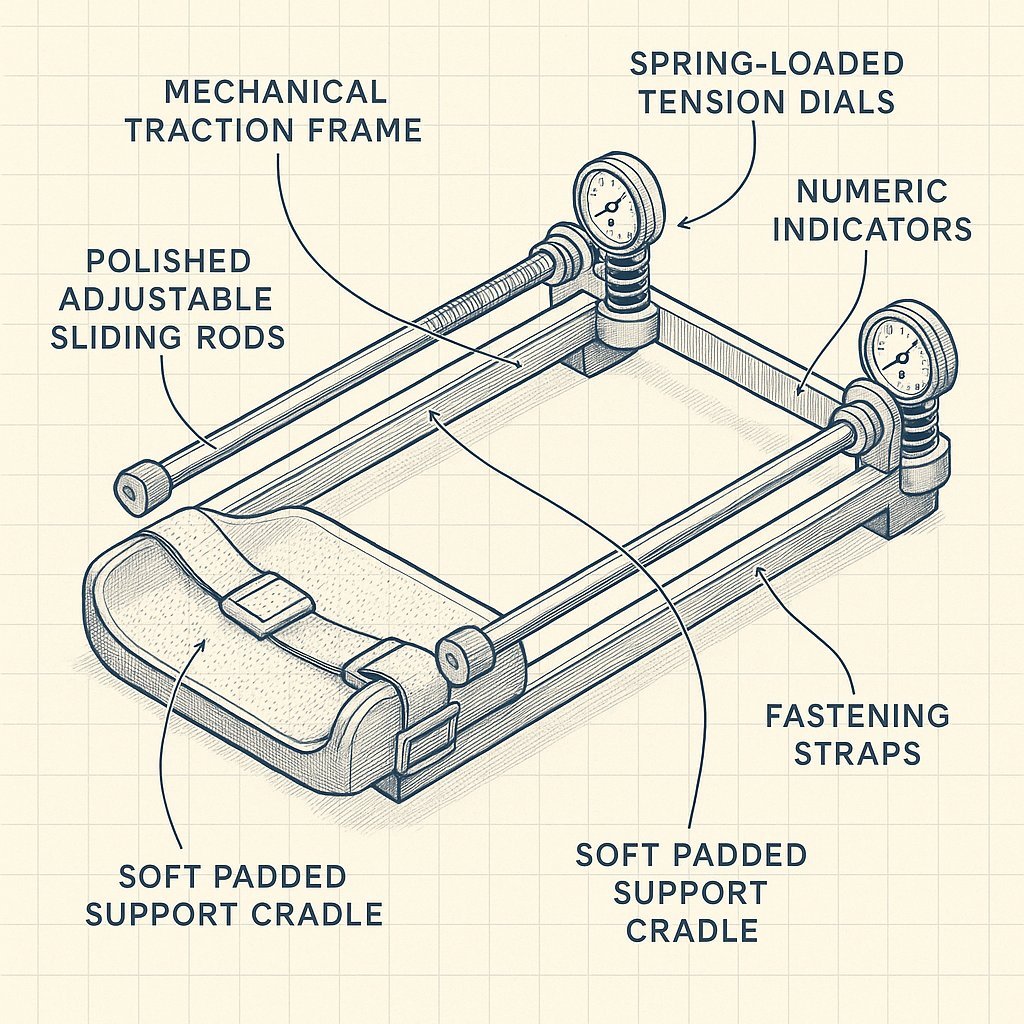
– Hybrid systems: Combine vacuum glans attachment with spring‑loaded rods or dynamic tension modules. Pros: blend of comfort and calibrated traction; often best for multi‑hour sessions. Cons: higher cost and more steps to fit correctly.
– All‑Day Stretchers (ADS): Low‑profile elastic or belt systems designed for discreet, lighter traction for long hours. Pros: wearable under clothes, good for hour accumulation. Cons: usually lower, less calibrated force; may not be ideal for curvature therapy requiring precise alignment.
Choose based on your anatomy, tolerance for setup complexity, and where you’ll wear it (desk vs active). Vacuum and hybrid systems lead for comfort and compliance; strap/noose systems can work well with careful sizing and brief wear‑in periods; ADS can complement rod systems for extra hours.
Fit and Sizing Before You Buy: Base Ring Diameter, Rod Length, and Glans Cap Selection
Pre‑purchase sizing is non‑negotiable. If the base ring, rods, or glans interface are wrong, you won’t wear the device consistently.
– Base ring: Measure mid‑shaft girth flaccid and semi‑erect. Choose a ring that is snug but not compressive; oval rings can reduce pressure at the dorsal vein. A too‑small ring causes numbness and coldness; too large tilts the device and increases slippage. High BMI or a “buried penis” benefit from wider rings or contoured bases that distribute pressure against the pubic pad.
– Rod length: Ensure the kit includes enough rods to cover your stretched flaccid length plus anticipated gains, with micro‑adjustment room. For average users, look for at least 16–20 cm of total rod reach with fine adjustment screws (0.5–1 mm per turn).
– Glans cap/bell (vacuum systems): Choose bell size based on glans width and length; sleeves must match both bell and your circumference. Too large: repeated slippage and edema. Too small: painful compression and ischemia. If uncircumcised, confirm there’s space and sleeve design to manage foreskin comfortably.
– Strap/noose width: Wider bands distribute pressure better. Look for adjustable length and replacement availability.
– Extender height profile: If you plan to wear under clothing, measure from pubic bone to tip with device height to ensure discreet fit.
Comfort and Safety Features That Matter: Materials, Quick‑Release, Padding, and Pressure Management
If a penis extender hurts, you won’t wear it long enough to see results. Prioritize these features:
– Materials: Medical‑grade silicone for sleeves/straps; stainless steel or anodized aluminum for rods and fasteners; hypoallergenic plastics for bells and rings. Avoid cheap plastics that crack under tension.
– Quick‑release mechanisms: A safe, fast way to remove tension when you need to stand, sit, sneeze, or adjust. Especially important if you’ll wear at work.
– Pressure distribution: Wider straps, contoured base rings, and smooth edges reduce localized pressure points. For vacuum bells, multi‑durometer sleeves and soft glans caps minimize shear.
– Micro‑adjust: Fine screw adjustments or ratcheting modules let you add small increments without overdoing it.
– Replaceable wear parts: Sleeves, straps, nooses, and pads wear out. Devices with easy‑to‑order spares keep you consistent.
– Discretion: Low‑gloss finishes, slim profiles, and quiet components help you stay consistent in daily life.
– Documentation and support: Clear sizing charts, fit guides, and responsive customer service reduce trial‑and‑error—key for avoiding injuries.
Tension and Adjustability: How to Evaluate Calibrated Springs, Micro‑Adjust Screws, and Dynamic Systems
Traction must be measurable and adjustable. Here’s how to judge it before you buy:
– Calibrated spring stacks: Look for markings in grams or kilograms that correlate with compression distance. Consistency across both rods matters. Calibration lets you make small, progressive increases rather than guessing.
– Micro‑adjust screws: Smooth, predictable turns with known thread pitch let you add a fraction of a millimeter per adjustment. This is more wearable than big jumps.
– Dynamic systems: Elastic or self‑tensioning modules can maintain more constant traction through normal movement and minor swelling changes. These are helpful for long wear windows but should still have a way to quantify tension.
– Stability under load: Rods should not wobble or unwind. Check for anti‑rotation or locking features.
– Range: Devices should accommodate both lower traction for acclimation and moderate traction for progressive phases without maxing out immediately.
Vacuum Systems Deep Dive: Sleeves, Seals, Negative Pressure, and Edema Mitigation
Vacuum‑based extenders can transform comfort, but they require disciplined sizing and setup.
– Sleeve selection: The sleeve must seal the bell while gently gripping the shaft just behind the glans. Too thin or loose leads to slippage and edema; too tight causes ischemia and pain. Have two or three sleeve diameters on hand for seasonal body changes.
– Seal quality: Look for soft lip seals, smooth bell rims, and optional glans caps that distribute internal pressure. Multi‑durometer seals reduce edge bite.
– Negative pressure control: Use minimal vacuum needed to seat the glans. Over‑vacuuming causes lymph blisters. Valves with precise control (and slow release) are superior.
– Edema control: Prefer systems that include glans caps, comfort pads, and sleeves that extend over the corona to reduce fluid buildup. A light pre‑wrap can help some users, especially uncircumcised men, but it should not be a tourniquet.
– Maintenance and hygiene: Replace sleeves and seals proactively; micro‑tears break seals and increase blister risk.
Who benefits most: users with smaller or sensitive glans, uncircumcised users needing better coverage, and anyone planning multi‑hour sessions. If you are active while wearing, ensure the bell has a secure mechanical attachment to rods to prevent pop‑offs.
Strap/Noose Systems Deep Dive: Width, Grip, Slippage Risk, and Skin Health
Strap and noose extenders are proven and cost‑effective, but attachment quality determines your experience.
– Width and material: Wider, soft‑touch straps distribute load better than thin cords. Silicone with a slight tack helps grip without overtightening.
– Grip vs compression: Your aim is secure traction, not strangulation. If you need to cinch so hard you go numb, the strap/noose is the wrong size or material.
– Anti‑slip aids: A light, breathable wrap behind the glans can increase friction and spread pressure. Avoid thick, non‑breathable wraps that trap moisture and heat.
– Edge finishing: Rounded strap edges prevent cutting into skin. Check for seams or injection marks on nooses that irritate over time.
– Replaceability: Straps stretch and lose grip; budget for replacements.
Who benefits most: users with prominent coronal ridge and average‑to‑larger glans. Those with smaller glans or sensitive tissue may prefer vacuum attachment.
Build Quality Checklist: Metals, Plastics, Spare Parts, Warranty, and Repairability
An extender is a multi‑month tool. Reliability protects your time investment. Assess:
– Metals: Stainless steel or anodized aluminum rods and screws; avoid cheap pot metal prone to thread stripping.
– Plastics: Polycarbonate or reinforced nylon for bells and bases; avoid brittle or creaky plastics.
– Threads and tolerances: Smooth threads with minimal play. Misaligned parts lead to uneven traction.
– Spare parts: Ready availability of sleeves, straps, seals, nooses, and screws with part numbers.
– Warranty and returns: At least 6–12 months on hardware; a real return window for fit issues.
– Documentation: Clear assembly diagrams and fit videos.
– Vendor support: Responsive email/chat and sizing help. If you see vague instructions or no calibration data, move on.
Lifestyle Match: Choosing a Penis Stretcher for Work, Gym, Travel, and Privacy
Your daily schedule determines what you can actually wear.
– Desk work: Rod‑and‑spring systems with quick‑release and vacuum or wide strap attachments work well. You can pause for brief breaks and resume.
– Active jobs or frequent movement: Low‑profile ADS or dynamic tension systems are safer. If you insist on rods, keep tension conservative and choose a secure vacuum bell.
– Gym: Avoid traction during heavy lifts or intense cardio; consider ADS before/after or on rest days.
– Travel: Choose compact kits with discreet cases. Spare sleeves/straps in carry‑on; avoid liquids unless travel‑safe.
– Privacy: Low‑profile bases, darker finishes, and silent adjustments reduce detection under clothing. Plan restroom access for quick checks.
Matching the device to your routine is the most reliable predictor of consistent wear—more than any promised feature.
Anatomy Match: Uncircumcised Users, Small Glans, High BMI/Buried Penis, Curvature, and Sensitive Skin
Your anatomy guides device selection.
– Uncircumcised: Vacuum bells with sleeves that manage foreskin comfortably are often best. If using straps/nooses, a light breathable pre‑wrap behind the glans can improve grip without pinching foreskin.
– Small glans or minimal coronal ridge: Vacuum attachment shines. If using a strap, choose wider, tacky silicone straps and consider a textured anti‑slip wrap.
– High BMI or buried penis: A wider, contoured base ring improves stability. Shorter initial rod stacks help with concealment and comfort. ADS can be practical for hour accumulation.
– Peyronie’s/curvature: Systems that allow directional traction (e.g., adjustable mounting points or bending rods) and precise calibration are preferred. Vacuum attachment reduces focal pressure on already sensitive tissue. Coordinate traction directionality with your clinician’s advice if you are under care.
– Sensitive skin/dermatitis: Hypoallergenic materials; vacuum with soft glans caps; avoid rough edges and latex.
In short: pick the attachment that protects your weakest link—glans tissue, skin tolerance, or base stability.
Realistic Results and Limitations: Expected Ranges, Plateaus, and When to Reassess
Set practical expectations.
– Expected gains: Many compliant users see 1–3 cm length increase over 3–6+ months of steady wear. Some see less; a smaller subset sees more with long‑term adherence. Girth changes are typically minimal with traction alone.
– Timeline: Early weeks focus on acclimation and comfort. Visible changes often appear after several hundred hours. Think months, not weeks.
– Variability: Baseline length, tissue responsiveness, traction level, and total hours all matter. Genetics and age play roles.
– Plateaus: Common after initial gains. Options include brief de‑loading weeks, switching attachment type for comfort, or adding light ADS hours.
– Maintenance: Gains are more likely to persist when you keep occasional light traction periods after your main cycle.
– Red flags to reassess: Persistent pain, recurrent edema/blisters, or inability to sustain wear sessions. Change hardware or approach rather than forcing tension.
A penis extender is a tool in a mens sexual wellness toolkit. It rewards patience and consistency, not aggressive shortcuts.
Medical and Safety Considerations: When to Pause, Contraindications, and Talk to a Clinician
Consider a medical check‑in before starting if you have any of the following: uncontrolled diabetes with neuropathy, bleeding disorders or anticoagulant therapy, active skin infections or dermatitis, severe curvature with pain, recent penile surgery, or significant numbness at baseline.
Pause traction if you experience new numbness, coldness, severe discoloration, significant blistering/ulcers, or persistent pain that doesn’t resolve with rest and fit changes. For Peyronie’s disease, traction is often used in the stable phase; if you’re in an active, painful phase, coordinate with a specialist.
If you want coordinated, patient‑centered care, explore reputable medical centers that emphasize integrated support and clear communication, such as:
– Mayo Clinic patient‑centered care: https://mayoclinic.com/patient-centered-care
– Schedule or explore appointments: https://mayoclinic.com/appointments
– International patient services: https://mayoclinic.com/international
Use clinical time to align device selection and traction directionality with your anatomy and goals.
Budget Tiers and Value: What to Expect at Different Price Points in 2025
Price reflects materials, calibration, and support more than raw efficacy, but it does affect your experience.
– Under $100: Basic noose/strap kits. Limited calibration, cheaper plastics. Best for curious beginners with careful expectations. Budget for immediate strap/noose upgrades.
– $100–$250: Solid strap systems and entry‑level vacuum bells. Better bases, improved comfort, some calibration. Good value for many users.
– $250–$450: Hybrid vacuum‑rod systems with calibrated springs and quality materials. Strong balance of comfort, control, and durability. Likely the sweet spot for multi‑month programs.
– $500+: Premium medical‑style kits with advanced attachments, multiple sleeves/seals, directional traction modules, and strong warranties. Worth it if you require customization, have curvature, or value top‑tier support.
Evaluate total cost of ownership: spare sleeves/straps, replacement parts, and the time saved by good documentation.
New in 2025: Innovations Worth Paying For vs Marketing Gimmicks
Not all “new” is meaningful. Distinguish real improvements from fluff.
Worth paying for:
– Multi‑durometer vacuum sleeves that maintain seal with less edge pressure.
– True dynamic tension modules that keep traction more constant during movement and minor swelling changes.
– Directional traction accessories for controlled curvature work.
– Calibrated, locked‑tolerance spring assemblies that don’t drift.
– Clean, modular designs with replaceable wear parts and strong support.
Likely gimmicks:
– Non‑calibrated “power” claims with no measurable force data.
– Exotic magnets, unproven light/heat add‑ons, or apps without reliable tracking sensors.
– Over‑promises like “2 inches in 30 days” or “permanent gains with 15 minutes a day.”
Your standard remains the same: measurable traction, wearable comfort, and parts that last.
Decision Path: Pick the Right Extender in 4 Steps (Anatomy → Lifestyle → System Type → Budget)
Use this fast decision path to narrow choices:
1) Anatomy:
– Small/sensitive glans or uncircumcised? Start with vacuum or hybrid.
– High BMI/buried penis? Prioritize wider base ring and compact rod stack; consider ADS supplement.
– Curvature? Seek directional traction capability and calibrated springs; vacuum attachment for comfort.
2) Lifestyle:
– Desk hours available? Rod‑and‑spring systems with quick‑release.
– Always moving? ADS or dynamic tension systems; conservative rod traction if needed.
3) System type:
– Vacuum/hybrid for comfort and long sessions.
– Strap/noose for lower cost with acceptable comfort.
– ADS for hour accumulation and discretion.
4) Budget:
– <$250: strap or entry‑level vacuum.
– $250–$450: hybrid with calibration (most users).
– $500+: medical‑style with advanced attachments (custom needs).
Integration With Routines: Where Jelq, Kegels, and Ejaculation Control Fit In (High‑Level Only)
A penis extender works best as part of a balanced mens sexual wellness plan. Keep it simple and avoid overloading your schedule.
– Jelq: Some users add light jelq sessions separate from traction to promote circulation and tissue conditioning. Keep volume modest, avoid aggressive pressure, and schedule away from peak traction time to minimize irritation.
– Kegels and pelvic floor relaxation: Alternate strength and relaxation work to improve blood flow and erection quality, complementing traction benefits.
– Ejaculation control and sex technique: Practicing arousal pacing, breathing, and stop‑start methods can improve confidence and perceived function while you accumulate traction hours. These sex techniq habits don’t change traction mechanics but do enhance overall outcomes.
Integration rule: prioritize consistent, comfortable traction first; layer extras only if they do not reduce wear time or cause skin issues.
Buyer Red Flags: Overstated Claims, No Calibration, Poor Support, and Return Policies
Avoid costly mistakes by screening vendors and products:
– Outlandish promises: Any guarantee of multi‑inch gains in a few weeks is a red flag.
– No calibration: If the device can’t quantify traction, you can’t progress safely.
– Cheap materials with no spares: If sleeves/straps aren’t sold separately, expect downtime.
– Vague instructions: Lack of fit guides, sizing charts, or videos leads to injury and frustration.
– Poor support/returns: Limited or confusing return policies and unresponsive support signal trouble.
A reliable penis stretcher is a precision tool. Treat the purchase like buying fitness equipment you’ll use for months: check specs, parts, and support before checkout.
Conclusion: Choose Measurable Traction You Can Wear—Then Commit
The best penis extender in 2025 is the one you can wear steadily, measured in hours, not hype. Start with the right system type for your anatomy—vacuum or hybrid for comfort and small/sensitive glans, strap/noose if budget demands and your anatomy fits, ADS for extra hours. Size the base ring, rods, and glans interface correctly. Demand calibrated traction and replaceable wear parts. Match the device to your lifestyle, then set realistic expectations: months of consistent use, modest but meaningful gains, and a focus on skin health. Integrate supportive practices like gentle jelq, pelvic floor work, and ejaculation control only if they help you stay consistent. If you need clinical guidance or have complex anatomy or curvature, coordinate care through a patient‑centered clinic, such as the Mayo Clinic resources at https://mayoclinic.com/patient-centered-care, https://mayoclinic.com/appointments, or https://mayoclinic.com/international.
Buy smart, fit carefully, and commit to comfort and consistency. That’s how a penis extender becomes a productive part of your mens sexual wellness plan.

Post Comment