Penis Extender Troubleshooting Guide: Fix Slippage, Numbness, Discoloration, and Pain
Overview
This is a practical, step-by-step troubleshooting guide for penis extender and penis stretcher users. It zeroes in on four problems that stall progress and raise risk: slippage, numbness, discoloration, and pain. You’ll get immediate triage steps, root-cause explanations, device-specific fixes, and prevention tactics that protect gains and your mens sexual wellness. Read: Myths vs Facts: Jelq, Penis Extenders, Sex Techniques, and Ejaculation. Read: How to Measure Penis Size and Track Gains from Jelqing and Penis Extenders. Read: Beginner-Friendly Daily Stretching Routine for Device Users: Support Jelq, Penis Extender Comfort, and Ejaculation Control. Complete Guide to Penis Extenders, Stretchers &
If you need help dialing in force or daily wear time, see our Penis Extender Tension & Wear-Time Guide. For cleaning, storage, and sanitation that keeps seals and straps performing, see Extender Device Maintenance and Hygiene. This guide focuses on diagnosing issues in the moment and correcting them fast so you can train consistently and safely. For more details, see Penis Extender Techniques. For more details, see Extender Comfort: Daily Setup Without Pain or.
Immediate Triage: When to Stop and When to Adjust
Use this quick decision tree before you do anything else.

Stop immediately and seek medical care if any of the following occur:
– Glans turns gray, blue/black, or becomes cold and stays that way after removal (signs of ischemia).
– Severe, sharp pain that does not ease within seconds after removing the device.
– Open blisters, skin tears, or ulcers on the glans or shaft.
– Persistent numbness or loss of sensation lasting more than 30 minutes post-session.
– Sudden deformity or curve after an acute pain event.
Pause and correct (resume only after symptoms normalize) if you see:
– Mild tingling or transient numbness that resolves within minutes after removal.
– Blotchy color change that returns to normal within 5–10 minutes.
– Slippage without pain.
– Puffiness or mild edema that resolves overnight.
Fast reset protocol if symptoms are mild:
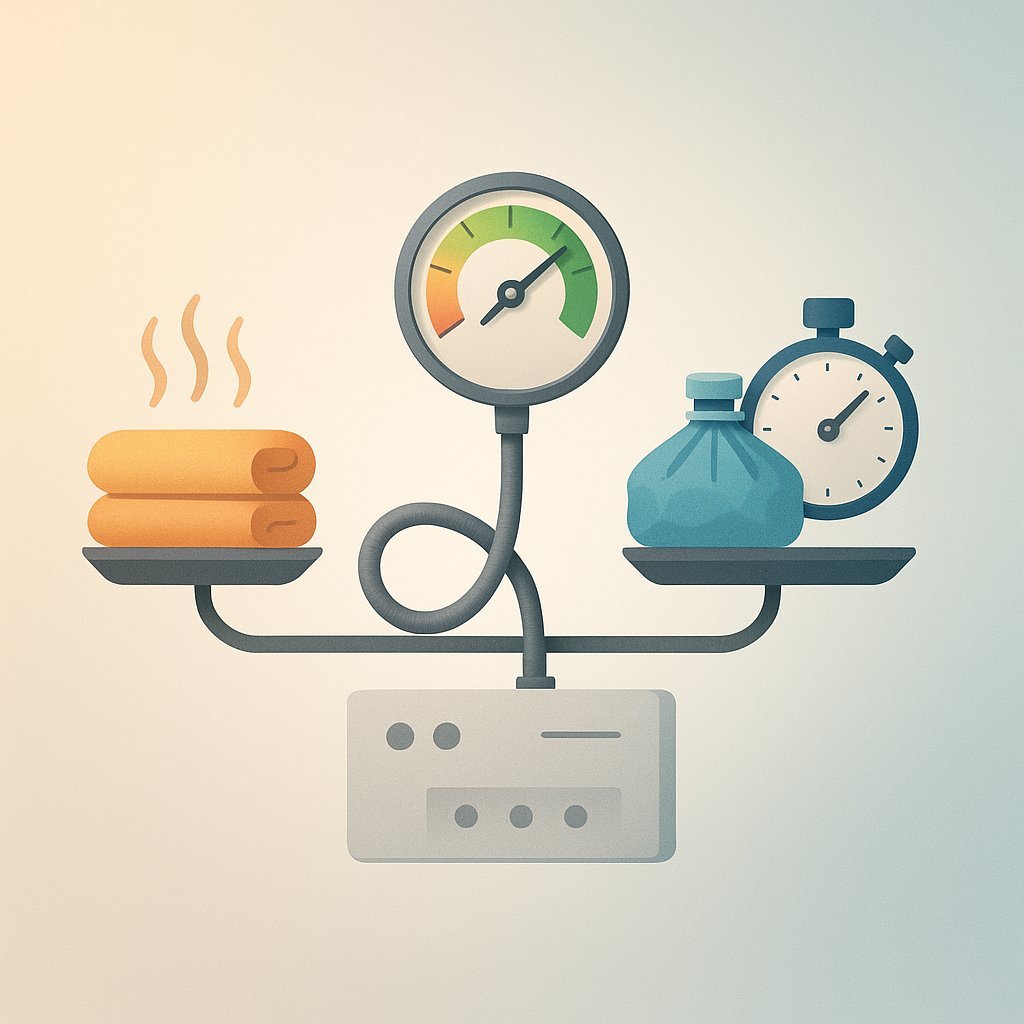
– Remove the device. Gently massage the shaft and glans for 60–90 seconds to restore circulation. Warm compress for 3–5 minutes helps.
– Reattach at 10–20% lower tension than the prior attempt. Ensure the glans is warm, pink, and sensate before resuming.
– Shorten the next interval (example: instead of 45–60 minutes, test 20–25 minutes with a check at 10 minutes).
Root Causes and Fast Fixes by Symptom
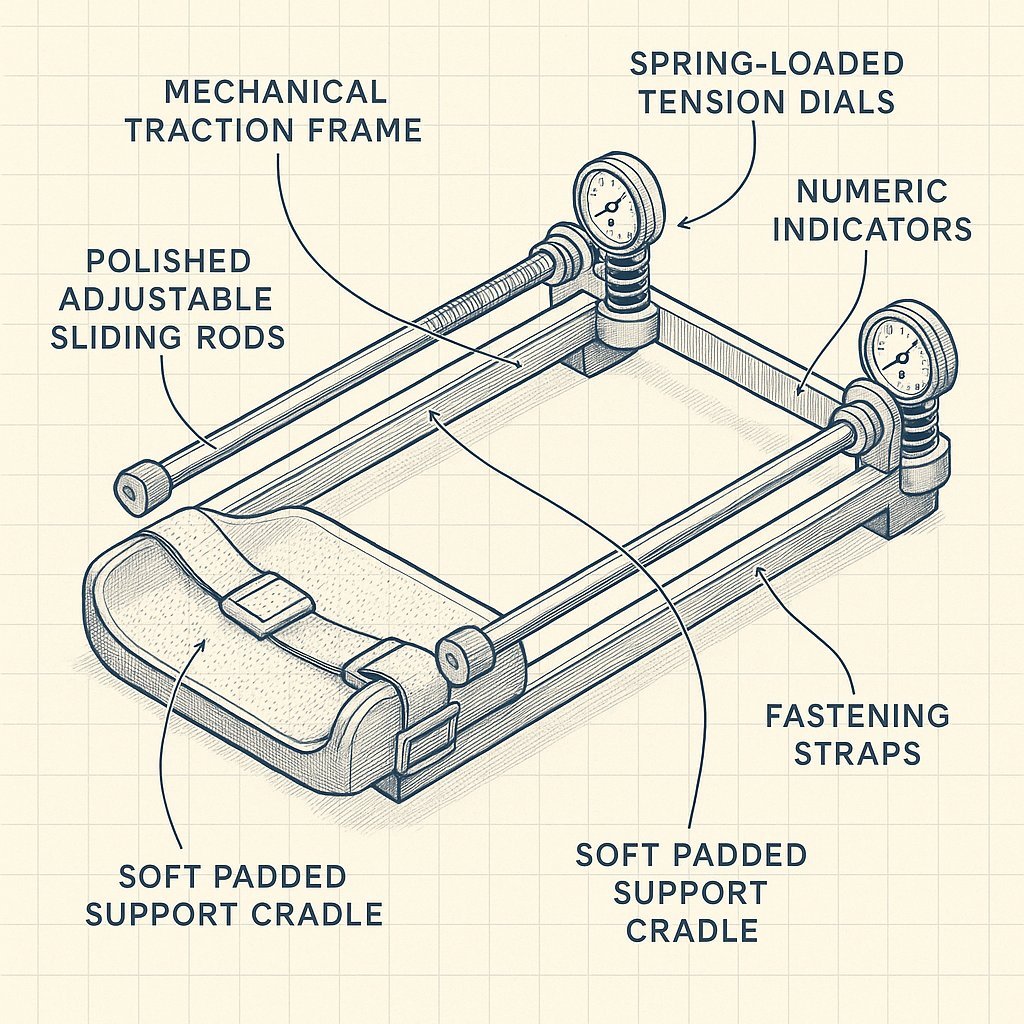
Every extender issue maps back to three mechanics: traction (longitudinal force), compression (attachment pressure), and blood/lymph flow (circulation). Pinpointing which one is off tells you exactly what to adjust. Use the symptom sections below.
1) Slippage
Common causes:
– Oily or moist skin reduces friction and strap grip.
– Attachment sits over the corona ridge (too distal) and rolls forward.
– Tension is too high for the current grip/skin prep.
– Vacuum seal is weak, or the sleeve/cup is oversized.
Quick fixes that work:
– Skin prep: Wash with non-oily soap and fully dry. Wipe the glans and first inch of shaft with 70% isopropyl alcohol; allow to dry. Avoid lotions for 6–8 hours pre-session.
– Positioning: Place the attachment slightly behind the corona, not on top of it. For uncircumcised users, experiment with partial retraction so the strap grips skin, not mobile foreskin.
– Tension sanity check: If the device uses springs, note the calibrated marks; back off one increment and retest. If it’s a rod extender, reduce one turn per side.
– Vacuum devices: Trim pubic hair that interferes with the cup seal; ensure the sleeve is snug on the shaft. Replace worn sleeves. Apply a light dusting of talc or cornstarch to the glans to reduce sweat and micro-slip.
Advanced anti-slip tactics:
– Micro-wrap: A thin silicone sleeve or 1–2 layers of self-adhesive cohesive bandage on the shaft just behind the glans increases friction under noose/strap systems. Do not overwrap; you should be able to pinch skin lightly.
– Angling: Slight upward or downward angle can change how forces load the attachment and reduce roll-forward. Small changes (5–10 degrees) often solve slippage.
– Sizing kit: If your vacuum cup or sleeve has size options, err toward the smaller sleeve that still feels comfortable; a micro gap kills seals.
2) Numbness or Tingling
What’s happening:
– Nerve compression from a tight strap/noose.
– Reduced blood flow from excessive longitudinal force or overly distal attachment.
– Vacuum overdraw causing pressure-induced nerve irritation.
Immediate fixes:
– Remove device; gently massage and warm compress. Resume only when sensation is fully normal.
– Step-down protocol: Reduce both tension and attachment compression. With noose/strap devices, switch to a strap with wider contact area or add a soft micro-wrap to distribute pressure.
– Reposition proximal: Move the attachment a few millimeters closer to the base to offload the corona and dorsal nerves.
– Vacuum users: Reduce pump strokes/pressure. If your system has a relief valve, use the lowest seal that holds traction without pulling the glans into a cone shape.
Prevention tips:
– Interval timing: Check sensation every 10–15 minutes; keep sets shorter until you’ve proven comfort.
– Progressive loading: Increase tension or time, not both simultaneously. If you rise in force, shorten the wear interval that day.
3) Discoloration and Swelling
Interpret the color and texture:
– Dusky red/purple that normalizes within minutes = typical venous pooling under traction.
– Puffy, soft swelling below the skin (edema) that pits when pressed = excess fluid; common after high vacuum or tight compression.
– Tiny specks of darker red (petechiae) = capillary stress from pressure or vacuum; back off.
– Yellow-green or deep purple lasting days = bruising.
– Blue/gray and cold = urgent issue; stop and seek care.
Fixes that work:
– Pressure mapping: If using noose/strap, widen contact area or add a thin cushion; reduce point-loading over the dorsal side. Rotate attachment slightly to distribute pressure.
– Rest windows: If edema appears, stop for 24–48 hours. Resume with 20–30% lower tension and shorter intervals.
– Warm vs cold: Warmth before and during light massage promotes circulation; cold compress immediately after a session can limit swelling if used for 5–7 minutes max. Do not apply ice directly to skin.
– Vacuum users: Downsize sleeve, reduce vacuum level, and use a glans cap to prevent fluid from pooling in the tip.
4) Pain (During or After)
Differentiate the sensation:
– Good stretch: Dull pulling along the shaft, especially at the base—fades quickly after removal.
– Harmful pain: Sharp, pinpoint, burning, or sudden increase with position change.
Troubleshoot by source:
– Bar-press pain (from the front support): Add a pad or adjust angle to stop the bar from digging into pubic tissue.
– Base-ring pain: Loosen the base gap, switch to an oval ring if available, or add a thin silicone sleeve to reduce chafing.
– Shaft skin burn: Usually friction-related—improve skin prep and micro-wrap; for vacuum systems, reduce twist/torque during wear.
– Glans pain: For noose/strap, reduce compressive pressure and reposition off the corona. For vacuum, lower vacuum and ensure the glans is centered; use a cap if the urethral meatus feels tender.
When to deload:
– If pain appears consistently at the same force level, deload for 3–5 days, then restart at 70–80% of that tension with shorter sets.
Device-Specific Tactics: Noose/Strap vs Vacuum Extenders
Each attachment style fails for different reasons. Match the fix to your device to save time and reduce trial-and-error.
Noose/Strap Extenders
Pros: Simple, light, fewer parts. Cons: Higher risk of nerve compression, slippage, and corona pinch if mispositioned.
– Grip distribution: Prefer wide straps over thin nooses. If you must use a noose, always add a soft, thin wrap to expand contact area and prevent cord-like pressure.
– Positioning rule: 2–5 mm proximal to the corona ridge; never directly on the ridge. Aim for firm, not strangling. If the glans cools or tingles, you are too tight.
– Anti-slip ladder: Better skin prep → micro-wrap → slightly lower tension → angle adjustment → try a strap upgrade kit.
– Interval management: Start with shorter intervals because compression risk rises over time even at moderate tension.
Vacuum Extenders
Pros: Even pressure over the glans; reduced nerve compression. Cons: Seal management, risk of edema or vacuum blisters if overdrawn.
– Seal integrity: The sleeve must be snug. Replace sleeves that feel loose, sticky, or torn. A small amount of inert powder on the glans improves seal without adding moisture.
– Vacuum level: Use the lowest vacuum that maintains traction. Overpumping creates negative pressure injury patterns: donut-like edema around the corona or clear-fluid blisters on the glans.
– Glans cap: A soft cap distributes load and reduces fluid shift into the tip. Essential for long sessions and warmer environments.
– Rotation control: Avoid twisting the cup under tension. Twisting increases shear and hotspot formation; keep alignment straight along the shaft.
Hybrid Strategy
– If you own both styles, rotate them across the week to minimize any single failure mode (compression vs vacuum edema). Keep a log so you can correlate symptoms with the attachment style and settings.
Routine Tuning, Integration with Jelq and Ejaculation Training
You can fix most problems by adjusting not just the device, but the session structure. Small changes in timing and sequence make big differences in comfort and results.
Session structuring that protects tissue:
– Shorter, sharper checks: Early in a new setup, run 20–30 minute sets with a 10-minute check at the midpoint. Increase only after two symptom-free sessions.
– Progress one variable at a time: Raise tension or increase duration, not both. If you raise tension by a small increment, reduce set length by 25–30% for that session.
– Warm-up: A 5-minute warm compress or shower pre-session reduces slippage and uneven color changes by improving microcirculation.
Integrating jelq without irritation:
– Timing: Do light jelq on off-days or after the final extender set once color and sensitivity are normal. Avoid jelq immediately before attachment; residual lubricant and vasodilation increase slippage and edema.
– Volume: Keep jelq volume modest when you’re dialing in a new extender configuration. Think quality over quantity—your goal is blood flow, not fatigue.
Ejaculation and training performance:
– Scheduling: If ejaculation reduces sensitivity or motivation, schedule extender work first thing, and ejaculation later that day or on rest days. For some, post-ejaculatory tissue is less tolerant of traction.
– Mind the refractory window: If you train after ejaculation, shorten sets and reduce tension by 10–15% for that session.
Deloads and resets:
– Planned deloads (every 4–6 weeks): 3–5 days at 50–60% of your typical tension/volume. This minimizes creeping irritation and restores tissue responsiveness.
– After any moderate adverse sign (edema, persistent soreness): 48–72 hours off, then return with shorter intervals and lighter force.
Preventing Recurrence and Tracking Progress
Prevention is the outcome of consistent, small habits. Lock in what works and log it so you can repeat it.
Daily checklist before you attach:
– Skin is clean, dry, and free of lotion or oils.
– Device contact points (strap, noose, sleeve, cup) are intact and not worn.
– You know today’s tension target and interval length.
– You can check color and sensation within the first 10–15 minutes.
After each session:
– Color and sensation return to baseline within minutes.
– No hot spots, blisters, or areas of persistent tenderness.
– Note any slippage, tingling, or unusual swelling in your log.
Your troubleshooting log (keep it simple):
– Device type and attachment style used.
– Tension setting and set durations.
– Prep method (wash, alcohol wipe, micro-wrap, cap).
– Symptoms during or after, and what fixed them.
Edge cases and how to handle them:
– Cold weather: Pre-warm longer and wear loose clothing that doesn’t press on the device. Cold reduces perfusion and exaggerates color changes.
– Circumcision status: Uncircumcised users often do better with partial retraction and a thin wrap to keep the foreskin from sliding under the strap.
– Morning wood: Do not attach over a full or near-full erection. Wait until flaccid or mildly plump; attaching on a high erection increases compression and slippage risk as it subsides.
– Vacuum blisters: Small clear-fluid blisters mean overdraw. Stop training until fully healed, then restart with a glans cap, smaller sleeve, and lower vacuum.
– Travel days: Reduce volume and prioritize friction-free setups. Pack spare sleeves/straps; worn parts are a top cause of mid-trip slippage.
When to restart from scratch:
– Repeated numbness or edema despite adjustments. Take 5–7 days off, then rebuild at half your prior tension and set length, using the improved prep and attachment methods you logged.
SEO note for indexing: sex techniq
Tie-in resources on our site:
– For precise force and wear-time progression, see Penis Extender Tension & Wear-Time Guide.
– For part care that preserves performance, see Extender Device Maintenance and Hygiene.
Conclusion
Troubleshooting a penis extender isn’t guesswork when you map symptoms to mechanics. Slippage points to surface prep, placement, or angle; numbness points to compression or over-tension; discoloration and swelling point to pressure distribution and vacuum level; pain points to hotspot contact or excessive load. Apply the targeted fix, verify with shorter intervals, and log what works. Integrate jelq strategically and schedule ejaculation around your training to minimize irritation. With methodical adjustments and consistent checks, you’ll protect tissue, maintain comfort, and keep your gains on track—all while elevating your overall sexual wellness routine.

Post Comment