Maximizing Efficiency: Utilizing Project Management for Success
The Importance of Project Management
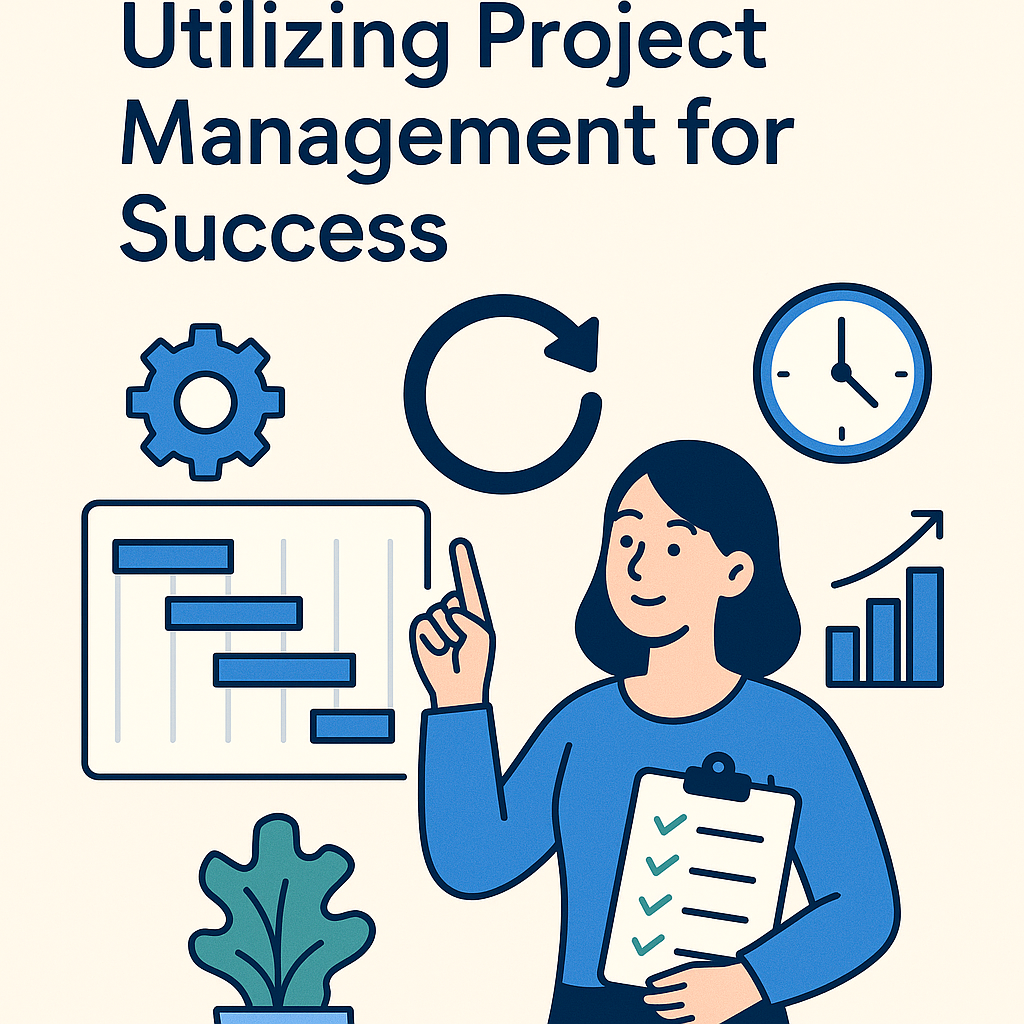
Project management is a crucial discipline that ensures projects are completed on time, within budget, and to the desired quality standards. By implementing structured project management processes, organizations can align their resources effectively, mitigate risks, and enhance communication among stakeholders. This systematic approach not only improves efficiency but also boosts team morale, as everyone understands their roles and responsibilities. In a competitive business landscape, mastering project management can be the difference between success and failure. Read: Exploring Various Software Applications: Enhancing Digital Literacy and Productivity. Read: Navigating Today’s Fast-Paced World: Strategies for Success. Read: How To Do Jelqing Safely: Essential Techniques and Best Practices.

Key Project Management Methodologies
There are several project management methodologies that organizations can adopt based on their specific needs. The most popular include Agile, Waterfall, and Scrum. Agile focuses on flexibility and iterative progress, making it ideal for projects that require rapid changes. Waterfall, on the other hand, follows a linear approach, making it suitable for projects with well-defined stages. Scrum, a subset of Agile, emphasizes teamwork and accountability, ensuring that project goals are met efficiently. Choosing the right methodology is vital for optimizing project outcomes and enhancing team collaboration. For more details, see Mastering Time Blocking: A Comprehensive Guide to.
Essential Project Management Tools
Utilizing the right project management tools can significantly enhance productivity and streamline workflows. Tools like Trello, Asana, and Microsoft Project offer features that help teams plan, track, and manage their projects effectively. These platforms provide visual dashboards, task assignments, and deadline reminders, ensuring everyone stays on the same page. Additionally, incorporating collaboration tools such as Slack or Microsoft Teams can facilitate real-time communication, further improving project execution. Investing in the right tools is essential for maximizing the benefits of project management.

Best Practices for Effective Project Management
To maximize the effectiveness of project management, organizations should adopt several best practices. First, clearly define project goals and objectives to ensure alignment among team members. Next, establish a realistic timeline and budget, allowing for flexibility to accommodate unforeseen challenges. Regularly review progress and adjust plans as necessary to stay on track. Encourage open communication within the team to foster collaboration and address issues promptly. Lastly, conduct post-project evaluations to identify lessons learned and areas for improvement, ensuring continuous growth in project management capabilities.
The Future of Project Management
As technology continues to evolve, the future of project management is likely to be shaped by advancements in artificial intelligence (AI) and automation. These innovations can streamline processes, enhance decision-making, and reduce manual workloads. Additionally, remote work trends are pushing project management to adapt, with an increasing emphasis on virtual collaboration tools. Organizations that embrace these changes and leverage technology will be better positioned to manage projects effectively in the dynamic business environment of the future.



Post Comment