Complete Guide to Penis Extenders, Stretchers & Traction Therapy
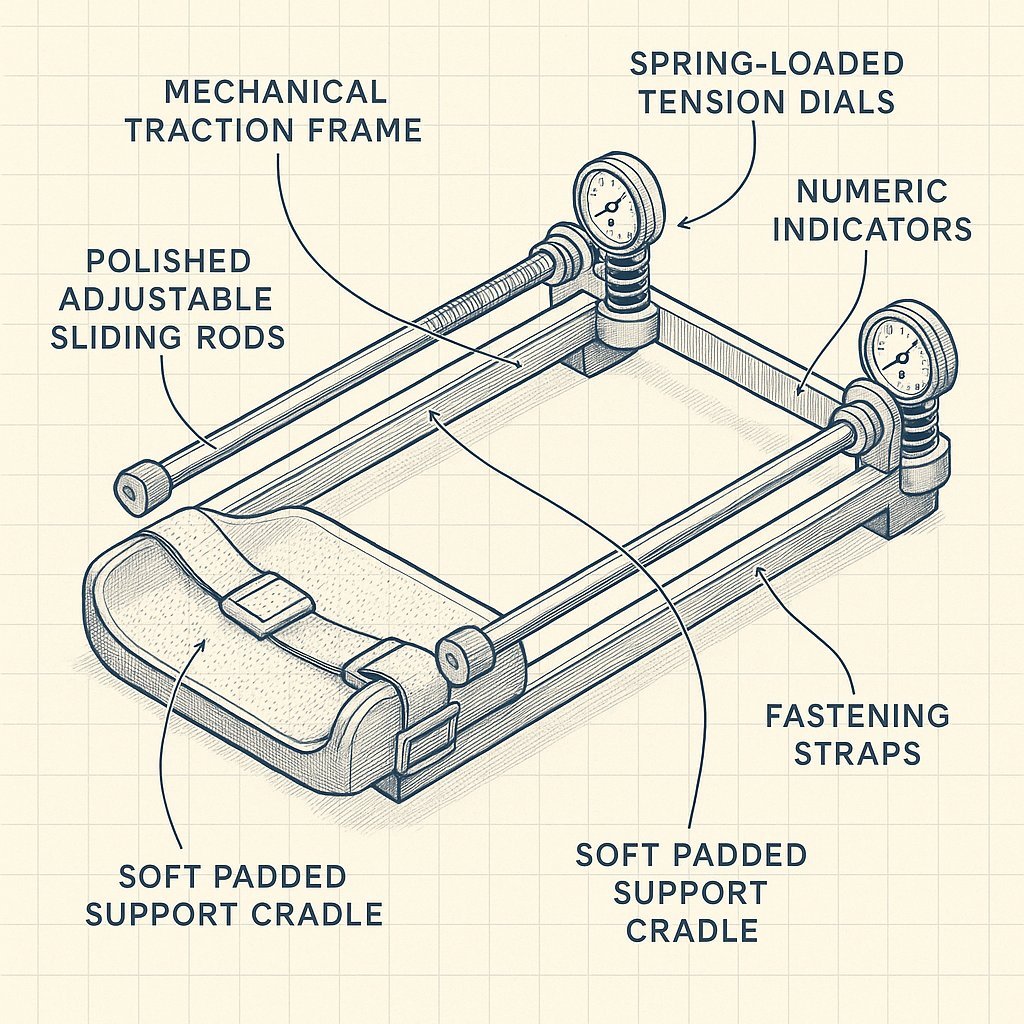
Table of Contents
- Overview: What Penis Traction Therapy Really Is (and Isn’t)
- How Penis Extenders and Stretchers Work: Traction, Tissue Remodeling, and Realistic Gains
- Extenders vs Jelq, Pumps, and Other Sex Techniq: Where Traction Fits in Mens Sexual Wellness
- Choosing a Penis Extender or Stretcher: Key Features, Types, and When to Talk to a Doctor
- Building a Sustainable Traction Routine: Practical Steps, Expectations, and Long-Term Sexual Health
- Conclusion: Using Traction Therapy Intelligently for Lasting Sexual Confidence
- FAQ
Overview: What Penis Traction Therapy Really Is (and Isn’t)
Expert Insight:
According to Men’s Health (www.menshealth.com), the only non-surgical penis enlargement method with scientific support is traction via a penis extender, which two studies (2009 and 2011) found produced average length gains in volunteers: https://www.menshealth.com/sex-women/a27010304/i-tried-penis-extender-traction/. (www.menshealth.com)
Penis traction therapy is a non-surgical method that uses a mechanical penis extenderor penis stretcherto apply steady tension along the shaft for long periods of time. Over weeks and months, that controlled tension can stimulate gradual length changes and, in some men, help reduce curvature from conditions like Peyronie’s disease.

Unlike quick-fix gimmicks, traction is closer to orthodontic braces for teeth or limb-lengthening frames for bones. You are not “pumping” blood like with a vacuum device, and you are not aggressively squeezing tissue like with jelq exercises. You are asking the tissues in the penis to remodel slowly in response to a consistent, low-to-moderate stretch.
This guide focuses on how traction works, what results are realistic, how it fits into broader mens sexual wellness (including erection and ejaculation function), and how to choose a device and routine that align with your risk tolerance and goals.
How Penis Extenders and Stretchers Work: Traction, Tissue Remodeling, and Realistic Gains
A modern penis extender or penis stretcher has three core parts: a base ring that rests against the pubic bone, adjustable rods or straps that set the length and tension, and a glans holder (strap, noose, or clamp) that anchors behind the head of the penis. When worn correctly, it keeps the penis in a gently stretched state for a set period of time.
From a tissue standpoint, traction uses two overlapping processes:
- Immediate elastic stretch: While the device is on, collagen and other elastic components in the penile tissues lengthen under tension. This is why the flaccid stretched length in the device often looks longer within days.
- Long-term remodeling (creep and growth): With repeated daily stretching, micro-level adaptation can occur. The body may reorganize collagen fibers and, over many hours of load, add new tissue to reduce internal stress at a given length. That is where more permanent gains can come from.
Clinical research on traction is still limited, but it is significantly stronger than the evidence base for manual jelq. Studies in men with Peyronie’s disease and small sample trials in men without curvature have reported average length gains in the range of roughly 0.5–1.5 inches after several months of consistent use. However, these gains usually came with demanding schedules: anywhere from 30–90 minutes per day with more advanced devices to several hours per day with classic rod-based extenders.
Two important realities that often get lost in marketing claims:
- Time under tension is the main driver: Gains correlate with how many hours you actually wear the device over weeks and months, not with extreme tension on any single day.
- Individual response varies: Some men see noticeable length changes; others see modest or minimal change despite similar routines. Genetics, age, tissue composition, and baseline size all play a role.
Compared with vacuum pumps, which mostly create temporary engorgement, traction aims for slow structural adaptation. Pumps can be useful for erectile rehab or short-term fullness, but they are not a direct substitute for the mechanical, longitudinal load a penis extender provides.
Extenders vs Jelq, Pumps, and Other Sex Techniq: Where Traction Fits in Mens Sexual Wellness
Men exploring penis enhancement are usually comparing several options at once: traction devices, jelq routines, vacuum pumps, sleeves, and other sex techniq marketed as performance boosters. Understanding how these differ helps you build a plan that respects overall mens sexual wellness rather than chasing size at any cost.
Traction vs jelq
- Jelqis a manual stroking or squeezing technique that moves blood along the shaft. It is often presented as a way to increase girth or length, but evidence for true structural change is weak, and the technique can be rough on veins, nerves, and erectile tissue if done aggressively.
- Tractionuses external hardware to generate controlled mechanical tension with minimal pressure on blood-filled structures. When applied carefully, it tends to produce fewer sudden injuries than high-force jelq, though it still carries risk if misused.
Because jelq is unregulated and often performed without guidance, it is associated with bruising, pain, numbness, and occasionally more serious vascular issues. Traction is not automatically “safe,” but it at least allows you to set repeatable, measurable levels of stretch and time under load.
Traction vs pumps and sleeves
- Pumps(vacuum devices) draw blood into the penis using negative pressure. They can temporarily increase size and may help some men with erectile function, but they do not apply the same longitudinal traction that extenders do.
- Sleeves and sheath-style “extenders”worn during intercourse are usually about sensation and cosmetic length in the moment, not permanent change. They can be useful tools for partnered pleasure but should not be confused with medical-style traction therapy.
Impact on erection quality and ejaculation
- Moderate, well-controlled traction can coexist with healthy erections and ejaculation. Many men use extenders without long-term negative effects on orgasm or sensitivity.
- Overstretching, poor glans support, or ignoring pain and numbness can threaten nerves, blood vessels, and erectile tissue, which in turn can compromise erection strength and ejaculation control.
If your goal is a better sex life, not just a different measurement, you need to judge any technique—including jelq, pumps, and extenders—by its net effect on desire, sensitivity, erection reliability, and comfort during intercourse and solo play. Size is only one element of sexual confidence.
Choosing a Penis Extender or Stretcher: Key Features, Types, and When to Talk to a Doctor
The market for penis extenders and stretchers ranges from low-cost, generic kits to medically engineered traction systems. Sorting through them is easier if you understand the main design categories and what really matters for safety and results.
Common device types
- Rod-based extenders: A rigid base ring, two adjustable rods, and a glans attachment at the end. You set a length and sometimes a tension level. These are the classic “traction frame” devices used in much of the published research.
- Strap or belt-based stretchers: A soft strap connects the glans to a belt around the waist, leg, or shoulder. Tension comes from strap length and angle. These can be more discreet under clothing but may be harder to standardize for precise traction.
- Hybrid / advanced traction systems: Newer devices integrate ratcheting tension, angle adjustment (for curvature), and carefully engineered glans grips. Many Peyronie’s-focused systems fall into this category.
What to look for
- Stable, comfortable basethat distributes pressure against the pubic area without digging into skin.
- Secure but gentle glans support, with padding or wrap options to avoid pinching, slipping, or concentrated pressure on a small area of the head.
- Fine-tuned adjustabilityin small increments, so you are not forced to jump from “too little” to “too much” stretch.
- Clear manufacturer instructionson daily wear time, tension progression, and safety checks.
When medical guidance matters
- Peyronie’s disease or significant curvature: See a urologist before starting any traction routine; devices may help but need to be matched to your pattern of curvature and pain.
- History of erectile dysfunction, numbness, or prior injury: Professional evaluation is important so you do not aggravate hidden vascular or nerve issues.
- Use after surgery or trauma: Post-operative traction can be beneficial in some settings, but timing and protocol have to be coordinated with your surgeon.
Men who are generally healthy and primarily interested in modest length gains can often self-direct with careful, conservative protocols. However, any new or worsening pain, reduced sensitivity, coldness, color changes, or difficulties with erection or ejaculation are signals to stop and consult a qualified clinician.
If you decide a traction-based penis extenderfits your goals, consider starting with a medically oriented design rather than a random budget kit. One option is to explore the official store at this specialized extender provider, where the product line is built around structured traction rather than novelty-only gadgets.
Building a Sustainable Traction Routine: Practical Steps, Expectations, and Long-Term Sexual Health
Effective traction is less about heroic single-session efforts and more about quietly accumulating safe hours over time. A sustainable routine should fit your real life, protect your sexual function, and allow space for arousal, masturbation, and partnered sex without leaving you sore or anxious.
Core building blocks of a practical routine
- Gradual onboarding: Start with low tension and short wear times (for example, 15–30 minutes once or twice a day) to let your skin, ligaments, and nerves adapt.
- Progressive time under tension: Add time in small steps—such as an extra 10–15 minutes per session per week—rather than doubling overnight. Your tissues respond to consistent loading, not dramatic spikes.
- Comfort and circulation checks: Every 10–20 minutes, quickly assess color, warmth, and sensation of the glans. If anything feels numb, cold, or sharply painful, release tension and let everything fully recover.
- Rest days and deloads: Just as with strength training, periodic lighter days or short breaks can help tissues consolidate adaptation and reduce risk of overuse issues.
Integrating traction with masturbation and intercourse
- Schedule traction at times when you are least likely to want spontaneous sex or intense masturbation—many men use morning and late-evening windows.
- Allow full recovery between stretching and high-intensity sexual activity. If the penis feels sore, numb, or unusually fatigued, postpone sex or masturbation until sensation and comfort are normal.
- Use lubrication generously during any jelq-style strokes or vigorous sex, and avoid stacking aggressive jelq on top of already intense traction; the combination can overwhelm tissues and compromise erections or ejaculation control.
Monitoring outcomes beyond size
- Track not only length measurements, but also erection quality, ease of arousal, stamina, and how pleasurable ejaculation feels over time.
- Watch for subtle red flags: reduced morning erections, lingering soreness, or new anxiety about performance. These can be early signs you are overdoing it or need to scale back.
- Remember that small, steady changes in confidence, comfort during sex, and body image often matter more to partners than dramatic changes in measured length.
When traction is approached with patience, respect for tissue limits, and honest attention to erection and ejaculation health, it can be one tool within a broader mens sexual wellness strategy. The goal is not just a longer penis; it is a body that feels strong, responsive, and trustworthy in every sexual context you care about.
Conclusion: Using Traction Therapy Intelligently for Lasting Sexual Confidence
Penis extenders and stretchers occupy a unique place in the landscape of sex techniq: they are one of the few non-surgical approaches with some clinical support for actual structural change, yet they demand time, consistency, and respect for the limits of your body. When used thoughtfully, traction can offer modest length gains and, in some men, help with curvature and self-confidence.
The trade-off is that progress is slow and dependent on careful technique. Rushing tension, skipping safety checks, or stacking intense jelq and heavy traction together increases the odds of harming the very systems—nerves, vessels, erectile tissue—that support satisfying erections and ejaculation. A healthy penis is more valuable than any additional fraction of an inch.
If you choose to experiment with a penis extender, do it as a deliberate project in mens sexual wellness: set realistic goals, prioritize function over measurement, invest in a device that allows precise, comfortable traction, and stay willing to pause or seek medical advice if your body signals distress. Done that way, traction becomes less about chasing perfection and more about building a sexual body you trust for the long term.
FAQ
Q:
Do penis extenders really increase length, or is it all hype?
A:Clinical studies suggest that medical‑grade traction devices can produce modest but measurable length gains over several months of consistent use, especially in men with conditions like Peyronie’s disease. Results vary widely, and gains are usually in the range of centimeters, not dramatic size changes.
Q:
How is traction therapy different from jelqing or manual stretching?
A:Traction therapy uses a calibrated device to apply controlled, low‑intensity tension for long periods, which is easier to standardize and measure than hand techniques. Jelqing and manual stretching rely on user technique and force, so they’re harder to control and may carry a higher risk of overdoing it.
Q:
How many hours per day should I wear a penis extender for best results?
A:Most clinical protocols use 3–8 hours per day, several days per week, over 3–6 months or more. The safest approach is to start with shorter sessions, monitor comfort, and gradually work toward the duration recommended by the manufacturer or your clinician.
Q:
Can penis extenders affect erection quality or ejaculation?
A:When used correctly and gradually, traction devices are often neutral or even slightly beneficial for erection quality in men with curvature or shortening. Problems tend to arise when tension is set too high, sessions are too long, or pain and numbness are ignored, which can irritate tissues involved in arousal and ejaculation.
Q:
What should I look for when choosing a penis extender or stretcher?
A:Prioritize devices with adjustable, low‑to‑moderate tension, good base and glans support, and materials that don’t irritate skin. A proven track record, clear instructions, and compatibility with your lifestyle (comfort under clothing, ease of cleaning, discrete storage) are more important than bold marketing claims or extreme tension ranges.

Post Comment