Jelq Safety Tips: Smarter Guardrails Before You Ever Start Pulling
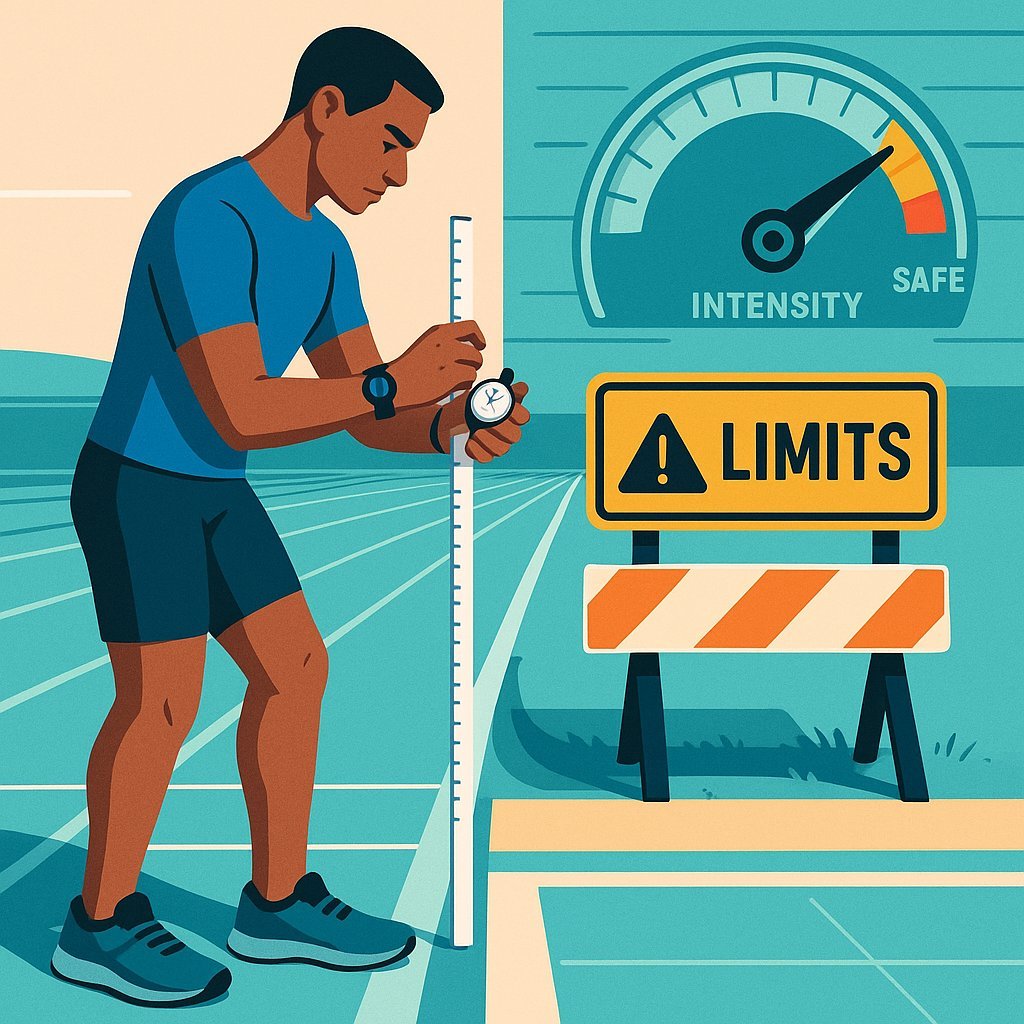
Table of Contents
- Overview: Why Guardrails Matter Before Your First Jelq
- Health Reality Check: When Jelqing Is a Bad Idea From the Start
- Psychological Guardrails: Motivation, Expectations, and Compulsive Experimenting
- Physical Guardrails: Baseline Checks, Limits, and Early Warning Signs
- Safer First Steps: Extenders, Pelvic Floor Work, and Technique Upgrades
- Conclusion: Your Safety Plan Comes Before Any Experiment
- FAQ
Overview: Why Guardrails Matter Before Your First Jelq
Expert Insight: According to Mayo Clinic, penis health goes beyond erections and reproduction, as problems such as erectile dysfunction, ejaculation disorders, and anorgasmia can signal underlying health issues and negatively impact mental health and relationships (https://www.mayoclinic.org/healthy-lifestyle/mens-health/in-depth/penis-health/art-20046175). (www.mayoclinic.org)

Jelq exercises are widely promoted as a way to increase penis size, but medical sources like WebMD and major clinics stress that benefits are unproven and risks are very real. Before you ever start “pulling,” it is smarter to build safety guardrails than to learn the hard way afterward.
Men often try jelq because of anxiety about size, performance, ejaculation control, or changes in arousal. Those concerns belong in the broader category of mens sexual wellness, not just DIY stretching. Guardrails help you:

- Screen for health issues that make jelqing higher risk.
- Avoid techniques that can damage blood vessels, nerves, or erectile tissue.
- Recognize early warning signs of harm so you can stop immediately.
- Consider safer, more evidence‑supported tools like a medical‑style penis extender or penis stretcher, pelvic-floor (Kegel) work, and practical sex techniq upgrades.
Think of this guide as a preflight checklist: if you cannot pass these steps comfortably, you should not be jelqing at all.
Health Reality Check: When Jelqing Is a Bad Idea From the Start
Before touching any jelq routine, you need an honest medical and psychological screening. Many penis and sexual health problems are made worse by aggressive manual exercises.
Conditions where jelq is usually a hard no
- Peyronie disease (curved or bent erections with pain or palpable plaques). Extra bending and squeezing can worsen scar tissue.
- History of penile fracture or significant trauma. The tunica albuginea (the tough tissue that keeps blood in the penis) is more vulnerable to re-injury.
- Recurring priapism (erections that last hours without arousal). Extra vascular stress can increase risk of further episodes or permanent damage.
- Uncontrolled diabetes, high blood pressure, or cardiovascular disease. These already weaken blood vessels and impair healing, raising the odds that jelq will injure tissue and slow recovery.
- Active infections or skin issues (balanitis, open sores, rashes, STIs, recent piercing). Friction and pressure can spread infection and cause scarring.
- Severe curvature that interferes with sex, even if undiagnosed. This may already reflect fragile or scarred tissue.
Red-flag symptoms that call for a doctor first
- Sudden changes in erection firmness or the ability to get hard.
- New pain in the shaft or glans during arousal or erection.
- Bleeding with urination or ejaculation.
- Unexplained penile lumps, plaques, or visible deformity.
- Burning urination, discharge, or sores after sex.
In these situations, self-experimenting with jelq is like lifting heavy weights on a torn tendon. Talk to a clinician who handles men’s sexual health before you even think about jelqing. Tell them exactly what you were planning to do; they have likely seen complications from similar practices and can advise on safer paths.
Psychological Guardrails: Motivation, Expectations, and Compulsive Experimenting
What drives you toward jelq matters as much as the technique itself. Many men chase jelqing because they feel broken, inadequate, or addicted to constantly “optimizing” their body and sex life. That mindset can override safety instincts.
Questions to ask yourself before you start
- Am I constantly comparing my penis to porn or social media instead of real life?
- Do I already feel anxious, depressed, or ashamed about sex or my body?
- Have I cycled through multiple risky fixes (pills, pumps, extreme masturbation) hoping for a quick solution?
- Do I find it hard to stop sexual behaviors (porn, hook-ups, edging) even when they hurt my relationships or work?
If “yes” shows up a lot, the problem may be less about centimeters and more about self-image, anxiety, or even compulsive sexual behavior. Major clinics describe hypersexuality and sex addiction as patterns where sexual behavior becomes repetitive, hard to control, and used to escape negative feelings. Adding high-risk jelqing on top of that can escalate harm.
Healthier expectation setting
- Assume no guaranteed gains. Even WebMD notes there is no solid proof that jelq creates lasting enlargement.
- Assume very real risks: bruising, nerve irritation, loss of sensitivity, painful erections, and potential contribution to curvature over time.
- See jelq, at best, as an experiment you can walk away from the moment your body protests. If you are not prepared to stop immediately when something feels wrong, you are not in a safe mindset to begin.
If distress about size, performance, or ejaculation is dominating your thoughts, consider speaking with a therapist or sex therapist before you experiment. Improving mental health and relationship skills often has a bigger and safer impact on men’s sexual wellness than any manual technique.
Physical Guardrails: Baseline Checks, Limits, and Early Warning Signs
Even if you decide to experiment later, you should set physical rules long before your first jelq. These guardrails help you know what “normal” looks like and what should make you back off.
Know your baseline first
- Erection quality: Notice how firm your typical erections are (solo and with a partner) and how long they last without strain.
- Sensation: Pay attention to where you are most sensitive (glans, shaft, frenulum) and how touch feels now.
- Ejaculation and orgasm: Note timing, force, and comfort. Premature ejaculation, delayed ejaculation, or pain with climax are important to track and discuss with a doctor before adding any penile stress.
Non-negotiable limits if you ever do jelq
- No full erection: Jelqing on a fully hard penis increases the risk of tearing blood vessels and the tunica. A semierect state is safer, but not risk-free.
- No pain: “Mild pressure” is your ceiling. Sharp, burning, or deep ache means stop immediately.
- No bending while squeezing: Combining strong grip and curvature is a recipe for micro-tears and long-term deformity.
- No marathon sessions: Long, high-repetition sessions increase cumulative trauma. If you ever experiment, limits like a few minutes with rest days are far safer than daily, high-volume routines.
- No continuation after visible damage: Bruising, purple spots, sudden swelling, or discolored patches are clear stop signals, not “normal adaptation.”
Early warning signs you are already crossing the line
- Loss of morning erections or weaker erections than your baseline.
- New curvature, especially if it is painful or getting worse.
- Numb patches, pins-and-needles, or less sensitivity at the glans or along the shaft.
- Pain with ejaculation or orgasm that was not there before.
Once these show up, the right move is to stop jelq completely and consult a urologist if symptoms persist. Hoping it will “toughen up” with more training is how temporary irritation becomes long-term damage.
Safer First Steps: Extenders, Pelvic Floor Work, and Technique Upgrades
Many men want better erection quality, stamina, or a more confident relationship with their penis, but are not actually committed to the specific risk profile of jelq. There are alternatives that align better with what we know from clinical sources.
Penis extender or penis stretcher as a structured alternative
Medical-style traction devices are designed to deliver low, controlled stretch over long periods rather than intense, poorly measured force for a few minutes. Clinical studies on such devices (often used for curvature or post-surgery rehabilitation) suggest that when used according to instructions, they may offer structural changes with fewer acute injuries than aggressive manual exercises.
If you prefer a structured, device-based approach over guesswork with your hands, consider a certified traction system. For example, you can explore options through the official store at this penis extender and stretcher provider, and discuss any device you choose with a urologist before starting.
Targeting core function with Kegel exercises
Cleveland Clinic highlights pelvic floor (Kegel) training as a tool to support erection control, ejaculation timing, and urinary function. Learning to contract and relax these muscles can help you:
- Maintain firmer erections by improving blood trapping.
- Influence the timing and force of ejaculation.
- Reduce dribbling or leakage issues after urinating.
Kegels do not change visible length, but they directly support the physiology of the sexual response cycle and are far safer than forceful jelq routines.
Upgrading sex techniq instead of chasing size alone
Major clinics note that many penis concerns are actually about how sex feels and how well partners connect, not raw dimensions. Focusing on technique and connection can improve men’s sexual wellness without risking structural harm:
- Experiment with different forms of stimulation (rhythm, pressure, and angle) that your partner enjoys.
- Learn arousal pacing skills, such as slowing down, changing positions, or using pauses to manage excitement and delay ejaculation.
- Address erection or desire changes with your partner and, if needed, a clinician, instead of relying on secret, high-risk routines.
If you still decide to explore jelq after trying safer methods, bring those same skills—awareness, pacing, and communication—to the process. You are not just training tissue; you are training how you listen to your body.
Conclusion: Your Safety Plan Comes Before Any Experiment
Jelq is marketed as a shortcut to a bigger, better penis, but the science is weak and the risk to erectile tissue, nerves, and sensation is real. Smarter guardrails start well before your first pull: honest health screening, realistic expectations, firm physical limits, and a willingness to prioritize long-term function over short-term curiosity.
If you feel driven to change something, step back and ask what you actually want: stronger erections, better ejaculation control, more pleasurable sex, or a calmer relationship with your body. Often, safer strategies like medical-grade penis extender use under guidance, pelvic floor work, professional support, and better sex techniq will move you closer to those goals with far less downside.
The bottom line: treat your penis like a one-of-a-kind organ you intend to use for life, not a project you can risk breaking for the promise of unproven gains. Any experiment, including jelq, should serve your overall mens sexual wellness—not endanger it.
FAQ
Q: What are the main risks of jelqing I should understand before trying it?
A: Jelqing can cause bruising, painful swelling, reduced sensitivity, bent erections, and erectile dysfunction, especially if done too hard or too often. Understanding these risks helps you decide if potential harms outweigh any hoped‑for benefits.
Q: How can I screen my health before deciding whether jelqing is even an option?
A: Look at your erection quality, any history of penile injury or curvature, and whether you take blood thinners or have conditions that affect blood vessels or healing. If you already struggle with erections, pain, or significant curvature, jelqing is generally a higher‑risk choice.
Q: What limits should I set if I still decide to experiment with jelqing?
A: Set strict rules on pressure (light, not painful), duration (short sessions), and frequency (plenty of rest days). Stop immediately if you notice pain, sudden loss of erection, dark discoloration, or new numbness, and don’t increase intensity just to chase faster results.
Q: How can I protect my erections and sensation if I’m worried about damage?
A: Avoid high‑force squeezing, twisting, or bending the penis, and never jelq at a full, rigid erection. Pay attention to subtle changes in sensitivity, morning erections, and firmness; these are early warning signs to pause long before serious injury develops.
Q: Are there safer alternatives to jelqing for improving sexual confidence or performance?
A: Alternatives include penis extenders with clear usage guidelines, pelvic floor (Kegel) training for better rigidity and control, and work on arousal, communication, and technique in bed. These options focus on overall sexual function and confidence rather than risky manual stretching.

Post Comment