Jelq Safety Tips: Protecting Erections, Nerves, and Sensation While You Experiment
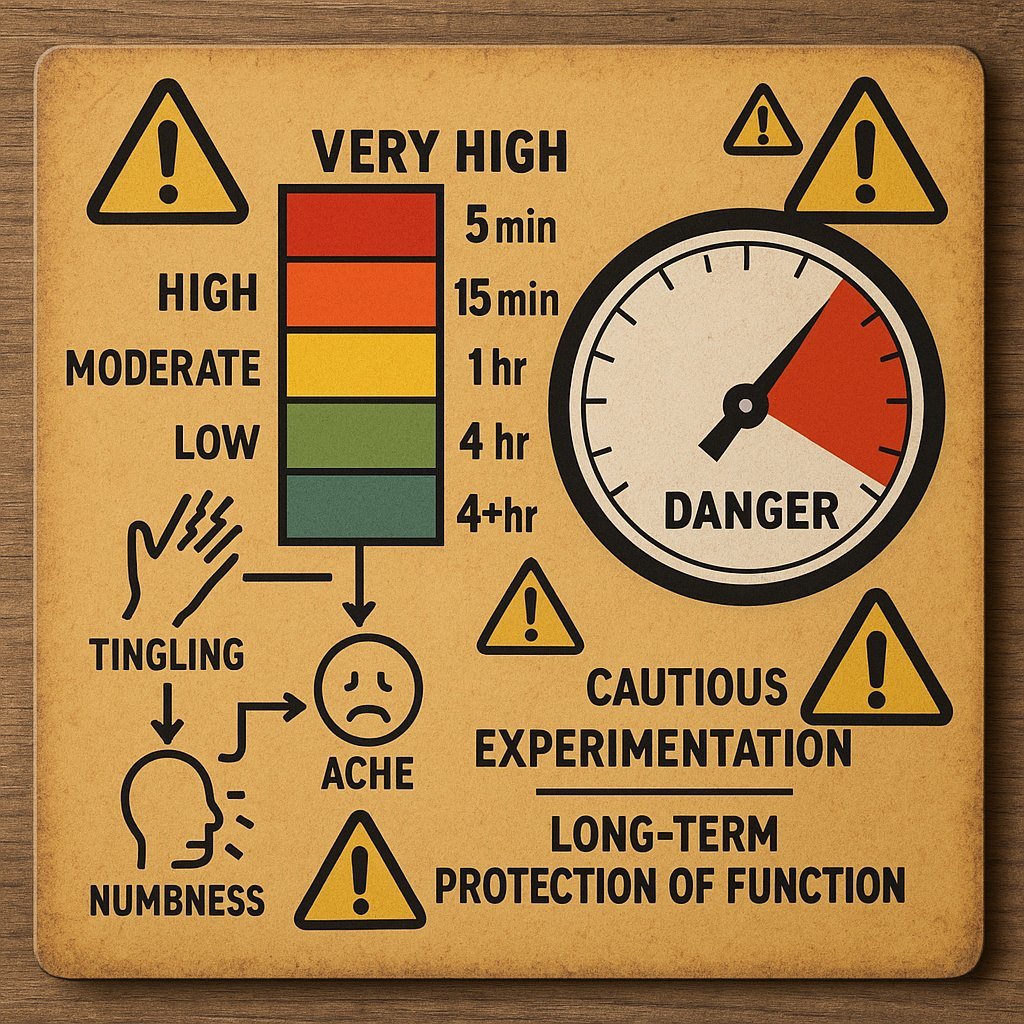
Table of Contents
- Overview: Why Jelq Safety Matters More Than Size Claims
- Understand What Jelq Does to Your Penis (and Where Injury Starts)
- Practical Jelq Safety Rules: Intensity, Duration, and Body Signals
- Protecting Erections, Sensitivity, and Ejaculation From Long‑Term Damage
- Jelq vs. Penis Extender Devices: Choosing Lower‑Risk Strategies
- Conclusion: Make Jelq Decisions That Protect Your Future Sex Life
- FAQ
Overview: Why Jelq Safety Matters More Than Size Claims
Expert Insight:

According to WebMD, jelqing is a stretching technique promoted online to enlarge the penis by pushing blood toward the tip and stretching penile tissue, but many men who try it because they feel “too small” actually have an average erect length of about 5 inches (13 cm) ([WebMD](https://www.webmd.com/men/jelqing)). (www.webmd.com)
Jelqing is promoted online as a way to make the penis longer or thicker by repeatedly “milking” blood from the base toward the head. It sits at the center of many men’s sexual wellness conversations because it targets a deeply personal insecurity: penis size and performance. But major medical sources point out that there is no solid clinical evidence that jelq permanently enlarges the penis, while there isevidence that aggressive pulling and squeezing can injure the delicate erectile tissue.

Instead of promising miracle gains, a realistic jelq safety approach focuses on three priorities: keeping erections reliable, preserving nerve sensitivity for satisfying ejaculation and orgasm, and avoiding long‑term structural damage such as scarring or curvature. Whether you’re curious, already practicing jelq, or deciding between jelqing and a penis stretcher, framing your decisions around protection — not hype — is the smartest path for men’s sexual wellness.
Understand What Jelq Does to Your Penis (and Where Injury Starts)
To use jelq as safely as possible, you need a basic map of what you’re actually pushing, pulling, and stretching. The penis is not a bicep you can train heavier every week. Most of its rigidity comes from blood filling two sponge‑like cylinders (the corpora cavernosa) and a third smaller one (the corpus spongiosum) that surrounds the urethra. These are wrapped in a tough but thin layer of tissue and skin, fed by small arteries, veins, and a dense network of nerves.
With jelqing, you usually:
- Start with a semi‑erection (often around 40–70% hard).
- Apply lubricant to reduce friction on the skin.
- Form an “OK” ring with your thumb and index finger at the base.
- Slide that ring toward the head, squeezing to push blood forward.
Each stroke temporarily raises pressure inside the erectile chambers. At mild levels, that may just feel like a stronger engorgement. At higher forces, especially when combined with a high erection level, that pressure can exceed what the small blood vessels and outer tissue layers can safely handle.
That’s where common jelq injuries begin:
- Surface damage:skin irritation, redness, or broken capillaries (small red or purple spots).
- Deeper trauma:painful swelling, dark bruises, or a sudden loss of firmness that can signal vessel injury.
- Microtears and scarring:repeated over‑stress can trigger scar tissue or plaques, potentially leading to curvature similar to Peyronie’s disease.
Because the penis contains smooth muscle, blood vessels, and delicate nerves rather than big skeletal muscles, it responds very differently to high‑intensity training. Pushing harder or longer doesn’t make it “stronger” in the same way a gym workout does; it mainly increases the chance of damage that can lower erection quality or dull sensation over time.
Practical Jelq Safety Rules: Intensity, Duration, and Body Signals
Safe jelq habits start with reducing mechanical stress and respecting early warning signs. If you choose to experiment, build your routine around these guardrails:
- Keep erections partial, not full.Jelqing when fully erect dramatically increases internal pressure and risk. Staying in the semi‑erect range helps reduce strain on blood vessels and the tunica (the outer layer of the erectile chambers).
- Use enough lubrication, every time.Dry strokes cause friction burns, skin tears, and swelling that have nothing to do with internal tissue. A slick, unscented lube or plain petroleum jelly lets your grip glide rather than drag.
- Dial back your grip.The safest pressure is firm enough to move blood forward visibly, but not so tight that the shaft turns dark purple, cold, or numb. If your fingers hurt from squeezing, you’re likely squeezing too hard for your penis as well.
- Limit total time.Many online routines recommend 20 minutes or more, but from a safety perspective, shorter sessions with lower intensity are less risky. Think in conservative ranges (for example, 5–10 minutes), especially if you’re new or you’ve recently had any soreness.
- Stop at the first sign of pain, sharp stinging, or sudden loss of firmness.Discomfort during a stroke is not something to push through. Pain, rapid loss of erection, or an uncomfortable bend developing mid‑session are reasons to stop immediately.
- Watch for lingering symptoms after sessions.Morning‑after checks matter. New bruising, persistent soreness, tingling, or a flatter, softer erection compared with your baseline are all signals to pause jelq entirely until your body fully recovers.
Prioritizing these safety steps doesn’t guarantee zero risk, but it shifts the goal from chasing quick size gains to preserving the foundations of good sexual function: solid erections, responsive nerves, and comfortable orgasm.
Protecting Erections, Sensitivity, and Ejaculation From Long‑Term Damage
Men often focus on what jelq might add in length or girth, but the real stakes are what you could lose if things go wrong: reliable erections, pleasurable sensation, and predictable ejaculation patterns. For many, those outcomes matter far more to long‑term sexual satisfaction than a small difference on a ruler.
Here are key areas to protect as you think about jelq and other sex techniques:
- Erection quality:Repeat trauma to the blood vessels and tunica can interfere with how well blood fills and stays in the penis. Over time, that may translate into weaker or shorter‑lasting erections. Any drop in your usual firmness after jelq is a red flag.
- Nerve sensitivity:The nerves responsible for pleasure and orgasm run just under the skin, especially along the underside and near the glans. Aggressive squeezing, bending, or skin trauma can cause tingling, partial numbness, or a “muted” feeling. Protecting these nerves is critical if you care about satisfying ejaculation and orgasm.
- Ejaculation timing:While jelq itself isn’t a proven treatment for premature ejaculation or delayed ejaculation, overtraining can indirectly affect both. Pain, anxiety about injury, or changes in sensation can make it harder to climax when you want to, or easier to lose arousal mid‑session with a partner.
- Curvature and scarring:Repeated microtears can trigger abnormal healing and plaque formation inside the shaft, potentially leading to curves or painful erections. Once scar tissue forms, it can be hard to reverse without medical treatment.
If you notice new erection changes, reduced sensitivity, or ejaculatory issues that don’t improve after a few weeks off jelq, that is not something to quietly ignore. Men’s sexual wellness is easier to protect when problems are addressed early. A urologist can evaluate for vascular injury, nerve irritation, Peyronie‑like scarring, or underlying hormone or circulation issues that jelq might be aggravating.
Parallel to this, it’s worth investing in sex techniq improvements that have a lower risk profile and high payoff for pleasure: experimenting with arousal pacing, learning better stimulation patterns for your frenulum and shaft, communicating clearly with partners, and building cardio fitness that supports stronger natural erections. These changes won’t stretch tissue, but they often deliver more real‑world sexual confidence than any manual enlargement routine.
Jelq vs. Penis Extender Devices: Choosing Lower‑Risk Strategies
Many men end up comparing jelq with mechanical options like a penis extender or penis stretcher. Extenders use gentle traction over long periods to stretch the penis. Clinical data suggests they may provide modest flaccid length gains (often less than 2 cm) when worn consistently for several hours daily over months. They are not magic devices, but they are at least studied more than jelqing.
From a safety angle, here’s how they differ:
- Jelq:High, short‑term pressure spikes; relies heavily on user judgment; no standardized medical protocol; higher risk of bruising, vessel damage, or scarring when misused.
- Penis extender:Lower continuous traction; typically adjustable in small increments; some medical guidance available for traction levels and wear times; risks still include skin irritation, numbness, and possible curvature changes if overused or worn incorrectly.
If you’re set on trying traction instead of or in addition to jelq, treat it like any other long‑term regimen: start at the lowest comfortable tension, monitor for changes in color, temperature, pain, or sensation, and back off at any sign of trouble. Men with existing curvature, erectile dysfunction, or significant anxiety about size should especially consider a medical consultation before starting any aggressive stretching plan.
When you want a structured, traction‑based approach instead of random DIY pulling, consider using a medically oriented penis stretcher system rather than improvised devices. For example, you can explore an evidence‑informed extender through the official PeniMaster store, and discuss any plan you build around it with a healthcare professional who understands men’s sexual wellness.
Ultimately, the safest “enlargement” strategy combines realistic expectations, cautious technique, attention to body feedback, and investments in overall health (sleep, cardiovascular fitness, stress management, and pelvic blood flow). Those factors support strong erections and satisfying sex whether or not your measurements ever change dramatically.
Conclusion: Make Jelq Decisions That Protect Your Future Sex Life
Jelqing sits in a gray zone: widely promoted online, poorly studied in clinical research, and capable of causing real harm when done too hard, too often, or on an already injured penis. The most responsible way to approach it is to treat size claims skeptically and center your decisions on what truly matters for lifelong sexual satisfaction: reliable erections, enjoyable sensation, and comfortable ejaculation and orgasm.
Understanding how jelq stresses penile tissue, setting conservative limits on intensity and duration, watching closely for warning signs, and comparing it thoughtfully with penis extender options helps you better protect your sexual future. If you’re ever unsure whether soreness, bruising, curvature, or performance changes are normal, pausing all stretching and speaking with a urologist is a far safer choice than pushing through.
Men’s sexual wellness is not defined by a single technique or device. It is the sum of your physical health, emotional state, relationship dynamics, and how respectfully you treat your body over time. Every jelq‑related decision is a chance to either support or undermine that long‑term foundation.
FAQ
Q:
How can I tell if my jelq intensity is too high?
A:Watch for sharp pain, sudden loss of erection, dark bruising, or numb spots—that’s a sign you’re overdoing it. If you see these, stop immediately, take several days off, and resume only with gentler pressure and shorter sessions if symptoms fully resolve.
Q:
What’s the safest erection level for jelqing?
A:Most guides recommend staying around 40–70% erection to reduce stress on blood vessels and nerves. Fully hard jelqing raises injury risk and doesn’t improve results, so if you can’t easily bend the shaft, you’re too erect for a safe session.
Q:
How often should I jelq to reduce the risk of injury?
A:Many men start with 2–3 sessions per week and rest days in between to see how their body responds. If your morning erections, sensitivity, and erection quality stay normal, you can very gradually increase volume while keeping at least one rest day between heavier sessions.
Q:
What are early warning signs of nerve irritation from jelqing?
A:Tingling, reduced sensitivity on parts of the shaft or glans, burning sensations, or weaker orgasms can all signal nerve irritation. When these show up, stop jelqing, avoid tight grip activities for a while, and only restart if normal sensation and function fully return.
Q:
Is a penis extender safer than jelqing for long‑term gains?
A:Extenders apply controlled, low‑force traction for set periods, which makes intensity more measurable and often easier to keep consistent than manual jelqing. Many men prefer them for long‑term routines because they reduce guesswork about pressure, but they must still be used within recommended tension and timing limits.
Related Reading
- Jelq Safety Tips: Protecting Tissue, Blood Flow, and Long‑Term Penis Health
- Jelq Safety Tips: Daily Habits, Recovery, and Smarter Gear Choices
- Jelq Safety Tips: Setting Personal Limits, Protecting Sensation, and Using Gear Strategically
- Jelq Safety Tips: Risk-Reduction Rules Before, During, and After Each Session
- Jelq Safety Tips: Safer Experimenting, Smarter Limits, and When to Switch Tactics
- Jelq Safety Tips: Protecting Erections, Curvature, and Long‑Term Penis Health

Post Comment