Beginner Extender Routine: Safer Wear‑Time and Tension for Realistic Results
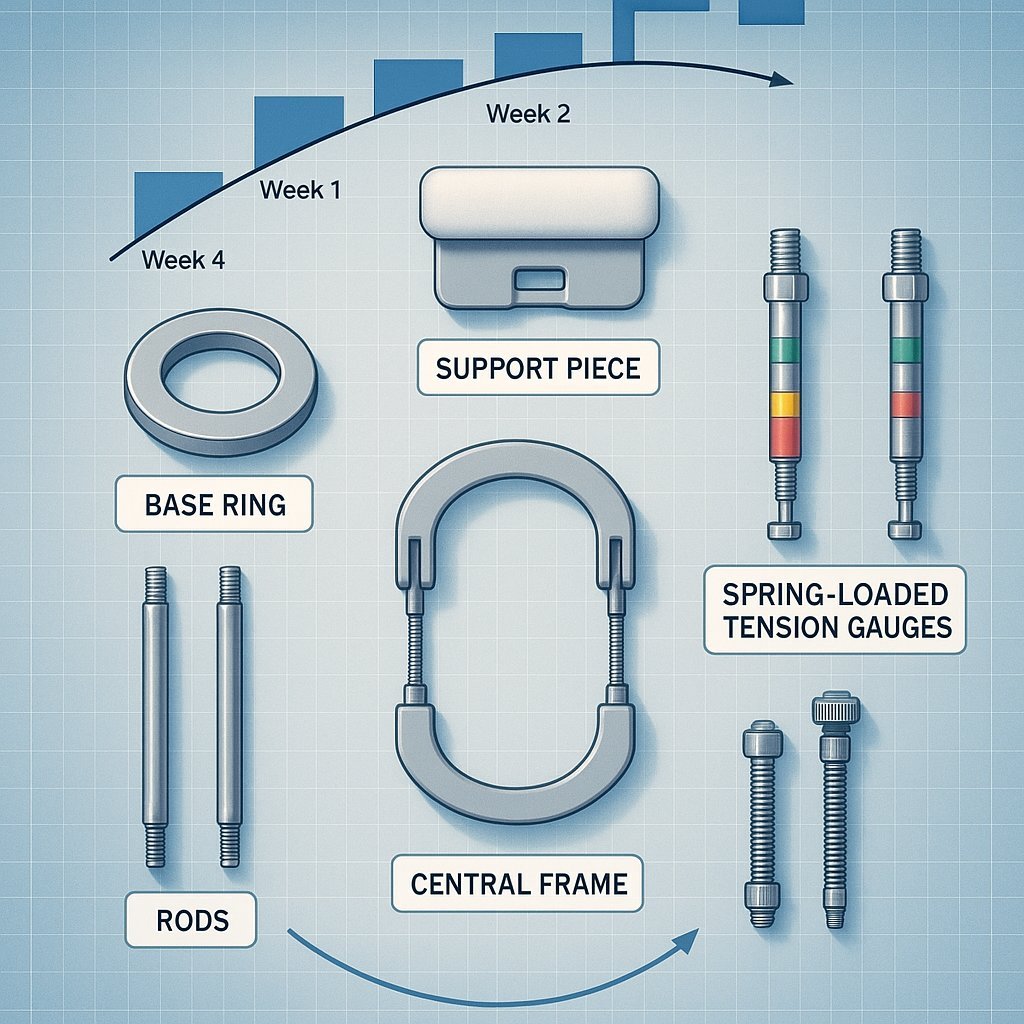
Table of Contents
- Overview: How a Beginner Should Really Approach Penis Extenders
- Extenders 101: What They Do, Limits, and Realistic Timelines
- Safety Foundations: Warm-Up, Cool-Down, and Health Screening
- Beginner Routine Week 1–2: Learning the Device and Protecting Blood Flow
- Progression Weeks 3–8: Step-by-Step Wear-Time and Tension Increases
- Safety Checks, Red Flags, and How to Respond to Problems
- Integrating Extender Use With Jelq, Ejaculation, and Sex Technique Practice
- Lifestyle Habits That Support Extender Progress and Erection Health
- Choosing and Using Devices: Practical Tips and a Structured Mindset
- FAQ: Beginner Penis Extender Routine, Tension, and Realistic Results
- Conclusion: Building a Safe, Sustainable Extender Routine
Overview: How a Beginner Should Really Approach Penis Extenders
Expert Insight: According to Cleveland Clinic (https://health.clevelandclinic.org/workout-routine), every workout session should include three parts—a warm-up, a conditioning phase, and a cool-down—with experts recommending at least a five-minute warm-up of stretching, range-of-motion work, and low-intensity activity to help your body transition from rest to exercise. (health.clevelandclinic.org)

Starting a penis extender (penis stretcher) is a lot like beginning a new workout plan: the biggest mistakes happen in the first weeks, when motivation is high and experience is low. Men often crank tension too hard, wear the device for too long, and then quit after pain, numbness, or skin irritation.
This guide focuses on a beginner-friendly, evidence-based way to use a penis extender with realistic expectations. You will learn:

- What extenders can and cannot do for men’s sexual wellness.
- How to warm up, attach, and remove your device safely.
- A step-by-step 8–12 week progression for wear-time and tension.
- Warning signs that you are overdoing it and how to adjust.
- How to combine extender use with erection health habits and sex techniq practice.
Throughout, we borrow ideas from trusted exercise science principles (like the FITT framework used in clinical fitness programs) and apply them to penis extender use: start low, progress slowly, and prioritize long-term consistency over short-term intensity.
Extenders 101: What They Do, Limits, and Realistic Timelines
A penis extender (or penis stretcher) is a mechanical traction device. It applies gentle, sustained stretch to the penis for many hours per week. Over time, tissues adapt to this low-load, long-duration stretch, similar to how orthopedic traction helps lengthen tight tendons or correct curvature.
Evidence from clinical traction studies for Peyronie’s disease and post-surgical length preservation suggests:
- Changes are gradual, often requiring months of consistent use.
- Traction works best when applied at low to moderate intensity for longer periods.
- Rushing tension increases risk of pain and injury without improving results.
For beginners, realistic expectations are critical for men’s sexual wellness:
- Timeline: Think in 3–6 month blocks, not days or weeks.
- Magnitude of change: Modest length improvements are possible for some users; nobody can promise specific numbers.
- Erection quality and confidence: Even small physical change can feel meaningful when combined with better lifestyle habits, better sex techniq, and open communication with partners.
Traction is not a substitute for medical evaluation. If you have significant curvature, pain, erectile dysfunction, or a sudden change in size, consult a qualified clinician before starting any enhancement tool.
Safety Foundations: Warm-Up, Cool-Down, and Health Screening
The Cleveland Clinic often emphasizes that a good workout has three parts: warm-up, conditioning, and cool-down. You can apply the same framework to extender sessions to reduce risk and improve comfort.
1. Health screening before you start
- If you have diabetes, blood clotting issues, Peyronie’s disease, or cardiovascular disease, speak with a healthcare professional before traction.
- If you are on blood thinners or have a bleeding disorder, be cautious: even mild pressure can cause more bruising.
- Any unexplained penile pain, deformity, or sudden loss of size should be evaluated clinically first.
2. Warm-up (5–10 minutes)
Just like muscles respond better to stretching when warm, penile tissues tolerate traction better after gentle warming.
- Use a warm (not hot) washcloth or heating pad wrapped in a towel over the groin for 5–10 minutes.
- Brief light massage of the shaft (not intense jelq) to improve blood flow.
- Avoid heat if you have reduced sensation or neuropathy; you must be able to feel temperature accurately.
3. Cool-down (5–10 minutes)
- After you remove the device, gently massage the penis and allow a normal erection to occur later in the day if possible.
- Light stretching in multiple directions with low force can help tissues relax.
- Check the skin for any color change, blisters, or persistent indentations from the extender parts.
Taking a few minutes at the beginning and end of each session keeps blood flow healthy, much like warm-up and cool-down protect your joints during resistance training.
Beginner Routine Week 1–2: Learning the Device and Protecting Blood Flow
The first two weeks are about skill, not gains. You are training your hands, skin, and nerves to tolerate the extender.
Initial fitting and setup
- Read the manufacturer’s manual fully before use.
- Practice assembling and disassembling the device without putting it on your penis.
- Experiment with padding, straps, or vacuum sleeves to find a secure but comfortable attachment.
Starting tension (intensity)
- Use the lowest practical tension setting for your model.
- Your penis should feel gently stretched, not painful or “pulled out of the body.”
- You should be able to maintain a normal color (pink or slightly darker) at the glans and shaft.
Starting wear-time (duration and frequency)
- Day 1–3: 30–45 minutes per session, 1–2 sessions per day, with at least 1–2 hours rest between sessions.
- Day 4–7: If everything feels fine, increase to 60 minutes per session, 1–2 times per day.
- Remove the device every 20–30 minutes for a 1–2 minute circulation check the first few days.
What a “good” session feels like
- Mild stretching sensation, especially near the base.
- No sharp pain, burning, or intense tingling.
- No pronounced coldness, whiteness, or bluish color in the glans.
Men often want to pile on tension and hours immediately, similar to trying to lift too heavy at the gym on day one. Following a conservative approach is more likely to support the slow, adaptive changes that traction relies on.
Progression Weeks 3–8: Step-by-Step Wear-Time and Tension Increases
Exercise specialists often recommend the FITT principle (Frequency, Intensity, Time, Type) to structure workouts. You can apply the same logic to a penis extender routine once you finish the first two weeks.
Type and basic device choice are already set. Now you adjust:
- Frequency: How many days and sessions per week.
- Intensity: Tension level on the extender.
- Time: Minutes per session and total daily wear.
Suggested progression (if no pain, numbness, or skin damage)
- Weeks 3–4
- Frequency: 5–6 days per week.
- Time: Build toward 2–3 hours total per day, split into 60–90 minute blocks.
- Intensity: Increase tension by one small step (per the device scale) once you can comfortably complete several sessions at the lower setting.
- Weeks 5–6
- Frequency: 5–6 days per week.
- Time: 3–4 hours total per day, divided into manageable blocks (for example, 2 × 90 minutes or 3 × 60 minutes).
- Intensity: Another small increase only if blood flow and comfort remain normal.
- Weeks 7–8
- Frequency: 5–7 days per week, depending on how well you recover.
- Time: Some clinical traction protocols aim for 4–6 hours daily; many men will realistically manage 3–5 hours.
- Intensity: Stay at a moderate setting. It is better to accumulate more hours at lower tension than to struggle at high tension.
Built-in deload time
- Every 3–4 weeks, take 2–3 lighter days (less time and/or slightly less tension) to give tissues recovery time.
- After illness, poor sleep, or heavy alcohol use, dial back tension and total hours for a few days; erections and tissues often respond poorly to systemic stress.
A structured progression respects how connective tissue actually adapts: small, repeated doses over time. This mirrors resistance training advice from clinical fitness programs, where beginners are encouraged to focus on consistency and gradual overload rather than extremes.
Safety Checks, Red Flags, and How to Respond to Problems
Monitoring your body is just as important as tracking wear-time. Men often avoid doctors, and surveys highlight that many will do “almost anything” to avoid medical visits. That makes self-checks even more critical when using enhancement tools.
Every session, look for:
- Color: The glans should remain pink to slightly reddish; brief darkening that resolves within minutes of removal can be normal, but persistent purple, white, or very dark color is a warning.
- Temperature: The penis should not feel significantly colder than the rest of your body.
- Sensation: Light touch should feel normal; tingling, pins-and-needles, or numb patches suggest compression of nerves or blood vessels.
- Skin integrity: Watch for blisters, cracks, abrasions, or swelling around straps and sleeves.
Red flags – stop immediately and reassess
- Sharp pain or burning anywhere on the shaft or glans.
- Numbness that lasts longer than 15–20 minutes after you remove the extender.
- Blistering or open wounds.
- Sudden change in curvature or new pain during erections.
If a minor problem occurs
- Take at least 48–72 hours off from the device.
- Resume at a lower tension and less time when symptoms resolve.
- Adjust padding, strap tightness, and glans position to reduce localized pressure.
When to seek medical help
- Erections become painful, weak, or unreliable.
- Pain or deformity worsens from week to week.
- Any signs of infection (spreading redness, heat, discharge, fever).
Your penis can reveal important information about your general health. Persistent erection problems, loss of morning erections, or major changes in appearance are reasons to consult a professional, regardless of extender use.
Integrating Extender Use With Jelq, Ejaculation, and Sex Technique Practice
Men’s sexual wellness is bigger than length alone. Tools like a penis extender can be part of a broader plan that includes circulation, arousal, and communication skills.
Jelq and manual work
- If you already use jelq techniques, keep them light and brief (for example, 5–10 minutes) on days you also use traction.
- Avoid intense, high-pressure jelq immediately before or after long extender sessions to reduce the risk of bruising and edema.
- Prioritize quality of erections and comfort over “pump” or temporary swelling.
Ejaculation and timing around sessions
- There is no solid clinical evidence that ejaculating helps or harms traction results.
- Some men feel more comfortable using the extender after ejaculation, others prefer to keep arousal lower while wearing it.
- Experiment with timing: some prefer sessions earlier in the day and sexual activity later, after tissues have rested.
Sex techniq and confidence
- Use the months you spend with the device to improve communication, foreplay skills, and arousal pacing with partners.
- Practice focusing on whole-body pleasure, not just penetration depth or minutes until ejaculation.
- If anxiety or performance pressure grows, consider talking with a sex therapist or counselor; psychological support frequently improves erectile function and satisfaction.
When extender use is nested inside a comprehensive plan for men’s sexual wellness, small physical changes are amplified by better skills, stronger erections, and more honest conversations in the bedroom.
Lifestyle Habits That Support Extender Progress and Erection Health
Penis health is tightly linked to overall cardiovascular and metabolic health. Clinics that study sexual function emphasize that what helps your heart and blood vessels usually helps erection quality, too.
Movement and structured exercise
- Follow basic fitness guidelines: regular aerobic activity (like brisk walking or cycling) several times per week and strength training for major muscle groups.
- Think in terms of warm-up, conditioning, and cool-down, as many clinical exercise programs do; this approach keeps joints and blood vessels healthier.
- Better circulation improves the blood flow your penis depends on for traction recovery and erections.
Body weight, blood pressure, and hormones
- Excess abdominal fat is linked to lower testosterone, worsened erections, and higher cardiovascular risk.
- Work with your healthcare provider to monitor blood pressure, blood sugar, and lipids; improving these can improve erectile function.
- Clinical trials suggest that appropriately supervised testosterone replacement in men with low levels may not automatically raise major cardiac event risk, but it must be handled by professionals, not self-medicated.
Sleep, alcohol, and nicotine
- Aim for consistent, high-quality sleep; testosterone and erection quality both suffer with chronic sleep debt.
- Limit heavy drinking, especially around extender sessions, because alcohol can dull pain signals and encourage overuse.
- Nicotine (smoked or vaped) narrows blood vessels and is strongly associated with erectile dysfunction; cutting back is one of the most powerful steps you can take for long-term gains and safer traction.
Using an extender while ignoring lifestyle is like stretching a muscle you never train or fuel properly. Combining traction with heart-healthy habits gives you a stronger foundation for any enhancement goal.
Choosing and Using Devices: Practical Tips and a Structured Mindset
Picking a device you can actually use
- Prioritize comfort systems (padding, glans support options) and adjustability.
- Look for clear instructions, replacement parts, and customer support.
- A moderately priced device you can wear consistently beats an advanced design that hurts too much to use.
A practical, long-term mindset
- Treat extender sessions like scheduled workouts: set specific days, times, and targets for wear-time as you would for sets and reps.
- Track your sessions in a simple log: date, total minutes, tension setting, and any notes on comfort or issues.
- Measure progress sparingly (for example, every 4–6 weeks) with the same method and conditions each time.
Affiliate note
If you decide traction fits into your plan, consider using a clinically styled extender from the official store, and then apply the conservative, step-by-step routine from this guide rather than chasing quick results.
Consistency, safety, and realistic expectations are the core drivers of long-term improvement. The device is a tool; your routine and habits determine what it can do for you.
FAQ: Beginner Penis Extender Routine, Tension, and Realistic Results
How many hours per day should a beginner use a penis extender?
For the first week, aim for 30–60 minutes per session, 1–2 sessions per day, with long breaks in between. Over several weeks, gradually work up to 3–5 hours per day if your schedule and comfort allow. Clinical traction protocols often target 4–6 hours daily, but consistency at a level you can sustain matters more than hitting a specific number.
What is a safe starting tension level on a penis stretcher?
Use the lowest or next-to-lowest tension on your device at first. The stretch should feel gentle and continuous, not painful or “ripping.” Increase tension only in small steps after you can comfortably complete multiple sessions at the current setting without numbness, severe redness, or pain.
Can I combine jelq with an extender routine?
Yes, but keep jelq light and controlled, especially on days when you log longer extender sessions. Intense jelq immediately before or after prolonged traction can increase the chance of bruising and swelling. Many men do better using low-intensity jelq for 5–10 minutes as a warm-up or on days when they are not wearing the extender as long.
Will a penis extender help with erections and ejaculation control?
The primary goal of a penis extender is length through traction, not direct control over erections or ejaculation. That said, men who pair extender use with exercise, better sleep, reduced nicotine, and practice of sex techniq like arousal pacing often report improved erection quality and confidence. For ejaculation control specifically, behavioral training and psychological strategies usually matter more than traction.
How long before I see any results from using a penis stretcher?
Expect to think in months, not weeks. Some men notice subtle changes in flaccid appearance within 6–8 weeks, but more meaningful, measurable changes—if they occur—typically show up after 3–6 months of regular use. No method can promise specific results; your genetics, consistency, and overall health all play significant roles.
What if I feel numbness or see color changes while using the extender?
Stop the session immediately. Remove the device, gently massage the penis, and allow circulation to normalize. If numbness or abnormal color lasts more than 15–20 minutes, take at least 2–3 days off and resume later with lower tension and shorter sessions. Persistent or severe symptoms, especially pain or deformity, are reasons to seek prompt medical evaluation.
Conclusion: Building a Safe, Sustainable Extender Routine
A beginner penis extender routine works best when you treat it like a structured training plan, not a shortcut. Start with low tension, short sessions, and clear safety checks. Gradually build wear-time across weeks, not days, and prioritize blood flow, skin health, and erection quality.
Combine traction with broader men’s sexual wellness habits: movement, heart-healthy nutrition, good sleep, reduced nicotine, thoughtful use of jelq, and skill-building around arousal and communication. This integrated approach gives you the best chance of experiencing realistic, sustainable improvements while protecting the organ you are trying to enhance.

Post Comment