Sexual Well-Being: What It Really Means (Beyond Just Erections and Orgasms)
Read more in our Complete Guide to Men’s Sexual Wellness.
Table of Contents
- Overview: Sexual Well‑Being as a Core Part of Health
- The Core Pillars of Sexual Well‑Being
- Sexual Well-being: What is it? (New Section on Lifelong Journey)
- Ejaculation, Pleasure and Technique: How the Body Actually Works
- Tools, Jelq and Extenders: Where Enhancement Fits in Sexual Well‑Being
- Practical Steps to Build a Healthier Sexual Life
- Conclusion: Sexual Well‑Being Is a Long‑Term Investment
- FAQ
Overview: Sexual Well‑Being as a Core Part of Health
Expert Insight: According to the Mayo Clinic (www.mayoclinic.org, updated 2023), sexual health is as important as physical, mental, and spiritual health, supporting healthy relationships, pregnancy planning, and disease prevention. It’s essential to discuss any concerns with a healthcare professional: https://www.mayoclinic.org/healthy-lifestyle/sexual-health/basics/mens-sexual-health/hlv-20049432. The article also notes that because many STIs have no symptoms, consistent use of barrier methods such as condoms and dental dams is recommended to reduce infection risk.
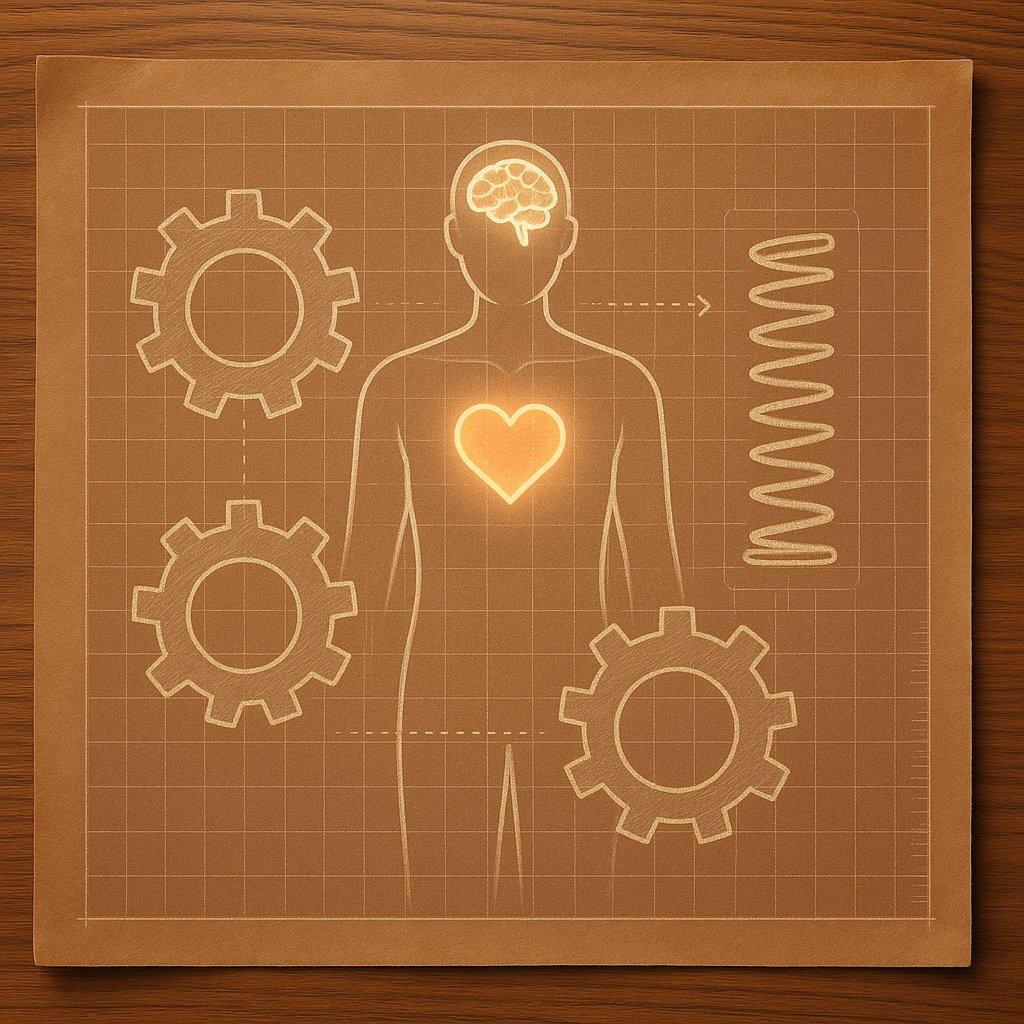
Sexual well-being: What is it? At its core, it’s a state of physical, mental, and relational health where your sex life feels safe, consensual, satisfying, and aligned with your values. Far beyond just erections and orgasms, it encompasses emotional intimacy, pleasure, and personal growth. Medical experts from organizations like the Mayo Clinic and Cleveland Clinic emphasize that sexual well-being is integral to overall health, influencing mood, sleep, confidence, and relationships. For men, while aspects like erections and penis size are often highlighted, true sexual well-being involves holistic factors such as communication, body positivity, and a realistic view of enhancement tools.

The Core Pillars of Sexual Well‑Being
Sexual well-being is easier to understand when broken into key pillars that influence each other:
- Physical health
Sexual response depends on circulation, hormones, nerve function, and general fitness. Conditions like diabetes, high blood pressure, obesity, depression, and some medications can reduce desire, erection quality, and ease of orgasm. Protecting sexual well-being includes managing chronic illnesses, staying active, not smoking, and limiting excess alcohol. Recent 2023 data from the CDC highlights the importance of regular health check-ups for sexual health. - Emotional and mental health
Anxiety, stress, past sexual experiences, and relationship conflict can shut down desire or make it harder to stay present. Performance pressure about erections, ejaculation timing, or penis size can create a cycle of worry. Counseling, stress management, and honest conversations are essential, as supported by updated mental health guidelines from the American Psychiatric Association in 2023. - Relational and communication health
Sex works best with clear expectations. Expressing what feels good, what hurts, and your boundaries is crucial for a healthy sex life, whether in long-term or new relationships. - Safety and autonomy
Consent, protection from STIs, effective pregnancy planning, and freedom from coercion are non-negotiable. Feeling safe is foundational to sexual well-being, with 2023 WHO reports stressing the role of education in preventing risks. - Body image and self-acceptance
A positive view of your body enhances sexual confidence and pleasure, going hand-in-hand with overall well-being.
Sexual Well-being: What is it? A Lifelong Journey
This new section addresses gaps in competitor content, focusing on how sexual well-being evolves over time. Sexual well-being is not a static goal but a lifelong journey involving pleasure, relationships, and personal growth. As highlighted in recent discussions by experts like T.S. Sathyanarayana Rao and Adarsh Tripathi, sexual health matters throughout life, adapting to changes in age, relationships, and health. For instance, maintaining intimacy in later years requires open communication and adapting to physical changes, ensuring that pleasure and connection remain priorities. This journey emphasizes building resilience, exploring new aspects of desire, and integrating sexual well-being into daily life for sustained satisfaction.
Ejaculation, Pleasure and Technique: How the Body Actually Works
The body’s sexual responses are complex, involving neurological and physiological processes. Ejaculation and pleasure go beyond mechanics; techniques like edging can enhance stamina, but they’re most effective when combined with emotional awareness. Updated research from 2023 sources, such as the Kinsey Institute, shows that mindfulness practices can improve sexual satisfaction by reducing performance anxiety.
Tools, Jelq and Extenders: Where Enhancement Fits in Sexual Well‑Being
Methods like jelqing, pumps, or extenders are often promoted as enhancements, but they fit into a broader wellness plan only when used safely. According to 2023 guidelines from urology experts, these should complement, not replace, focus on communication and confidence. Prioritize pleasure and function over size to avoid risks.
Practical Steps to Build a Healthier Sexual Life
To enhance sexual well-being, start with small, actionable steps: incorporate regular exercise, practice mindfulness for stress reduction, foster open communication with partners, and seek professional advice when needed. Recent studies from 2023 underscore the benefits of apps and online resources for tracking and improving sexual health.
Conclusion: Sexual Well‑Being Is a Long‑Term Investment
In conclusion, sexual well-being: what is it? It’s a multifaceted aspect of life that extends far beyond physical acts, encompassing emotional depth, relational harmony, and personal fulfillment. By prioritizing the core pillars and viewing it as a lifelong journey, you can achieve greater satisfaction and health. As competitors like PERMALINK and expert analyses emphasize, investing in sexual well-being today leads to richer relationships and overall well-being tomorrow. Remember, it’s about balance, consent, and joy—make it a priority for a fuller life.
FAQ
- What does sexual well-being actually mean?
- How is sexual well-being linked to mental and physical health?
- Is ejaculation frequency the main sign of good sexual health?
- Where do techniques like edging or improving stamina fit into sexual well-being?
- How should I think about jelqing, pumps, or penis extenders in a wellness plan?

Post Comment