Jelqing Safety Tips: Protecting Yourself While Enhancing Your Sexual Wellness
Table of Contents
- Overview: Jelqing, Hype, and Real Men27s Sexual Wellness
- Know the Structure You27re Stressing: How the Penis Actually Works
- Safer Jelq Practice: Boundaries, Technique Limits, and When to Stop
- Smarter Support for Erections and Ejaculation Control
- Penis Extenders, Stretchers, and When to Seek Medical Guidance
- Conclusion: Protect Function First, Experiment Later (If At All)
- FAQ
Overview: Jelqing, Hype, and Real Men27s Sexual Wellness
Expert Insight: According to Mayo Clinic (https://www.mayoclinic.org/healthy-lifestyle/sexual-health/in-depth/penis/art-20045363), there is little scientific support for nonsurgical penis-enlargement methods, no reputable medical body endorses cosmetic penis-enlargement surgery, and most advertised techniques either don’t work or can cause harm. They also note that an erect penis of about 5 inches (13 cm) or longer is considered a typical size. (www.mayoclinic.org)
Jelqing is often marketed as a simple way to make your penis bigger using a repetitive, milking-style motion. It shows up in forums and videos as a quick route to better confidence, better erections, and better sex. But major medical organizations do not endorse jelq routines, and there is no solid clinical research proving it works. What is well-documented is that aggressive manipulation of penile tissue can lead to bruising, scar formation, curvature, pain, and lasting changes in erection quality.
Protecting your long-term mens sexual wellness matters more than chasing fast enlargement promises. Your penis is a complex structure of blood vessels, spongy tissue, nerves, and skin. When you squeeze, bend, or stretch it beyond its limits, you are not just testing your pain tolerance; you are testing the tissue that makes erections, sensitivity, and ejaculation possible. This article focuses on practical jelqing safety tips, red-flag warning signs, and smarter alternatives such as pelvic floor training and medically reviewed options like a penis extender or penis stretcher.

If you choose to experiment anyway, you should do it with a risk-aware mindset, clear boundaries, and a willingness to stop at the first hint of damage. Enhancing sexual wellness is not about punishing your body; it is about protecting function, pleasure, and confidence over decades, not days.
Know the Structure You27re Stressing: How the Penis Actually Works
Understanding basic anatomy is the first safety tip. The penis is not a simple muscle you can bulk up in the gym. It is mostly made of two corpora cavernosa and one corpus spongiosum that fill with blood during arousal. A network of small arteries, veins, and smooth muscle tissue regulates this blood flow. Nerves running along the shaft and glans are responsible for sensitivity, arousal feedback, and ejaculation timing. The suspensory ligament connects the penis to the pubic bone, helping stabilize erections.
When you jelq, you are squeezing and sliding along these structures under partial or full erection. That pressure can temporarily shift blood, but it can also:
- Compress or rupture small blood vessels, causing bruising or hematomas.
- Trigger micro-tears in the tunica (the tough sheath around erectile tissue), which may heal with scar tissue and lead to curvature or reduced elasticity.
- Irritate or compress nerves, altering sensitivity, numbing areas, or changing arousal patterns.
- Disrupt the balance of blood flow that supports firm, reliable erections.
This is why major health sources highlight that manual exercises marketed for enlargement, including jelq routines, lack evidence of benefit but are linked to pain, deformity, and functional problems. Thinking in terms of tissue health helps you see jelqing not as a harmless massage, but as a form of mechanical stress that needs strict limits if you are determined to try it.
Safer Jelq Practice: Boundaries, Technique Limits, and When to Stop
No jelq routine can be called truly safe, but you can reduce risk by treating it like experimental stress on delicate tissue and respecting conservative limits. The goal is to preserve erections and sensation, not to push through discomfort.
Key boundaries and technique limits:
- Stay at low erection levels. Aim for around 30% to 50% firmness. High erection levels dramatically increase internal pressure and the risk of vessel damage and micro-tears.
- Use only light to moderate pressure. If you are squeezing hard enough to cause pain, blanching (whitening) of the skin, or a feeling of internal burning, you are already past a reasonable limit.
- Slow, controlled strokes only. Quick, snapping, or jerking movements increase the chance of sudden trauma. Each stroke should be slow and steady from near the base toward the glans, avoiding the glans itself.
- Short, infrequent sessions. For anyone who insists on trying jelq, keep it to a few minutes, a few times per week, not daily marathons. More volume does not equal better results; it only multiplies risk.
- No jelq when sore, bruised, or irritated. If your penis is discolored, tender, or swollen, do not jelq. Pushing on damaged tissue can convert minor irritation into lasting injury.
Clear stop signals you should never ignore:
- Sudden sharp pain or a popping sensation.
- Rapid swelling, dark bruising, or a lopsided change in shape.
- New curvature or a bend that appears within days or weeks after starting intense jelq routines.
- Loss of morning erections or weaker firmness during arousal.
- Numbness, tingling, or major changes in sensitivity.
If any of these appear, stop immediately and give your penis full rest from all high-pressure activities (jelq, rough masturbation, or aggressive sex). If serious symptoms (severe pain, major swelling, difficulty urinating, or a cold-feeling penis) occur, seek urgent medical care. Protecting your long-term men27s sexual wellness is more important than any short-term enlargement experiment.
Smarter Support for Erections and Ejaculation Control
Many men reach for jelqing because they want stronger erections, better stamina, or a sense of control over ejaculation, not just size changes. You can target these goals more safely with approaches that focus on circulation, nerve health, pelvic floor strength, and better sex techniq instead of high-risk squeezing.
Practical, lower-risk strategies include:
- Pelvic floor training (Kegels for men). Strengthening the muscles that support erections and ejaculation can improve rigidity, control, and recovery between rounds. Done correctly, pelvic floor work can help with both premature ejaculation and mild erectile challenges without compressing penile tissue.
- Cardiometabolic health. Aerobic exercise, blood pressure management, and good sleep are not glamorous, but they strongly affect erection quality by supporting blood flow and hormone balance.
- Mindful arousal and stimulation patterns. If you always masturbate with intense grip, nonstop friction, or fast porn scrolling, your body adapts to that specific pattern. Moderating stimulation, focusing on slower build-up, and incorporating whole-body arousal can help recalibrate sensitivity and improve performance with a partner.
- Communication and technique in partnered sex. Honest discussion about pace, pressure, positions, and arousal rhythms can reduce anxiety and improve subjective performance. Many partners care more about connection and variety than raw size metrics.
These strategies support erections and ejaculation control from the inside out, aligning more closely with long-term men27s sexual wellness than repeated mechanical stress on the shaft. If you are still drawn to enhancement devices, talk with a qualified clinician first and focus on options that have at least some clinical data behind them, rather than anonymous routine recommendations from forums.
Penis Extenders, Stretchers, and When to Seek Medical Guidance
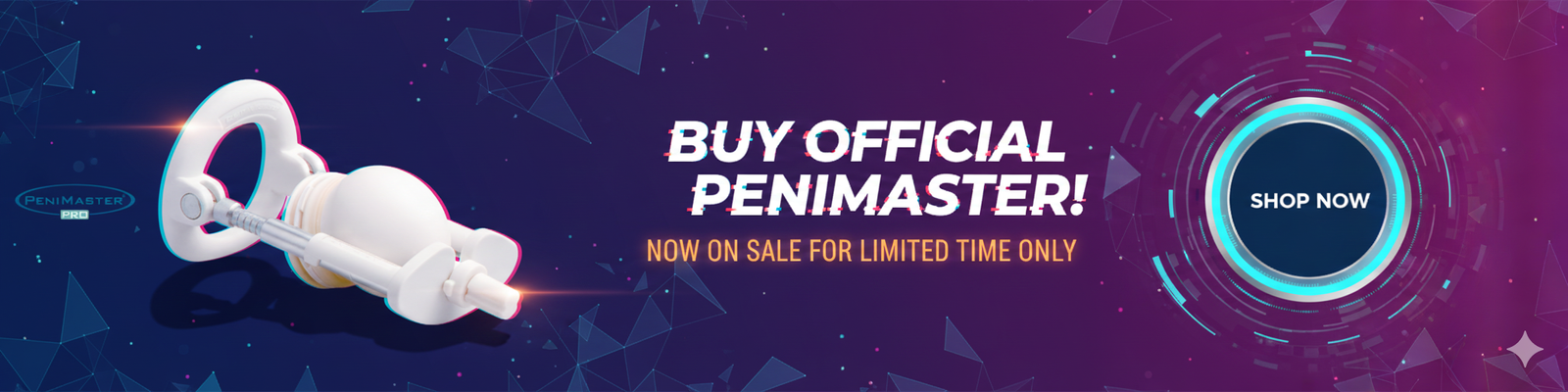
Some men look to hardware instead of manual jelq routines, turning to a penis extender or penis stretcher as a slower, traction-based approach. A few small studies suggest that properly used traction devices may produce modest length changes over months of consistent use. However, these studies are limited, and long-term safety data are still developing.
If you consider a traction device, keep these points in mind:
- Expect modest, gradual changes at best. Reported gains are usually measured in millimeters or a small number of centimeters over many months. Any product promising dramatic overnight results should raise serious skepticism.
- Follow manufacturer and medical guidance precisely. Traction is usually applied for hours per day at low tension, not cranked to maximum force. Excessive pull can cause pain, bruising, and nerve or ligament damage.
- Monitor for changes in function, not just size. If you notice altered erection angle, new curvature, numbness, or changes in ejaculation, stop use and seek medical advice.
- Choose reputable sources. Poorly designed devices or fake copies can have rough edges, uneven pressure, or unreliable adjustment mechanisms that raise injury risk.
If you want a device-based path instead of jelqing, start by consulting a urologist or sexual-medicine clinician about whether a traction device is appropriate for you and what realistic outcomes look like. For men who have already done their research and are ready to compare structured options, you can explore medically oriented traction systems through the official store at this penis extender and stretcher affiliate link, and then bring any questions about fit or protocol to a healthcare professional you trust.
In addition to traction, some men explore medically supervised treatments such as hormonal assessment, erectile-function medications, or regenerative approaches. These should always be evaluated with a clinician who can weigh your goals, general health, and mental well-being. Self-experimentation with unregulated injections, pills, or topical products marketed as enlargement shortcuts carries its own set of risks and should be avoided.
Conclusion: Protect Function First, Experiment Later (If At All)
Jelqing sits in a gray zone: widely promoted, poorly studied, and clearly capable of causing harm when done aggressively or obsessively. If you decide to experiment, your first responsibility is to protect your erections, sensitivity, and overall men27s sexual wellness by using conservative intensity, short sessions, and strict stop rules at the first sign of pain or dysfunction.
Remember that the core goals behind jelq routines 2d stronger erections, better stamina, more satisfying ejaculation, and improved confidence 2d can often be reached more safely through pelvic floor work, cardiovascular health, optimized sex techniq, and honest communication with partners and clinicians. Size is only one piece of sexual satisfaction, and it is often less important to partners than porn and marketing suggest.
Your penis is not a disposable test project. Respect its limits, use evidence-informed strategies, and whenever you are unsure, pause the experiments and talk with a qualified professional. Protecting function now gives you more freedom, pleasure, and confidence in every sexual chapter ahead.
FAQ
Q: How can I tell if I’m jelqing too hard or too often?
A: Pain, visible bruising, tingling, numbness, or a sudden loss of erection quality are red‑flag signs you’re overdoing it. Reduce intensity, shorten sessions, add rest days, and stop completely if symptoms don’t quickly improve.
Q: What is the safest way to start jelqing if I still choose to try it?
A: Begin with light pressure, a warm‑up (like a warm cloth wrap), and a semi‑erection rather than a full one. Limit early sessions to a few minutes, use plenty of lubrication, and track how your penis responds for several days before increasing time or intensity.
Q: Can jelqing damage my erectile function in the long run?
A: Using excessive force or ignoring early warning signs can stress blood vessels, nerves, and tissue, which may affect erection quality. Respecting clear limits, avoiding pain, and prioritizing recovery days lowers that risk, but no technique is completely risk‑free.
Q: Are there safer ways to support penis health and sexual performance than jelqing?
A: Yes—consistent exercise, good sleep, stress management, pelvic floor training, and avoiding smoking or heavy drinking all support better erections and sexual stamina. Focusing on whole‑body health often delivers more reliable results than manual enlargement routines.
Q: What should I do if I notice an injury or sudden changes after jelqing?
A: Stop all jelqing immediately and avoid sexual activity that causes discomfort. Monitor for swelling, discoloration, or bent erections over the next few days, and seek prompt professional help if symptoms are severe, worsening, or don’t improve.

Post Comment