How To Do Jelqing Safely: Essential Techniques and Best Practices
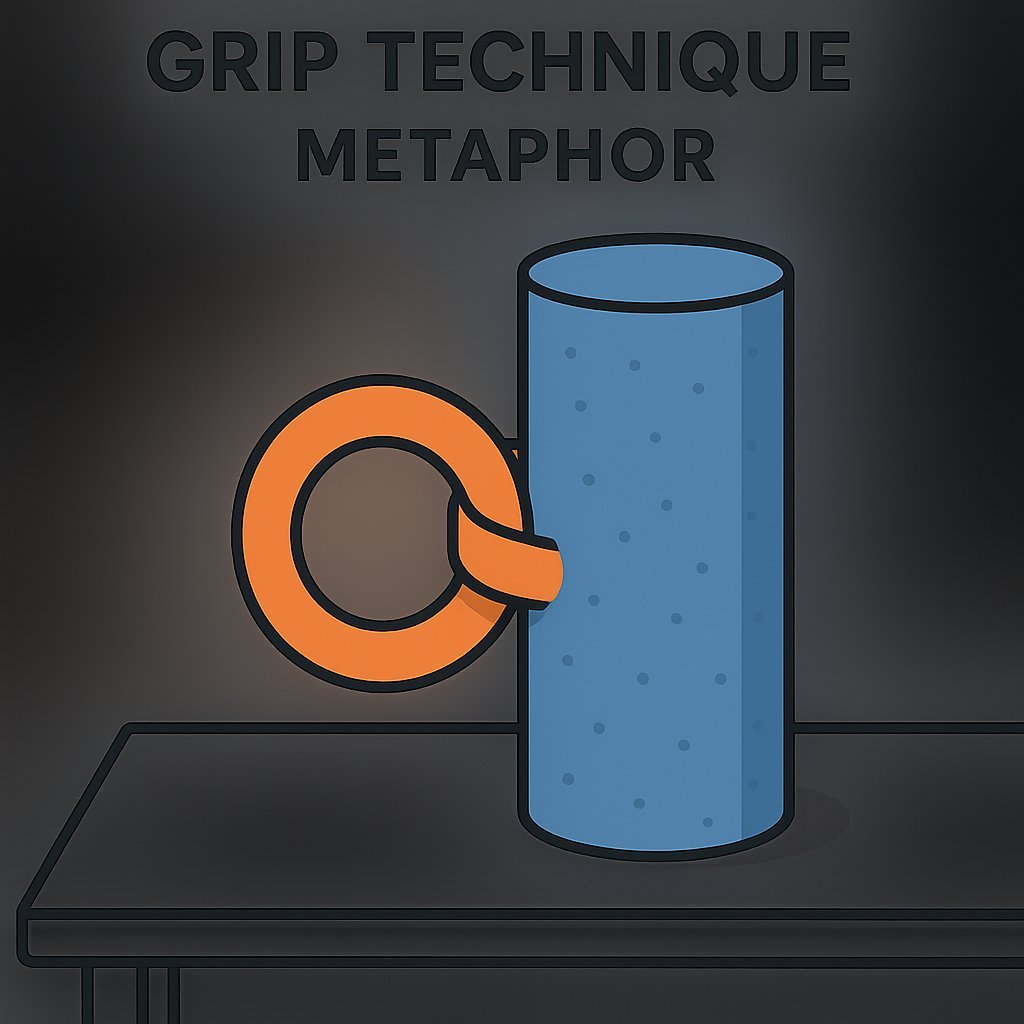
Table of Contents
- Overview: What Jelqing Can and Cannot Do
- Pre‑Jelq Essentials: Mindset, Warm‑Up, and Baseline Checks
- Core Jelq Technique: Gentle, Controlled, and Time‑Limited
- Safety Limits, Warning Signs, and Recovery Rules
- Smarter Alternatives and Complementary Practices for Men’s Sexual Wellness
- Conclusion: Protect Function First, Experiment Second
- FAQ
Overview: What Jelqing Can and Cannot Do
Expert Insight: According to WebMD (https://www.webmd.com/men/jelqing), jelqing is a stretching technique promoted online to enlarge the penis, but most men who believe their penis is too small actually fall within the average erect length of about 5 inches (13 centimeters). (www.webmd.com)
Jelqing is a manual stretching technique where you use an “OK” grip to push blood along a semi‑erect penis. The goal is usually to increase length or girth. Despite the hype, major medical sources like WebMD and Mayo Clinic state there is no solid clinical evidence that jelq routines create permanent size gains in otherwise healthy men.
At the same time, jelqing is not harmless. Pulling and squeezing too hard can cause pain, bruising, loss of sensitivity, vascular damage, and even contribute to conditions like Peyronie’s disease (curved, painful erections from scar tissue). If you decide to experiment anyway, the safest mindset is harm‑reduction: protect function first, size second.

This guide focuses on practical best practices: how to warm up, the safest way to jelq if you choose to, how to spot danger signs early, and when to switch to lower‑risk options such as Kegels, penis extenders, or other men’s sexual wellness strategies.
Pre‑Jelq Essentials: Mindset, Warm‑Up, and Baseline Checks
Before thinking about technique, lock in three basics: why you’re doing this, how you’ll prepare your body, and how you’ll track safety over time.
- Clarify your goal beyond size. Many men chase jelqing because of anxiety, not true micropenis. Average erect length is around 5 inches. Focusing only on size can worsen performance anxiety, which can hurt erections and ejaculation control. Add goals like better body confidence, lower porn use, or improved sex techniq instead of just a bigger measurement.
- Know your medical risks. Jelqing is especially risky if you have blood‑thinner use, bleeding disorders, uncontrolled diabetes, active penile infection, or existing curvature. In these cases, talk to a urologist before any manual enlargement work.
- Record your baseline. Measure stretched flaccid length and take notes on erection quality (how hard, how often), morning erections, ejaculation patterns (early, delayed, normal), and any existing discomfort. This makes it easier to notice negative changes early.
- Do a proper warm‑up. Warm tissue is more pliable and slightly less injury‑prone. Use one of these for 5–10 minutes:
- Warm washcloth compress held and re‑warmed regularly.
- Warm shower directed at the groin.
- Reusable heat pack wrapped in a thin towel (never apply directly if it’s very hot).
Warmth should feel comfortable, not burning.
- Lubricate generously. Use a simple, skin‑safe lube (water‑based or light oil). Avoid menthol, capsicum, or harsh fragrances that can irritate the skin and mask early pain signs.
Core Jelq Technique: Gentle, Controlled, and Time‑Limited
If you choose to jelq despite the uncertainties, keep the routine intentionally conservative. More force does not equal more results; it mainly equals more risk.
- Erection level: 30–60% at most. The penis should be thicker than flaccid but far from fully hard. Fully erect jelqing dramatically increases pressure in the tissues and blood vessels and raises the chance of damage.
- Grip: light to moderate, never crushing. Form an “OK” sign with thumb and index finger at the base. Slide forward with steady but not painful pressure toward the glans. You should not see the head balloon excessively or feel sharp pain, tingling, or numbness.
- Stroke tempo: slow and deliberate. Aim for about 2–3 seconds per stroke along the shaft. Rushing encourages jerky, uneven pressure. Between strokes, re‑grip at the base with the other hand so blood is pushed gradually forward, not forced violently into the tip.
- Session length: start low, cap carefully. For risk‑aware beginners:
- Week 1–2: 5 minutes, 2–3 times per week.
- Week 3–4: 8–10 minutes, 3 times per week, only if there were no negative signs.
Online routines suggesting 20+ minutes daily are aggressive and significantly increase the chance of bruising, scarring, and long‑term sensitivity changes.
- Stay below your pain threshold. The right intensity feels like a mild stretch, not burning, pinching, or pulsing pain. Stop immediately if you feel sudden sharp discomfort or if erections surge to near 100% during the set.
- Post‑jelq cool‑down check. After each session, inspect the shaft and glans under normal light. Mild temporary redness can be normal; dark bruises, purple patches, or uneven swelling are red flags. Light massage with lube at a very gentle level can help settle tissues.
Safety Limits, Warning Signs, and Recovery Rules
Maintaining long‑term erection strength and painless ejaculation should always outrank any size goal. That means taking warning signs seriously and backing off early rather than trying to power through.
- Short‑term warning signs to stop immediately:
- Sharp or burning pain during strokes.
- Dark bruises, burst‑capillary spots, or significant discoloration.
- Sudden loss of erection mid‑session that feels more like shock than normal arousal fluctuation.
- Numbness, tingling, or coldness in the shaft or glans.
At the first sign, stop jelqing, apply a cool (not ice‑cold) cloth for a few minutes, and rest completely.
- Ongoing signs you’re overdoing it:
- Morning erections weaker or less frequent than usual.
- Pain with erections or during masturbation/sex.
- Noticeable curve or lump (plaque) developing along the shaft.
- Changes in ejaculation (harder to climax, duller sensation, or pain when you ejaculate).
Any of these persisting for more than a few days justify stopping jelq and getting a medical opinion.
- Recovery windows matter. If you notice mild soreness or slight bruising, pause all jelqing and intense sexual activity until: pain is gone, color is normal, and erections feel comfortable again. For some men this is 3–7 days; for others, 2–3 weeks is smarter. Restart only at a lower intensity and shorter time.
- When to see a doctor quickly:
- Sudden, severe pain with swelling that doesn’t improve.
- Loss of erection ability lasting more than a few days after an injury.
- Pronounced curve or new hard lump in the shaft.
- Blood in semen, severe pain with ejaculation, or difficulty urinating after trauma.
These can indicate vascular injury, penile fracture, or Peyronie’s disease, all of which need professional evaluation.
- Protect mental health too. If jelqing is making you obsess over measurements or avoid real intimacy, that is a sign to pull back. Chronic stress and anxiety are well‑known contributors to erectile issues and delayed ejaculation.
Smarter Alternatives and Complementary Practices for Men’s Sexual Wellness
If your core goal is better sexual function and confidence, other strategies are often more effective, safer, and better supported by evidence than jelqing.
- Penis extender or penis stretcher devices. Medical‑style traction devices apply controlled, low‑level tension for many hours per day over months. Research suggests they can add modest length (often under 2 cm) in a more predictable way than manual jelq exercises. If you explore one, look for a reputable design with micro‑adjustable tension and clear safety instructions. One option many men start with is the official penis extender from the Penimaster shop, which offers structured traction instead of guesswork with your grip.
- Pelvic floor training (Kegels for men). Cleveland Clinic and other clinical sources highlight that targeted pelvic floor contractions can support stronger erections and better control of urination and ejaculation. The key is not to clench all day, but to alternate proper contractions and full relaxations, several sets per day. This helps with both premature and delayed ejaculation patterns by giving you more conscious control of arousal intensity.
- Refining sex techniq and arousal pacing. Many men who want a bigger penis actually need better technique, not more length. Adjusting thrust rhythm, angle, depth, and stimulation focus can dramatically change how both partners experience size, pleasure, and climax timing. Techniques like slower initial penetration, varied angles, and deliberate pauses can extend intercourse time without aggressive physical modification.
- Evidence‑based medical routes when truly indicated. For men with micropenis, severe curvature, or major distress, urologists may discuss traction therapy, hormone evaluation, or surgery. However, Mayo Clinic and Cleveland Clinic stress that enlargement surgery carries real risks: scarring, infection, and sensation loss. A careful risk‑benefit discussion with a specialist is essential before any invasive option.
- Psychological support for body image. If anxiety about size is dominating your thoughts, therapy or counseling can be more transformative than any device. Reframing expectations, learning realistic comparisons, and working on partner communication often reduce pressure and improve sexual performance more than chasing extra millimeters.
Blending moderate, cautious jelq or traction with pelvic floor training, better sexual communication, and healthier lifestyle habits tends to deliver the most reliable improvements in men’s sexual wellness over time.
Conclusion: Protect Function First, Experiment Second
Jelqing remains an unproven enlargement method with very real potential downsides. If you choose to jelq, keep sessions short, intensity low, and rest days generous. Watch for pain, bruising, or changes in erection quality or ejaculation, and stop immediately if they appear.
Long term, most men get better results by protecting erection strength, honing sex techniq, and using safer, more controlled tools like a medical‑style penis extender, combined with Kegels and broader lifestyle changes. In men’s sexual wellness, preserving sensitivity, comfort, and confidence will always matter more than chasing a risky extra centimeter.
FAQ
Q: What is jelqing and what is it supposed to do?
A: Jelqing is a manual stretching and “milking” technique some men use in hopes of improving penis size, blood flow, or erection quality. It involves semi‑erect strokes from the base toward the glans, but its benefits are not well proven and it carries real risks if done aggressively or incorrectly.
Q: How do I warm up properly before jelqing?
A: Use a warm compress, heating pad on low, or warm shower for about 5–10 minutes to gently heat the genital area. The goal is to relax tissues and improve circulation, not to apply intense heat, so the warmth should feel soothing and never hot enough to cause discomfort.
Q: What intensity and frequency are considered safer when jelqing?
A: Keep erection level around 40–70% and use light to moderate pressure—enough to move blood forward, never to cause pain or bent, forced strokes. Beginners often limit sessions to 10–15 minutes, 2–3 times per week, and stop immediately if they notice pain, numbness, or visible bruising.
Q: What warning signs mean I should stop jelqing and rest?
A: Stop if you see dark bruising, sharp or lingering pain, numbness, a cold feeling, sudden loss of erection quality, or new penile curve or dent. Take a full break until everything feels and looks normal again, then only resume with gentler technique—if at all.
Q: Are there safer alternatives to jelqing for sexual wellness?
A: Yes. Consistent Kegel and pelvic floor relaxation work, penis extenders used within manufacturer guidelines, aerobic exercise, and better sleep can all support erection quality and stamina without the same level of mechanical stress. Many men use these methods to focus on function and control instead of manual stretching.

Post Comment