Jelq Safety Tips: Damage Limits, Recovery Windows, and When to Stop Completely
Read more in our Complete Guide to Jelqing: Evidence, Safety, and.


Table of Contents
- Overview: Why Damage Limits and Recovery Windows Matter With Jelq
- Understanding Penis Tissue Limits: What Can Actually Be Damaged
- Red, Yellow, and Green Zones: Practical Jelq Damage Limits
- Evidence-Informed Recovery Windows After Jelq Trauma
- When to Stop Jelqing Completely: Clear Cutoff Points
- Safer Adjustments and Alternatives: From Load Management to Penis Extenders
- Protecting Long-Term Function: Erections, Ejaculation, and Sensation
- FAQ: Common Questions About Jelq Damage, Recovery, and Stopping
- Conclusion: Prioritizing Men’s Sexual Wellness Over Risky Experiments
Overview: Why Damage Limits and Recovery Windows Matter With Jelq
Expert Insight:
According to my.clevelandclinic.org, before a penectomy you’ll undergo tests such as biopsy, blood work, and imaging (CT, PET, MRI, ultrasound, X-ray) to determine cancer type and stage and to decide between partial or total penectomy, and you must inform your provider about all medications, supplements, and allergies because some drugs and products can increase bleeding risk or interact with perioperative medicines (https://my.clevelandclinic.org/health/treatments/22806-penectomy). (my.clevelandclinic.org)

Jelqing is widely promoted online as a way to increase penis size, but there is no high-quality clinical evidence that it works. By contrast, there is clear medical evidence that the penis is vulnerable to trauma, scarring, and blood vessel damage. Clinics like the Cleveland Clinic and Mayo Clinic emphasize protecting penile tissue to preserve erections, sensation, and healthy ejaculation.
This article focuses on three practical questions men rarely get clear, evidence-based answers to:
- How much discomfort or tissue stress is “too much” when you jelq?
- How long should you rest after different levels of injury?
- When is it safer to stop jelqing completely and consider other men’s sexual wellness strategies?
The goal is not to promote jelqing, but to give realistic, step-by-step safety boundaries if you choose to experiment, and to help you know when to seek medical care or pivot to safer tools like a medical-grade penis extender or penis stretcher.
Understanding Penis Tissue Limits: What Can Actually Be Damaged
To understand safe limits, you need a basic picture of what you are squeezing when you jelq. Medical references from major centers describe the penis as three main erectile cylinders surrounded by delicate vessels and nerves:
- Corpora cavernosa: two spongy cylinders on top of the shaft that fill with blood to create most of the erection.
- Corpus spongiosum: a single cylinder underneath, surrounding the urethra (the tube that carries urine and semen).
- Glans: the head of the penis, packed with nerve endings and the urethral opening.
These structures are wrapped in thin membranes and fed by small arteries and veins. Overly aggressive jelq strokes can injure:
- Blood vessels– causing bruising, hematomas, or long-term vascular changes.
- Tunica albuginea– the tough sleeve around the erectile bodies; repetitive trauma can contribute to scar plaques and curvature.
- Nerves– leading to temporary or sometimes persistent numbness or altered sensation.
Severe trauma, like forceful bending or crushing during erections, is known clinically as a penile fracture and may require emergency surgery. While jelqing is different, the same erectile tissue is being stressed. That is why understanding damage limits is essential if you are considering any sex techniq that involves mechanical pressure or traction.
Red, Yellow, and Green Zones: Practical Jelq Damage Limits
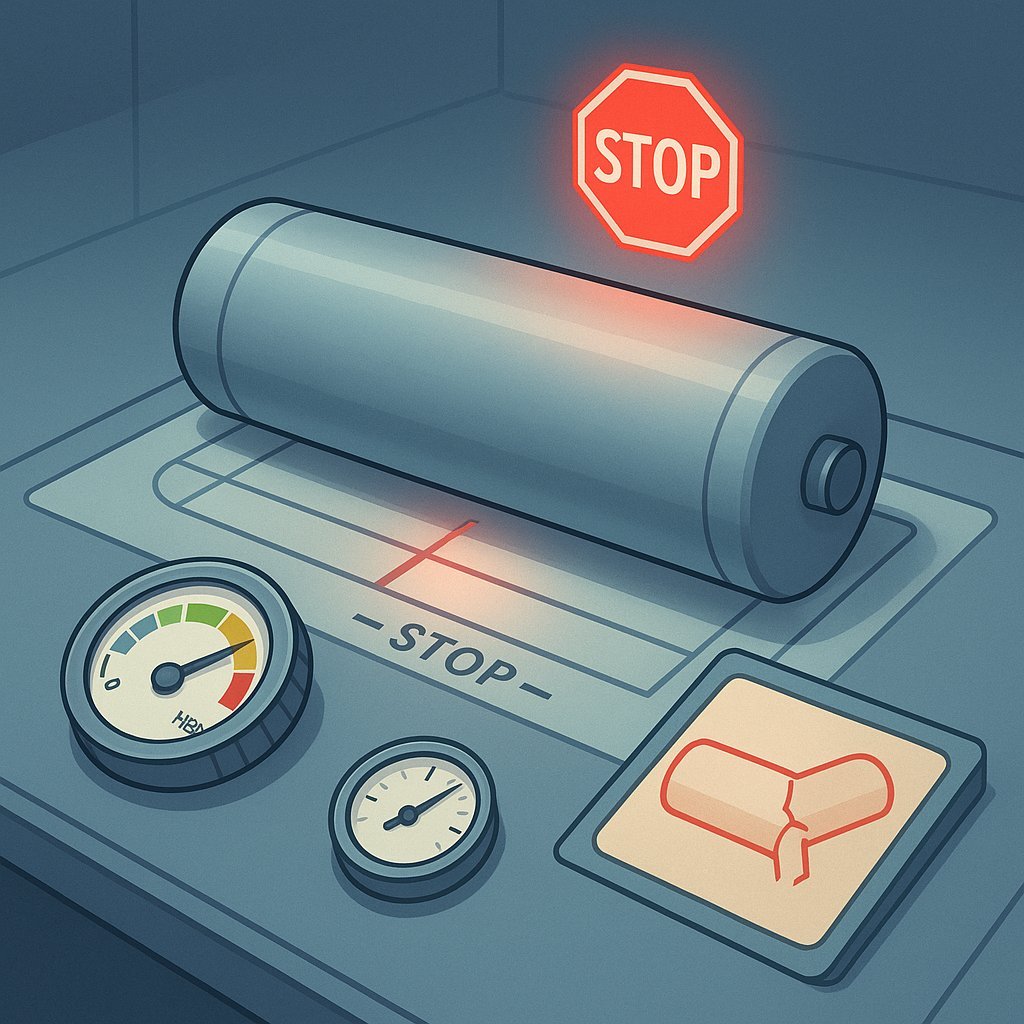
There is no formal medical scale for jelq intensity, but you can use a simple green–yellow–red model based on pain, visible changes, and erectile function. The goal is to stay in the green, recognize yellow quickly, and never push into the red.
Green zone: Mild, transient stress only
- No sharp or burning pain during strokes.
- No sudden “pop” or tearing sensation.
- No dark purple, black, or expanding bruises afterward.
- Skin may look slightly flushed or feel mildly fatigued, but returns to normal within a few hours.
- Morning erections and erections during arousal are unchanged.
If you choose to jelq at all, limit yourself to this zone. Use low to moderate pressure, slow strokes, and partial erections (about 40–60% firmness) to reduce strain on the erectile cylinders.
Yellow zone: Warning signs you are doing too much
- Dull ache that persists for more than 24 hours.
- Visible red spotting (petechiae) that lasts beyond 48 hours.
- Mild swelling or a “puffy” look that takes days to resolve.
- Temporary reduction in erection quality or sensitivity.
Yellow zone signs mean you have already exceeded a safe load. You should stop jelqing immediatelyand allow complete recovery until all symptoms resolve. Continuing into the yellow zone repeatedly may increase the risk of scar tissue and curvature over time.
Red zone: Stop immediately and consider urgent care
- Sudden sharp pain or a popping sensation during a stroke.
- Rapid loss of erection with immediate pain.
- Large, rapidly spreading bruises or significant deformity.
- Penis bending at an abnormal angle that was not present before.
- Difficulty urinating, blood in urine or semen, or severe pain with ejaculation.
These are red-flag symptoms of potential structural injury. Delaying medical attention can worsen long-term outcomes, including erectile dysfunction and disfigurement. Men’s sexual wellness is about preserving function and comfort; if you hit the red zone, the priority is urgent evaluation by a urologist, not recovery routines at home.
Evidence-Informed Recovery Windows After Jelq Trauma
There are no clinical trials defining exact recovery times after jelq-related injury, but urology practice and general soft-tissue healing principles can guide reasonable recovery windows. Always individualize: if in doubt, rest longer and consult a healthcare professional.
Minor surface irritation (green to light yellow)
- Examples: light redness, mild skin soreness, a few tiny broken capillaries without swelling.
- Typical recovery: 24–72 hours with no further mechanical stress.
- What to do:
- Stop jelqing until appearance and comfort are completely back to baseline.
- Avoid friction from vigorous sex, masturbation, or tight clothing.
- Use gentle cleansing and keep the area dry; avoid harsh soaps or irritants.
Moderate soft-tissue strain or bruising (clear yellow zone)
- Examples: visible purple bruises, lingering ache for several days, temporary dip in erection quality, mild swelling but normal urination and ejaculation.
- Typical recovery: 1–3 weeks or longer, depending on severity.
- What to do:
- Completely stop all jelqing and any use of devices like penis stretchers or pumps during recovery.
- Limit intense sexual activity; allow erections to occur spontaneously but avoid mechanical stress.
- If pain or bruising worsens, or if erections are consistently weaker after 1–2 weeks, see a healthcare provider.
Severe suspected structural injury (red zone)
- Examples: strong pain, audible pop, severe swelling, major bruising, penile curvature that was not present before, difficulty urinating.
- Typical recovery: medical evaluation first; if surgery or specific treatment is needed, healing may take months.
- What to do immediately:
- Seek urgent care or emergency evaluation; do not attempt to self-treat.
- Do not apply aggressive massage, jelq strokes, or traction devices.
- Follow the urologist’s instructions for activity limits and rehabilitation.
Think of recovery windows as non-negotiable. If you cannot tolerate stepping away from jelqing long enough to heal, that is a sign to reassess your relationship with penis enhancement and to prioritize long-term erectile and penile health.
When to Stop Jelqing Completely: Clear Cutoff Points
Some men can experiment with light jelqing, recognize early warning signs, and pull back. Others develop repeated problems despite trying to be careful. An evidence-based approach to men’s sexual wellness treats jelqing as optional and stoppable – not something you must push through.
Signs you should stop for at least several months
- Any episode of moderate or severe bruising or pain.
- Noticeable decline in morning or spontaneous erections that lasts more than 1–2 weeks.
- Persistent numbness, tingling, or a “less sensitive” glans.
- A pattern of needing longer and longer recovery windows after sessions.
After issues like these, it is safer to stop for several months, then focus on recovery, professional assessment if needed, and only consider future mechanical techniques under guidance.
Signs you should consider stopping jelqing permanently
- Development of stable penile curvature or a palpable plaque (a firm area under the skin).
- Chronic erectile difficulties that appeared or worsened after starting jelqing.
- Ongoing pain with erections or ejaculation.
- Any history of serious structural injury such as suspected penile fracture.
- Severe health anxiety or obsessive behavior around penis size and enhancement routines.
If any of these apply, continuing to jelq pushes against your tissue limits and risks compounding damage. At that point, priority should shift to diagnostic evaluation, treatment of any erectile or curvature issues, and possibly counseling to address body image concerns.
Clinics and surveys show many men hesitate to see doctors about intimate problems, but professional input is often the difference between reversible issues and long-term complications. Stopping jelqing is not failure; it is a proactive men’s sexual wellness decision.
Safer Adjustments and Alternatives: From Load Management to Penis Extenders
If you are not ready to abandon mechanical approaches completely, you can reduce risk by rethinking load, technique, and tools, and by choosing options that are closer to clinically monitored methods.
1. Load management for those who still jelq
- Use partial erections only; do not jelq on a fully rigid penis, which dramatically increases internal pressure.
- Reduce session length (for example, short sets a few times a week rather than daily long sessions).
- Use minimal pressure – enough to move blood, not enough to cause pain or blanch the skin white.
- Track your penis’ response with a simple log: morning erection quality, any pain or color changes, and adjust volume down at the first hint of yellow-zone signs.
2. Considering penis extenders and stretchers
Medical literature supports the use of traction devices in specific clinical contexts (for example, after certain surgeries or in Peyronie’s disease) when monitored by specialists. A high-quality penis extender or penis stretcher is designed to apply controlled, low-level traction for extended periods rather than intense, short bursts of pressure.
- Look for devices with adjustable, measurable tension and comfortable attachment systems.
- Avoid improvised or homemade traction devices, which may concentrate force in unsafe ways.
- Introduce any extender gradually and stop if you experience swelling, numbness, or color changes.
If you decide that a traction approach fits your goals better than manual jelqing, consider starting with a medically oriented system from an official source, such as the Penimaster official store, and follow their step-by-step instructions conservatively.
3. Non-mechanical ways to support penis health and performance
- Pelvic floor (Kegel) exercises: Evidence-based routines for men can support erection quality, urinary control, and orgasm strength when done correctly.
- Cardiovascular health: Good blood flow underpins erections; lifestyle measures that protect your heart also protect your erections.
- Weight management and hormone balance: Addressing obesity, sleep apnea, and low testosterone can all meaningfully improve sexual function.
These strategies do not promise size increases, but they strongly support erection quality, stamina, and pleasure – the real functional core of men’s sexual wellness.
Protecting Long-Term Function: Erections, Ejaculation, and Sensation
The real risk of pushing past safe jelq limits is not just temporary soreness; it is long-term impact on erections, ejaculation, and sensation. Major medical centers highlight several key penis-health priorities that jelqing can jeopardize when done aggressively.
Erections
- Damage to blood vessels or the tunica can reduce how well blood is trapped in the corpora cavernosa, weakening erections.
- Scar tissue can create areas that do not expand normally, causing curvature and mechanical difficulty during sex.
Ejaculation
- Swelling or trauma around the urethra can make ejaculation uncomfortable or painful.
- Chronic pelvic or penile pain may contribute to delayed ejaculation or difficulty reaching orgasm, which can require clinical care.
Sensation and pleasure
- Over-compression of the glans or shaft nerves can blunt sensation, making arousal and orgasm less satisfying.
- Fear of re-injury or performance anxiety after a painful episode can undermine sexual confidence.
When you evaluate any sex techniq, ask three questions:
- Does this threaten my ability to get and keep comfortable erections?
- Does this risk messing with normal, painless ejaculation?
- Could this reduce sensitivity or create chronic pain?
If the honest answer is “yes” or even “maybe,” the technique should be treated with extreme caution, scaled back, or abandoned in favor of strategies that support – rather than gamble with – your long-term sexual function.
FAQ: Common Questions About Jelq Damage, Recovery, and Stopping
Is any level of jelqing truly safe?
There is no evidence-based threshold that is formally labeled safe in the medical literature. Risk depends on your anatomy, technique, pressure, and history of injury. If you choose to experiment despite this, keep intensity low, use partial erections, and stop immediately at the first sign of pain, bruising, or changes in erection quality.
How long should I wait before jelqing again after soreness?
You should not jelq again until all soreness, discoloration, and swelling have completely resolved and your erections feel fully back to normal. For mild issues, that may be a few days; for more noticeable bruising or strain, expect at least 1–3 weeks of total rest. If symptoms persist beyond that, see a healthcare provider instead of resuming.
Can jelqing cause permanent damage?
Yes, it can. Repeated or severe trauma can contribute to scar tissue, curvature, reduced erectile quality, altered sensation, and chronic pain. Any sudden, severe pain, major bruising, or deformity should be treated as a potential emergency and evaluated by a urologist. Early intervention offers the best chance of preserving long-term function.
Is a penis extender safer than jelqing?
A high-quality penis extender or penis stretcher applies controlled traction rather than intense squeezing, and traction has documented clinical use under professional supervision. However, no device is risk-free. Safety depends on design, how conservatively you use it, and whether you respect your tissue limits. Avoid makeshift devices, start with low tension and short sessions, and stop at any sign of pain, numbness, or color change.
My penis curves after months of jelqing – should I keep going?
New or worsening curvature after jelqing is a clear warning sign to stop. Continuing may increase scarring and deformity. Make an appointment with a urologist to evaluate for conditions like Peyronie’s disease. Treatments and structured traction protocols are available, but they should be guided by a specialist.
What should I do if I am anxious about size but scared of injury?
Consider shifting your focus from size to function and pleasure: work on fitness, pelvic floor strength, communication with partners, and realistic expectations. If body image worries are intense or persistent, speaking with a therapist familiar with men’s sexual wellness can help. Enhancing confidence and performance is usually more impactful for your sex life than chasing size through high-risk techniques.
Conclusion: Prioritizing Men’s Sexual Wellness Over Risky Experiments
Jelqing sits in a gray zone: heavily promoted online, not supported by strong clinical evidence, and clearly capable of causing real harm when pushed beyond the penis’ tissue limits. Practical damage limits, conservative recovery windows, and clear stopping rules help you protect what matters most: reliable erections, painless ejaculation, comfortable sensation, and confidence in your body.
If you choose to experiment, stay firmly in the green zone, treat any yellow-zone sign as a reason to rest, and treat red-zone symptoms as medical issues, not challenges to “work through.” And if jelqing is repeatedly pushing you into injury or anxiety, step back. Men’s sexual wellness is better served by evidence-based habits, safer traction devices used cautiously, and open communication with healthcare professionals than by continuing a technique that your body is clearly rejecting.
Related Reading
- Jelq Safety Tips: How to Reduce Real-World Risk Before, During, and After Training
- Jelq Safety Tips: Practical Ways to Protect Your Penis When You Experiment
- Jelq Safety Tips: Simple Rules That Keep Your Penis, Nerves, and Ejaculation Function Protected
- Usage Guidelines for Jelqing and Penis Extenders: Practical Rules That Protect Men’s Sexual Wellness
- Jelq Safety Tips: Real‑World Risk Control, Recovery, and Smarter Backup Plans

Post Comment