Tension Ramping: How to Increase Extender Force Safely Over Weeks
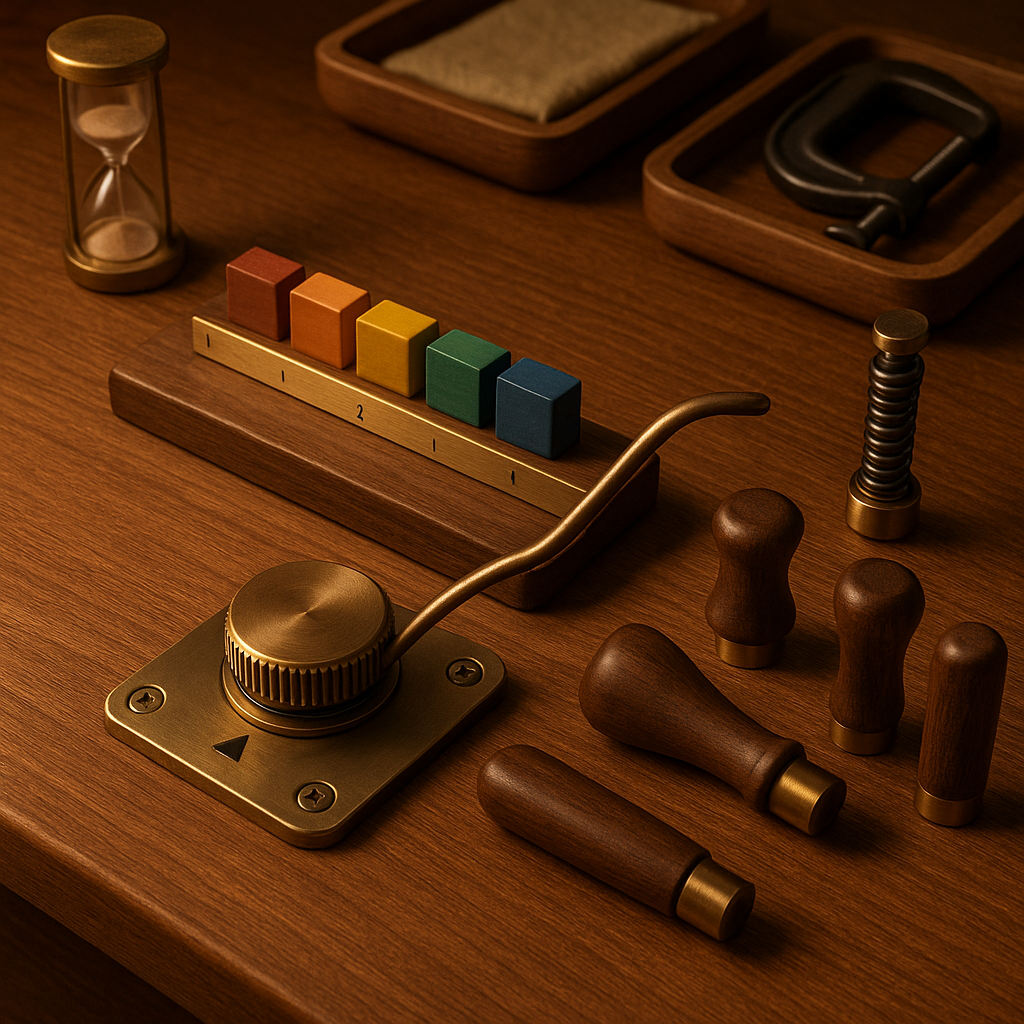
Ramping means week‑over‑week increases in extender load and TERT to shift from creep to remodeling without irritating nerves. Week 0: set comfortable force, minutes, and green/yellow/red signals. Progress minutes first, then force; keep frequency steady. Use device marks to map force. Choose linear, step‑hold, or wave (auto‑regulate by EQ/RPE); plan deloads, stop on pain/numbness, and pace sex/ejaculation.
Table of Contents
- Overview: Tension Ramping, Defined
- Baseline and Force Mapping: Your Week 0 Setup
- The Ramping Rulebook: Weekly Guardrails, Signals, and Safety
- Pick Your Model: Linear, Step‑Hold, or Wave (with Deloads)
- Integrations That Protect Results: Light Jelq, Sex Technique, Ejaculation Timing, and Interface Choice
- Conclusion: Two‑Week Launch Plan and Next Steps
- FAQ
Overview: Tension Ramping, Defined
Tension ramping is a structured, week-over-week method for increasing traction force and total time-under-tension (TERT) with a penis extender-tension-calibration-safe-daily-protocol-that-adapts-in-real-time/”>extender or penis stretcher. Instead of chasing daily peaks, you progress with small, planned steps that your skin, nerves, and vascular tissues can tolerate. The goal is steady remodeling, not short-lived overstretching.
This guide focuses on weekly progression architecture for mens sexual wellness: what to increase first, how to map your device to real force, three ramping models you can choose from, and recovery tactics that include light jelq, sex techniq pacing, and ejaculation timing. If you need in-session micro-adjustments, see Extender Tension Calibration. For realistic timelines, see Penis Extender Results Timeline.
Expect change to accumulate over months, not days. You will move between building weeks and consolidation/deload weeks, guided by clear stop criteria and recovery signals like morning erections and sensation. The payoff is predictable progress with fewer stalls, less edema, and better erection quality (EQ) over the long term.
Baseline and Force Mapping: Your Week 0 Setup
Week 0 sets your personal reference points. You will not ramp yet. Instead, you will determine comfortable starting force, daily minutes, and your normal recovery signals.
- Pick a conservative starting force: Choose the lowest setting that gives a clear, sustained stretch with normal color, warmth, and sensation for 30–60 minutes. This is your 100% baseline.
- Set starting minutes (TERT): Total 60–120 minutes per day split into 1–3 sessions. Note how your glans and shaft feel immediately after, 2 hours later, and the next morning.
- Log recovery markers: Morning wood frequency/quality, spontaneous erections, sensitivity, and skin condition. These are your green lights for progression.
Map your device to practical increments. You do not need lab-grade force numbers; you need repeatable steps you can apply every week.
- Spring-based extenders: Use the manufacturer’s spring marks as reference points. Record the exact notch/line you can hold at baseline. Count micro-adjustments as partial lines.
- Rod/screw systems: Log the total rod length at baseline and note how many turns of the fine screw equal a small, repeatable increase for you (for example, quarter turns). Treat one quarter-turn as a single “step.”
- Vacuum bell systems: Track glans position in the cup, seal quality, and consistent negative-pressure cues from your hand pump. A “step” can be a small, repeatable increase in rod length or strap adjustment, confirmed by stable seal and normal color.
During ramping, only change one variable per week (force, minutes, or frequency). Save reactive micro-adjustments for within-session needs and consult Extender Tension Calibration if tension drifts during wear.
The Ramping Rulebook: Weekly Guardrails, Signals, and Safety
Progression priorities:
- Minutes (TERT) first for most users, because tissues adapt well to longer low–moderate tension. Add 10–20% total minutes per week until you reach your daily ceiling, then
- Force in small steps: 5–10% per week (one spring notch, a quarter-turn, or a short rod increment), then
- Frequency last (e.g., split into more sessions) to keep seals fresh and reduce hotspots.
Weekly guardrails:
- Change only one variable each week.
- Hold a new force for at least 7 days before increasing again.
- Insert a deload (reduce 20–40% minutes or a full “step” of force) every 4–6 weeks or any week recovery signals dip.
- Cap single-session wear if color, warmth, or sensation trend downward; split the session rather than forcing through.
Green lights to continue: Normal color and warmth during and after sessions; light post-stretch “worked” feeling without pain; stable or improving morning erections; no persistent numbness or tingling.
Yellow flags (hold this week’s load or deload 10–20%): Morning wood down for 2+ days, EQ slightly reduced, sensitivity blunted, mild edema that resolves within hours, hotspots under strap or in vacuum cup.
Red flags (stop immediately and take 24–72 hours off): Numbness or electric-shock sensations; cold, pale, or dusky glans that does not normalize quickly after removal; persistent pain; skin tears or blistering; severe edema; bruising that spreads. Resume only after symptoms fully resolve. If symptoms persist, consult a clinician.
Interface-specific notes: Strap/noose users tend to hit nerve irritation first; vacuum users tend to hit glans edema first. If you are deciding between interfaces, compare pros/cons in Vacuum vs Strap/Noose Penis Extenders.
Pick Your Model: Linear, Step‑Hold, or Wave (with Deloads)
Choose a single model for the next 8 weeks. Keep your Week 0 baseline as 100%. Treat each “step” as your smallest reliable change (one spring mark, one quarter turn, or a short rod increase).
Model 1: Linear Ramp (conservative and predictable)
- Weeks 1–4: Add 10–20% TERT per week until you hit your daily ceiling (often 90–150 minutes/day). Keep force at baseline +0–1 steps total.
- Weeks 5–8: Maintain TERT, add +1 step of force in Week 5, another +1 step in Week 7 if signals stay green. Insert a 20–30% deload in Week 6 or 8 if morning wood or EQ dips.
- Who it suits: Newer users, vacuum cup users prone to edema, anyone prioritizing comfort and compliance.
Model 2: Step‑Hold Ramp (consolidation reduces swelling risk)
- Week A (Step): Add +1 step of force, keep TERT steady.
- Week B (Hold): Keep force unchanged, add 10–15% TERT.
- Repeat A/B through Week 8. Insert a deload any time a Hold week still feels challenging, or after two full A/B cycles.
- Who it suits: Strap/noose users with nerve sensitivity, and anyone who swells easily in a vacuum bell.
Model 3: Wave Ramp (autoregulated peaks)
- Use a simple RPE scale for traction: 1–10 where 6–7 is steady stretch, 7–8 is peak training.
- Week 1: Base week at RPE 6–7 (baseline force and TERT).
- Week 2: Peak week at RPE 7–8 (+1 force step or +15–20% TERT, not both).
- Week 3: Back‑off at RPE 5–6 (reduce minutes or drop 1 force step).
- Repeat the 3‑week wave. If back‑off weeks no longer feel easy, take a full deload (20–40%).
- Who it suits: Experienced users who can read signals closely and want faster consolidation after peaks.
Deload mechanics (all models):
- Reduce total minutes 20–40% for 4–7 days, and/or drop 1 force step.
- Maintain frequency to preserve habit, but shorten sessions and prioritize perfect blood flow on re‑warm breaks.
- Resume ramping only when morning wood and sensitivity normalize.
Set expectations for the medium term and avoid rush decisions by reviewing Penis Extender Results Timeline before you plan your next block.
Integrations That Protect Results: Light Jelq, Sex Technique, Ejaculation Timing, and Interface Choice
Light jelq that complements traction (not overloads it):
- Use micro‑doses: 30–60 light strokes post‑session or between split sessions to restore circulation. Keep pressure light and glans relaxed.
- Skip jelq on peak‑force or peak‑minutes weeks; reintroduce during holds/deloads.
- If you see edema under a vacuum bell, avoid jelq that pushes fluid forward; instead, do gentle manual shaking and frequent re‑warm breaks.
Sex techniq pacing and ejaculation timing:
- On heavy weeks, favor lower‑intensity sex techniq that reduces pelvic floor clenching (slow penetration, deep breathing, longer foreplay, lower thrust force).
- Space ejaculation at least 12–24 hours away from your heaviest traction day to minimize transient EQ dips.
- Train arousal management with edging or stop‑start methods on lighter weeks. For a structured approach, see Ejaculation Control While Using a Penis Extender.
Interface choice and ramping tolerance:
- Strap/noose: Increase force more slowly and watch for numb spots beneath the strap. Rotate placement slightly each session.
- Vacuum bell: Keep seal clean, use anti‑blister tape or light lube as recommended by your device manual, and cap peak weeks early if glans puffiness exceeds your normal.
- Compare tradeoffs in Vacuum vs Strap/Noose Penis Extenders and consider small accessories that improve comfort in The Men’s Sexual Wellness Toolkit.
Weekly signal review and breaking stalls:
- If morning wood and EQ are normal: Progress per your model.
- If they dip: Hold this week’s load or deload 20–30% minutes or 1 force step.
- If progress stalls for 2–3 weeks: Change one variable: adjust angle of pull, split one long session into two shorter sessions, or add a single force step (not all at once).
Three quick real‑world patterns:
- Desk worker: Linear model; split into two 45–60 minute sessions; add force cautiously; prioritize frequent stand‑up blood‑flow breaks.
- Heavy sweater: Step‑Hold; shorter sessions to protect seal; focus on TERT increases during Hold weeks; use breathable wraps.
- Experienced trainee: Wave model; autoregulate with RPE; plan a back‑off week after any ambitious peak.
Conclusion: Two‑Week Launch Plan and Next Steps
Your 14‑day start:
- Days 1–3: Establish Week 0 baseline. Find a comfortable force you can hold for 30–60 minutes with normal color and sensation. Log EQ and morning wood.
- Days 4–7: Hold baseline. Total 60–120 minutes/day in 1–3 sessions. Note any hotspots; adjust interface fit only.
- Week 2, Day 8: Choose your model (Linear, Step‑Hold, or Wave). Commit for 8 weeks.
- Days 8–14: Make your first planned change (either +10–20% TERT or +1 force step). Keep every other variable unchanged. Recheck signals daily; hold or deload if they dip.
After 8–12 weeks: Take a deload week (20–40% minutes and/or minus 1 force step). Reset your new baseline at the highest load that feels easy after deload. Start the next cycle with the same model or switch to a different one if your schedule or interface tolerance changed.
Want dependable hardware and consistent, calibrated parts for safe ramping? Consider purchasing from the official store via our affiliate link: Get a quality extender engineered for progressive tension.
Use this plan to pace traction, protect EQ, and integrate light jelq, sex techniq pacing, and ejaculation timing within a sustainable mens sexual wellness routine. If tension drifts mid‑session, visit Extender Tension Calibration to correct in real time, then return to your weekly ramp with confidence.
FAQ
Q: Do I need heat, and what’s the simplest warm-up that actually helps tension ramping?
A: 5–8 minutes of gentle heat raises tissue extensibility so you reach target force with less strain. Use a warm shower, rice sock, or heating pad at roughly 40–43°C; re-warm for 2 minutes midway in long sets. Keep the glans warm but not sweaty to prevent slippage with vacuum or straps.
Q: If I miss a session or run short on time, how should I adjust the rest of the week?
A: Keep force progression unchanged and spread the lost minutes across the next 2–3 days. Aim to land within about ±10% of your planned weekly time-under-tension. Use short 10–20 minute micro-sets rather than one oversized catch-up session.
Q: Morning vs evening sessions—does timing matter for ramping?
A: Pick the window where EQ, privacy, and temperature are most consistent so your signals are comparable. Mornings often allow slightly higher force at lower perceived effort due to lower fatigue and edema. If training after a long day or workout, trim force 5–10% and prioritize minutes to keep tissues responsive.
Q: How do I keep my extender delivering consistent force as I progress?
A: Clean sleeves, bells, and straps with mild soap, rinse, and air dry to preserve grip and seal. Replace sleeves/nooses when they feel tacky, stretched, or slip at usual settings (often every 6–12 weeks). Lightly lubricate screw threads and springs per manufacturer guidance and re-check your device’s force mapping monthly.
Q: How should I schedule extender work around gym days or sports?
A: Avoid peak-force sessions immediately after heavy legs, core, or long cardio, when pelvic tone and fluid shifts raise perceived tension. Either train before the gym or wait 2–3 hours post-workout, hydrate, and include electrolytes to maintain blood volume. If tissues feel full or EQ dips that evening, cut force 10–20% and keep minutes steady.


Post Comment