Balanced Extender Routine: Weekly Plan with Rest and Recovery
Read more in our Complete Guide to Penis Extenders, Stretchers &.

Table of Contents
- {‘h2’: ‘Balanced Extender Routine: Weekly Plan with Rest and Recovery’, ‘h3’: [‘What you’ll get from this guide (safe, sustainable weekly planning)’, ‘Who this plan serves (beginners, seasoned users, Peyronie’s therapy considerations)’, ‘Quick look: a balanced week in 30 seconds’]}
- {‘h2’: ‘Table of Contents’}
- {‘h2’: ‘How Soft Tissue Adapts: Why Rest Days Make Gains Stick’, ‘h3’: [‘Mechanotherapy in plain English (load → signaling → collagen remodeling)’, ‘Recovery windows (24–72 hours): when to push, when to wait’, ‘Avoiding the irritation–inflammation loop that stalls progress’]}
- {‘h2’: ‘Safety First: Readiness Check and Baseline Setup’, ‘h3’: [‘Health screen and red flags (when to consult a clinician first)’, ‘Device fit, attachment, and environment prep’, ‘Warm-up options that improve comfort without risking burns’]}
- {‘h2’: ‘The Weekly Variables You’ll Balance’, ‘h3’: [‘Time-under-tension and session frequency (without micromanaging grams)’, ‘Micro-breaks and circulation checks to protect nerves and skin’, ‘Rest days, recovery activities, and planned deloads’, ‘Setting a realistic weekly load budget’]}
- {‘h2’: ‘Daily Session Template You Can Repeat’, ‘h3’: [‘Pre-session routine (hygiene, warm-up, fit check, log start)’, ‘During-session flow (ramp-in, micro-break cadence, comfort audits)’, ‘Cool-down and post-care (skin, lymph, notes for tomorrow)’]}
- {‘h2’: ‘Weekly Schedules by Level (with Rest Baked In)’, ‘h3’: [‘Beginner Weeks 1–4: Build tolerance with 3–4 training days’, ‘Intermediate Weeks 5–12: 4–5 days, split sessions, smarter rest’, ‘Advanced Week 13+: 5–6 days with strategic light/medium days’, ‘Example calendars: how to place rest days for consistency’]}
- {‘h2’: ‘Sex, Ejaculation, and Pelvic Floor Balance’, ‘h3’: [‘Scheduling sexual activity around training without overloading tissues’, ‘Kegels vs reverse kegels: keeping tone balanced’, ‘Sensitivity dips and how to plan a lighter day after sex’]}
- {‘h2’: ‘Recovery Toolbox: What Actually Helps’, ‘h3’: [‘Sleep and stress: foundations for hormone and tissue health’, ‘Nutrition for collagen remodeling (protein, vitamin C, hydration)’, ‘Heat, light massage, and simple lymphatic techniques’, ‘Skin care basics (especially for vacuum users)’]}
- {‘h2’: ‘Device-Specific Recovery Considerations’, ‘h3’: [‘Vacuum bell: blister/edema prevention and rest protocols’, ‘Strap/noose: nerve-compression avoidance and rotation strategies’, ‘Rotating attachments to share load across tissues’]}
- {‘h2’: ‘Managing Fatigue and Minor Irritation Before They Escalate’, ‘h3’: [‘Green/yellow/red signals and immediate adjustments’, ‘Short-term “rescue” plan (48–72 hours) after overdoing it’, ‘When to pause fully and seek medical care’]}
- {‘h2’: ‘Deload Weeks, Travel, and Life Events’, ‘h3’: [‘How to schedule a deload every 3–6 weeks’, ‘Maintaining conditioning during busy periods’, ‘Rebuilding after layoffs without losing momentum’]}
- {‘h2’: ‘Tracking and Reviewing Progress’, ‘h3’: [‘What to log daily and what to review weekly’, ‘Monthly measurement cadence and realistic timelines’, ‘Plateau playbook: change one variable, not five’]}
- {‘h2’: ‘Special Situations and Modifications’, ‘h3’: [‘Peyronie’s disease: curvature-focused planning and clinician guidance’, ‘Diabetes, neuropathy, and anticoagulants: extra safety margins’, ‘Circumcision status, cold weather, and desk jobs: practical tweaks’]}
- {‘h2’: ‘Safety Limits and Red Flags’, ‘h3’: [‘Numbness, color change, pain, blisters, and persistent swelling’, ‘Stop-now criteria and next steps’, ‘Trusted resources and when to see a urologist’]}
- {‘h2’: ‘FAQs: Rest, Recovery, and Scheduling’, ‘h3’: [‘How many rest days do I need each week?’, ‘Can I wear an extender overnight?’, ‘Where do micro-breaks fit in a busy day?’, ‘Is heat better before or after sessions?’, ‘How to schedule around morning erections?’, ‘What if I see vacuum edema—do I stop for the week?’, ‘Does ejaculation hurt recovery or gains?’, ‘What if erection quality dips after a heavy week?’, ‘I missed two days—do I double up tomorrow?’, ‘Best time of day to train?’, ‘How long should a deload last?’]}
- {‘h2’: ‘References and Credible Resources’, ‘h3’: [‘Clinical guidance on traction therapy (e.g., AUA/EAU, Mayo Clinic)’, ‘Mechanotherapy and soft-tissue remodeling literature’, ‘Circulation, heat therapy, and sleep research relevant to recovery’]}
- Where to Buy Official
- FAQ
- Key Concepts & Entities
{‘h2’: ‘Balanced Extender Routine: Weekly Plan with Rest and Recovery’, ‘h3’: [‘What you’ll get from this guide (safe, sustainable weekly planning)’, ‘Who this plan serves (beginners, seasoned users, Peyronie’s therapy considerations)’, ‘Quick look: a balanced week in 30 seconds’]}
Expert Insight: According to mayoclinic.com (https://mayoclinic.com/patient-centered-care), Mayo Clinic provides patient-centered care through an integrated, multidisciplinary team under one roof with a single medical record to ensure open communication, so patients don’t have to make treatment decisions alone. (mayoclinic.com) For more details, see Extender Tension vs Wear-Time: How to Balance for Safety. For more details, see Quick Fixes: Stop Slippage and Edema in One.
This guide delivers a safe, sustainable weekly plan that balances traction with recovery—so you can progress without setbacks. You’ll learn how to schedule time with a penis extender (penis stretcher) while protecting skin and circulation, a core pillar of mens sexual wellness. Begin with light tension and shorter blocks, check for color/temperature changes, and stop for pain or numbness. Keep hygiene tight, pad contact points, and avoid sleeping in any device. For more details, see Beginner’s Extender Routine: Step-by-Step Safety Checklist.

(see reference).
For beginners, it builds habits; for seasoned users, it prevents overuse plateaus. If you’re using traction for Peyronie’s therapy, coordinate with a urology/rehab specialist before changing loads. A patient‑centered, multidisciplinary clinic (e.g., Mayo Clinic) can tailor care, with domestic and international appointment pathways if you need in‑person guidance.
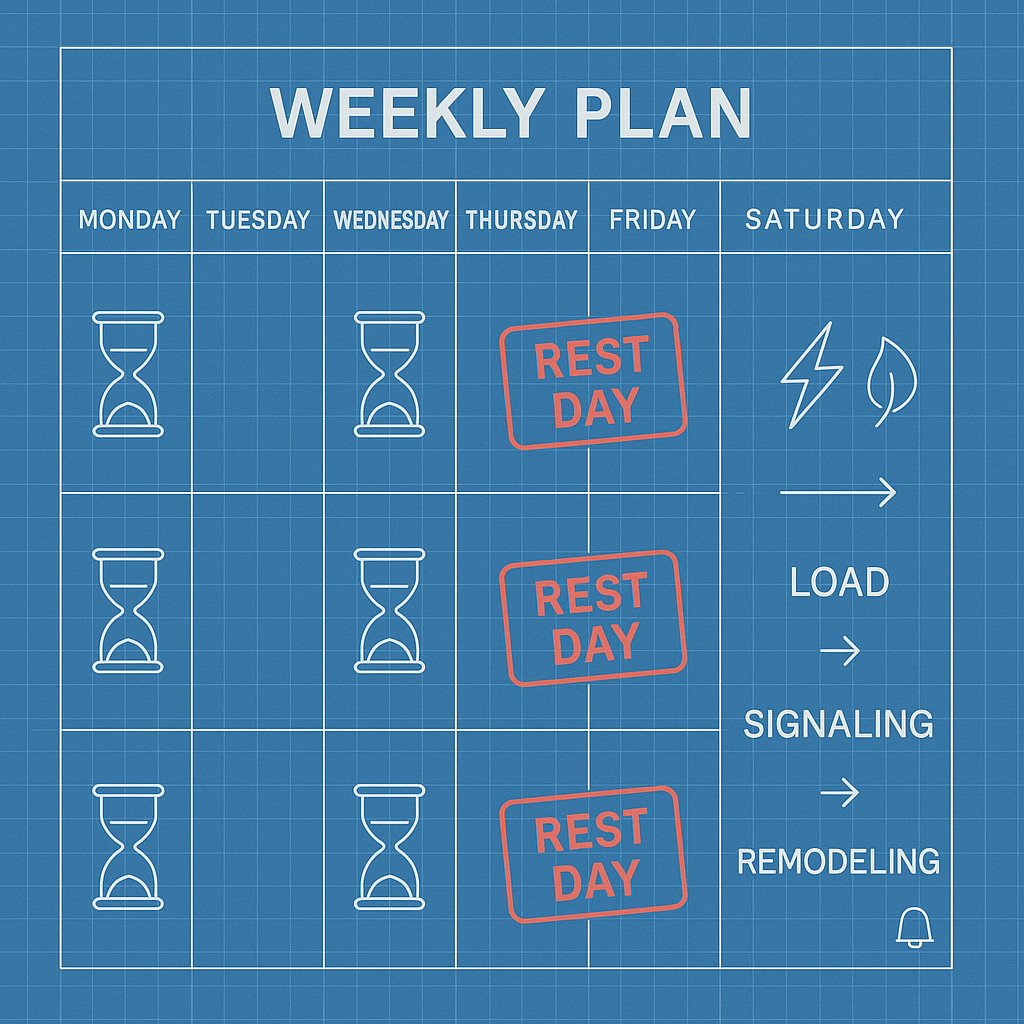
Quick look: Mon, Tue, Thu, Fri—2–3 blocks of 20–30 minutes (60–90 minutes total), Wed—light 15–20 minutes or rest, Sat–Sun—rest and active recovery (warmth, gentle stretches, light massage). Optional: brief warm‑up jelq before sessions. Leave cushion time around ejaculation; avoid heavy traction immediately before or after. Track tension, refine device fit, and adjust sex techniq as comfort improves.
{‘h2’: ‘Table of Contents’}
Overview: What a Balanced Extender Routine is, who it’s for, and how a Weekly Plan with Rest and Recovery builds sustainable gains while protecting sensitivity.
Safety First: Screening, contraindications, and when to consult a clinician; red flags, circulation checks, and skin care essentials for mens sexual wellness.
Equipment Setup: Choosing a penis extender vs. penis stretcher, accurate sizing, base comfort, tension ranges, and fit checks before any traction time begins.
Warm-Up + Jelq Integration: Light heat, gentle stretches, and how to layer brief jelq sets to support blood flow without overloading tissues.
Weekly Planner: Day-by-day time blocks, progressive loading, strategic rest days, and a deload/deconditioning week to reset responsiveness.
Recovery Protocols: Micro-breaks, massage, moisturization, sleep, nutrition, and pelvic floor balance to maintain circulation and reduce irritation.
Performance & Techniques: Arousal control, edging basics, ejaculation timing relative to sessions, and practical sex techniq tips that complement training.
Tracking & Targets: Baseline metrics, photos, tension/time logs, realistic timelines, and signs you should pause, adjust, or end a session early.
Troubleshooting: Fit pain, numbness, discoloration, plateaus, and quick fixes for common extender issues before they become setbacks.
FAQs & Next Steps: Expected sensations, session stacking with a penis stretcher, integrating with workouts, and when to seek professional guidance.
{‘h2’: ‘How Soft Tissue Adapts: Why Rest Days Make Gains Stick’, ‘h3’: [‘Mechanotherapy in plain English (load → signaling → collagen remodeling)’, ‘Recovery windows (24–72 hours): when to push, when to wait’, ‘Avoiding the irritation–inflammation loop that stalls progress’]}
Soft tissues change through mechanotherapy: consistent load triggers cell signaling that tells fibroblasts to remodel collagen, making length and glide gains stick. A penis extender or penis stretcher provides gentle, long-duration traction; jelq adds low-intensity shear that supports circulation. The win for mens sexual wellness isn’t constant pulling—it’s the recovery that lets micro-tears organize into longer, more compliant fibers. Rest days reduce swelling, restore nerve sensitivity, and allow cross-links to mature so gains hold when the device comes off.
Plan recovery windows of 24–72 hours based on how the tissue feels. After a normal traction day, 24 hours is usually enough; after a tougher block or any soreness, wait 48–72 hours before pushing tension or time again. Green lights to train: normal color and temperature, pliable shaft skin, no numbness, and morning erections. Red lights to wait: persistent tenderness, cold spots, tingling, or edema. If you have planned sex or ejaculation, place a rest day before and after to minimize irritation and keep sensitivity high.
Avoid the irritation–inflammation loop that stalls progress: too much tension, too soon, drives swelling, then compensatory tightness. Use progressive overload, warm-ups, plenty of lube for jelq, and deload weeks. If irritation appears, back off duration and force, prioritize sleep and hydration, and resume only when baseline comfort returns—consistency plus recovery beats any flashy sex techniq.
{‘h2’: ‘Safety First: Readiness Check and Baseline Setup’, ‘h3’: [‘Health screen and red flags (when to consult a clinician first)’, ‘Device fit, attachment, and environment prep’, ‘Warm-up options that improve comfort without risking burns’]}
Before starting a penis-extending routine, do a readiness check. Red flags: active skin infection/sores, recent urologic surgery, severe curvature (possible Peyronie’s), numbness, cold or pale glans, persistent pain, bleeding disorders/anticoagulants, or poorly controlled diabetes/neuropathy. If any apply—or if you’re unsure—consult a clinician first. Mayo Clinic offers patient-centered care and appointment requests for U.S. and international patients; in an emergency, call 911. Prioritize mens sexual wellness, not speed.
Fit and prep: Choose a penis extender or penis stretcher with the correct base ring and glans attachment (strap or vacuum). Start with the lowest tension, and record a bone-pressed baseline length to track progress. Clean the device, inspect for rough edges, trim hair where it attaches, and use a soft sleeve or wrap to disperse pressure. Set up a calm space with a chair, timer, mirror, and towel; never sleep in the device.
Warm-up for comfort without burns: use a warm shower or a warm, damp towel for 5–10 minutes, or a gel pack wrapped in cloth—warm, not hot. Test skin frequently; if it’s too hot for your hand, it’s too hot for the glans. Gentle massage is fine, but avoid aggressive jelq strokes. Dry completely before attaching the device, and don’t apply heat while wearing it. Schedule sessions away from immediately after ejaculation. Pair with evidence-based sex techniq coaching when needed.
{‘h2’: ‘The Weekly Variables You’ll Balance’, ‘h3’: [‘Time-under-tension and session frequency (without micromanaging grams)’, ‘Micro-breaks and circulation checks to protect nerves and skin’, ‘Rest days, recovery activities, and planned deloads’, ‘Setting a realistic weekly load budget’]}
For weekly balance, manage time-under-tension (TUT) and frequency. Start with 60–90 daily TUT minutes split into 2–3 sessions, 5 days/week, using a penis extender or penis stretcher at low–moderate tension. Progress about 10% weekly. Keep jelq brief (5–10 minutes) on alternate days—no need to micromanage grams.
Build in micro-breaks. Every 15–20 minutes, release the device for 2–3 minutes and perform circulation checks: normal color, warm temperature, intact sensation. Stop for numbness, coldness, or pain. Pad contact points, vary angle, and never sleep in the device to protect nerves and skin.
Plan recovery. Take 2 rest days weekly. Use warm compresses, light cardio, and pelvic floor relaxation to boost circulation. Every fourth week, deload by cutting TUT 30–50% and skipping jelq. Allow 12–24 hours between hard sessions and ejaculation if you notice post-activity sensitivity.
Set a realistic weekly load budget. Example: 300–450 TUT minutes plus 30–60 jelq minutes, adjusted to your response and goals in mens sexual wellness and sex techniq practice. Track comfort and morning erections; if either declines, reduce load 20% and consult a qualified clinician.
{‘h2’: ‘Daily Session Template You Can Repeat’, ‘h3’: [‘Pre-session routine (hygiene, warm-up, fit check, log start)’, ‘During-session flow (ramp-in, micro-break cadence, comfort audits)’, ‘Cool-down and post-care (skin, lymph, notes for tomorrow)’]}
Create a repeatable pre-session. Shower, clean the device, and warm the area 5–10 minutes for elasticity. Trim hair where the base sits. Quick skin check for hotspots. Seat the bell/strap without pinching and confirm even traction. Start your log: date, planned minutes, starting tension/rod length, comfort baseline. Consistency and fit discipline underpin mens sexual wellness.
Ramp in: 5–10 minutes at light traction, then rise to your working load on the penis extender. Use micro-breaks: every 30–45 minutes, release 3–5 minutes, restore circulation, re-lube, and re-seat the penis stretcher. Run comfort audits every 10–15 minutes—watch color, temperature, numbness, pressure points. If coldness, tingling, or dark discoloration appears, stop, reset, or end the session.
Cool down with a warm compress, then 2–3 minutes of very light jelq to encourage lymph flow without overworking tissue. Pat dry, moisturize, and elevate briefly if puffy. Log end tension, total minutes, edema, and tomorrow’s tweak. Separate training and ejaculation by 30–60 minutes to reduce irritation. If pain persists, rest. Note which sex techniq, fit, and timing felt best.
{‘h2’: ‘Weekly Schedules by Level (with Rest Baked In)’, ‘h3’: [‘Beginner Weeks 1–4: Build tolerance with 3–4 training days’, ‘Intermediate Weeks 5–12: 4–5 days, split sessions, smarter rest’, ‘Advanced Week 13+: 5–6 days with strategic light/medium days’, ‘Example calendars: how to place rest days for consistency’]}
Beginner Weeks 1–4: Train 3–4 days weekly with 24–48 hours between. Start with 5 minutes of light jelq for circulation, then a penis extender at low tension for 30–40 minutes total in 2–3 blocks. Keep one full weekend day off; steady adaptation supports mens sexual wellness.
Intermediate Weeks 5–12: Go to 4–5 days and split time (30 minutes AM + 30 minutes PM) to reduce fatigue. Add gentle angle changes with a penis stretcher and finish with brief jelq. Rest after every 2 training days and run a deload week every 4 weeks at ~50% time.
Advanced Week 13+: Train 5–6 days, cycling intensity: two medium days, one light, repeat, then one full rest. Keep sessions sustainable; small, consistent stimuli beat marathons. After ejaculation, schedule light or rest because sensitivity may rise. Track comfort, skin, and morning response to guide load.
Example calendars: Beginner Mon–Tue–Thu–Sat (rest Wed–Fri–Sun). Intermediate Mon medium, Tue light, Thu medium, Fri light, Sat medium (rest Wed/Sun). Advanced rotate angles across days, keep Wednesday light and Sunday off. Pair with hydration, sleep, and simple sex techniq drills for awareness.
{‘h2’: ‘Sex, Ejaculation, and Pelvic Floor Balance’, ‘h3’: [‘Scheduling sexual activity around training without overloading tissues’, ‘Kegels vs reverse kegels: keeping tone balanced’, ‘Sensitivity dips and how to plan a lighter day after sex’]}
When you’re using a penis extender or penis stretcher alongside jelq work, schedule intercourse so tissues get recovery. Aim for 6–12 hours between a high‑tension session and sex, and avoid stacking your highest traction with vigorous thrusting the same day. If sex follows training, cut extender tension and duration that day and finish with heat. If sex is planned first, wait until sensitivity normalizes before any traction, or shift training to the next morning.
Balance the pelvic floor: Kegels build contractile strength, while reverse kegels teach relaxation and lengthening. Overdoing Kegels can leave you “tight” and reactive; pair each set of contractions with an equal volume of reverse kegels, using slow nasal breaths and a soft belly to release the sling of muscles at the base of the penis. Hip flexor and adductor mobility also help keep tone even.
After ejaculation, temporary sensitivity dips and mild tenderness are common. Make the following day a lighter day: reduce total extender time 30–50%, keep traction low, and swap intense jelq sets for gentle massage, heat, and reverse kegels. Long edging or other sex techniq counts as load too—recover accordingly. Track morning erections, EQ, and soreness; persistent pain warrants a pause and a mens sexual wellness consult.
{‘h2’: ‘Recovery Toolbox: What Actually Helps’, ‘h3’: [‘Sleep and stress: foundations for hormone and tissue health’, ‘Nutrition for collagen remodeling (protein, vitamin C, hydration)’, ‘Heat, light massage, and simple lymphatic techniques’, ‘Skin care basics (especially for vacuum users)’]}
For mens sexual wellness, sleep is the top recovery tool: get 7–9 hours nightly. Stress blunts testosterone and slows tissue repair, so use easy breathwork, short walks, and gentle mobility on off‑days between penis extender work. Keep caffeine early, limit alcohol, and pause intense jelq or advanced sex techniq drills during recovery.
Support collagen remodeling with nutrition and hydration: target 1.2–1.6 g/kg/day protein plus vitamin C–rich foods (citrus, berries, peppers). Many lifters use 10–15 g collagen or gelatin with 50–200 mg vitamin C 30–60 minutes around traction; this may help synthesis. Hydrate to pale‑yellow urine; add electrolytes if you sweat.
Heat boosts extensibility: use a warm wrap or shower 5–10 minutes before a penis stretcher or penis extender session, and 3–5 minutes after. Use light massage—gliding strokes toward the base—to aid lymph flow and reduce swelling. Stop with pain, coolness, or numbness; if bruising or edema occurs, pause jelq and traction 24–48 hours.
Protect skin, especially with vacuum devices. Clean cylinders, cover the glans with a silicone cap, and apply unscented moisturizer post‑session. Keep pressures and time moderate to avoid blisters or donut swelling. If sensitive, delay ejaculation a few hours after heavy work. Persistent discoloration or numbness warrants a break and medical advice.
{‘h2’: ‘Device-Specific Recovery Considerations’, ‘h3’: [‘Vacuum bell: blister/edema prevention and rest protocols’, ‘Strap/noose: nerve-compression avoidance and rotation strategies’, ‘Rotating attachments to share load across tissues’]}
Vacuum bell users should prioritize skin health to prevent blisters and edema. Start with minimal vacuum and shorter sets (10–20 minutes), then build gradually. Use a protective cap or soft liner, keep the glans dry, and avoid sharp temperature changes. At the first sign of swelling, clear fluid, or hot spots, stop, massage blood back in, and rest. After any blister, take 48–72 hours off; after mild edema, 24 hours. When resuming, reduce tension and time for the first session. These recovery rules let a penis extender routine stay consistent without setbacks.
With strap/noose attachments on a penis stretcher, your goal is nerve-compression avoidance. Choose a wider strap, add padding, and position just behind the coronal ridge without pinching. The strap should be snug yet allow a fingertip under it. Limit continuous wear to 30–60 minutes, then release, warm, and re-oxygenate. If you feel numbness, tingling, coldness, or blanching, stop immediately and rest 24–72 hours before reloading.
Rotate attachments to share load across tissues: alternate vacuum and strap days, and vary angles (up, down, straight) to distribute stress between glans, tunica, and ligaments. On lighter days, use gentle heat and low-intensity jelq to promote circulation. Avoid heavy sessions immediately after ejaculation; give several hours for sensitivity to normalize. This balance supports mens sexual wellness while you also refine sex techniq, keeping gains and comfort on track.
{‘h2’: ‘Managing Fatigue and Minor Irritation Before They Escalate’, ‘h3’: [‘Green/yellow/red signals and immediate adjustments’, ‘Short-term “rescue” plan (48–72 hours) after overdoing it’, ‘When to pause fully and seek medical care’]}
Use a green/yellow/red check each session. Green = light stretch, mild fullness, pinkness fading within 20–30 minutes—proceed at current settings. Yellow = lingering tenderness, hot spots, edema rings, tingling, reduced erection quality, or erratic ejaculation after a penis extender or penis stretcher session—immediately drop tension 20–40%, shorten time, add an off‑day, and skip jelq or other sex techniq work until baseline returns.
Rescue plan (48–72 hours) after overdoing it: stop all loading (no extender, no stretching, no jelq), warm compresses 10 minutes 2–3×/day, apply a bland barrier ointment to irritated skin, prioritize sleep and hydration, and use OTC pain relief only if appropriate for you. When you’re ≥90% better, restart at 50–60% of prior tension and duration, then rebuild progressively.
Pause fully and seek care for red flags: sharp pain, sudden swelling, numbness or coldness, blistering/tears, spreading dark bruising, persistent loss of sensation, trouble urinating, or color that doesn’t normalize. For emergencies, call 911 (U.S.). For nonurgent evaluation, request an appointment at Mayo Clinic or see international options at Mayo Clinic International. These safeguards support mens sexual wellness while keeping training safe and sustainable.
{‘h2’: ‘Deload Weeks, Travel, and Life Events’, ‘h3’: [‘How to schedule a deload every 3–6 weeks’, ‘Maintaining conditioning during busy periods’, ‘Rebuilding after layoffs without losing momentum’]}
Plan a deload every 3–6 weeks: for 5–7 days cut total traction time and tension to about half, switch to easy mobility, heat, and very light jelq. This protects tissue quality, restores sensitivity, and keeps progress sustainable for mens sexual wellness. If you use a penis extender or penis stretcher, think maintenance, not overload—short, low‑tension sessions with full rest days. Use the week to refine sex techniq, breathing, and pelvic‑floor relaxation.
On busy weeks or travel, use micro‑sessions: 5–10 minutes of gentle manual stretches plus 20–30 light jelq after a warm shower, once or twice daily. If privacy allows, use your penis extender on the lowest setting for 20–30 minutes in the hotel; skip use on flights. Hydrate, prioritize sleep, walk regularly, and align deloads with travel when possible so you maintain conditioning without overreaching.
After layoffs, restart at 50–70% of prior time/tension and add about 10% weekly if erections, color, and comfort stay normal. Keep jelq light for 1–2 weeks, and avoid intense work right before vigorous intercourse or ejaculation. If you notice pain, numbness, or persistent discoloration, stop and consult a clinician before resuming.
{‘h2’: ‘Tracking and Reviewing Progress’, ‘h3’: [‘What to log daily and what to review weekly’, ‘Monthly measurement cadence and realistic timelines’, ‘Plateau playbook: change one variable, not five’]}
What to log daily and what to review weekly: Record total time under tension, traction level/rod length, device angle, comfort, and skin status for your penis extender or penis stretcher. Note jelq minutes/reps, warm-up/cool-down, soreness (0–10), erection quality, morning wood, sleep, hydration, and ejaculation frequency. Each week, review averages and trends: total weekly TUT, adherence to rest days, slippage/fit issues, hotspots, and whether EQ and comfort are stable or improving. This keeps mens sexual wellness goals anchored to concrete data.
Monthly measurement cadence and realistic timelines: Measure only every 4 weeks under identical conditions (same time of day, warm-up, ruler, stance). Track BPEL, mid-shaft girth, and flaccid stretched length, plus clear photos. Expect slow, incremental change; focus on consistency, comfort, and recovery over quick results. If nothing changes for 8–12 weeks but EQ, stamina, or confidence improve, that’s still progress.
Plateau playbook: change one variable, not five. For 2–3 weeks, adjust just one lever—slightly increase traction, extend one session by 10–15 minutes, modify angle, add or remove one jelq day, or insert a de-load week. You can also tweak ejaculation frequency, pelvic floor relaxation, or a sex techniq practice. If pain or numbness appears, stop immediately, rest, and consult a qualified clinician before resuming.
{‘h2’: ‘Special Situations and Modifications’, ‘h3’: [‘Peyronie’s disease: curvature-focused planning and clinician guidance’, ‘Diabetes, neuropathy, and anticoagulants: extra safety margins’, ‘Circumcision status, cold weather, and desk jobs: practical tweaks’]}
Peyronie’s disease needs curvature‑focused planning. If you use a penis extender, align traction opposite the curve, start very low, and keep brief sets. Avoid aggressive bends and jelq. Log angles/skin and use gentle heat. Partner with a urologist; Mayo Clinic offers patient‑centered, multidisciplinary guidance and appointments: https://mayoclinic.com/patient-centered-care, https://mayoclinic.com/appointments (international: https://mayoclinic.com/international).
With diabetes, neuropathy, or anticoagulants, add safety margins: reduce tension to 50–70%, limit sets to 10–15 minutes, and use timed visual checks, not sensation. Use wider pads on the penis stretcher, skip high‑pressure jelq, and lengthen rest days. Watch for bruising, lasting redness, or numbness; stop and consult your clinician to protect healing and bleeding risk.
Practical tweaks: Uncircumcised users can add a thin sleeve to control foreskin; circumcised users may need a barrier cream to reduce strap friction. In cold weather, warm up and insulate to avoid vasoconstriction. For desk jobs, plan low‑tension micro‑sessions and stand hourly to check circulation. Time ejaculation for off‑days, and keep sex techniq gentle post‑session to support mens sexual wellness.
{‘h2’: ‘Safety Limits and Red Flags’, ‘h3’: [‘Numbness, color change, pain, blisters, and persistent swelling’, ‘Stop-now criteria and next steps’, ‘Trusted resources and when to see a urologist’]}
In any mens sexual wellness plan that uses a penis extender, penis stretcher, or jelq, know the red flags. Stop immediately if you notice numbness or tingling that doesn’t resolve quickly, skin color changes (pale, blue, purple, or gray) or coldness, sharp or escalating pain, blisters, abrasions, or open sores. Persistent swelling that lasts beyond 24 hours, reduced sensation, or worsening curvature are also warning signs. During and after sessions, check frequently: if circulation doesn’t feel normal within a few minutes after removal, that’s a problem—don’t “push through.”
Stop-now criteria and next steps: remove the device at once if any red flag appears; do not sleep in a device; and pause all training (and strenuous sexual activity or ejaculation) until symptoms fully resolve. Use shorter sessions and lower tension on return, with warm-up and 10–15 minute circulation checks. If symptoms persist, worsen, or recur, discontinue the routine and arrange a medical evaluation. Poor fit, excessive tension, or too-frequent sessions are common culprits—fix those before resuming any sex techniq work.
Seek urgent care or call 911 for severe pain, a cold/discolored penis, uncontrolled bleeding, or inability to urinate. For nonemergencies, see a board‑certified urologist. Mayo Clinic offers patient‑centered care and appointment help: Appointments and International. Learn about their care approach at Patient‑centered care.
{‘h2’: ‘FAQs: Rest, Recovery, and Scheduling’, ‘h3’: [‘How many rest days do I need each week?’, ‘Can I wear an extender overnight?’, ‘Where do micro-breaks fit in a busy day?’, ‘Is heat better before or after sessions?’, ‘How to schedule around morning erections?’, ‘What if I see vacuum edema—do I stop for the week?’, ‘Does ejaculation hurt recovery or gains?’, ‘What if erection quality dips after a heavy week?’, ‘I missed two days—do I double up tomorrow?’, ‘Best time of day to train?’, ‘How long should a deload last?’]}
Plan 1–2 full rest days each week. Avoid wearing a penis extender or penis stretcher overnight—sleep changes tension, circulation, and awareness. Use micro-breaks: 2–3 minutes off every 30–60 minutes to restore warmth and blood flow.
Heat helps most before and briefly after sessions: warm up 5–10 minutes, cool down 3–5 minutes; don’t overheat skin. If morning erections interfere, wait until flaccid (post-shower is ideal) or shift sessions to late morning or evening.
See vacuum edema? Stop immediately. Take 24–48 hours off, then resume with lower tension/shorter sets; extend the break only if swelling or discoloration persists. Mild, low‑pressure jelq can be included on training days, but skip it when tender or during deloads.
Ejaculation doesn’t derail recovery or gains in mens sexual wellness routines, though you may be temporarily more sensitive—adjust tension accordingly. If erection quality dips after a heavy week, deload 3–7 days: cut time/tension by 40–60%, prioritize sleep, hydration, light cardio, and gentle pelvic floor work.
Missed two days? Don’t double up. Return to the plan and, at most, add one light session if you feel fresh. Best time of day is when you can be consistent—many prefer after a warm shower, not right before intense exercise. A structured deload can last 5–10 days every 6–8 weeks or whenever fatigue signs appear. Refine your sex techniq gradually; consistency beats marathons.
{‘h2’: ‘References and Credible Resources’, ‘h3’: [‘Clinical guidance on traction therapy (e.g., AUA/EAU, Mayo Clinic)’, ‘Mechanotherapy and soft-tissue remodeling literature’, ‘Circulation, heat therapy, and sleep research relevant to recovery’]}
For clinical guidance on traction therapy used in men’s sexual wellness (including Peyronie’s disease and post‑surgical rehab), consult position statements and guidelines from the American Urological Association (AUA) and European Association of Urology (EAU), and seek multidisciplinary, patient‑centered care at Mayo Clinic. Mayo Clinic resources: patient-centered care https://mayoclinic.com/patient-centered-care, appointments https://mayoclinic.com/appointments, and international patient services https://mayoclinic.com/international. These sources can help you align any penis extender or penis stretcher use with evidence‑based oversight and track outcomes such as erectile function and ejaculation.
For mechanotherapy fundamentals, look for peer‑reviewed literature on soft‑tissue remodeling, mechanotransduction, creep/strain dosing, and connective‑tissue adaptation (e.g., tendon and dermal studies that inform safe traction loads and schedules). Be cautious with anecdotal sex techniq claims; techniques like jelq lack robust evidence and carry injury risk without medical supervision. Device protocols should prioritize gradual loading, rest intervals, and skin/nerve monitoring consistent with clinical traction research.
Recovery is supported by research on circulation, heat therapy, and sleep. Evidence in thermotherapy suggests gentle, localized heat can increase tissue extensibility before stretching, while sleep medicine literature underscores 7–9 hours of quality sleep for hormonal and collagen remodeling. For personalized guidance that integrates traction with recovery habits, coordinate with a urologist or sexual medicine specialist through Mayo Clinic and cross‑check recommendations on PubMed/Cochrane before changing your routine.
Where to Buy Official
To purchase from the official store buy penimaster now discount available.
Related Reading
- Beginner Extender Routine: Safer Wear Time and Tension—A Minimum‑Effective‑Dose 6‑Week Plan
- Extender Tension Calibration: Safe Daily Protocol That Adapts in Real Time
- Anchor Linking Test: Ensure Plain URLs Become Clickable Across DickCanGrow
- Seal Management: Prevent Edema When Using Vacuum Heads
- Quick Fixes: Stop Slippage and Edema in One Session
- Clean References: Keep Text, Remove External Hrefs
- Vector Databases for Retrieval in Men’s Sexual Wellness: A Safety‑First Playbook
FAQ
Q: Are split sessions (morning/evening) as effective as one long block?
A: Yes—total daily time-under-tension matters most. Leave at least 2–3 hours between bouts to re‑perfuse tissues, and keep the second block slightly lighter if you felt any tenderness earlier. Track total minutes and comfort so volume doesn’t creep up unnoticed.
Q: What does a productive rest day actually look like?
A: Focus on circulation, not load: a brisk walk, light warmth in the shower, and a couple minutes of gentle hand massage or lymph strokes. Add a few sets of relaxed breathing and reverse kegels to drop pelvic tone. Hydrate, moisturize the skin, and prioritize sleep; avoid ‘testing’ high tension.
Q: How do I know when to increase duration or tension next week?
A: If the past 7–10 days were free of numbness, unusual color change, or lingering soreness and your morning erections stayed normal, you’re ready. Change only one variable: add 10–15% more time or take a small tension step, not both. Hold the new load for at least a week before another change.
Q: How should I rotate attachments to reduce hot spots and irritation?
A: Alternate attachment types across days or within the same day to spread pressure. Limit noose/strap blocks to 20–30 minutes before a micro‑break and slight reposition; cap vacuum bell blocks to 30–45 minutes to minimize edema. Use padding, vary the anchor point along the corona, and switch sides if your device allows.
Q: Traveling this week—what’s the minimum effective dose to maintain progress?
A: Aim for maintenance: three short sessions of 30–45 minutes with strict micro‑breaks, or two 20‑minute blocks morning and evening. Pack lube, spare pads, and a soft wrap; if privacy or time is tight, treat it as a deload week instead of forcing sessions. Keep walking, hydrating, and sleeping well to preserve conditioning.
FAQ
Q: What should I know about {‘h2’: ‘Balanced Extender Routine: Weekly Plan with Rest and Recovery’, ‘h3’: [‘What you’ll get from this guide (safe, sustainable weekly planning)’, ‘Who this plan serves (beginners, seasoned users, Peyronie’s therapy considerations)’, ‘Quick look: a balanced week in 30 seconds’]}?
A: {‘h2’: ‘Balanced Extender Routine: Weekly Plan with Rest and Recovery’, ‘h3’: [‘What you’ll get from this guide (safe, sustainable weekly planning)’, ‘Who this plan serves (beginners, seasoned users, Peyronie’s therapy considerations)’, ‘Quick look: a balanced week in 30 seconds’]} matters because it supports the main goal of this guide. Focus on correct technique, gradual progress, and consistent practice. Avoid common mistakes and use credible sources.
Q: What should I know about {‘h2’: ‘Table of Contents’}?
A: {‘h2’: ‘Table of Contents’} matters because it supports the main goal of this guide. Focus on correct technique, gradual progress, and consistent practice. Avoid common mistakes and use credible sources.
Q: What should I know about {‘h2’: ‘How Soft Tissue Adapts: Why Rest Days Make Gains Stick’, ‘h3’: [‘Mechanotherapy in plain English (load → signaling → collagen remodeling)’, ‘Recovery windows (24–72 hours): when to push, when to wait’, ‘Avoiding the irritation–inflammation loop that stalls progress’]}?
A: {‘h2’: ‘How Soft Tissue Adapts: Why Rest Days Make Gains Stick’, ‘h3’: [‘Mechanotherapy in plain English (load → signaling → collagen remodeling)’, ‘Recovery windows (24–72 hours): when to push, when to wait’, ‘Avoiding the irritation–inflammation loop that stalls progress’]} matters because it supports the main goal of this guide. Focus on correct technique, gradual progress, and consistent practice. Avoid common mistakes and use credible sources.
Key Concepts & Entities
penile traction therapy:
Penile traction therapy uses a penis extender/penis stretcher to apply gentle, sustained pull that encourages tissue remodeling. A balanced weekly plan: 5 days of wear, 2 days off. Start with 60–90‑minute sessions, pausing every 30–60 minutes for 5 minutes to restore circulation. Begin at low tension and increase gradually week to week, prioritizing comfort over numbers. Avoid overnight use and check skin, glans temperature, and sensation frequently.
Before each session, warm up with a shower or warm wrap; after, do 3–5 minutes of light jelq at low erection levels to promote blood flow. Keep recovery days device‑free, focusing on hydration and sleep. Avoid traction immediately before or after vigorous sex or ejaculation to limit irritation. If you feel numbness, coldness, or color change, remove the device immediately.
For mens sexual wellness goals, combine traction with evidence‑based sex techniq coaching and medical guidance. For individualized, patient‑centered care and international appointment help, consider a major center such as Mayo Clinic.
vacuum bell attachment:
Using a vacuum bell attachment with a penis extender improves grip and comfort when sized and sealed correctly. Pick a cup that fits the glans, apply a thin water‑based lubricant, and create gentle negative pressure—enough to seat the glans without pain. Keep tissue warm and pink; any numbness, coldness, or blistering means reduce vacuum or stop. Pair the bell with moderate traction so sessions feel firm but tolerable, and release pressure briefly every 30–45 minutes to restore circulation.
For a balanced week, train 4–5 days with 2 rest days. Begin with 2–3 blocks daily (30–45 minutes each), add time gradually, and use off‑days for warm‑ups and 3–5 minutes of very light jelq. Avoid bell or extender work right after ejaculation, when sensitivity is higher. Alternate with a strap‑based penis stretcher only after conditioning. Support mens sexual wellness with simple sex techniq like breathing and arousal control, and consult a clinician if you feel pain or see persistent red spots.
blister prevention:
In a balanced extender routine for mens sexual wellness, the best blister prevention is scheduling stress and recovery. Use your penis extender or penis stretcher 4 days per week, 30–60 minute sets with 10–15 minute air-offs, and keep two rest days. Start with low tension/low vacuum, increase gradually, and always anchor with a protector cap, silicone sleeve, or light micropore tape on the glans to spread pressure. Clean and dry the area before each set; a tiny bit of lubricant under the sleeve reduces shear, while powder reduces friction.
Smart technique matters: warm up, but avoid heavy jelq right before devices to prevent edema. After sessions, rinse, pat dry, and moisturize. Skip training after ejaculation when sensitivity and swelling are higher. At the first hot spot, stop; never pop a blister—rest 48 hours and seek care if red, draining, or painful. Don’t sleep in the device. Pair this with sex techniq practice to improve stamina without sacrificing skin health.
nerve compression:
Nerve compression can occur when a penis extender or penis stretcher is too tight, worn too long, or placed poorly. Warning signs include tingling, numbness, burning, cold or pale glans, reduced sensitivity, weak erections, or altered ejaculation. Combining high-tension stretching with intense jelq in the same session increases pressure and swelling, raising compression risk.
Prevention in a balanced weekly plan: use a wide, padded strap just behind the coronal ridge; keep tension moderate; limit sets to 45–60 minutes with 5–10 minute device-off checks; never sleep in the device. Build 2 rest days per week and lighter midweek sessions to allow nerve recovery. If you jelq, keep it light, do it on alternate days, and avoid vigorous sex techniq or pressure on the glans right after training.
If numbness, color change, or pain appears, remove the device immediately; if symptoms persist beyond an hour, pause your routine and consult a mens sexual wellness specialist or urologist. For coordinated, patient-centered care, Mayo Clinic offers multidisciplinary teams and appointment coordination for U.S. and international patients. If this is an emergency, call 911 or your local emergency services.
pelvic floor (Kegels, reverse Kegels):
Pelvic floor training anchors a balanced extender routine, supporting circulation, tissue recovery, and control over arousal and ejaculation. Kegels build coordinated strength; reverse Kegels teach relaxation so you don’t over‑tense while using a penis extender or penis stretcher. Together, they elevate mens sexual wellness and complement jelq and any sex techniq you practice.
Weekly plan: on three nonconsecutive days, do 2–3 sets of 8–12 Kegels—exhale, gently contract as if stopping urine or gas, hold 3–5 seconds, then fully relax 6–8 seconds. On two lighter days, do reverse Kegels—inhale, let the pelvic floor lengthen and “drop”—10–15 slow breaths. Pair light reverse Kegels before extender sessions and Kegels after to restore tone. Take at least one full rest day; after jelq or ejaculation, favor relaxation work and gentle walking.
Recovery cues: avoid breath‑holding, keep abdomen and glutes relaxed, and stop with any pain. Build time before sets, and if soreness or urinary changes persist, scale back and see a clinician.
FAQ
Q: Can I combine extender work with pumping or manual stretches?
A: Yes—pair them thoughtfully. If you stack on the same day, do brief manual warm-up before the extender and keep the pump light or skip it; otherwise alternate days. Manage total weekly load by adding one new session at a time and watching erection quality, sensitivity, and skin for fatigue.
Q: How do I gauge the right tension without a measurement gauge?
A: Aim for a steady elongation you can hold 30–60 minutes with only minor strap adjustments and a warm, well-perfused glans. Pain, tingling, coolness, or color change within 5–10 minutes means the load is too high. Progress by time first, then small tension bumps (about 5–10%).
Q: How can I fit sessions around a desk job discreetly?
A: Use split blocks of 45–60 minutes with 2–3 minute micro-breaks every 10–15 minutes, and plan restroom checks. Wear looser pants, keep the base angle neutral to avoid nerve pressure, and never use while driving. Set silent timers and stand up between blocks for circulation.
Q: How do I know when to increase daily time or move up a level?
A: If morning and training erections are stable, skin and glans look normal within a few hours post-session, and you can repeat last week’s total time without new hotspots, you’re ready. Add 10–15% more daily time or one extra short block—not both—and hold for a week before changing anything else.
Q: What’s the best way to clean and maintain my extender to protect skin?
A: Rinse skin-contact parts after each use with warm water and mild, fragrance-free soap, then air-dry completely. Disinfect weekly if materials allow, smooth any rough edges, and replace sleeves or nooses when they lose elasticity. Avoid oils on contact surfaces and store the device clean and dry.
FAQ
Q: What should I know about {‘h2’: ‘Balanced Extender Routine: Weekly Plan with Rest and Recovery’, ‘h3’: [‘What you’ll get from this guide (safe, sustainable weekly planning)’, ‘Who this plan serves (beginners, seasoned users, Peyronie’s therapy considerations)’, ‘Quick look: a balanced week in 30 seconds’]}?
A: {‘h2’: ‘Balanced Extender Routine: Weekly Plan with Rest and Recovery’, ‘h3’: [‘What you’ll get from this guide (safe, sustainable weekly planning)’, ‘Who this plan serves (beginners, seasoned users, Peyronie’s therapy considerations)’, ‘Quick look: a balanced week in 30 seconds’]} matters because it supports the main goal of this guide. Focus on correct technique, gradual progress, and consistent practice. Avoid common mistakes and use credible sources.
Q: What should I know about {‘h2’: ‘Table of Contents’}?
A: {‘h2’: ‘Table of Contents’} matters because it supports the main goal of this guide. Focus on correct technique, gradual progress, and consistent practice. Avoid common mistakes and use credible sources.
Q: What should I know about {‘h2’: ‘How Soft Tissue Adapts: Why Rest Days Make Gains Stick’, ‘h3’: [‘Mechanotherapy in plain English (load → signaling → collagen remodeling)’, ‘Recovery windows (24–72 hours): when to push, when to wait’, ‘Avoiding the irritation–inflammation loop that stalls progress’]}?
A: {‘h2’: ‘How Soft Tissue Adapts: Why Rest Days Make Gains Stick’, ‘h3’: [‘Mechanotherapy in plain English (load → signaling → collagen remodeling)’, ‘Recovery windows (24–72 hours): when to push, when to wait’, ‘Avoiding the irritation–inflammation loop that stalls progress’]} matters because it supports the main goal of this guide. Focus on correct technique, gradual progress, and consistent practice. Avoid common mistakes and use credible sources.
Key Concepts & Entities
lymphatic drainage:
Lymphatic drainage keeps tissues supple and limits the temporary fluid “donut” swelling that can follow jelq work or time in a penis extender or penis stretcher. Right after a session, spend 5–10 minutes on gentle, base‑to‑glans strokes directed back toward the groin, slow belly breathing, and easy walking. Use a warm shower then a brief cool rinse, hydrate with water and electrolytes, and avoid constriction rings. Elevate the pelvis for 10 minutes and let color and temperature normalize before any sex techniq or ejaculation.
In a balanced weekly plan for mens sexual wellness, build in recovery days. If puffiness or numbness appears, lower intensity, shorten sets, or add an extra rest day; persistent discoloration, pain, or reduced sensation means stop and consult a qualified clinician. On rest days, light cardio, pelvic floor relaxation, and gentle stretches support circulation; aggressive heat or hard massage is unnecessary. Smart lymph care improves comfort, training tolerance, and skin integrity for long‑term results with a penis extender or penis stretcher.
sleep hygiene:
Sleep is the quiet engine of recovery in a balanced extender routine. Aim for 7–9 hours nightly on a consistent schedule to support connective-tissue adaptation between sessions and overall mens sexual wellness. Build a wind‑down: dim lights, avoid screens for 60 minutes, keep your room cool, dark, and quiet, and limit caffeine after early afternoon. Gentle breathing or light stretching calms the nervous system so your body can repair from penis extender work and jelq practice without added stress. Hydrate earlier in the evening and keep late meals light to reduce awakenings.
Across the week, anchor earlier bedtimes on heavier traction days (penis stretcher or combined jelq + traction) and protect one “deload” night with extra sleep. If needed, a 10–20 minute early‑afternoon nap boosts alertness without hurting nighttime rest. Go easy on alcohol; it fragments sleep and can diminish morning training quality and ejaculation control. Quality sleep also sharpens focus for any sex techniq you’re refining, helping you stay patient and consistent with your plan.
nutrition (protein, vitamin C, hydration):
Nutrition is the quiet driver of progress in a balanced extender routine. When you’re rotating penis extender or penis stretcher days with rest, aim for 1.2–1.6 g protein per kg body weight to support collagen remodeling and micro‑recovery from jelq practice. Prioritize complete protein sources—eggs, fish, lean meats, dairy, soy, or a whey/pea shake—and spread intake over 3–4 meals, including a post‑session snack.
Keep vitamin C steady to aid collagen cross‑linking and capillary resilience: 75–120 mg daily from citrus, berries, kiwi, and bell peppers is plenty for most. Pair C‑rich produce with protein meals after training to nudge tissue recovery without megadosing.
Hydration underpins mens sexual wellness and safe sessions: target pale‑yellow urine, roughly 30–35 mL/kg/day, and add electrolytes if you sweat. Limit alcohol and ultra‑sweet drinks around work to preserve blood flow, comfort, and ejaculation control. Combine smart fueling with rest days, light mobility, and gentle sex techniq to keep gains consistent and tissues responsive.
smoking and collagen:
Smoking undermines collagen and elastin—the very fibers your shaft skin and tunica rely on to adapt to a balanced penis extender routine. Nicotine constricts vessels and carbon monoxide lowers oxygen, slowing fibroblast activity and collagen cross‑linking. The result: slower recovery from a penis stretcher, higher risk of micro‑tears with jelq, more irritation, and fewer measurable gains in mens sexual wellness.
Action plan: prioritize cessation; if not there yet, avoid smoking 60–90 minutes before and after sessions to protect blood flow. Use lighter tension, shorter sets, and add an extra rest day when cravings spike. Support collagen with 1.6–2.2 g/kg protein, vitamin C–rich foods, copper, and hydration; moisturize post‑session. Skip jelq or stretching on inflamed skin, and reassess intensity after ejaculation when sensitivity is higher. Track morning firmness and skin feel to gauge recovery. Cleaner vasculature means better tissue remodeling, endurance, and even more control over arousal and sex techniq during training weeks.
urologist consultation:
Before starting a penis extender or penis stretcher routine, schedule a urologist consultation. A specialist can screen for conditions (e.g., Peyronie’s disease, neuropathy, anticoagulant use) that raise injury risk, set safe tension/time targets, and align the plan with your mens sexual wellness goals (erection quality, curvature, ejaculation control). Expect baseline measurements and photos, nerve/vascular checks, and a review of jelq and other sex techniq you may be considering. Because jelq can bruise tissue and may impair function if overdone, your urologist can suggest safer alternatives or guardrails, including gradual progression, planned rest days, and clear stop signals (pain, numbness, discoloration).
For coordinated care, consider a patient-centered, multidisciplinary setting such as Mayo Clinic, where providers collaborate under one record. Request an appointment at mayoclinic.com/appointments, learn about care philosophy at mayoclinic.com/patient-centered-care, and get international assistance via mayoclinic.com/international. Structured follow-up lets your care team adjust the weekly plan, verify tissue recovery, and track outcomes responsibly over time.

Post Comment