Extender Tension vs Wear-Time: How to Balance for Safety
Read more in our Complete Guide to Penis Extenders, Stretchers &. For more details, see extender signals guide.

Table of Contents
- Title: Extender Tension vs Wear-Time: How to Balance for Safety
- 1. What “balance” really means: Force, time, and recovery working together
- 2. Evidence snapshot: What clinical studies and biomechanics say about safe loading
- 3. Define your safety envelope before you start (health screen, device check, environment)
- 4. Tension zones and wear-time bands you can actually use
- 5. The Tension–Time Index (TTI): A simple way to plan, progress, and avoid overdoing it
- 6. First 4–6 weeks: Conditioning protocol with frequent circulation checks
- 7. Weeks 6–24: Progression—increase one variable at a time (and when to deload)
- 8. Micro-breaks, circulation tests, and skin care that prevent downtime
- 9. Device-specific tactics: Vacuum bell vs strap/noose vs hybrid systems
- 10. Read your signals: Green/yellow/red flags and the exact adjustments to make
- 11. Scheduling templates: Split sessions, weekly load budgets, and rest days
- 12. Stacking safely: Manual stretches, jelqs, and sexual activity without compounding irritation
- 13. Special situations: Peyronie’s therapy goals, diabetes/neuropathy, anticoagulants, post-procedure timing
- 14. Common overload mistakes and quick rescues that keep progress on track
- 15. Track what matters: A minimalist log for tension, time, symptoms, and recovery
- 16. FAQs: Quick answers on force caps, edema prevention, numbness, and session length
- 17. Glossary: Plain-English definitions for traction terms
- 18. References and further reading (clinical guidance and trusted patient resources)
- Where to Buy Official
- FAQ
- Key Concepts & Entities
Title: Extender Tension vs Wear-Time: How to Balance for Safety
Expert Insight: According to mayoclinic.com, Mayo Clinic provides patient-centered care via an integrated, multidisciplinary team “under one roof” sharing a single medical record, enabling open communication so patients don’t have to make treatment decisions alone (https://mayoclinic.com/patient-centered-care). (mayoclinic.com)
For safe, sustainable results with a penis extender, prioritize moderate tension plus consistent wear-time over “maxing out.” Tissue adapts best to gentle, repeated traction. Begin at the lowest setting that maintains a steady pull without pain or numbness. Track comfort, skin condition, and morning sensitivity to balance progress with mens sexual wellness and long-term safety. For more details, see Balanced Extender Routine: Weekly Plan with Rest.

(see reference).
Practical starting plan: use a penis stretcher at light–moderate tension for 30–60 minute blocks, totaling 1–2 hours/day the first week. If skin and circulation stay normal, build toward 3–6 hours/day over several weeks, never exceeding comfort. Take 5–10 minute off-breaks every hour, and never sleep in the device. Stop immediately for coldness, discoloration, tingling, or numbness, and resume only after full recovery. Avoid combining high-tension sessions with intense jelq work; if you jelq, keep it light and separate sessions by several hours or alternate days. Consider 1–2 rest days per week. For more details, see Penis Extender Tension & Wear-Time Guide: How. For more details, see Tension Ramping Techniques.
Avoid extender sessions right before vigorous sex; post-ejaculation tissues can be more sensitive, so allow recovery before the next traction block. Use adequate padding and fit to protect the glans, and lubricate contact points to reduce shear. Pair traction with gentle sex techniq that minimize excessive friction while tissues adapt. For individualized guidance or if you have penile curvature, pain, or skin issues, consult a urology professional before progressing tension or wear-time. For more details, see Beginner’s Extender Routine: Step-by-Step Safety.
1. What “balance” really means: Force, time, and recovery working together
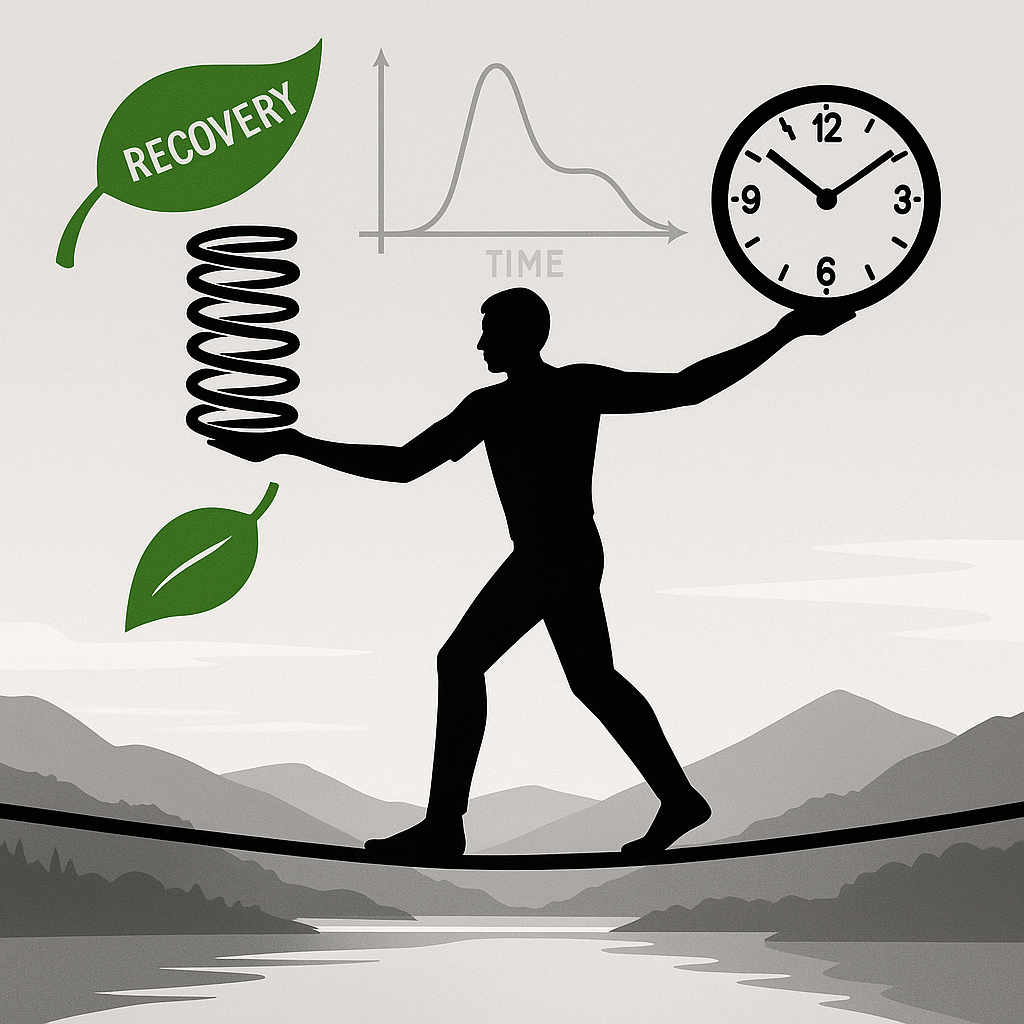
Balance means matching three variables—force, time, and recovery—so tissues adapt without injury. With a penis extender or penis stretcher, safe progress comes from gentle, steady traction you can sustain, not from cranking tension high. Think training: apply enough load to signal change, accumulate time under tension, then let circulation and healing catch up. If the device causes pain, numbness, coldness, or discoloration, tension is too high or breaks are too short—back off. Over weeks, gradually increase either wear-time or mild tension, not both at once, to respect recovery.
Practically, use moderate, consistent traction and split wear into shorter blocks with frequent circulation breaks. Track comfort, skin condition, and morning erections as feedback. Avoid stacking aggressive jelq work immediately before or after higher-tension sessions; separate them or alternate days so microstress from one doesn’t compound the other. Plan sexual activity and ejaculation away from your longest sessions to keep sensitivity and blood flow optimal. The goal isn’t maximum pull—it’s repeatable, comfortable sessions that add up. If you’re unsure, consult a mens sexual wellness clinician for individualized guidance and device fit. Whatever sex techniq you use, let force, time, and recovery work together so you stay safe and consistent enough to see results.
2. Evidence snapshot: What clinical studies and biomechanics say about safe loading
Peer-reviewed traction studies in urology show that low-to-moderate tension plus longer daily wear-time is the safest, most reliable way to use a penis extender or penis stretcher. Protocols that progress gradually and prioritize hours over peak pull report modest length gains with fewer adverse events. Short, high-force sessions raise risk without better outcomes. Bottom line: favor comfortable traction you can sustain.
Biomechanically, penile tissues are viscoelastic. Steady, sub-ischemic traction promotes creep and collagen remodeling; force spikes raise shear, vascular compromise, and nerve compression. Short offloading breaks support reperfusion and stress relaxation while preserving the cumulative “dose” of traction. Safe loading feels like a stretch—not pain, pins-and-needles, coldness, or discoloration—and warrants backing off if any warning signs appear.
Compared with jelq, which lacks robust trials and more often causes bruising when overdone, traction has the stronger evidence for mens sexual wellness goals. Extenders don’t alter ejaculation and aren’t a sex techniq to use during activity. If you have Peyronie’s disease, neuropathy, or take anticoagulants, get medical advice and increase wear-time and tension slowly.
3. Define your safety envelope before you start (health screen, device check, environment)
Before you balance tension and wear-time, define your safety envelope. Do a quick health screen: recent penile surgery/injury, infection/dermatitis, severe curvature, numbness, uncontrolled diabetes, vascular disease, bleeding disorders, or anticoagulant use all need medical clearance. If you get pain, coldness, discoloration, or numbness, stop.
Device check: use a quality penis extender/penis stretcher—avoid DIY. Inspect for cracks, worn straps, sharp edges; sanitize. Confirm base ring/cap fit; verify tension markers move smoothly. Do a 5–10 minute trial at the lowest setting to confirm circulation and normal color/temperature, then log a comfortable baseline.
Control the environment: warm room, seated posture, timer, and checks every 10–15 minutes. Never wear while sleeping, driving, or after alcohol/stimulants. If combining with jelq or other sex techniq work, keep tissues lubricated, avoid high arousal, and skip sessions right after ejaculation to limit congestion risk.
Unsure about risks? A mens sexual wellness clinician can tailor advice. Major centers like Mayo Clinic offer patient-centered, integrated care and convenient appointment options, including international support.
4. Tension zones and wear-time bands you can actually use
Use these practical tension zones and wear-time bands you can actually apply: Low traction 300–600 g: 2–6 hours total per day in 30–60 minute sets with 5–10 minutes off. Moderate 600–900 g: 1–3 hours per day, 30–45 minute sets with 10 minutes off. High 900–1200 g: 30–60 minutes max, 15 minutes off between sets. Never push through numbness, coolness, or color changes.
Start low for 1–2 weeks; increase either tension or time by 10–15% weekly, not both. Cap total wear at 6–8 hours/day and take 1–2 rest days weekly. Morning soreness means scale back. Stop if you notice a cold glans, pins-and-needles, blanching or dark purple color, sharp pain, or swelling lasting more than an hour. Warmth and light massage before sessions help circulation; refit as tissues adapt.
If you also jelq, keep it light and separate from high-tension work by 6–12 hours. On jelq days, stay in the low zone or skip the device. Avoid high tension right before or after sexual activity or ejaculation. Whether you use a penis extender or penis stretcher, recheck fit and circulation every 10 minutes. For mens sexual wellness, personalize these bands with a clinician’s guidance, and add any sex techniq only when you’re symptom-free.
5. The Tension–Time Index (TTI): A simple way to plan, progress, and avoid overdoing it
The Tension–Time Index (TTI) is a simple workload number you can track to balance safety and results with a penis extender or penis stretcher. Calculate it as Tension × Time (for example, grams of pull × hours worn), summed per day and per week. Using TTI keeps training objective, makes progression predictable, and helps prevent the “more is better” trap that can undermine mens sexual wellness.
Start with a conservative TTI and build gradually. Many users do well beginning around 500–800 g for 30–60 minutes per day, then increasing total TTI by about 10–20% weekly if there are no warning signs. Insert 5-minute off-device breaks every 45–60 minutes to restore circulation, and schedule a lighter “deload” week every 3–4 weeks. On days you plan to jelq or try new sex techniq, lower your TTI or separate sessions by several hours to reduce cumulative stress.
Red flags that your TTI is too high include a cold or dusky glans, persistent numbness or tingling, skin irritation or blisters, declining morning erections, or painful ejaculation. If any appear, stop, reduce TTI by 30–50% for the next sessions, rewrap or refit, and allow 24–48 hours of recovery.
Log your daily TTI so you can adjust for busy days and still hit a weekly target without cramming. Combine steady, modest TTI with good device fit, hydration, and patience. If symptoms persist, consult a qualified clinician to keep progress safe and aligned with your goals.
6. First 4–6 weeks: Conditioning protocol with frequent circulation checks
The first 4–6 weeks are a conditioning phase for any penis extender or penis stretcher. Use conservative tension and short blocks (20–40 minutes) with generous off-time; begin at 1–2 total hours per day. The goal is tissue tolerance, not quick gains. Prioritize mens sexual wellness: warm up, fit evenly, prevent slippage. Never wear overnight, and stop with sharp pain.
Do circulation checks every 10–15 minutes. The glans should stay warm, pink, and sensitive, with capillary refill under 2 seconds and no numbness or tingling. If it darkens, cools, or sensation drops, remove the device, gently massage or use light jelq strokes to restore flow, then wait 10 minutes before resuming. Don’t add tension to mask discomfort.
Progress slowly across weeks 2–6: increase either tension or wear-time, not both, and keep frequent breaks. Arousal or ejaculation can swell tissues and change fit, so train only when flaccid and recheck after sexual activity. Avoid pairing sessions with intense sex techniq or strenuous exercise. Seek medical care for persistent discoloration, numbness, or pain. Track daily notes on tension and wear-time to spot patterns and avoid overuse.
7. Weeks 6–24: Progression—increase one variable at a time (and when to deload)
Weeks 6–24 is about controlled progression. After your base phase, increase only one variable at a time: either raise extender tension slightly or extend wear-time, not both. As a rule of thumb, add about 100–200 g of tension on a penis extender or penis stretcher, or add 30–60 minutes to daily wear, then hold that change for 7–14 days while monitoring skin, comfort, and erection quality. Keep regular micro‑breaks (5–10 minutes off every 45–60 minutes on) and perform quick circulation checks to keep the balance between extender tension vs wear-time safe.
Use simple cycles: 2–3 weeks of gradual increases, followed by a 1‑week deload at 30–50% less tension or time. Deload sooner if you notice numbness, coldness, discoloration, lingering soreness beyond 24 hours, or a drop in erection quality, libido, or changes in ejaculation. Don’t stack stressors—avoid ramping jelq intensity or new sex techniq the same week you raise tension or time. For mens sexual wellness, treat progress as a marathon: small steps, consistent logs, ample recovery.
If you need individualized guidance, speak with a qualified clinician. Large centers emphasize patient‑centered care and coordination. You can explore care options or request an appointment via Mayo Clinic resources: mayoclinic.com/patient-centered-care, mayoclinic.com/appointments, and mayoclinic.com/international.
8. Micro-breaks, circulation tests, and skin care that prevent downtime
Use micro-breaks to balance tension and wear-time. A practical rhythm is 30–60 minutes in a penis extender followed by a 2–5 minute break: remove the device, gently shake out the tissue, and warm the area with your hands. Avoid aggressive jelq while strapped in or during breaks; if you include jelq at all, place it at the end of the session after tissues recover, and keep it light. Immediately after ejaculation, tissues are more congested—restart at lower tension or delay the next set to reduce irritation.
Run quick circulation checks during every set, whether using a penis extender or a penis stretcher. The glans should stay pink, not pale or dusky; it should feel warm, not cool. Do a capillary refill test by gently pressing the glans—normal color should return in under two seconds. Light touch should feel normal, not numb or overly tingly. If color, temperature, refill, or sensation seem off, remove the device, rest 10–15 minutes, then resume with 10–20% less tension or a shorter set.
Skin care prevents downtime. Before use, wash and dry thoroughly; keep the contact area dry (powder helps) and use comfort pads or sleeves, rotating strap positions to spread pressure. After use, cleanse, pat dry, and apply a small amount of fragrance-free moisturizer—avoid lotions before sessions to prevent slippage. Inspect for hotspots, abrasions, or blisters; if present, stop for 24–48 hours and resume only after full healing. These habits support mens sexual wellness and safe training, not a sex techniq.
9. Device-specific tactics: Vacuum bell vs strap/noose vs hybrid systems
Vacuum bell extenders favor longer wear at lighter tension. Use the smallest sleeve that seals without pinching and the least suction that holds. Start with short sessions and build up; pause every 45–60 minutes to restore warmth and color. Watch for lymphatic swelling (spongy “donut”) or blisters—both mean the vacuum is too high or the fit is off. A warm-up and a light retraction period after removal help circulation. This approach suits users prioritizing time-in-device over force for mens sexual wellness goals.
Strap/noose extenders concentrate pressure behind the glans, so balance is different: use lower tension for longer sets, or higher tension only in short, timed bouts. Add padding or a wider strap to distribute load, and stop immediately with numbness, coldness, or discoloration. Many find 10–20 minute micro-sets with breaks safer than continuous high tension. Whether you call it a penis extender or penis stretcher, never wear while sleeping.
Hybrid systems let you rotate attachments to vary tissue stress and reduce hotspots: e.g., low-tension vacuum wear in the morning, brief strap/noose sets later. Pair with heat and rest days. Keep jelq light and scheduled away from heavy sessions; after ejaculation, sensitivity rises, so avoid immediate high suction or force. These device-specific tactics help you tailor tension vs wear-time safely while progressing toward your sex techniq and training goals.
10. Read your signals: Green/yellow/red flags and the exact adjustments to make
If color, warmth, and sensation are normal, the stretch feels steady, erections and ejaculation are unchanged, and post-session marks fade within 30 minutes, you’re in the green. Maintain your current setup. After 7 symptom‑free days, adjust only one variable: increase bar length/tension by ~10–15% or add 15–30 minutes per day, capping individual blocks at 60 minutes with 5–10 minute breaks. This helps mens sexual wellness progress safely.
Yellow: mild tingling or coolness that resolves quickly, donut edema, petechiae, reduced morning wood, soreness >24h. Action: remove penis extender/penis stretcher now, warm up, light massage. Next sessions, lower tension 15–25% or cut wear time by 30–50%, add a rest day, improve padding/strap, and space jelq or other sex techniq at least 12 hours away. Never increase both tension and time together.
Red: sharp pain, persistent numbness >10 minutes, cold/dusky glans, blistering, significant bruising, pain with urination, new erectile issues, or painful/bloody ejaculation. Stop immediately, do not reapply, and seek care. For urgent symptoms, call 911. For nonurgent evaluation, book a urology appointment (for example via Mayo Clinic appointments) and resume only after a clinician clears you.
11. Scheduling templates: Split sessions, weekly load budgets, and rest days
Use a weekly “load budget” to balance tension and wear-time safely. For most beginners, aim for 6–10 total hours per week on a penis extender or penis stretcher at low–moderate traction, split into short blocks. Intermediates can progress toward 8–12 hours as comfort and tissue tolerance improve. Keep single sessions to 30–60 minutes, with at least 2–4 hours between blocks so circulation and tissue fluids normalize.
Example template: Mon/Tue/Thu/Fri — AM 45 minutes, PM 45 minutes at a steady, comfortable pull (no numbness, tingling, or color change). Optional mid‑day 20–30 minutes if fully recovered. Wed/Sat — light day or technique day. Sun — full rest. Build gradually: +10–15% total time per week if you finish sessions symptom‑free. If you notice persistent soreness or skin irritation, cut the week’s load by 25–50%.
Plan deliberate rest: 1–2 rest days weekly and a deload week every 4–6 weeks (reduce time and tension by ~40%). After sex or ejaculation, sensitivity often increases; schedule lighter traction or a rest window to prioritize safety and comfort.
Integrating jelq: place brief, low‑intensity jelq (5–10 minutes) after the final daily session or on recovery days—avoid heavy jelq before high‑tension work. Warm up, moisturize, and recheck fit each block. This pragmatic cadence supports mens sexual wellness goals while keeping sex techniq practice and device work sustainable long‑term.
12. Stacking safely: Manual stretches, jelqs, and sexual activity without compounding irritation
When stacking a penis extender or penis stretcher with manual stretches, jelq routines, and sexual activity, the rule is: reduce load when you increase variety. On days you add jelqs or a longer manual stretch session, lower extender tension 10–20% or cut wear-time, and separate modalities by at least 6–8 hours. Prioritize rest days after any new intensity jump. If you feel hotspots, chafing, tingling, or coldness, stop immediately and resume only when baseline sensation and color return.
Prep tissues before manual work with a warm shower or heat pack and use ample water‑based lubricant for every jelq to limit friction. Keep strokes light and controlled; skip any exercise that causes sharp pain. Watch for edema (“donut”) or persistent redness—if present, avoid jelqs and keep the next extender block very light. Rotate contact points and check strap/noose fit to prevent pressure lines that can compound irritation across sessions.
After heavy stretching, keep sex techniq gentle: choose positions with minimal bending or torsion, avoid marathon sessions, and postpone ejaculation‑focused play 12–24 hours if skin is tender. Use a condom plus lubricant to reduce friction, and apply a bland moisturizer after washing to support skin recovery. If irritation lingers, reduce weekly volume 20–30% or pause 48–72 hours. For individualized mens sexual wellness guidance, consult a clinician; patient‑centered, multidisciplinary care is available through major centers such as Mayo Clinic for U.S. and international patients.
13. Special situations: Peyronie’s therapy goals, diabetes/neuropathy, anticoagulants, post-procedure timing
With Peyronie’s disease, set therapy goals first: reduce curvature, preserve length, restore comfort. Use a penis extender/penis stretcher at the lowest effective tension; prioritize longer, irritation‑free wear over force. Begin with 30–45‑minute sessions and increase slowly if skin stays healthy and pain-free. Avoid jelq during the acute phase unless your urologist clears it; micro‑trauma can worsen plaques. Schedule traction when fully flaccid and not right after ejaculation to limit congestion and slippage. Consider sex techniq that minimize bending.
In diabetes or neuropathy, sensation is blunted and healing slower, so use extra padding, inspect the glans/skin every 15 minutes initially, and choose conservative tension. Stop with redness that lasts, numbness, or coolness. Optimize glucose control; coordinate use with a clinician as part of mens sexual wellness care.
On anticoagulants (warfarin, DOACs, antiplatelets), bruising/hematoma risk rises. Ramp tension slowly, avoid compression rings that pinch, and pause if discoloration appears. After injections (e.g., collagenase) or surgery, wait until cleared and wounds are fully healed; many protocols delay traction, then restart at very low tension. When unsure, ask your care team.
14. Common overload mistakes and quick rescues that keep progress on track
Common overload mistakes with a penis extender include cranking tension too high too soon, marathon wear-time without circulation breaks, overly tight straps/base pressure, ignoring warning signs (numbness, cool or pale glans, tingling), stacking stressors (jelq or vacuum pumping right before/after sessions), training immediately after ejaculation when sensitivity is higher, and even falling asleep in a device. These errors also apply to any penis stretcher routine and can derail mens sexual wellness goals.
Quick rescues: stop and release tension at the first hint of numbness or color change; restore blood flow with a warm compress and gentle, non-erectile massage. For lymph “donut” swelling, take 24–48 hours off and use light compression until resolved. On return, drop tension 10–20%, shorten sessions to 30–60 minutes, and schedule 5-minute circulation breaks every 30–45 minutes. Refit the strap/base to spread pressure, keep the glans warm and pink, and avoid stacking stressors—skip jelq or other intense sex techniq on the same day. Progress by small, weekly increases only; never sleep in the device. If you develop persistent pain, coldness, bruising, or skin breakdown, pause training and consult a clinician or urologist experienced in mens sexual wellness to keep progress safe and on track.
15. Track what matters: A minimalist log for tension, time, symptoms, and recovery
A minimalist log is the easiest way to balance extender tension and wear‑time safely while staying focused on mens sexual wellness. Each session, record: date, device (penis extender or penis stretcher), bar/strap setting or gram estimate, minutes on/off, total wear‑time, and any adjunct work (light heat, massage, jelq). Add quick symptom checks: color/temperature changes, tingling, numbness, edema, pain (0–10), morning erections, and ejaculation changes (volume/force/comfort).
Track recovery inputs the same day: rest, sleep, hydration, protein, and whether you skipped training. Note any sex techniq or pelvic floor work you’re experimenting with so you can connect it to responses. A simple rule for progression: increase either tension or daily wear‑time—not both—only after 7 symptom‑quiet days. If you log coldness, persistent numbness, skin irritation, or worsening pain, drop tension, shorten sessions, or deload for 3–7 days.
Use weekly summaries to spot patterns: which settings stay comfortable, which time blocks cause swelling, and how recovery habits affect tolerance. If red flags repeat despite deloads, pause training and speak with a clinician; patient‑centered clinics such as Mayo Clinic can coordinate evaluation for device‑related issues, including for international patients. A clean, consistent log turns guesswork into a safety system that supports gradual gains without risking setbacks.
16. FAQs: Quick answers on force caps, edema prevention, numbness, and session length
Tension and time: With any penis extender or penis stretcher, start around 300–600 g and only increase when symptom‑free. Early on, avoid jumping past ~900–1200 g. A practical “force cap” is the highest setting that keeps the glans warm/pink. Begin with 30–60 minute blocks totaling 1–2 hours/day; build gradually toward 3–6 hours/day if comfortable.
Edema prevention: For vacuum bells, use a glans cap/silicone sleeve, minimal vacuum, and re‑seat every 15–30 minutes. For strap/noose systems, pad well and keep the strap just behind the corona (not on the ridge). Don’t jelq immediately before vacuum sessions; pre‑engorgement raises swelling and blister risk.
Numbness and warning signs: If numbness, tingling, coldness, or blanching occurs, remove the device. Sensation should return within minutes; otherwise rest 24–48 hours and resume lower. Persistent numbness, erectile changes, or painful ejaculation needs medical care. For severe pain or dark discoloration, call emergency services. For mens sexual wellness or sex techniq guidance, see a clinician.
17. Glossary: Plain-English definitions for traction terms
Traction: a steady, gentle pulling force applied over time to encourage tissue lengthening.
Tension: the amount of pull, usually measured in grams; start low and increase gradually for safety.
Wear-time: total minutes or hours per day under traction; balance time with tension to avoid overuse.
Baseline tension: the comfortable setting you can sustain without numbness, discoloration, or slipping.
Incremental loading: small, planned increases in tension or wear-time after your tissues adapt.
Microtrauma and fatigue: normal short-term tightness from training; sharp pain or coldness is a stop signal.
Break-in period: the first 1–2 weeks of lighter, shorter sessions while you learn fit and handling.
Device types: penis extender or penis stretcher devices use straps, nooses, or vacuum bells to hold position.
Warm-up and cool-down: light heat and massage; jelq should be gentle and not followed by max tension.
Rest days: planned time off restores circulation and sensation; skip sessions right after ejaculation.
Not in scope: sex techniq and performance tips are separate; this glossary supports mens sexual wellness.
18. References and further reading (clinical guidance and trusted patient resources)
For clinically sound guidance on balancing extender tension and wear-time, start with trusted, patient-first care. Mayo Clinic’s overview of patient-centered care explains how multidisciplinary teams tailor decisions to your goals and risks—useful when discussing device safety, penile tissue health, mens sexual wellness, and possible impacts on sensitivity, curvature, erections, or ejaculation.
If you need individualized advice, screening for micro‑injury, or a second opinion related to a penis extender, penis stretcher, or jelq practices, request an evaluation with urology/men’s health through Mayo Clinic Appointments. Coordinators can help you select the right specialist and timing, so you can review safe tension thresholds, wear-time progression, and warning signs that require stopping use, all within evidence-based care rather than anecdotal sex techniq tips.
Outside the United States, Mayo Clinic’s International Services team supports medical travelers—coordinating appointments, interpreters, and logistics—so you can access multidisciplinary expertise for device-related concerns and broader sexual health optimization. Use these portals to prepare questions, bring device manuals or settings, and align home routines with clinician guidance, ensuring safety-first progress while preserving function and comfort.
Where to Buy Official
To purchase from the official store buy penimaster now discount available.
Related Reading
- Beginner Extender Routine: Safer Wear Time and Tension—A Minimum‑Effective‑Dose 6‑Week Plan
- Extender Tension Calibration: Safe Daily Protocol That Adapts in Real Time
- Neutral Setup: Extender Fit That Holds Without Slipping
- Tension Ramping: How to Increase Extender Force Safely Over Weeks
- Extender Signals: When to Stop, When to Increase
- Grip and Strap Fit: Stop Slippage Without Over-Tightening
- Seal Management: Prevent Edema When Using Vacuum Heads
- Comfort Fit: Fix Strap Bites Fast
- Extender Micro‑Adjustments: Keep Tension Stable Throughout the Day
- Beginner Extender Routine: Safer Wear-Time and Tension (Sanitized Test 2)
FAQ
Q: What’s a practical force cap for everyday use?
A: Use the least tension that achieves a full, steady stretch without slipping. For most spring extenders, that’s about one to two marks on the gauge (roughly 300–900 g) for sustained work; avoid holding above ~1,000–1,200 g except for brief test pulls. If you need higher force to feel the stretch, fix fit and angle before adding load.
Q: How long should each session be, and how do I split my day?
A: Early on, run 20–30 minute blocks with 2–5 minute off-intervals; later you can extend blocks to 30–60 minutes if signals stay green. Aim for 60–120 minutes total most days, building toward 2–3 hours only if recovery is smooth. Split sessions (morning/evening) to keep circulation fresh and skin happier.
Q: How do I use the Tension–Time Index (TTI) without overcomplicating it?
A: TTI = average tension x total hours, tracked per week (for example, 700 g for 4 hours across the week = 2,800 g·h). If a week is symptom-free, raise next week’s TTI by about 10–15% by adding minutes or a small bump in tension, not both. If you see yellow flags, hold or drop TTI until signals normalize.
Q: What’s the fastest way to prevent or fix vacuum-bell edema?
A: Seat the bell with just enough vacuum to hold, not to stretch, and use a correctly sized sleeve or light pre-wrap to support the glans. Limit continuous pulls to 20–30 minutes, then fully release, massage, and re-seat; rotate direction or angle when you resume. At the first sign of donut swelling, stop for the day and come back with shorter blocks and slightly less force.
Q: I felt tingling or numbness during traction—what should I change next session?
A: End the session immediately and wait for full sensation to return; next time, reduce tension 10–30% and shorten block length. Re-seat the attachment to reduce pinch and shear, add more frequent micro-breaks, and consider a wider strap or protective sleeve. If numbness recurs at lower loads, cut your weekly TTI and rebuild gradually.
FAQ
Q: What should I know about Title: Extender Tension vs Wear-Time: How to Balance for Safety?
A: Title: Extender Tension vs Wear-Time: How to Balance for Safety matters because it supports the main goal of this guide. Focus on correct technique, gradual progress, and consistent practice. Avoid common mistakes and use credible sources.
Q: What should I know about Table of Contents?
A: Table of Contents matters because it supports the main goal of this guide. Focus on correct technique, gradual progress, and consistent practice. Avoid common mistakes and use credible sources.
Q: What should I know about 1. What “balance” really means: Force, time, and recovery working together?
A: 1. What “balance” really means: Force, time, and recovery working together matters because it supports the main goal of this guide. Focus on correct technique, gradual progress, and consistent practice. Avoid common mistakes and use credible sources.
Key Concepts & Entities
penile traction therapy (PTT):
Penile traction therapy (PTT) uses a penis extender (penis stretcher) to apply gentle, sustained pull to penile tissues. For safety, prioritize lower tension with longer, consistent wear-time over brief, high-tension sessions. Begin with light traction in short blocks (e.g., 30–60 minutes), then gradually increase total daily wear as comfort allows. Most men do better accumulating time across the day rather than forcing intensity. Always follow your device’s instructions and keep the glans warm, pink, and sensitive; PTT should never be painful.
Build in brief breaks to restore circulation, avoid sleeping in the device, and remove it immediately if you notice numbness, coldness, tingling, or discoloration. Don’t combine high traction with jelq, pumping, or aggressive sex techniq on the same day early on; let tissues adapt first. PTT doesn’t impair ejaculation, but remove the device before sex and allow recovery time afterward. For individualized guidance tied to mens sexual wellness goals or Peyronie’s disease, consult a urology or men’s health specialist who can tailor tension and wear-time to your medical history and progress.
RestoreX:
With RestoreX, balance tension and wear-time by prioritizing circulation and comfort. Begin at the lowest effective traction, using short 10–15 minute sets and working toward a total of 30–60 minutes per day as tolerated. You should feel a steady stretch—not sharp pain, numbness, or coldness. Release briefly every 10–15 minutes to restore blood flow, keep the glans warm and pink, and never wear a penis extender while sleeping. If you notice discoloration, tingling, or swelling, reduce tension or stop. Rotate rest days as needed, and follow the device’s instructions on angle changes to avoid overloading tissues. RestoreX’s structured sessions make it easier to use a penis stretcher safely without chasing excessive hours.
In a mens sexual wellness plan, traction complements—not replaces—healthy habits. Avoid intense jelq immediately before or after sessions to limit edema, and give a few hours between ejaculation and traction. Skip use during active irritation. For individualized settings and progress checks, consult a clinician; Mayo Clinic can coordinate care and appointments for guidance on safe traction and related sex techniq considerations.
Andropenis:
With Andropenis, balance traction and time rather than chasing maximum pull. Begin with a light–moderate tension that keeps the glans warm and pink, and use short sessions (30–60 minutes) that total a few hours per day. Secure the noose without pinching; if you feel pain, numbness, coolness, or color changes, remove the penis extender immediately and resume later at lower tension. Do not wear a penis stretcher while sleeping or during vigorous activity.
Progress slowly: add small rod increments only after several comfortable days, and favor consistency over intensity. If combining with jelq or other sex techniq routines, separate them by several hours and keep each gentle to protect tissues. Remove the device before sexual activity and allow recovery after ejaculation; swelling can distort tension settings. Hydrate, warm up briefly, and schedule rest days to support mens sexual wellness. When in doubt, reduce tension before reducing wear-time, and ask a clinician to tailor a safe plan for your goals.
strap extender:
A strap extender (noose/strap-style penis extender) uses a silicone or fabric strap behind the coronal ridge. Balance tension and wear-time: start at low tension you can tolerate—enough to keep the glans seated without blanching—do 30–60 min sessions, totaling 2–3 h/day in week one; add 15–30 min per session every few days, aim 4–6 h/day max, with 5–10% tension increases weekly if comfortable. Release every 45–60 min for 5 min to restore circulation. With a penis stretcher strap, wider/softer materials reduce pressure.
Place the strap behind the ridge, not on the glans; use a silicone sleeve or gauze to prevent shear. Stop immediately if numbness, coldness, tingling, dark or pale discoloration. Avoid high traction right after jelq; allow tissues to settle 4–6 hours. Ejaculation doesn’t require stopping, but skip a session if sore. Pair with gentle sex techniq focused on comfort, not force. For mens sexual wellness concerns or if you have diabetes, anticoagulants, or skin issues, speak with a clinician before use.
glans edema:
Glans edema is swelling of the penile glans caused by fluid buildup, most often from excessive tension, too-tight attachment, or long sessions without breaks when using a penis extender or penis stretcher. Early signs include puffiness, shiny skin, and strap imprints; red, pale, or cold glans signal impaired circulation and require immediate removal. Balance matters: as wear-time goes up, tension should come down. Build up gradually, and “offload” briefly every 20–30 minutes to restore blood and lymph flow. Good fit (wider, padded support or minimal vacuum pressure) helps prevent congestion.
To reduce mild edema, stop the session, gently massage from glans toward the base, and consider a short, light compression wrap after removal. Warm-ups and cooldowns support lymphatic return. Avoid stacking intense jelq, pumping, or tight wrapping right after long traction, and be cautious immediately before or after ejaculation, when congestion is higher. If numbness, pain, discoloration, blisters, or swelling lasting beyond 24 hours occurs, pause training and consult a mens sexual wellness clinician. Mastering sex techniq focused on circulation—moderate traction, frequent breaks, and careful monitoring—keeps progress steady and safer.
FAQ
Q: What’s the best time of day to use an extender for consistent results?
A: Pick a low-arousal window when you can check circulation regularly—many people prefer early morning or mid-day. Empty your bladder, warm up briefly, and avoid immediately after intense lower-body workouts when blood flow is shifting. Consistency beats clock time, so keep the same daily slot when possible.
Q: How can I stop slippage without over-tightening the strap or noose?
A: Start with clean, dry skin and trimmed hair; wipe the shaft with a little alcohol to remove oils. Seat the strap just behind the corona and tighten only until movement stops, then set tension. Add a thin silicone sleeve or soft wrap for grip, not bulk. Re-seat every 30–45 minutes to reset traction and skin alignment.
Q: What should I do if I get an erection during a session?
A: Release tension immediately and let the erection subside before reapplying. Resume at slightly lower tension or switch to a split session schedule to reduce arousal triggers. Note the interruption in your log and don’t count the off-tension time.
Q: How do I restart safely after a week or more off (travel, illness, busy schedule)?
A: Drop your usual tension or daily TTI by about 20–40% for 3–7 days, then ramp back up if all signals stay green. Keep micro-breaks and circulation checks frequent while you rebuild workload. If anything feels off, extend the deload a few extra days.
Q: What’s the simplest cleaning routine to protect skin and keep tension consistent?
A: Wash the device parts that touch skin with mild soap and warm water after each day, then air-dry completely. Replace worn sleeves/straps when they lose tack or crack, and check screws/springs weekly so settings don’t drift. For vacuum bells, rinse the cup and protector cap after use and deep-clean silicone weekly. Store everything dry and out of heat to preserve materials.
FAQ
Q: What should I know about Title: Extender Tension vs Wear-Time: How to Balance for Safety?
A: Title: Extender Tension vs Wear-Time: How to Balance for Safety matters because it supports the main goal of this guide. Focus on correct technique, gradual progress, and consistent practice. Avoid common mistakes and use credible sources.
Q: What should I know about Table of Contents?
A: Table of Contents matters because it supports the main goal of this guide. Focus on correct technique, gradual progress, and consistent practice. Avoid common mistakes and use credible sources.
Q: What should I know about 1. What “balance” really means: Force, time, and recovery working together?
A: 1. What “balance” really means: Force, time, and recovery working together matters because it supports the main goal of this guide. Focus on correct technique, gradual progress, and consistent practice. Avoid common mistakes and use credible sources.
Key Concepts & Entities
diabetes neuropathy:
For people with diabetes neuropathy, reduced sensation and slower healing make tension and time the critical safety variables when using a penis extender or penis stretcher. Choose the lowest effective tension (about 200–300 g if your device shows grams), and limit early sessions to 15–30 minutes with 5-minute off-device breaks to restore circulation. Increase wear-time gradually only if the skin stays warm, pink, and pain-free. Cap total daily wear at 1–2 hours initially, adding 10–15 minutes per week as tolerated; never sleep in the device.
Because neuropathy blunts warning signs, rely on a schedule, not sensation: inspect the glans and shaft at every break for discoloration, swelling, numbness, or coolness, and stop immediately if present. Avoid jelq or intense sex techniq that add shear/compression. Don’t wear the device during sex or right before/after ejaculation. Maintain good glucose control, avoid nicotine, and consider a soft wrap to reduce pressure points. Discuss plans with a clinician experienced in mens sexual wellness.
gram-force:
Gram-force (gf) is the tension scale on most penis extender and penis stretcher devices. It’s the pull equivalent to a weight in grams. Getting gf right balances tension and wear-time: lower gf supports longer, safer sessions; higher gf requires shorter, cautious blocks.
Beginners: 200–600 gf in 30–60 minute blocks, totaling 1–3 hours/day, with 5–10 minute releases between blocks. With adaptation, 600–900 gf for 2–4 hours/day is common. Use 900–1200 gf only briefly. Stop for pain, numbness, coldness, or color change; restore warmth before continuing. Do a quick circulation check every 10–15 minutes.
Coordinate other mens sexual wellness practices. Avoid pairing high-gf stretching with intense jelq the same day; alternate or reduce volume. Ejaculation isn’t required and can heighten sensitivity, so plan sessions. Ensure even strap/tube pressure, light lubrication, and daily rest. Small gf increases beat big jumps—the safest, most effective sex techniq. Track time and gf in a simple log to guide progression.
time-under-tension:
Time-under-tension (TUT) is the total minutes your penis extender or penis stretcher applies steady traction. Safe, effective progress comes from balancing moderate tension with consistent wear-time, not maxing either. Think progressive loading: start light, build minutes first, then increase tension gradually while tracking comfort. Your tissues adapt to continuous, gentle traction better than sporadic, high-force pulls, reducing irritation and downtime.
Use regular short breaks to restore circulation, and watch for warning signs—numbness, coldness, tingling, or discoloration—then remove the device and let everything normalize before resuming. Don’t stack high tension with aggressive jelq or a new sex techniq on the same day; alternate heavier and lighter sessions through the week. Consistency wins: multiple comfortable blocks often beat one marathon session. Follow the manufacturer’s guidance and adjust fit frequently to avoid pressure points.
After sessions, warm down, hydrate, and give tissues time before arousal or ejaculation to limit swelling. If discomfort persists, pause use and consult a mens sexual wellness clinician for personalized advice and device-specific adjustments.
creep (tissue mechanics):
Creep is the gradual, time‑dependent lengthening that viscoelastic tissues show under a steady load. For a penis extender or penis stretcher, leveraging creep safely means using low, consistent tension so collagen fibers unfold without ischemic stress. Practical starting points are about 200–600 g of force with brief breaks each hour and total daily wear built up toward 2–4 hours. Lower tension plus longer wear-time generally produces more predictable creep than high tension for short bursts, and it reduces edema and nerve irritation.
Balance comes from recovery. Tissue remodeling follows microstrain, not pain: stop if you see coldness, numbness, blanching, or dark discoloration. Avoid combining high tension with jelq, vacuum, or clamp work in the same session; separate modalities by several hours and keep arousal low. Around ejaculation, blood flow and sensitivity change, so leave a 1–2 hour buffer before resuming traction. Progress weekly with small tension or time increases, schedule rest days, and align training with mens sexual wellness goals rather than quick fixes in any sex techniq.
periodization:
Periodization means cycling tension and wear-time so your penis extender or penis stretcher workload rises gradually, then backs off to recover. A simple model: build for 3 weeks, deload for 1. Start week 1 with low-to-moderate tension and shorter blocks; week 2 add minutes; week 3 add a small tension bump or another block; week 4 reduce time and tension by about half. Split daily wear into multiple blocks with 5–10 minute breaks to restore blood flow, and use light jelq “flush” strokes between blocks to warm tissues. Keep sessions away from vigorous sex or ejaculation windows if you notice sensitivity or temporary fatigue; adjust around your routine and any sex techniq you practice.
Safety anchors your plan: skin color should stay normal, sensation intact, and glans warm—if pain, numbness, or coldness occur, stop and deload sooner. Prioritize recovery with heat, hydration, and pelvic floor relaxation. Periodized training respects anatomy and helps avoid plateaus, making it a sustainable mens sexual wellness approach to extender work over months, not days. When unsure, consult a qualified clinician experienced with penile traction therapy.

Post Comment